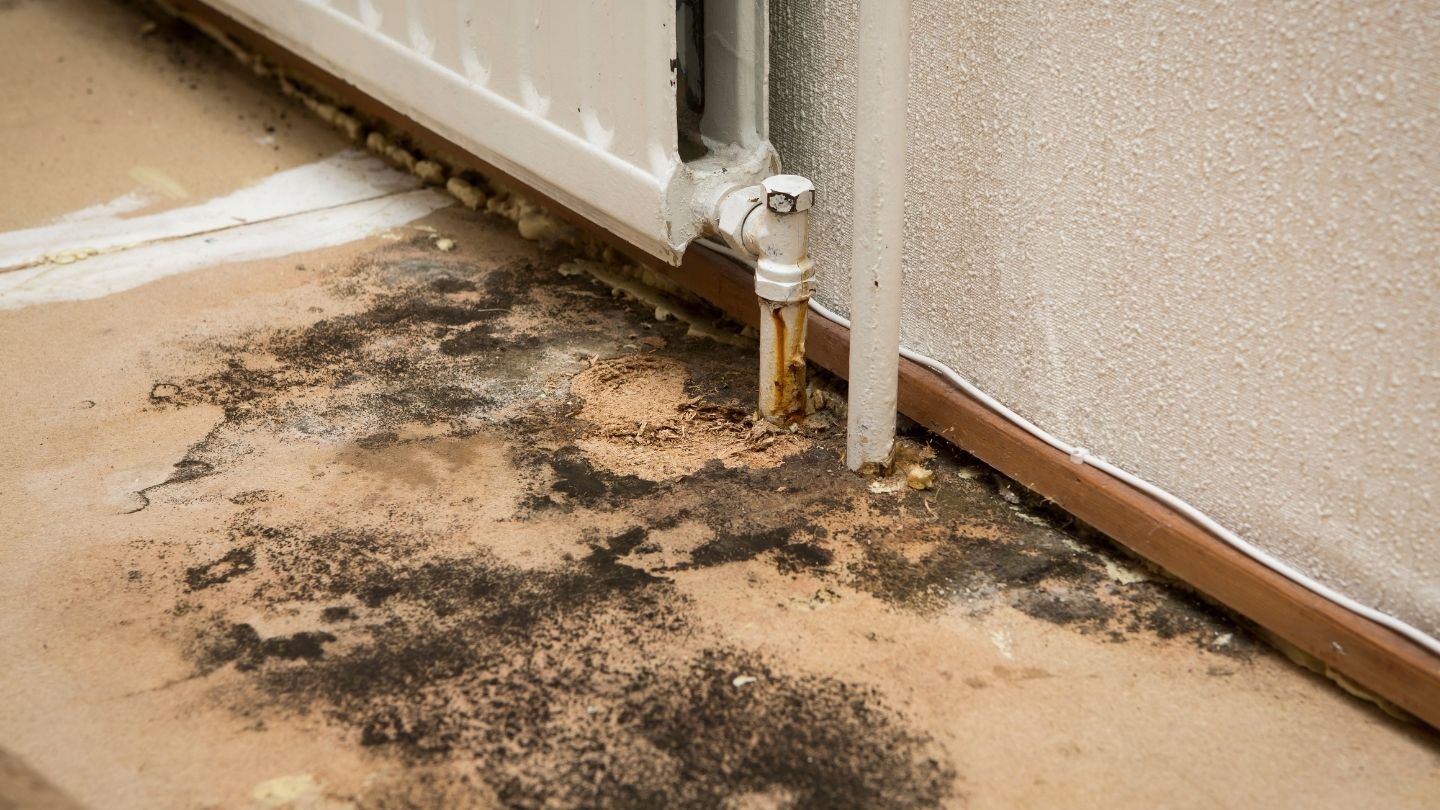
7 Key Signs You Have Mold in Pipes and What to Do
Mold can be a silent intruder in your home, often lurking where you least expect it—inside your pipes. Mold requires moisture, food, and adequate oxygen to thrive. Not only can mold growth lead to unpleasant odors and potential health risks, but it can also indicate underlying plumbing issues that need attention. In this blog, we’ll explore the seven key signs that you might have mold in your pipes and provide practical steps on how to address the problem effectively.
Key Takeaways
- A musty or sour odor when running water, along with visible mold around fixtures and discolored water, are key indicators of mold in plumbing systems that should be addressed immediately.
- Frequent plumbing issues such as leaks and clogs can create environments conducive to mold growth, as mold requires moisture, adequate oxygen, and a food source like organic materials to thrive, necessitating prompt maintenance to prevent further damage.
- Ignoring mold in pipes poses serious health risks and can lead to structural damage, making it crucial to conduct regular inspections and maintenance to prevent and address mold problems effectively.
Musty or Sour Odor When Running Water
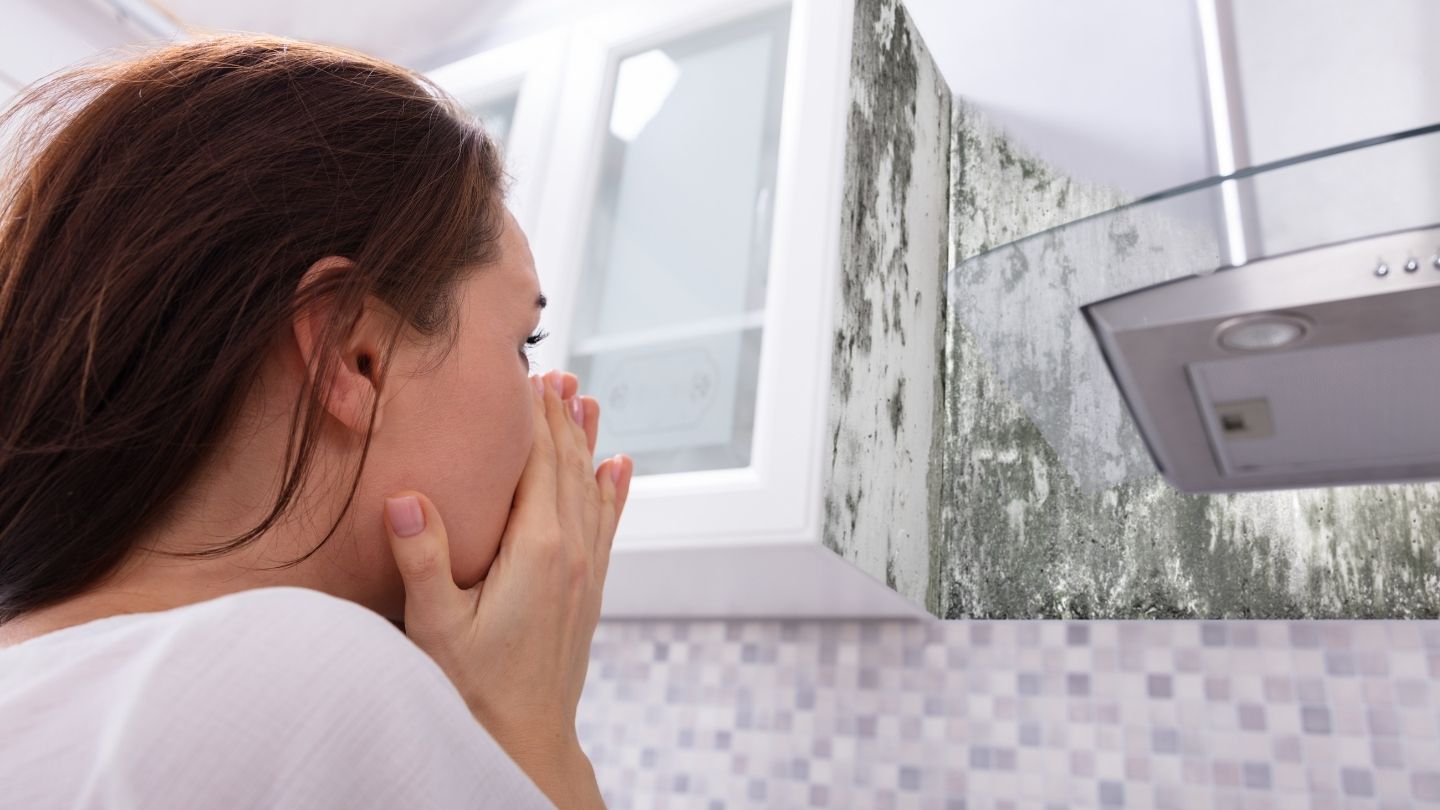
Experiencing a consistent musty or sour smell when you use your running water can be a strong indication of mold within your plumbing system. If you smell mold, particularly a sour, mildew-like odor, it’s a strong indicator of mold presence when running water. If the scent becomes more pronounced after the water has remained in the pipes, it’s likely that mold spores have found an ideal environment to flourish inside your water supply pipes.
Should you encounter a potent mildew-like odor each time you utilize your faucet, it’s crucial not to dismiss this symptom. Such an odor could point towards mold having penetrated your water supply lines, which may pose potential health hazards and result in complications with your plumbing. By addressing this issue immediately, one can thwart the spread of the mold and prevent additional harm to both their plumbing fixtures and the system as a whole.
Visible Mold Around Fixtures
The presence of mold growing in various locations, such as pipes, plumbing fixtures, and around toilets, is a strong indication that there may be an infestation within the pipes themselves. This type of growth can manifest as slimy or fuzzy spots in hues such as black, green, or gray and serves not only as an aesthetic concern but also as a sign of more serious problems with your plumbing infrastructure.
Common sites for mold proliferation include faucets, showerheads, and sink drains, where continuous moisture creates ideal conditions for its development. Should you observe any accumulation resembling dirt or slime near these locations, it’s imperative to tackle this mold issue without delay.
Neglecting visible signs of mold could precipitate complications, including damage to the structural integrity of your plumbing system and heightened risks to your health due to exposure to mold spores.
Discolored Water
If you notice that the water from your tap is tinted brown or black, this could be a warning sign that mold spores are entering and altering the color of your water supply. Such discoloration goes beyond aesthetic concerns. It’s an alarming indication that there might be a breach in your water supply pipes. Mold can damage building materials like drywall and insulation, leading to serious harm and potential structural integrity issues over time.
Mold has the potential to infiltrate various segments of a plumbing system, including wells for groundwater extraction, devices designed to soften hard water, and tanks where potable water is stored. Should discolored water become apparent, prompt action is necessary to pinpoint and correct the source of contamination. Utilizing or consuming water tainted with mold can present significant health dangers. Addressing such contamination swiftly is crucial for safety.
Increased Plumbing Issues
Consistent occurrences of clogs and leaks in plumbing can foster an environment ripe for mold development. When pipes become obstructed or develop leaks, they tend to produce wet conditions ideal for the proliferation of mold. Not only do these continual plumbing difficulties hint at impending mold problems, but they also worsen them by providing a steady stream of moisture.
The presence of mold may gradually weaken your piping system, precipitating additional issues within your plumbing infrastructure. The symptoms that indicate contamination from mold include pipe corrosion, blockages, and persistent leaky pipes. Taking swift action upon detection of these signs can halt the Dispersal of mold throughout both the interior workings of your home’s plumbing network and its structure.
An accumulation of visible mold around fixtures such as faucets, showerheads, or beneath sink drains often serves as evidence to point to underlying moisture complications and potential leakage hidden deep within the pipeline systems. Observing such indicators should alert you to possibly more severe concerns concealed amongst the pipes. Diligent upkeep combined with immediate resolution when faced with any sort of sorting involving complications is crucial for staving off pervasive molding infestations.
Health Symptoms

Symptoms related to health, such as headaches, skin irritation, eye discomfort, and respiratory conditions, could often be early indicators of mold exposure stemming from your water supply. Experiencing sudden health issues like these may raise suspicions of the presence of mold within your plumbing system.
There are specific populations that are more susceptible to experiencing severe health complications due to exposure to mold. These include:
- Infants and young children
- Older adults
- Individuals with weakened immune systems
- Pregnant women
For individuals within these groups, the risk is elevated when it comes to developing pronounced symptoms linked to mold problems. Swift action is imperative upon noticing signs of such exposures in residences.
Those who suffer from allergies specific to molds, have compromised immunity, or have pre-existing lung ailments face a greater likelihood of acute effects if exposed to mold. It’s crucial for those at higher risk but also for everyone else living in affected environments. Early recognition can assist you in pinpointing potential issues related to molds lurking in your domestic pipelines, allowing for timely intervention before matters escalate further.
Mold Growth in Other Areas
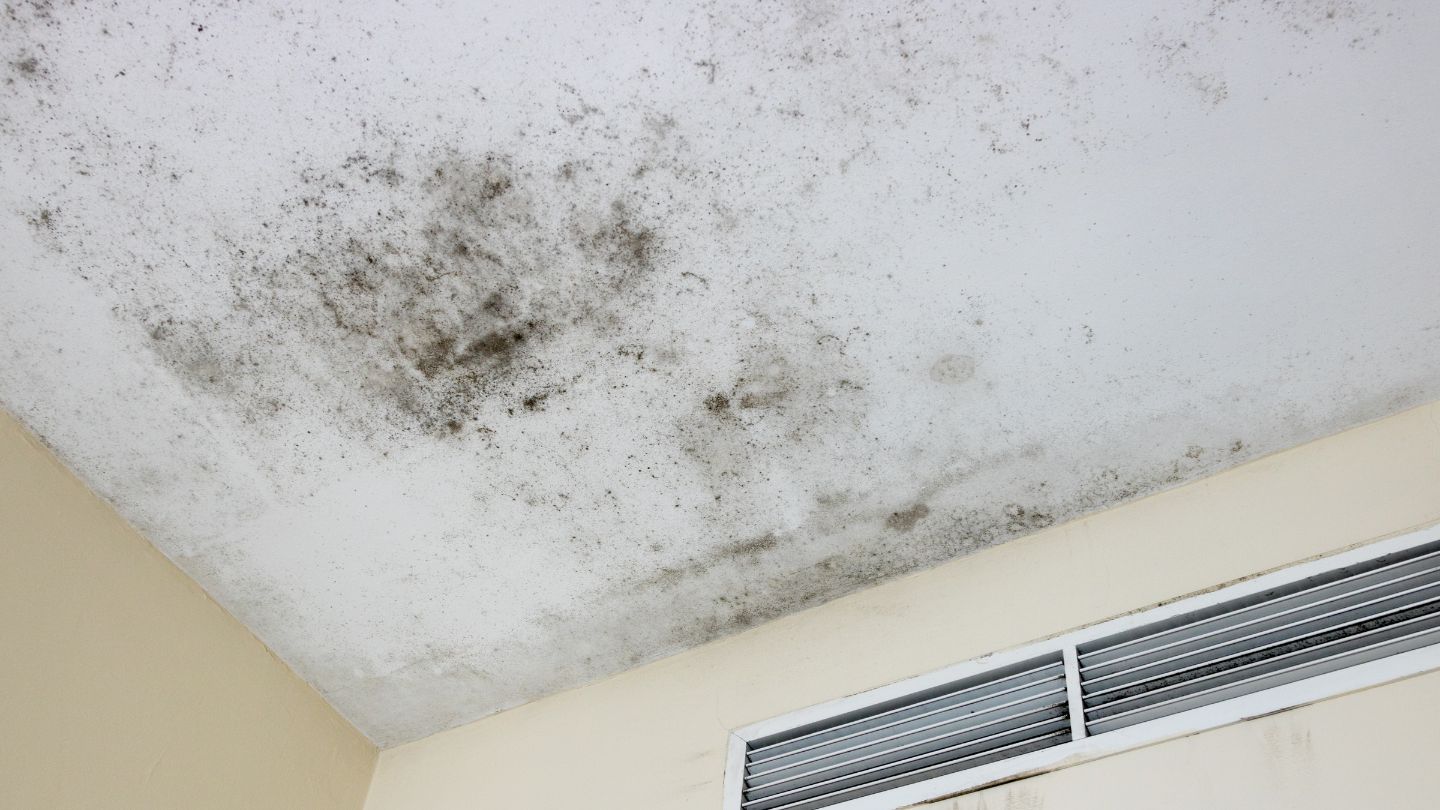
Mold spores originating from mold within your plumbing system can disperse throughout your home, risking contamination in different locations. Once airborne, these spores have the potential to settle and proliferate on diverse surfaces, including walls, ceilings, and floors, where they become noticeable as mold grows.
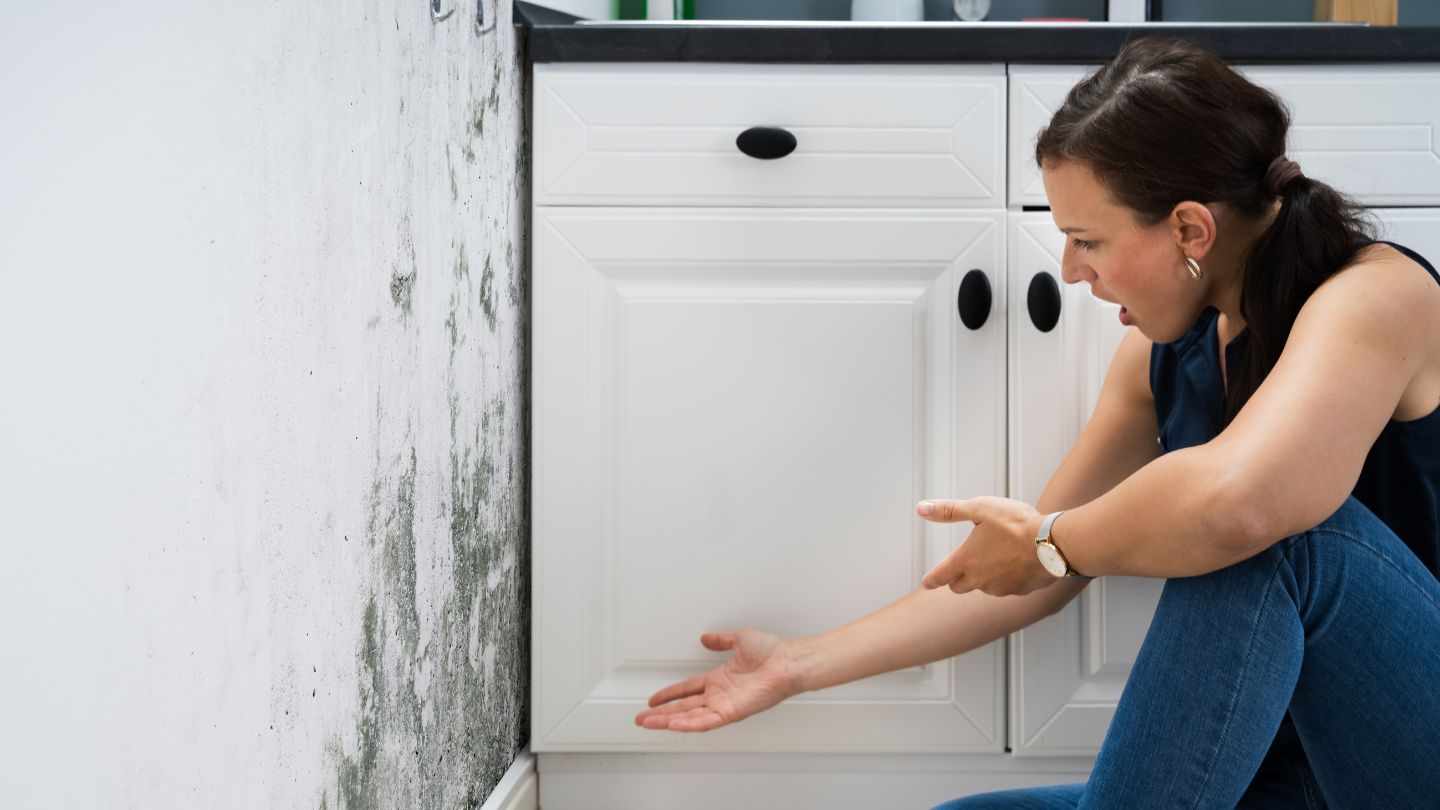
Should you notice mold proliferation in various parts of your dwelling, it might be a sign that the issue stems from your plumbing system. Mold has the ability to migrate from pipes onto other areas, escalating into a more challenging situation to contain.
Taking swift action against mold present in your plumbing is crucial for preventing its spread across additional regions of your residence and averting damage.
Strong Odors in Water Tanks
The presence of a musty odor from your water tanks often signifies an issue with mold within the plumbing system. If you notice a sour, mildew-reminiscent scent coming from these tanks, it’s likely indicative of ongoing mold growth and possible tainting of the pipes that carry your water supply.
Such smells are not merely offensive to the senses. They also present health hazards should one consume or breathe in water affected by this mold contamination. It is imperative to take swift action upon sensing these robust odors emanating from your water tanks to stop any Proliferation of mold and ensure no compromise occurs within your plumbing infrastructure.
What to Do If You Suspect Mold in Your Pipes
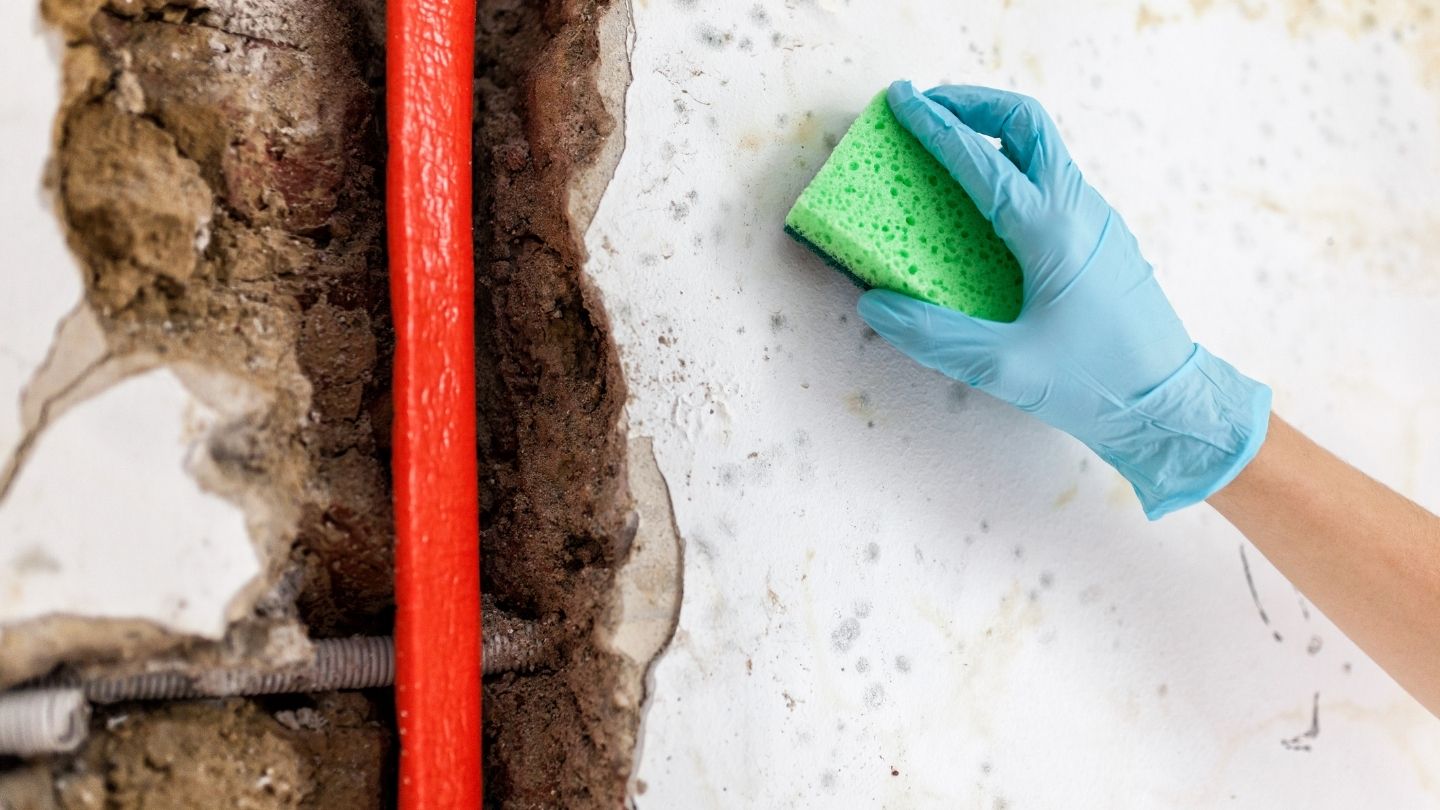
If you suspect mold in your water pipes, taking swift action is essential. Start by arranging a professional inspection to assess the extent of the issue and identify any underlying moisture problems that may be contributing to mold growth.
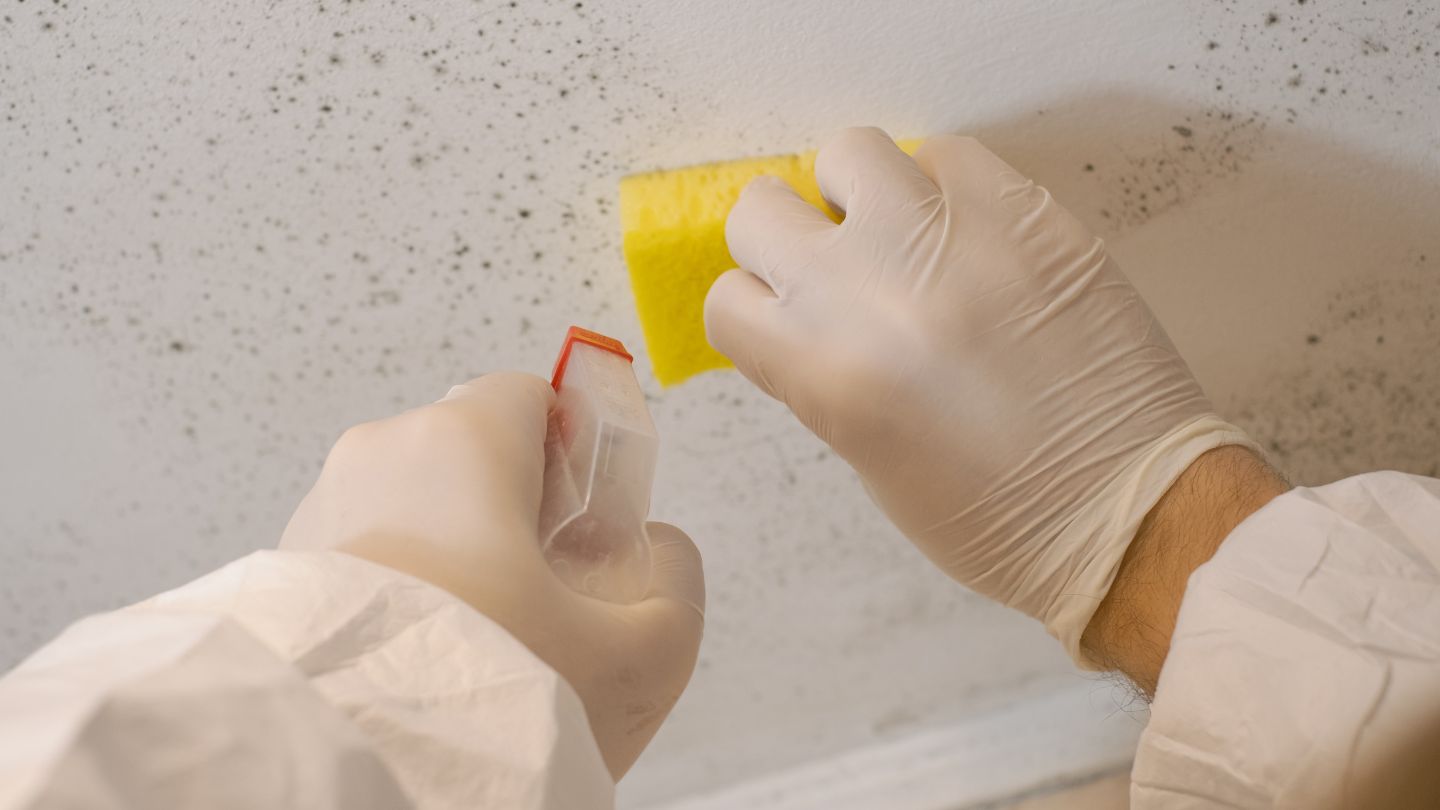
After an inspection, mold remediation should be conducted promptly to eliminate any existing mold and prevent it from spreading further. Routine maintenance and preventative steps are key to avoiding future mold issues in your plumbing system.
Professional Inspection
A certified inspector can evaluate your plumbing system for signs of mold, using both visual assessments and specialized equipment to detect moisture that fosters mold growth. Inspections focus on areas with water damage or humidity, pinpointing the origin of the mold problem to allow for targeted solutions.
Mold-B-Gone’s skilled professionals conduct thorough inspections and provide reliable, expert evaluations for mold, as well as other environmental hazards like radon and lead. With this comprehensive approach, our team identifies and addresses mold issues before they escalate, safeguarding your home and health.
Read more: Reasons to Hire a Professional Mold Remediation Service
Regular Maintenance
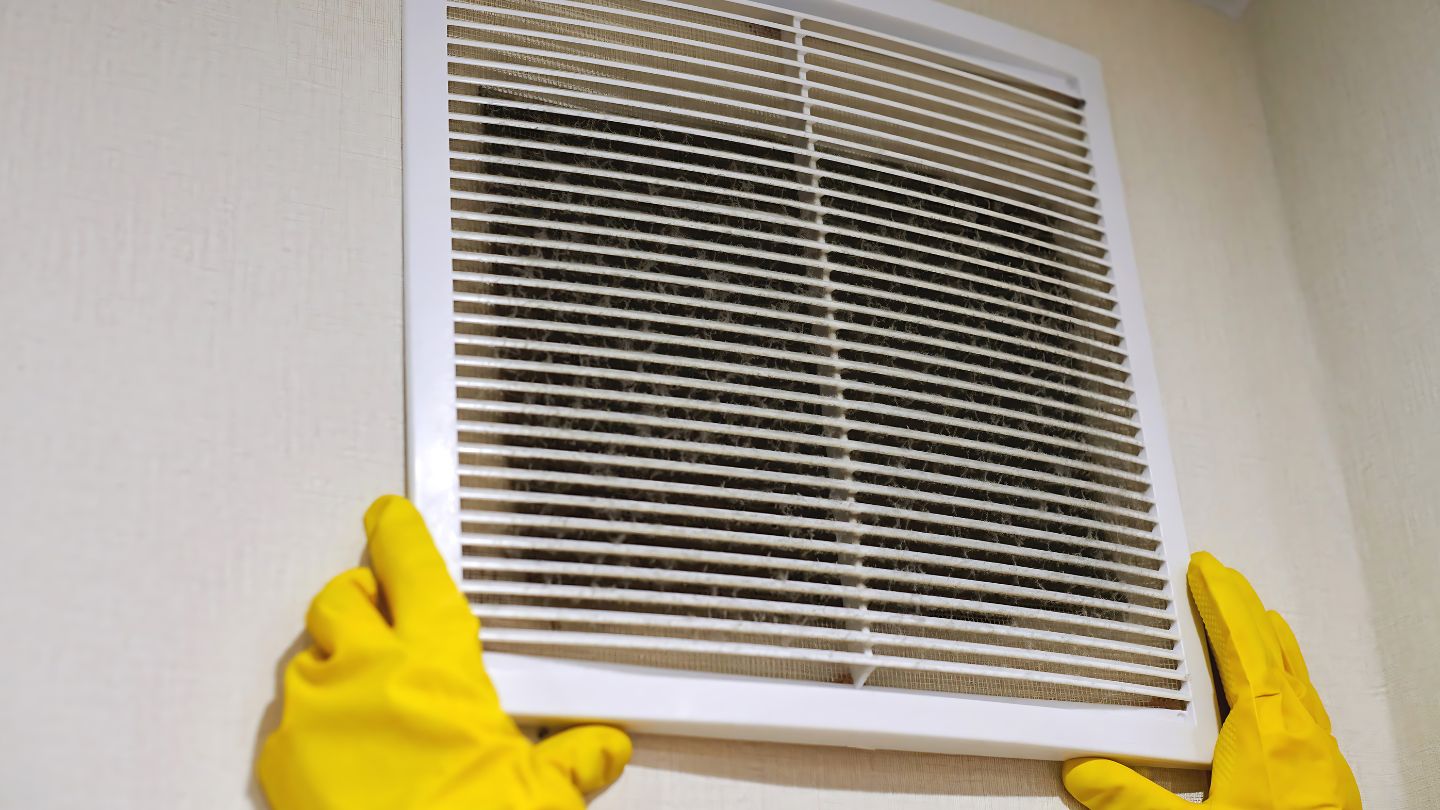
Preventing mold in your plumbing starts with consistent, expert maintenance. Rather than relying on DIY methods, consider professional services to check for leaks, ensure proper ventilation, and maintain humidity levels below 60%—especially in high-moisture areas like bathrooms and basements. Dehumidifiers and exhaust fans can also help reduce the risk of mold growth in these spaces. Routine cleaning and moisture management are essential to keep mold at bay. Repairing leaks promptly and ensuring sufficient airflow can significantly reduce the likelihood of mold problems in your plumbing. Mold-B-Gone provides tailored maintenance services to help homeowners prevent and quickly address mold, ensuring that plumbing systems remain safe and functional year-round.
Risks of Ignoring Mold in Pipes
Ignoring mold in your plumbing can lead to serious health issues and structural damage. Mold exposure may cause respiratory problems, skin irritation, and other health symptoms. Left unaddressed, mold can also deteriorate plumbing materials, leading to leaks, blockages, and costly repairs. Mold spores can spread from plumbing to other areas of your home, causing widespread contamination. Addressing mold issues early on helps protect your health, home, and wallet.
Take Action with Mold-B-Gone
To ensure a safe and healthy living environment, it’s crucial to address any mold issues within your plumbing system with vigilance. Mold-B-Gone offers comprehensive services to help you identify and eliminate mold threats effectively. Our expert team is committed to safeguarding your home and health through prompt assessments and tailored solutions. We also offer services in Flowery Branch, Marietta, Smyrna, Suwanee, Ellijay, and other locations to ensure comprehensive coverage for your needs. Don’t wait for problems to escalate; contact us today for a mold inspection to ensure your plumbing remains mold-free and your home stays protected.
Frequently Asked Questions
What causes mold in pipes?
Mold in pipes often results from excess moisture, leaks, and organic debris in the plumbing system. Stagnant water and frequent clogs can also create the perfect environment for mold to thrive.
Can I clean mold from pipes myself?
While some DIY methods exist, mold in pipes is best handled by professionals. Specialized tools and techniques are required to remove mold safely and prevent it from spreading.
How often should I have my plumbing inspected for mold?
Regular inspections are recommended annually or biannually, especially in areas with high humidity. Routine maintenance can help prevent mold and address minor issues before they escalate.
What health risks are associated with mold in plumbing?
Mold exposure can lead to respiratory issues, allergies, skin irritation, and eye discomfort. Those with compromised immune systems, allergies, or asthma may experience heightened symptoms.