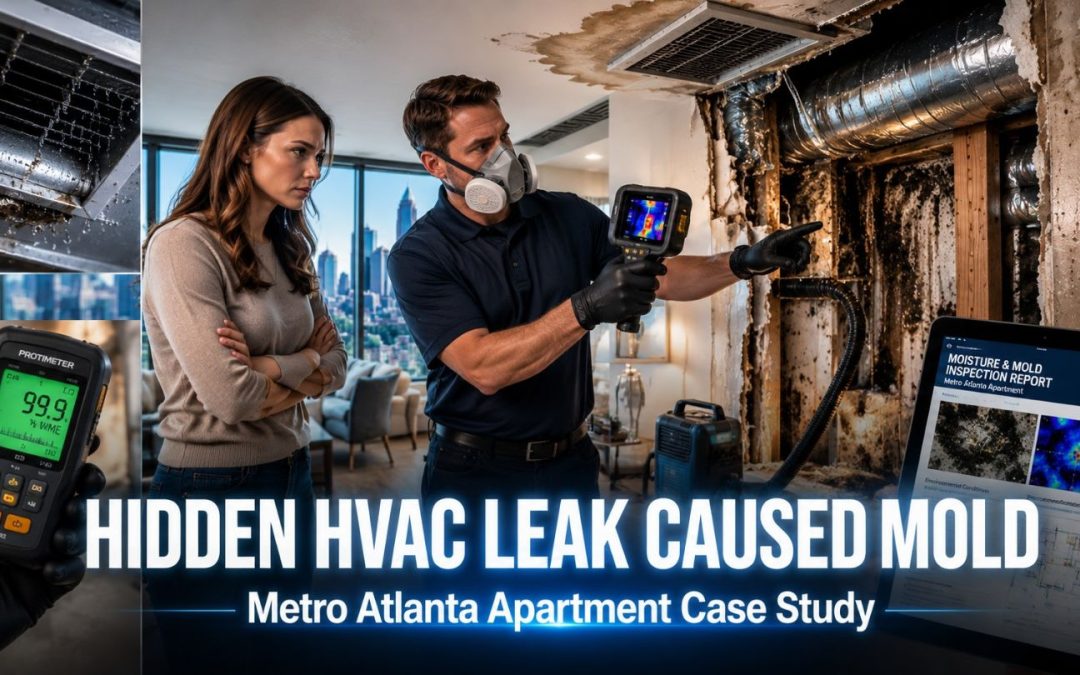
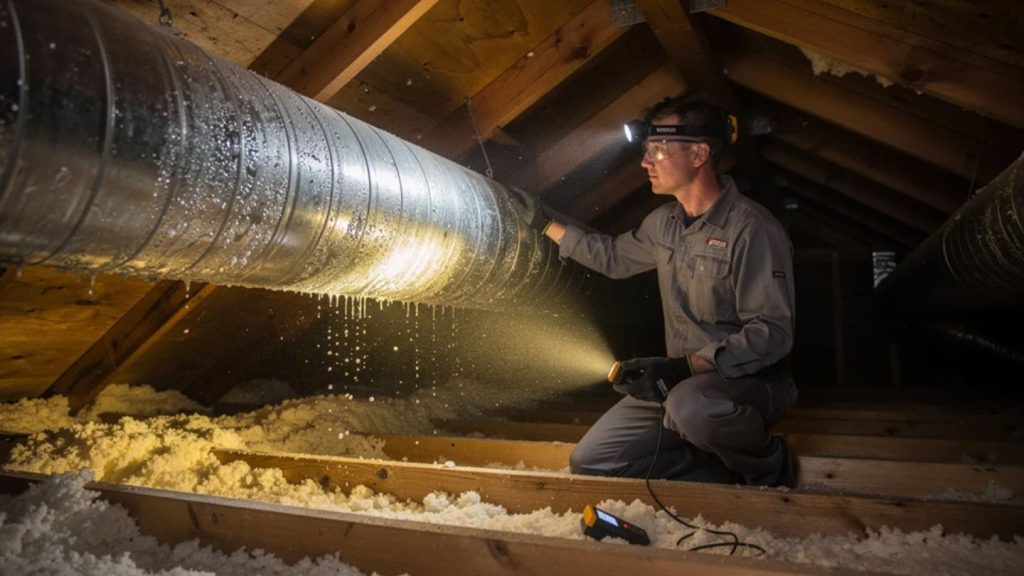
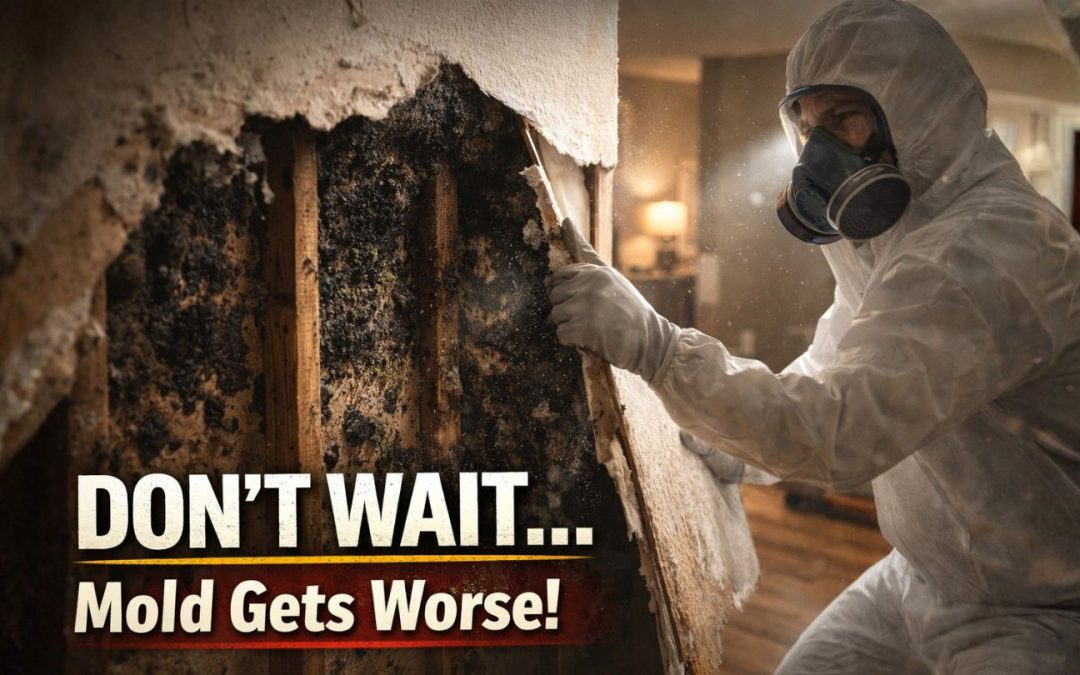
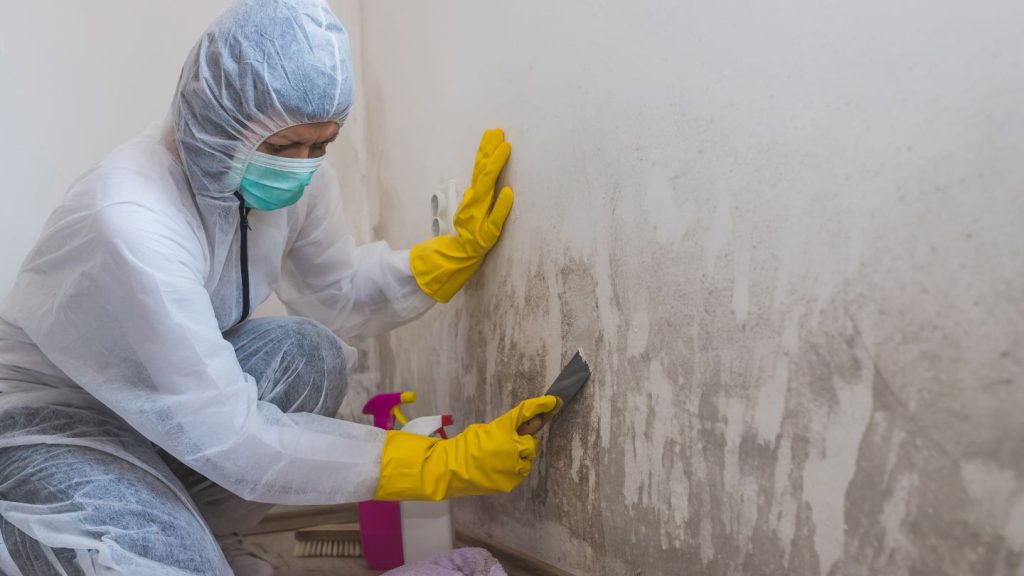
For months, a family living in a Metro Atlanta apartment couldn’t figure out why their allergy symptoms never seemed to go away. Constant sneezing, runny noses, and lingering indoor air discomfort had become part of everyday life. Like many homeowners and renters dealing with poor indoor air quality, they assumed a standard duct cleaning would solve the issue. But the real problem was something far more serious, and completely hidden from view. This case highlights the hidden HVAC leak behind mold growth in a Metro Atlanta apartment, and why surface-level cleaning often fails when moisture problems remain untreated.
When Duct Cleaning Isn’t Enough
The family initially hired a duct-cleaning company after noticing worsening indoor allergy symptoms. During cleaning, mold was discovered in the ductwork. While this seemed alarming at the time, they felt reassured after the system was cleaned. Unfortunately, the relief didn’t last. Within a short period, the same symptoms returned. The indoor air still felt stale, and family members continued experiencing respiratory irritation and allergy flare-ups. This situation is far more common than many people realize.
In many homes, especially in humid regions like Georgia, mold inside HVAC systems is often a symptom, not the root cause. The real issue in this case was a hidden HVAC leak causing mold growth in Metro Atlanta, continuously feeding moisture into the system behind the scenes.
Why Hidden HVAC Leaks Lead to Mold Problems
HVAC systems naturally create condensation during operation. Under normal conditions, that moisture drains away properly. But when leaks develop inside or around the system, trapped moisture creates the perfect environment for mold to thrive.
Even a small leak can trigger:
Moisture buildup inside ductwork
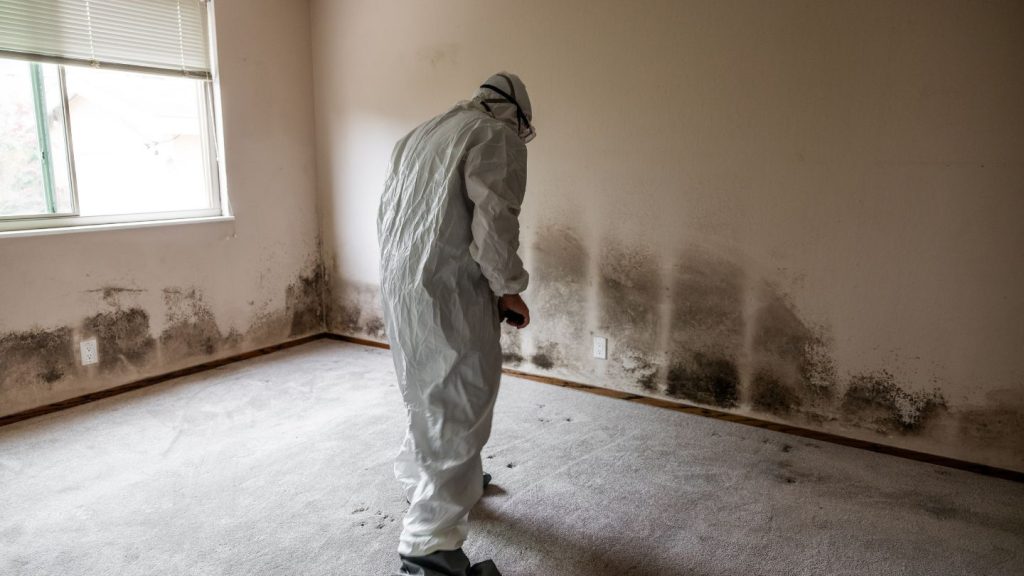
Mold growth behind vents and walls
Contaminated indoor airflow
Recurring allergy symptoms
Persistent musty odors
Reduced HVAC efficiency
In humid climates like Metro Atlanta, these problems can escalate quickly.
This family’s experience is a perfect example of how an HVAC leak caused mold growth in Atlanta despite previous cleaning efforts. The mold kept returning because the source of moisture had never been identified or corrected.
What the Homeowners Had to Say
After dealing with persistent allergy symptoms, recurring indoor air quality issues, and unsuccessful duct-cleaning attempts, the homeowners shared their experience working with Mold B Gone to uncover the hidden HVAC leak behind the mold growth in a Metro Atlanta apartment.
Here’s what they had to say about the process and results:
“Due to ongoing allergy issues, we recently decided to have the air ducts in our home cleaned. To our surprise, there was significant mold found even though we had previously paid for duct cleaning just a few years ago. However, even after this cleaning, our problems did not go away.
That’s when we spoke to Richard at Mold B Gone. He is very knowledgeable and immediately put us at ease in knowing that his company would solve our issues. Richard came to our home, did an inspection and assessment, and also tested the air quality of our home, sending the test to a lab for test results. This is not something that your “typical” HVAC or air duct cleaning company is qualified to do.
Richard reviewed the test results with us and explained his recommendations, along with a fair quote for the job. Once the job was completed, the air quality was back to normal.
Since the remediation, our home feels fresher and healthier than ever before. No more constantly runny nose, and we have peace of mind knowing that our indoor air quality has greatly improved.
The concern, attention to detail, and commitment to customer satisfaction truly set this company apart. We highly recommend their services to anyone facing mold issues. Investing in their expertise was one of the best decisions we’ve made for our family’s well-being.”
The Difference Between Cleaning and True Mold Remediation
After continued frustrations, the homeowners contacted Mold-B-Gone for a professional inspection. Unlike standard HVAC or duct-cleaning providers, professional mold remediation specialists investigate the underlying environmental conditions that contribute to contamination. During the inspection, Mold-B-Gone performed:
A detailed moisture assessment
Full HVAC system inspection
Indoor air quality testing
Lab analysis of airborne contaminants
Evaluation of hidden mold sources
This deeper investigation revealed what previous service providers had missed: an HVAC-related moisture issue that was continuously fueling mold growth inside the apartment. Many companies can clean visible mold from ducts or vents, but without identifying the source of moisture intrusion, mold often returns. Professional remediation focuses on both contamination removal and moisture correction.
Indoor Air Quality Testing Changed Everything
One of the most important steps in this case was professional air quality testing. The homeowners had already spent money on prior cleanings, yet their symptoms persisted. Air testing helped confirm the extent of contamination and provided clear evidence of ongoing indoor air quality problems.
Lab analysis allowed the remediation team to:
Identify elevated mold spore levels
Determine contamination sources
Develop a targeted remediation strategy
Verify improvements after treatment
This scientific approach helped restore the family’s confidence and ensured the problem was fully addressed rather than temporarily masked.
The Health Effects of Hidden Mold Exposure
Many people underestimate the impact hidden mold can have on everyday health. Even moderate mold contamination can trigger symptoms such as:
Chronic sneezing
Runny nose
Sinus congestion
Headaches
Eye irritation
Fatigue
Respiratory discomfort
Children, elderly individuals, and people with asthma or allergies are often especially sensitive. In this Metro Atlanta apartment, the family had unknowingly been exposed to poor indoor air quality for an extended period because a hidden HVAC leak continued to feed moisture into the environment. Once remediation was completed and the moisture issue resolved, they immediately noticed a difference in how their home felt.
Why Metro Atlanta Homes Are Especially Vulnerable
Georgia’s warm, humid climate creates ideal conditions for hidden moisture problems. HVAC systems in Metro Atlanta often run for long periods throughout the year, increasing condensation and moisture exposure inside duct systems.
Common causes of HVAC-related mold growth include:
Condensate drain clogs
Improper insulation
Leaking coils
Hidden duct leaks
Poor ventilation
Excess indoor humidity
Because many of these issues remain hidden behind walls, ceilings, or inside HVAC components, homeowners may not realize a problem exists until symptoms become severe. This is exactly why professional inspections matter when recurring mold issues appear.
Signs You May Have a Hidden HVAC Mold Problem
Many property owners don’t realize their HVAC system may be contributing to indoor mold contamination.
Some warning signs include:
Persistent allergy symptoms indoors
Musty odors when the HVAC runs
Mold returning after cleaning
Visible mold near vents
Excess humidity indoors
Condensation around ducts
Unexplained respiratory irritation
If these problems continue after routine cleaning, a deeper investigation is often necessary. Cases like this demonstrate why mold cleaning services Atlanta residents trust should always include moisture detection and air quality evaluation, not just surface cleaning.
The Importance of Hiring Qualified Mold Professionals
Not all cleaning companies are trained to properly handle mold contamination. HVAC cleaners may remove debris or visible growth, but mold remediation requires specialized expertise in:
Moisture mapping
Containment procedures
Air quality testing
Mold remediation protocols
Post-remediation verification
Professional remediation companies understand how to locate hidden moisture sources and prevent recurring contamination. For this family, hiring experienced specialists ultimately solved the problem that repeated duct cleaning alone could not fix.
Final Thoughts
This case clearly shows how recurring indoor air quality problems are often connected to hidden moisture issues rather than surface-level contamination alone. What initially seemed like a simple duct-cleaning problem turned out to be a hidden HVAC leak that continuously triggered mold growth inside a Metro Atlanta apartment. Once the underlying moisture source was identified and professionally remediated, the homeowners finally experienced cleaner air, fewer allergy symptoms, and lasting peace of mind.
At Mold-B-Gone, we understand that successful remediation requires more than basic cleaning. Our team provides thorough inspections, moisture detection, air quality testing, and professional mold cleaning services in Atlanta designed to address the root cause of contamination and help restore a healthier indoor environment for your family. We also offer specialized services, including commercial mold remediation, crawlspace encapsulation, duct cleaning, and water damage flood restoration for residential and commercial properties. Contact us today to schedule a professional mold inspection and protect your indoor air quality.
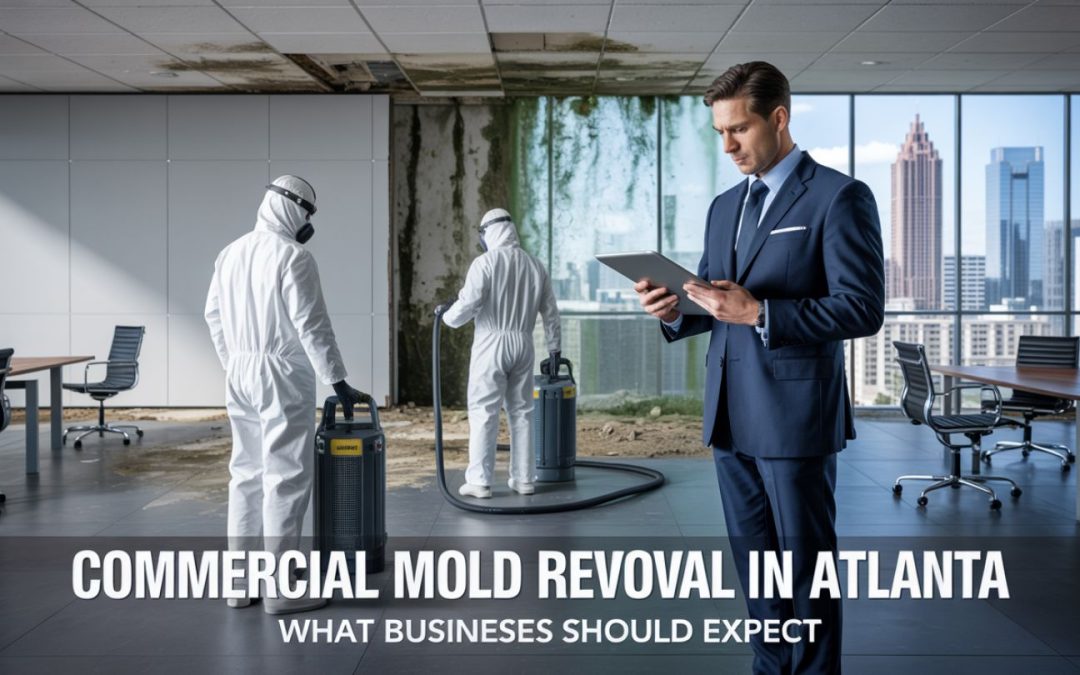
Commercial mold removal in Atlanta typically spans 3 to 7 business days, involves containment and air filtration systems, and requires coordinated scheduling to minimize operational disruption, that’s the straightforward answer most business owners need. Atlanta’s warm, humid climate (Climate Zone 3A) creates persistent conditions for mold growth, with frequent rain and high humidity, and older building stock that presents ongoing moisture challenges. When mold contamination strikes a commercial property, understanding exactly what the remediation process entails helps businesses prepare effectively, protect employees, and maintain operations.
This comprehensive blog breaks down every phase of commercial mold remediation, from initial mold inspection through post-remediation verification. You’ll learn realistic timelines, cost considerations specific to Atlanta, what to expect from professional mold remediation teams, and strategies for preventing recurring issues in our challenging climate.
Key Takeaways
Commercial mold remediation in Atlanta typically takes 3-7 business days for moderate contamination, with extensive projects involving HVAC systems or multiple floors requiring up to 10 days or more
Businesses should expect distinct phases: initial assessment, containment, mold removal, cleaning, drying, and final clearance testing
Professional mold removal minimizes operational disruption through proper containment, negative air chambers, and strategic scheduling during off-hours
Costs typically range from $10-$25 per square foot, with total project costs between $2,000-$15,000+ depending on affected areas and materials involved
Post-remediation prevention strategies are essential for long-term mold control, particularly during Atlanta’s peak humidity months from May through September
The Commercial Mold Removal Process: Step-by-Step Expectations
The mold removal process begins with a detailed assessment of the affected areas, using advanced tools such as moisture meters and infrared cameras to detect mold growth. Understanding each phase helps Atlanta business owners prepare their teams, coordinate with building management, and set realistic expectations for project completion. For businesses dealing with larger or recurring contamination issues, understanding the full scope of commercial mold remediation can make it easier to prepare for each phase and reduce disruption during the process.
Professional mold remediation follows established industry protocols, primarily the IICRC S520 Standard for Professional Mold Remediation. Each phase builds upon the previous one, with specific timeframes that protect both business operations and employee health throughout the remediation process.
Initial Assessment and Containment (Days 1-2)
The damage assessment phase establishes the scope of work and determines the appropriate remediation approach. A certified mold assessor performs visual inspection across affected zones while using moisture meters and infrared cameras to detect hidden moisture behind walls or above ceilings. Air sampling and surface sampling may be conducted to identify mold species and establish baseline spore counts for comparison after remediation.
After identifying the extent of the mold problem, the affected area is sealed off to prevent mold spores from spreading to other parts of the building, often using containment measures like negative air chambers. This containment setup includes:
Negative air machines maintain pressure differentials to prevent cross-contamination
HVAC system shutdown or isolation to avoid spore dispersal through ductwork
Photo documentation and moisture logs for insurance and compliance purposes
Commercial mold inspection costs in Atlanta typically range from $1,000 to $3,500, depending on building size and the number of samples required for comprehensive documentation.
Mold Removal and Material Disposal (Days 2-5)
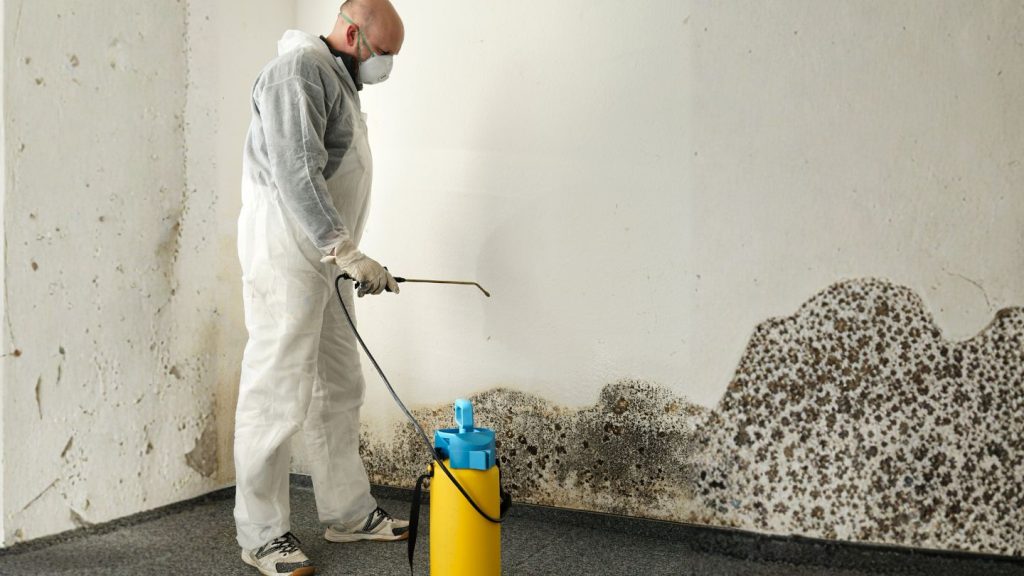
Mold removal often involves advanced techniques and equipment, including HEPA vacuums and antimicrobial solutions. It may require removing and replacing deeply infiltrated porous materials, such as drywall or carpeting. The distinction between cleanable and removable materials significantly affects both the timeline and the cost.
Non-porous surfaces such as metal, concrete, glass, and tile can typically be cleaned with HEPA vacuuming, damp wiping, and antimicrobial treatments. However, porous materials with significant mold infestation, including drywall, insulation, ceiling tiles, and carpeting, must be removed in accordance with Environmental Protection Agency guidelines.
Safe disposal protocols require moldy materials to be sealed in 6-mil polyethylene bags, double-bagged in severe cases, and transported off-site in accordance with local regulations. Throughout removal, HEPA air scrubbers run continuously to maintain indoor air quality, while air filtration prevents spore dispersal to uncontaminated areas.
Once the mold is removed, cleaning and sanitization are essential to restore the affected areas, which may involve using HEPA air scrubbers to filter the air and treating non-porous surfaces with antimicrobial solutions.
Timeline and Scheduling Expectations
Commercial mold removal projects require more time than residential work due to larger spaces, complex HVAC systems, multiple occupancy zones, and business continuity requirements. A small commercial office with visible mold in one room and easy access typically requires 3-5 days from assessment through clearance testing. Larger projects involving multiple floors, HVAC contamination, or hidden mold behind walls may extend to 7-10 days or longer.
To minimize operational disruption, many professional mold remediation companies schedule work during off-hours, evenings, nights, or weekends. This approach allows businesses to maintain daytime operations while remediation proceeds in affected areas.
Factors Affecting Project Duration
Several variables can extend or shorten the remediation timeline:
Square footage and room count: Larger affected areas require more containment zones, additional equipment, and extended removal time. Multi-room contamination multiplies complexity exponentially.
Material type: Porous surfaces requiring removal and disposal add significant time compared to cleanable non-porous materials. When mold has penetrated structural elements, additional demolition and reconstruction significantly extend the project.
Moisture source complexity: Identifying and addressing underlying moisture issues is essential for successful remediation. Hidden leaks, roof penetrations, or foundation water intrusion may require coordination with plumbers, roofers, or waterproofing contractors.
Drying time: Atlanta’s ambient humidity can slow drying processes. Achieving the moisture levels required before reconstruction can begin may take additional days during peak humidity months.
HVAC involvement: If mold has entered ductwork or air handling systems, cleaning and repair significantly increase both timeline and cost.
Cost Considerations and Budget Planning
Commercial mold remediation costs in Atlanta vary based on the extent of contamination, material types, building accessibility, and project complexity. Base remediation costs average approximately $23 per square foot, with a range of $9 to $46 per square foot depending on specific conditions.
For typical commercial projects:
Moderate contamination in accessible areas: $2,000-$6,500
Extensive contamination with porous material removal: $6,500-$15,000
Large-scale projects with HVAC involvement: $15,000-$30,000+
Insurance coverage for mold damage depends on the cause. Georgia policies typically cover mold caused by sudden, accidental incidents such as burst pipes or storm damage, but exclude mold resulting from neglect, maintenance issues, or chronic humidity. Many policies also include mold coverage caps, often between $5,000 and $10,000. Businesses should confirm coverage immediately upon discovery and document all findings thoroughly.
Common Additional Expenses to Anticipate
Beyond direct remediation costs, Atlanta businesses should budget for:
Emergency water damage repairs: If active leaks are discovered during assessment, immediate repairs prevent ongoing moisture intrusion and additional mold growth.
HVAC system cleaning and duct sanitization: When commercial mold has entered air-handling systems, professional duct cleaning can cost $2,000-$5,000 or more, depending on system size.
Temporary relocation expenses: Severely affected work areas may require employee relocation during remediation, adding productivity costs and potential rental expenses for temporary space.
Post-remediation air quality testing and certification fees: Independent clearance testing typically costs $200-$400, with comprehensive commercial assessments running higher.
Reconstruction costs: Replacement of removed drywall, ceiling tiles, flooring, insulation, and finishes adds substantial costs beyond remediation itself.
What to Expect From Professional Remediation Teams
Hiring certified professionals for mold remediation is crucial, as they possess the necessary training and expertise to effectively identify and address mold issues, ensuring safety and regulatory compliance. While Georgia has no state licensing requirement specifically for mold remediation contractors, reputable companies maintain IICRC certification under the S520 standard, with technicians trained to the Applied Microbial Remediation Technician (AMRT) level.
Professional mold remediation teams employ extensive safety measures throughout the project. Technicians wear appropriate personal protective equipment, including respirators (N-95 or half/full-face with HEPA filters), disposable coveralls, gloves, and goggles. For larger spaces or certain mold species, such as Stachybotrys, stricter containment and full respirators are required.
When choosing a mold remediation service, it is essential to evaluate the range of services offered, ensuring they provide comprehensive solutions from inspection to prevention strategies. Look for companies with proven experience in commercial buildings, positive online reviews, and clear documentation practices.
Daily Communication and Progress Updates
Professional expertise includes transparent communication throughout the project. Expect:
Morning briefings on daily work plans and estimated completion times for each phase
Photo documentation of progress and immediate notification of any discoveries
End-of-day reports summarizing completed work and next-day scheduling
Direct contact information for the project manager for urgent questions
It is important to consider a mold remediation company’s experience and specialization, as seasoned professionals are more likely to handle complex mold issues effectively and efficiently.
Business Operations During Remediation
Unchecked mold infestations can cause significant disruption in business environments, leading to operational interruptions, decreased productivity, and revenue losses. Strategic planning minimizes these impacts while ensuring employee well-being throughout the remediation process.
Only unaffected areas should remain in use during remediation. Containment barriers isolate work zones, but shared systems like HVAC ducts may require shutdown to prevent cross-contamination. Businesses should:
Identify critical functions that cannot be interrupted and plan alternatives
Arrange remote work options or temporary relocation for employees in affected areas
Communicate clearly with staff about safety protocols and timeline expectations
Consider scheduling remediation during slower business periods when feasible
Accommodate sensitive individuals with allergies, respiratory conditions, or compromised immune systems
Mold exposure can lead to severe health issues, particularly for individuals with allergies, respiratory conditions, or compromised immune systems, including symptoms like skin irritation, nasal congestion, and difficulty breathing. In Atlanta, GA, an estimated 1.5 million people are at risk of health complications from mold exposure, underscoring the importance of swift action against mold.
Post-Remediation Expectations and Follow-Up
The final step in the mold removal process includes a thorough inspection to ensure the mold has been successfully remediated and to provide advice on future prevention strategies. An independent inspector performs clearance testing, which typically includes visual evaluation, moisture readings, and air sampling compared to baseline or outdoor reference samples.
Upon clearance certification, reconstruction begins by replacing removed drywall, flooring, ceiling tiles, insulation, and finishes. This phase may require coordination with carpenters, painters, and HVAC technicians, potentially adding several days to weeks, depending on the scope.
Many remediation services offer guarantees that mold will not recur for a defined period, provided moisture sources remain addressed. Follow-up visits or monitoring may be included in comprehensive service packages.
Long-Term Prevention in Atlanta’s Climate
Mold thrives in moist environments, making moisture control essential to prevent mold growth and maintain indoor air quality. Atlanta’s climate demands proactive prevention strategies:
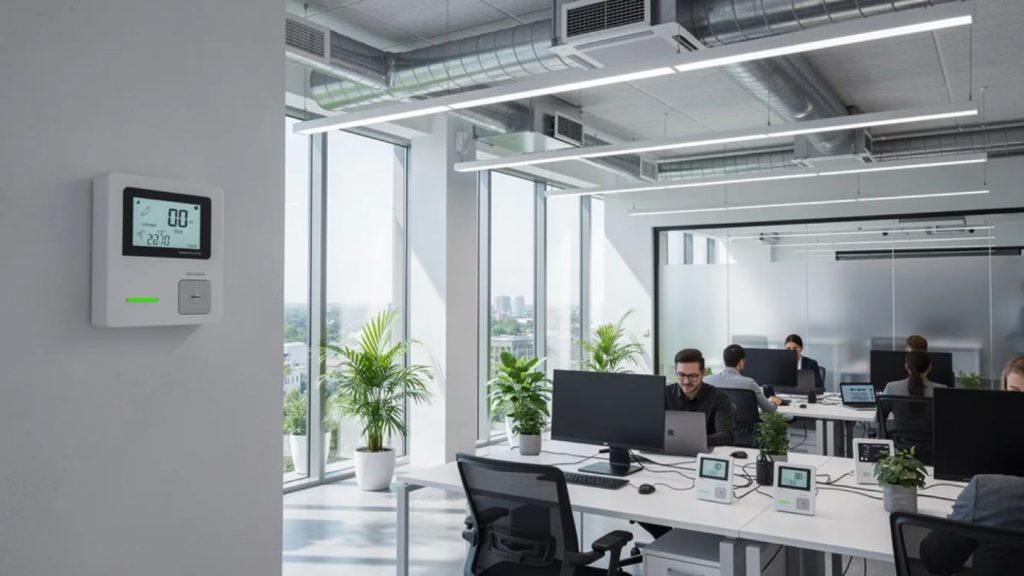
Humidity control systems: Commercial dehumidifiers and properly configured HVAC systems should maintain indoor relative humidity below 50%. During summer months, Atlanta’s outdoor humidity regularly exceeds this threshold, requiring mechanical control.
Regular inspections: Conducting regular inspections is essential for identifying potential mold risks early and preventing their escalation. Focus on high-risk areas, including basements, crawlspaces, roof areas, HVAC condensation lines, and plumbing penetrations. Frequent inspections can help catch leaks or moisture issues promptly, thereby preventing the development of more serious mold problems.
Moisture monitoring protocols: Implement monitoring during peak humidity months (May-September) using moisture meters in vulnerable areas. Addressing moisture issues, such as leaks or poor ventilation, is crucial for long-term success in mold prevention and maintaining a healthy indoor environment.
Emergency response plans: Establish relationships with restoration services contractors, define staff responsibilities for water intrusion events, and maintain documentation protocols. When disaster strikes, rapid response significantly reduces mold damage.
Implementing moisture control measures, such as using dehumidifiers and improving ventilation, can significantly reduce the risk of mold infestations in both residential and commercial properties.
Final Thoughts
In conclusion, commercial mold remediation in Atlanta involves a structured process that includes professional inspection, containment, mold removal, cleaning, verification, and long-term prevention. Understanding each phase helps business owners and property managers prepare for the remediation process, minimize operational disruptions, and protect employees and occupants from the health and structural risks associated with mold contamination. Taking fast action and addressing moisture issues early can help prevent costly repairs and recurring mold problems in Atlanta’s humid climate.
At Mold-B-Gone, we provide professional Commercial Mold Removal in Atlanta along with expert crawlspace encapsulation, duct cleaning, IAQ testing, and water damage flood restoration services to help businesses maintain safer, healthier, and more productive indoor environments. Our experienced team delivers thorough inspections, effective remediation solutions, moisture-control strategies, and reliable support tailored to the unique challenges commercial properties face across the Atlanta area. Contact us today to schedule a professional commercial mold assessment for your property.
Frequently Asked Questions
How long does commercial mold remediation typically take in Atlanta?
Commercial mold remediation in Atlanta typically takes 3-7 business days for moderate contamination affecting one or two rooms with accessible mold. Projects involving multiple floors, HVAC system contamination, or extensive hidden mold behind walls may require 10 days or longer. Timeline factors include affected square footage, material types, moisture-source complexity, and the required drying time before reconstruction.
Can employees continue working in unaffected areas during mold removal?
Yes, employees can generally continue working in unaffected areas during mold removal, provided proper containment is established. Negative air chambers and sealed barriers prevent mold spores from spreading beyond work zones. However, shared HVAC systems may require shutdown, and sensitive individuals with allergies or respiratory conditions may need accommodation. Your remediation company will advise on safe occupancy during each project phase.
What should businesses do to prepare their workspace before remediation begins?
Businesses should remove personal items, electronics, and important documents from affected areas before remediation begins. Clear access paths for equipment and materials, and communicate with employees about temporary workspace changes. Notify your insurance company immediately, document existing conditions with photos, and prepare alternative work arrangements for staff in affected zones. Your remediation team will provide specific preparation instructions based on your situation.
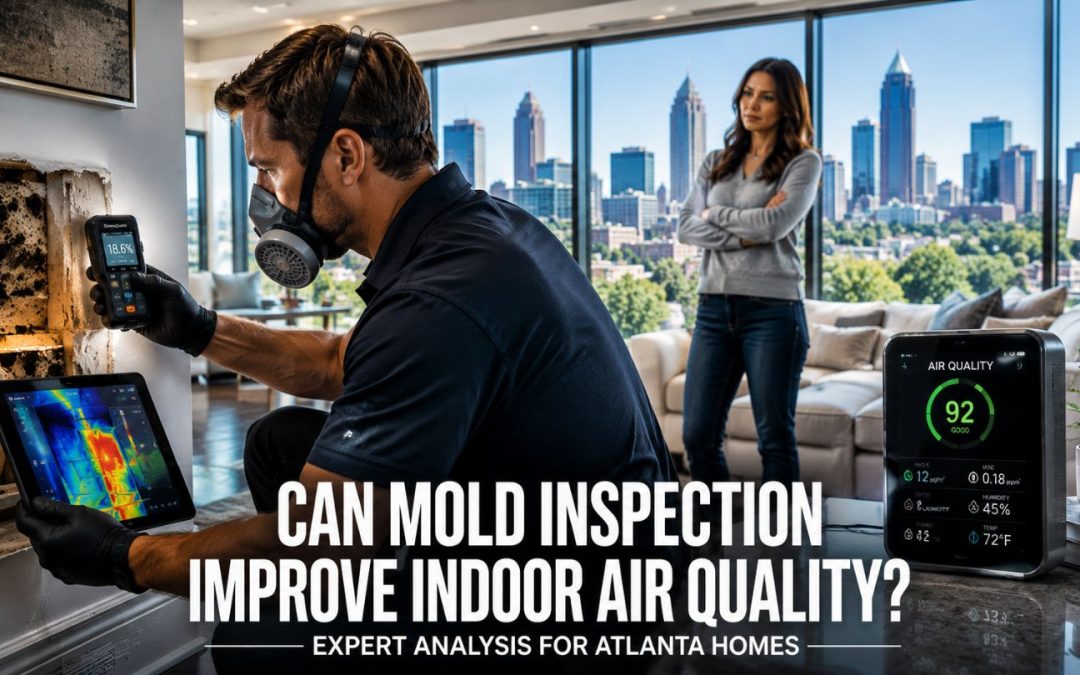
Indoor air quality issues affect countless Atlanta homes, yet many homeowners remain unaware that indoor air can be significantly more contaminated than outdoor air. In fact, indoor air pollution can cause more health problems than outdoor air pollution, leading to respiratory issues, allergies, and even neurological damage. Professional mold inspection services directly improve indoor air quality by identifying hidden contamination sources, measuring airborne mold spores, and providing actionable remediation solutions. This blog examines exactly how mold testing services in Atlanta, GA, work to restore healthy indoor air and protect your family’s health.
Key Takeaways
Professional mold inspection identifies hidden air quality threats that cause respiratory problems and allergies
Atlanta’s humid subtropical climate creates ideal conditions for mold growth in crawlspaces, attics, and HVAC systems
Certified inspections using air samples and moisture detection provide actionable solutions for air quality improvement
Post-remediation clearance testing confirms successful air quality restoration and a safe environment for occupancy
Early detection prevents costly health issues and property damage across residential and commercial properties
How Mold Inspection Services Directly Improve Indoor Air Quality
A detailed mold inspection can help identify the root cause of mold problems, ensuring that all potential mold issues are thoroughly assessed and addressed. The connection between mold presence and compromised indoor air quality is well-documented in the scientific literature. Meta-analyses estimate a 30-50% increase in odds of cough, wheeze, and asthma symptoms for people living in damp, mold-exposed homes. When mold spores become airborne, they circulate through your indoor environment, affecting everyone who breathes that air.
Professional mold inspectors use advanced mold testing methods to detect mold spores that remain invisible to the naked eye. Air quality testing can detect mold spores, volatile organic compounds, and other contaminants that may not be visible but can significantly impact health and well-being. Many common indoor air pollutants include mold spores, volatile organic compounds (VOCs), and other contaminants that can cause various health issues.
Real-world case studies demonstrate measurable improvements after thorough inspection and remediation. In one documented case involving children’s respiratory health, comprehensive HVAC mold remediation resulted in a 79% reduction in total weekly symptom episodes. Another military facilities pilot program showed an average 70% reduction in measured mold levels when combining remediation with continuous indoor air quality mitigation over a year of monitoring.
Scientific Testing Methods That Reveal Air Quality Issues
Mold inspections typically involve a visual inspection of the property, including areas prone to moisture and mold growth, and the use of specialized equipment to detect hidden moisture and mold. Indoor air quality testing can identify pollutants that may cause health issues, including respiratory problems and allergies. For homeowners who want a clearer understanding of how professionals evaluate airborne contaminants, working with indoor air quality testing professionals can provide deeper insight into what may be affecting the air inside their home.
Air sampling techniques enable professionals to collect samples from indoor and outdoor environments. By comparing these air samples, a mold inspector can determine whether your indoor air contains elevated spore concentrations. Air quality testing for mold or surface sampling is recommended when mold growth is suspected, as it helps determine the presence and concentration of mold spores in the environment.
Surface testingusing swab, tape lift, or bulk samples identifies contamination directly on the materials. This testing identifies mold species and concentrations, helping determine the severity of your mold situation and guiding remediation efforts.
Moisture detectionusing thermal imaging and specialized meters locates hidden water intrusion behind walls, ceilings, and flooring. Since mold growth requires moisture, identifying these hidden sources is essential for addressing the mold problem at its root rather than treating symptoms.
Atlanta’s Climate Challenges and Indoor Air Quality Risks
Atlanta’s humid subtropical climate presents unique challenges for maintaining good air quality. Summer months bring humidity levels averaging 70-80%, combined with warm temperatures, creating ideal conditions for mold infestation. This combination of moisture and warmth allows mold to colonize building materials within 24-48 hours of water damage.
Maintaining good indoor air quality is essential for health, as it promotes normal concentrations of gases like carbon dioxide and proper temperature and humidity levels. However, Atlanta’s climate constantly works against these goals. Extended periods of high humidity affect attics, crawlspaces, basements, and walls throughout the region. Georgia experiences frequent summer thunderstorms that lead to roof leaks, plumbing problems, and foundation water intrusion, all common sources of moisture that compromise air quality.
Common Air Quality Problems Atlanta Homeowners Face
High humidity in enclosed spaces creates persistent moisture problems in crawl spaces and basements. These areas often lack adequate ventilation, allowing humidity levels to remain above the 50% threshold that promotes mold growth. Without regular inspection, these hidden spaces become breeding grounds that degrade indoor air quality throughout your home.
HVAC system contamination represents another significant concern for Atlanta homeowners. Many older homes have aging or undersized HVAC units where condensation accumulates, poorly insulated ducts trap moisture, and damp filters become contamination sources. These systems then circulate mold spores and other pollutants throughout every room, turning a localized mold problem into a whole-house air pollution issue.
Storm-related water damage from Atlanta’s frequent thunderstorms creates acute air quality risks. When water enters through roofs, foundations, or plumbing failures, the clock starts immediately. Without drying surfaces within 24-48 hours, mold colonies establish themselves and begin releasing spores into your indoor air.
The Professional Mold Inspection Process for Air Quality Assessment
Understanding the inspection process helps homeowners know what to expect and how each step contributes to better air quality. Professional mold testing services follow established protocols to ensure a comprehensive assessment.
Initial consultation and history collection begin the process. Your mold inspector will ask about prior water damage, visible mold, musty odors, health concerns, and humidity issues. Information about storms, floods, and leaks helps focus the investigation on likely problem areas.
Visual inspection covers both interior and exterior surfaces. The team examines crawlspaces, attics, basements, roofing, and plumbing systems. They look for visible mold, water staining, warped surfaces, and other indicators of moisture problems throughout your property.
Moisture mapping and thermal imaging reveal what visual inspection cannot. Infrared cameras detect temperature differences that indicate hidden moisture behind finished surfaces. Moisture meters quantify readings to pinpoint exact locations requiring attention. This expertise allows inspectors to find mold that would otherwise remain hidden and continue affecting your air quality.
Sampling and lab analysis provide scientific documentation. Air testing captures airborne particulate matter, including mold spores and allergens. Surface samples identify species present. These samples go to accredited laboratories, with lab results typically available within 24-48 hours. Your detailed report includes photo evidence, moisture readings, species identification, concentration levels, and comparison to outdoor baseline measurements.
Post-remediation verification confirms successful restoration. Post-remediation clearance testing is essential to confirm that the mold removal process was successful and that the area is safe for occupancy. This testing ensures your investment in remediation actually achieves the healthy indoor air you need.
Proven Benefits of Professional Mold Inspection for Air Quality
Health improvementsrepresent the most significant benefit of addressing indoor air quality issues through professional inspection. For mold-sensitive individuals, identifying and eliminating contamination sources reduces allergen exposure and decreases symptoms such as wheezing, nasal congestion, and eye irritation. Effective mold remediation involves identifying the source of moisture that allows mold to thrive, as moisture control is crucial in preventing future mold growth. By addressing root causes rather than symptoms, professional inspection services create lasting improvements for your family’s health.
Property value protection comes from maintaining clean indoor air and preventing structural damage. Early detection through regular inspection identifies moisture problems before they damage beams, drywall, insulation, and other building materials. This proactive approach protects your investment and maintains your property’s value.
Cost savings accumulate when problems are caught early. Remediating limited mold growth costs significantly less than addressing a widespread infestation that requires removing major structural materials. Mold remediation is the process of removing mold from surfaces and the air to ensure a safe indoor environment. Still, the scope and cost depend entirely on how far the problem has spread before detection.
Documentation and peace of mind come from certified assessments. Inspection services provide detailed reports useful for real estate transactions, insurance claims, and rental documentation. Post-remediation testing is essential to confirm that mold remediation efforts have been successful and that the environment is safe for occupancy. This documentation proves you’ve taken appropriate steps to maintain a healthy and safe environment. Homeowners dealing with unexplained odors, allergies, or moisture concerns may also benefit from understanding why they should have an indoor air quality test before problems become more difficult to control.
Final Thoughts
In conclusion, professional mold inspection services play an important role in improving indoor air quality by identifying hidden contamination, detecting airborne mold spores, locating moisture sources, and helping ensure successful remediation. In Atlanta’s humid climate, early detection and proper assessment can help prevent respiratory issues, property damage, and worsening indoor air quality, creating a healthier, safer living environment for homeowners and businesses alike.
At Mold-B-Gone, we provide professional Mold Inspection in Atlanta along with expert commercial mold remediation, crawlspace encapsulation, duct cleaning, and mold remediation services to help protect indoor environments from moisture and airborne contaminants. Our experienced team delivers thorough inspections, reliable testing, and effective solutions tailored to Atlanta’s unique humidity challenges to support cleaner, healthier indoor air year-round. Contact us today to schedule your professional indoor air quality assessment.
Frequently Asked Questions
How quickly can mold inspection improve my home’s air quality?
Air quality improvement timelines depend on inspection findings and remediation scope. After identifying issues through testing, stabilization can begin within days. Case studies show significant symptom reduction within weeks of comprehensive remediation. Post-remediation clearance testing confirms when your indoor air has returned to safe levels.
What types of air quality issues can mold inspection detect in Atlanta homes?
Professional air testing detects mold spores, identifies specific mold species, measures spore concentrations, and reveals contamination sources. Inspections also identify moisture problems, HVAC contamination, and conditions promoting future mold growth. Air quality testing can detect mold spores, volatile organic compounds, and other contaminants that may not be visible to the naked eye.
Can mold inspection help with allergy symptoms caused by poor air quality?
Yes. For mold-sensitive individuals, inspection followed by proper mold remediation reduces allergen loads in your indoor environment. This can reduce symptoms such as wheezing, nasal congestion, coughing, and eye irritation. However, individual immune sensitivity varies, and some symptoms may take weeks to improve after remediation.
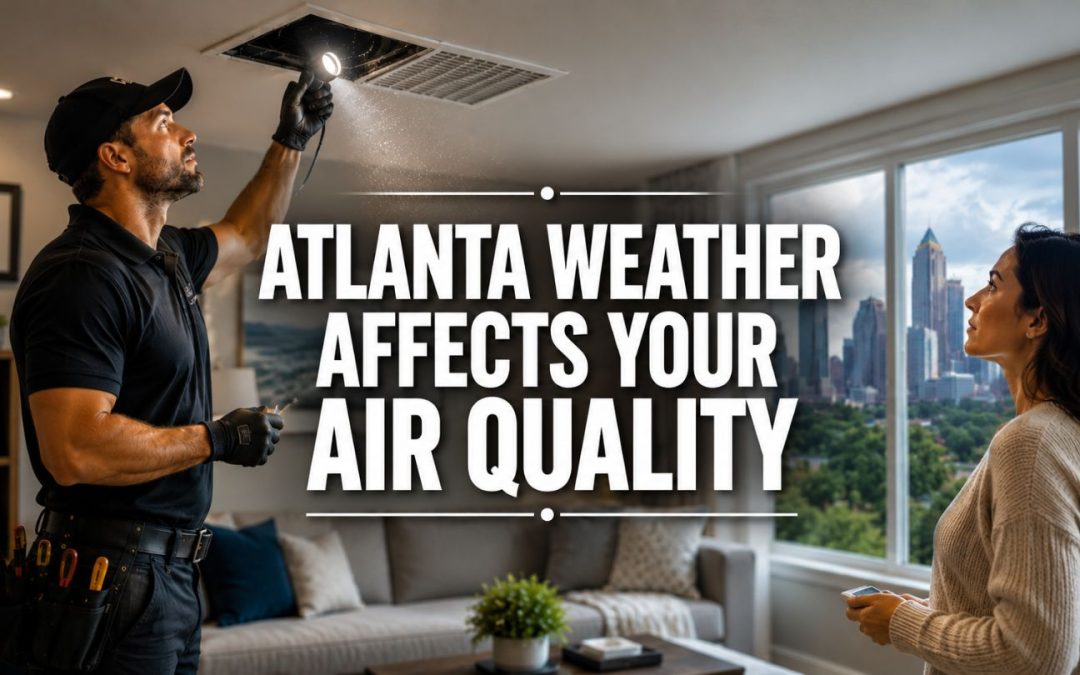
If you’ve noticed your allergies flaring up every time the seasons shift in Atlanta, your air ducts may be the culprit. Atlanta’s seasonal weather changes affect your air ducts and indoor air quality in ways many homeowners don’t realize until respiratory issues, musty odors, or skyrocketing energy bills force them to pay attention. Our humid subtropical climate creates a perfect storm of temperature swings, humidity fluctuations, and allergen infiltration that steadily degrades your ductwork and the air inside your home. This blog covers exactly how Atlanta’s distinct seasonal patterns damage air ducts, compromise indoor air quality, and what professional solutions can protect your family’s respiratory health year-round.
Key Takeaways
Atlanta’s humidity swings from 30% in winter to over 60% in summer cause duct expansion and contraction damage
Spring pollen and fall allergens infiltrate damaged ductwork, circulating airborne particles throughout your home
Summer heat and high humidity promote mold growth inside air ducts and HVAC systems
Winter temperature drops worsen existing duct leaks and create condensation problems
Professional duct cleaning and sealing protect against seasonal air quality deterioration
Atlanta’s Extreme Seasonal Weather Patterns
Atlanta’s humid subtropical climate exposes homes to dramatic environmental factors year-round. Summer average highs reach 88-92°F with nighttime lows hovering in the low to mid-70s°F, while winter highs settle in the low 50s°F with lows dipping to the mid-30s°F. This wide temperature range stresses building materials, especially your air ducts, through constant thermal cycling.
Summer brings persistent high humidity, with outdoor humidity regularly exceeding 70-80% in morning hours. Indoor humidity levels in Atlanta can often exceed 60% during the summer months, creating conditions conducive to mold growth and dust mites. The EPA recommends maintaining indoor humidity levels between 30% and 50% to discourage dust mites and mold growth, but Atlanta’s climate makes this challenging without proper humidity control systems.
Atlanta regularly records some of the highest overall pollen counts in the country, with a record of 14,801 grains per cubic meter on March 29, 2025, which significantly impacts indoor air quality as pollen can infiltrate homes and circulate through HVAC systems. Tree pollen begins in late February and peaks mid-spring, while grass pollen dominates May through early summer. Weed and ragweed pollen extend the allergy season from late July through October. Atlanta experiences a prolonged pollen season from late February through October, with tree pollen peaking in spring and grass pollen dominating in summer, making allergen management crucial for homeowners.
Winter to Spring Transition Challenges
The winter-to-spring transition from February through April creates the most dramatic weather conditions for Atlanta homeowners. Daily temperature swings can leap from near-freezing nights to mid-60s or warmer afternoons within hours. Many homeowners still use their heating system at night, then switch to air conditioning by afternoon, a pattern that severely stresses duct seals and connections.
Heavy pollen loads begin arriving in late February, when tree species such as oak, pine, birch, maple, and sweet gum release massive amounts of pollen. Combined with increased spring rainfall averaging 4-5 inches per month in March, humidity spikes create ideal conditions for mold spores to proliferate. These environmental factors combine to assault your ductwork precisely when your HVAC system cycles between heating and cooling modes.
How Seasonal Weather Changes Damage Your Air Ducts
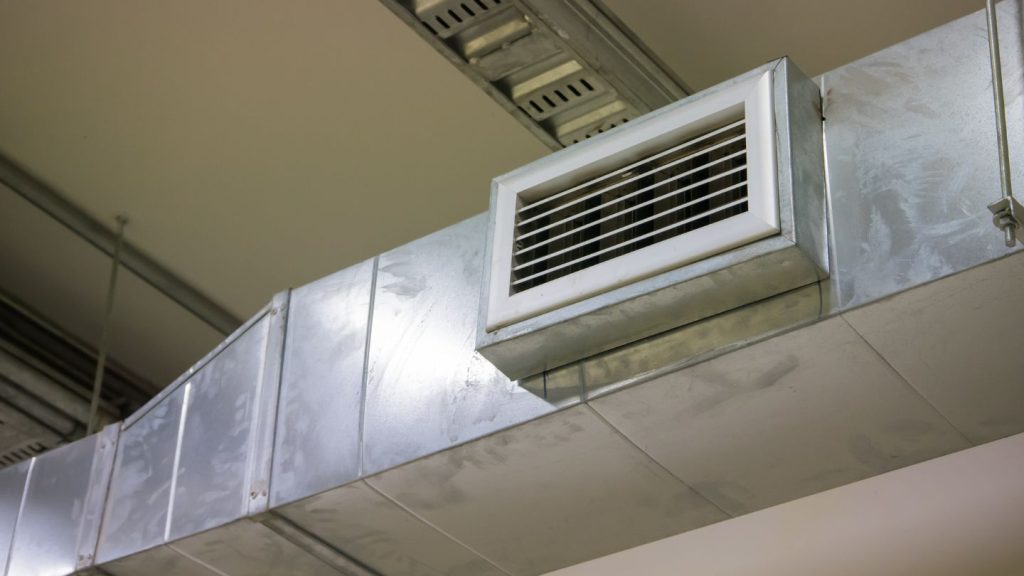
Metal ductwork expands and contracts with temperature changes, and Atlanta’s dramatic seasonal swings accelerate this process. When warm spring temperatures meet cold air from nighttime heating, duct materials undergo repeated stress cycles. Over time, joints, seams, and connections loosen, creating gaps that allow unconditioned air, allergens, and moisture to infiltrate your duct system.
Humidity fluctuations create condensation problems inside and outside ducts. During winter, ducts passing through unconditioned attics or crawlspaces become cold surfaces where warm, humid indoor air condenses, a phenomenon called “duct sweat.” In summer, cold air flowing through ducts, surrounded by humid attic air, can create similar condensation issues. This moisture-control problem leads to insulation degradation, reducing the R-value when wet and further compromising system performance.
Atlanta receives approximately 50-52 inches of precipitation annually, with summer afternoon thunderstorms contributing heavily. Severe weather conditions can damage attic venting or ductwork through water intrusion, hail impact, or high winds. These events accelerate existing damage and create new entry points for moisture and contaminants.
Common Mistakes Homeowners Make
Many Atlanta homeowners compound seasonal duct damage through well-intentioned but ineffective actions:
Ignoring musty odors that indicate mold growth and moisture problems in ductwork
Failing to change air filters more frequently during high pollen counts and pollen season
Not scheduling professional inspection after severe weather events or noticeable air quality changes
Attempting DIY attempts at duct repairs using improper sealants that degrade faster under seasonal stress
Overlooking attic and crawlspace duct insulation that may be compressed, water-damaged, or insufficient
Waiting until poor air quality becomes severe before addressing early warning signs. Indoor Air Quality Consequences of Compromised Ducts
Damaged air ducts allow outdoor allergens and airborne contaminants to bypass your filtration system entirely. When leaks occur in return ducts or around unsealed plenum joints, your HVAC system pulls contaminated air from attics, crawl spaces, and wall cavities directly into your living spaces. During peak pollen season, this means constant circulation of tree, grass, and weed pollens, even with windows closed.
During winter, homes are sealed tightly to retain heat, which can trap indoor pollutants and lead to a buildup of contaminants like dust, mold spores, and pet dander, negatively affecting indoor air quality. Biological contaminants accumulate when fresh air circulation decreases, and compromised ducts worsen this by circulating dust mites, mold growth, and other particles throughout your home.
Mold can grow in homes year-round, but it thrives particularly in warm, humid conditions, which are prevalent during Atlanta’s summer months. Indoor humidity above 60% creates favorable conditions for mold growth, and Atlanta’s climate often leads to levels exceeding this threshold during the summer. Mold spores can be distributed throughout a home via HVAC systems, especially if mold is present in the air handler, evaporator coil, or drain pan. This distribution mechanism turns localized mold problems into whole-house indoor-air-quality issues.
The health consequences affect everyone, but hit allergy sufferers hardest. Persistent allergy symptoms, respiratory health problems, asthma exacerbation, and general discomfort often trace back to poor indoor air quality from compromised ductwork. Many homeowners report condensation on windows and musty smells during or after heater use, signals that moisture accumulation and microbial growth are affecting their home’s air quality.
Energy efficiency suffers as well. Leaky ducts force your system to work harder to maintain temperature, leading to longer run times, higher utility bills, and accelerated component wear. A dirty filter combined with duct leaks can restrict airflow so severely that your air conditioner or heating system works overtime while still failing to maintain comfort.
Professional Solutions for Year-Round Air Quality Protection
Comprehensive professional duct cleaning removes accumulated dust, pollen, mold spores, and debris that regular maintenance cannot address. Professional duct cleaning goes beyond surface cleaning to address contaminants in duct bends, plenums, and filter backs where biological contaminants accumulate during high-allergen periods.
Proper duct sealing and insulation form the foundation of long-term air quality protection in Atlanta’s demanding climate. Professional sealing with mastic or UL-approved tapes addresses gaps and loose connections, while adequate insulation with vapor barriers prevents condensation that can lead to mold growth and insulation degradation. A well-maintained HVAC system with properly sealed ducts maintains consistent humidity control and prevents the moisture infiltration that plagues humid climates.
Using high-efficiency particulate air (HEPA) filters in HVAC systems can significantly reduce airborne allergens, capturing at least 99.97% of particles, including pollen and pet dander. Upgrading from standard filters to HEPA filters or high-MERV rated alternatives (MERV-11 to MERV-13) dramatically reduces indoor allergens. For Atlanta homeowners with severe allergies, whole-house air purification and UV sanitization systems provide additional protection against mold spores and airborne particles.
To effectively manage allergens like pollen and dust mites, homeowners should maintain indoor humidity levels between 30% and 50%, as higher humidity encourages dust mite populations and mold growth. A whole-home dehumidifier can help maintain optimal humidity year-round, especially in humid climates like Atlanta’s, where air conditioning alone may not be enough. Proper exhaust fans in bathrooms and kitchens complement these systems by removing excess moisture at the source.
HVAC systems in Georgia run an average of 2,800 hours annually, significantly more than in milder climates, making regular maintenance crucial to prevent breakdowns and maintain air quality. Seasonal maintenance checks can identify worn parts or minor issues before they escalate into costly repairs, helping to keep HVAC systems running efficiently throughout the year. Regular maintenance of HVAC systems is essential to ensure they operate efficiently, especially during seasonal transitions when temperature fluctuations can stress the system.
Preventive maintenance schedules tailored to Atlanta’s seasonal challenges typically include late-winter inspections before pollen season, mid-summer checks of the condensate drain line and moisture issues, and fall assessments before cooler temperatures arrive.
Final Thoughts
From heavy spring pollen and summer humidity to winter temperature fluctuations, these seasonal changes can contribute to moisture buildup, airborne contaminants, duct damage, and reduced HVAC efficiency. Taking proactive steps to maintain clean ductwork and a properly protected indoor environment can help support healthier air quality, improved comfort, and long-term system performance.
At Mold-B-Gone, we provide professional duct cleaning in Atlanta along with expert mold remediation, crawlspace encapsulation, whole-house room sanitizing, and water damage flood restoration services to help homeowners maintain cleaner, healthier indoor environments year-round. Our experienced team understands Atlanta’s unique climate challenges and delivers reliable solutions that reduce airborne contaminants, control moisture, and keep your home safe and comfortable year-round. Contact us today to schedule your professional indoor air quality service.
Frequently Asked Questions
How often should Atlanta homeowners have their air ducts professionally cleaned?
Atlanta homeowners should schedule professional duct cleaning every 2-3 years under normal conditions, but annually if household members suffer from persistent allergy symptoms or respiratory issues. Given Atlanta’s extended pollen season and high humidity, scheduling cleaning in late winter, before high pollen counts arrive, provides the best protection for the upcoming allergy season.
What are the signs that seasonal weather has damaged my air ducts?
Early warning signs include musty odors when your HVAC system runs, uneven temperatures between rooms, increased dust accumulation on surfaces, and worsening allergy symptoms despite closed windows. Visible condensation on windows, unusually high energy bills, and hearing whistling or rattling from vents also indicate compromised ductwork that needs a professional inspection.
Can damaged air ducts lead to mold growth in my home?
Yes, damaged air ducts frequently lead to mold growth in Atlanta’s climate. Moisture infiltration through gaps and cracks, combined with condensation from humidity differentials, creates ideal conditions for mold colonies. Mold spores can be distributed throughout a home via HVAC systems, turning small problems into whole-house contamination. Indoor humidity levels above 60%, common during Atlanta summers, accelerate this growth.
The hidden risks of delaying professional mold removal in Atlanta homes extend far beyond what most homeowners anticipate. Atlanta’s humid subtropical climate, where relative humidity routinely exceeds 65% and morning levels often hit 90%, creates ideal conditions for rapid mold growth. Unlike homeowners in drier regions who may have weeks to respond, Atlanta residents face a condensed timeline where mold issues escalate from minor inconvenience to major health and financial crisis within days, not months.
This blog reveals the time-sensitive consequences of postponing professional intervention, from the compounding health risks your family faces to the exponential cost increases that catch delayed homeowners off guard.
Key Takeaways
Atlanta’s year-round warmth and humidity accelerate mold growth dramatically, with mold spores beginning colonization within 24-48 hours of moisture exposure
Health complications from mold exposure compound weekly, progressing from allergic reactions to chronic respiratory conditions and neurological problems
Structural damage costs typically triple within 30-60 days as hidden mold spreads through walls, HVAC systems, and building materials
Insurance companies frequently deny claims when professional mold remediation is delayed, citing negligence or gradual damage exclusions
Vulnerable populations, children, the elderly, and those with weakened immune systems, face serious health risks that may become irreversible with prolonged exposure
Escalating Health Risks Over Time
The most significant dangers of delaying mold remediation involve the progressive health complications that develop with continued mold exposure. Unlike acute illnesses that present immediately, mold-related health issues build systematically, making early symptoms easy to dismiss while underlying damage accumulates.
When mold growth begins in your Atlanta home, it releases mold spores into your indoor environment continuously. These microscopic particles trigger allergies, cause respiratory problems, and deliver mycotoxins, toxic compounds produced by certain mold species like Stachybotrys and Aspergillus, directly into your respiratory system. The longer you delay professional mold removal, the higher the concentration of these toxins in your home’s air and in your body.
During the first week of exposure, you might experience mild symptoms: nasal congestion, eye irritation, sneezing, or a persistent cough. These early signs often mimic seasonal allergies, leading many Atlanta homeowners to dismiss them. However, within two to four weeks of continued exposure, symptoms typically intensify. Sinus infections develop, fatigue becomes constant, and those with pre-existing respiratory conditions experience severe asthma attacks.
The most concerning development occurs with prolonged exposure beyond one month. Research indicates that mycotoxin accumulation can cross the blood-brain barrier, potentially causing neurological problems, including cognitive impairment, memory difficulties, mood disorders, and persistent headaches and migraines. These health risks associated with delayed remediation may persist even after mold removal if exposure continues too long.
The timeline for permanent respiratory damage follows a predictable and alarming pattern. Within the first few weeks of mold exposure, the lungs begin responding to constant irritation. Airway inflammation becomes chronic, and in sensitive individuals, this triggers airway remodeling, permanent structural changes to lung tissue that reduce breathing capacity.
Atlanta’s humid air amplifies these respiratory complications significantly. Because Georgia rarely experiences extended dry periods, mold remains active year-round. There’s no natural “reset” period where reduced humidity slows mold development and gives your respiratory system time to recover. Instead, moisture accumulates continuously, mold colonization expands, and your lungs face unrelenting exposure.
After one to three months without professional intervention, chronic bronchitis often develops. Lung function measurably declines. For children, elderly residents, and those with compromised immune systems, this timeline compresses further. Secondary lung infections become more likely as the immune system struggles to fight constant fungal exposure while simultaneously defending against bacteria and viruses thriving in Atlanta’s warm, moist environment.
Perhaps most critically, much of this respiratory damage becomes irreversible once it progresses past certain thresholds. Early professional mold remediation services can prevent these outcomes entirely and deliver substantial health benefits from thorough mold remediation, but delaying remediation beyond a few weeks dramatically increases the likelihood of permanent health complications.
Compounding Property and Structural Damage
While health risks demand immediate attention, the property damage from delayed mold removal creates equally serious consequences. Mold doesn’t remain static; it spreads aggressively, particularly in Atlanta’s moisture-rich environment, where indoor humidity levels frequently exceed the 60% threshold that sustains active growth.
One of the most costly mistakes is allowing mold contamination to reach your HVAC systems. Without professional containment during remediation, mold spores travel through ductwork and distribute throughout your entire home every time the system cycles. What started as hidden mold behind a bathroom wall can colonize bedrooms, living spaces, and attic areas within weeks. Professional remediation becomes exponentially more complex once contaminated materials span multiple rooms.
Structural damage progresses on a parallel timeline. Wood maintains healthy structural integrity when its moisture content stays below 20%. In Atlanta homes, particularly older properties with wood frame construction, crawlspaces, and limited moisture barriers, this threshold is frequently exceeded during humid seasons. Within weeks, wood rot begins. Load-bearing studs, floor joists, and roof sheathing soften. The structural damage isn’t visible initially; it develops behind walls and beneath floors where excessive moisture lingers undetected.
By 60-90 days of delay, significant structural damage often requires the complete replacement of framing members rather than surface treatment. Drywall and insulation become so thoroughly contaminated that removal and disposal are the only options. The mold remediation process at this stage involves extensive demolition, structural reconstruction, and comprehensive HVAC cleaning, transforming a manageable problem into a major home renovation.
Common Mistakes Homeowners Make When Delaying
Understanding why homeowners delay helps illustrate how quickly manageable situations become catastrophic. The most frequent mistake involves DIY attempts using bleach or store-bought fungicides. These products address only visible mold growth on surfaces while mold spores and root structures remain embedded in porous building materials like drywall, insulation, and wood. Worse, improper cleaning techniques actually spread mold spores throughout the home, accelerating contamination.
Many Atlanta homeowners postpone professional remediation, waiting for the “dry season” to arrive. Unfortunately, Atlanta’s humid climate rarely provides adequate relief. Even during drier winter months, indoor humidity often remains above 60%, sufficient for continued mold growth. This waiting strategy allows months of further damage while providing no actual advantage.
Ignoring musty odors represents another critical error. That distinctive smell indicates active mold colonization, often behind walls or inside HVAC systems where visible mold isn’t apparent. Assuming odors will dissipate naturally or masking them with air fresheners allows hidden mold to spread unchecked through your home’s infrastructure.
Finally, perceived cost barriers cause many homeowners to postpone professional mold remediation services. The irony is significant: early-stage mold removal costs in Atlanta typically range from $1,500-$4,500 for moderate jobs. Delaying even 30-60 days can triple these costs as the scope expands from a single room to whole-house remediation requiring structural repairs.
The Importance of Professional Mold Remediation Services
Professional mold remediation is essential to effectively eliminate mold growth and prevent mold recurrence in Atlanta homes. Experts use specialized equipment such as moisture meters, infrared cameras, and HEPA vacuums to detect mold hidden behind walls, under flooring, and inside HVAC systems. This thorough inspection ensures all affected areas are identified and treated. During remediation, containment measures like physical barriers and negative air pressure prevent mold spores from spreading to uncontaminated parts of the home. Professionals also apply antimicrobial treatments to eliminate mold colonies and prevent future growth. Attempting DIY mold removal often fails to address the root causes and can exacerbate mold damage and health risks. By hiring certified mold remediation specialists and knowing the right questions to ask during a mold inspection, homeowners can protect their families from potential health risks, avoid costly repairs, and ensure proper ventilation and moisture control measures are implemented to prevent mold spores from thriving again.
Protect Your Home Before Mold Spreads
Delaying professional mold removal can lead to worsening contamination, structural damage, and serious indoor air quality concerns. In Atlanta’s humid climate, mold spreads quickly and embeds deeply into surfaces, making timely intervention essential. Acting early helps protect your home, reduce health risks, and prevent costly repairs in the long run.
How quickly does mold spread in Atlanta homes after initial detection?
Mold growth can begin within 24-48 hours of moisture exposure in Atlanta’s humid environment. By day three to seven, visible mold often appears and spreads to porous materials, including drywall, carpet, and insulation. Within two weeks, mold spores typically contaminate HVAC systems and spread to adjacent rooms. Atlanta’s year-round humidity above 60% means there’s rarely a natural pause in this progression; mold remains active continuously until professional remediation eliminates moisture sources and removes contaminated materials.
What health symptoms indicate I’ve waited too long for professional mold removal?
Escalating symptoms signal prolonged exposure requiring both professional mold removal and medical attention. Early symptoms include persistent congestion, sneezing, and eye irritation. Warning signs of advanced exposure include chronic cough or wheezing, recurring sinus infections, unexplained fatigue, persistent headaches, skin rashes, difficulty concentrating, and memory issues. If family members with compromised immune systems or existing respiratory conditions experience worsening symptoms, seek medical evaluation and schedule immediate mold inspection.
What areas of Atlanta homes are most vulnerable during delayed mold removal?
Crawlspaces represent the highest-risk area, as poor ventilation, soil moisture, and limited waterproofing create ideal conditions for mold and wood rot affecting floor joists. HVAC systems spread contamination throughout homes when mold isn’t professionally contained. Bathrooms without adequate exhaust fans accumulate moisture behind walls and under vanities. Attics with roof leaks or inadequate ventilation develop mold in insulation and rafters. Basements and ground-floor areas in older Atlanta homes frequently experience water accumulation and seepage that sustains continuous mold development.
Can delaying mold remediation affect my homeowners’ insurance claim?
Yes. Many insurance policies exclude coverage for mold damage resulting from negligence or delayed maintenance. If mold remediation is postponed, insurance companies may deny claims, citing gradual damage or failure to act promptly. Timely professional mold removal and documentation of repairs improve the likelihood of claim approval and reduce out-of-pocket expenses.
What preventive measures can I take to avoid mold growth in my Atlanta home?
To prevent mold growth, control moisture intrusion by promptly fixing plumbing leaks and ensuring proper ventilation in moisture-prone areas like bathrooms and kitchens. Use exhaust fans to expel humid air, maintain indoor humidity levels between 30-50%, and regularly inspect for wet surfaces or signs of water damage. Implementing these preventive measures reduces mold risk and protects your home from extensive damage.