by Eric Brown | May 6, 2016 | Air Conditioning, Attic Mold, Basement Mold, Beware Of Mold When Buying A Home, Bleach and Mold, Can Black Mold Poison You?, Can Mold Kill?, Chronic Inflammatory Response Syndrome (CIRS), Crawlspace Mold, Dead Mold Spores, Flood Clean Up, Health, How Toxic Is Mold?, Indoor Air Quality, Killing Mold, Mold Facts, Mold Information, Mold Inspection, Mold Remediation, Mold Removal, Questions and Answers
Atlanta Mold Testing, Mold Remediation and Mold Recovery Experts!
Atlanta Mold Testing, Mold Remediation and Mold Recovery Experts!
Got a mold concern, call 678-697-6267.
Water is a vital necessity for life, but when it becomes uncontrolled, it can cause devastation. Whether your property has been damaged by a torrential downpour, a triggered sprinkler system or busted pipes, Mold B Gone can help.
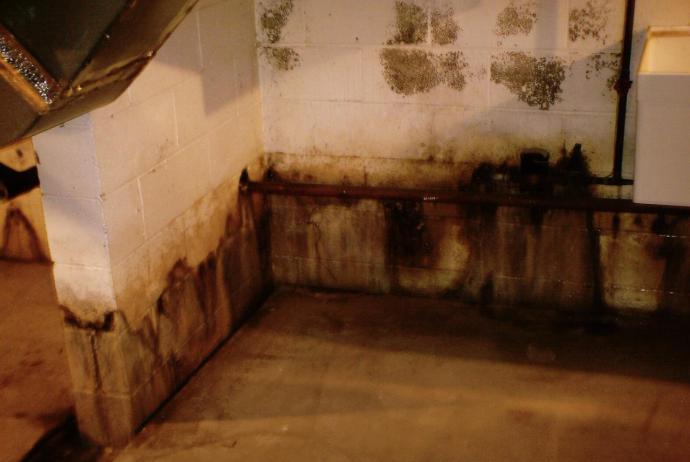
Water can cause much more serious damage than just getting things a little soggy. In many cases the damage to the structure is not confined to just the water line. The drywall, wood, and even concrete used in many structures can act as a sponge which will then cause the water damage to extend much higher and deeper into the structure. Also mold growth can happen after a period of time and often will appear long after the water damage.
Mold comes from excessive moisture or water accumulation indoors. While it is impossible to eliminate all molds and mold spores, controlling moisture can control indoor mold growth.
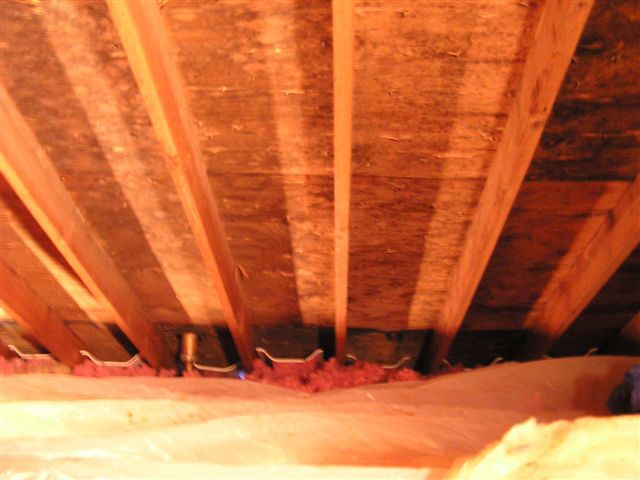
All molds share the characteristic of being able to grow without sunlight. Mold only needs a viable seed (spore), a nutrient source, moisture, and the right temperature to proliferate. This explains why mold infestation is often found in damp, dark, hidden spaces. If left unchecked, molds gradually damage building materials and furnishings. Eventually mold can cause structural damage to a wood framed building, weakening floors and walls as it feeds on moist wooden structural members. This is a particular concern if you have mold growing in your crawl space.
The purpose of mold remediation is to correct the moisture problem and to remove moldy and contaminated materials to prevent human exposure that can impact health and further damage to building materials and furnishings.
Atlanta Mold Testing, Mold Remediation and Mold Recovery Professionals!
Mold Recovery: Four Steps
If you think you have mold, you should take these important steps now to prevent more damage to your home or business and more importantly, avoid health problems.
- Call us to discuss your mold issue. At that time we can perform a mold inspection and if required, test the indoor air quality to determine the spore count and mold species.
- If swab, tape, or indoor air quality tests are done, these will be sent to an accredited third party lab for the results. This report is used to scope the job for cleaning and repairs. Our Mitigation Project Manager will then discuss the cleaning process with you.
- Once the area is has been mitigated, a Third Party air quality consultant will do a second air test to be sure that the air in your home or business will not promote further mold growth. Please note, some customers prefer the Third Party air quality consultant to do both the pre and post testing which we can arrange for you.
- If your home was damaged by an insurable water emergency, like a flood or sewer backup, and your property needs reconstruction, our Project Manager will refer you to a reconstruction contractor we work with to survey the damage and discuss in detail your options and steps for rebuilding. If the mold is found in your basement, we offer a basement build out service as well. If your home experienced a sewer backup, we also can sanitize your home for you as well. Once you select us to perform the reconstruction work, we will require your authorization to work with your insurance company. We will then submit the estimate to your insurance company and work with them to reach an agreement on the cost to complete the repairs. We work for you and our goal is to get your home or business back to its pre-loss condition as quickly as possible. When the work is completed you will be asked to sign a Certificate of Satisfaction stating that you are satisfied with the restoration. This will be submitted to the insurance carrier for release of the final payment.
Got Mold Concerns?
Call Mold B Gone, 678-697-6267 or send us an e-mail. We are Atlanta’s leading certified experts for mold testing and mold remediation. With over two decades of experience and thousands of successful homes, you can trust us to take care of any mold remediation problem that you may have with the utmost care for you and your home.
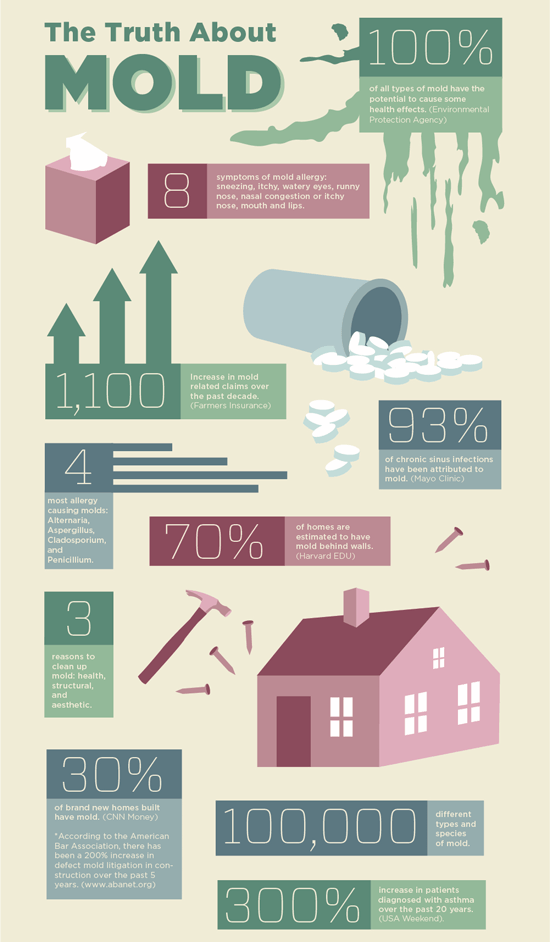
Mold Summary Infographic

Atlanta, Georgia Mold Summary Infographic!
by Eric Brown | Apr 15, 2016 | Air Conditioning, Attic Mold, Basement Mold, Beware Of Mold When Buying A Home, Bleach and Mold, Can Black Mold Poison You?, Can Mold Kill?, Christmas Tree Mold, Chronic Inflammatory Response Syndrome (CIRS), Crawlspace Mold, Dead Mold Spores, Flood Clean Up, Health, How Toxic Is Mold?, Indoor Air Quality, Killing Mold, Mold and Asthma, Mold and Depression, Mold and Infants, Mold and Multiple Sclerosis, Mold and Parkinson's Disease, Mold and Pregnant Women, Mold and Sids, Mold and Sinusitis, Mold Facts, Mold In Apartment, Mold In The Bible, Mold Information, Mold Inspection, Mold Remediation, Mold Removal, Mold Removal Cost, Mold Risk During Renovation, Mold Sensitized Success Story, Questions and Answers, Sewer Backup, Sippy Cup Mold, Stachybotrys Black Mold, Top 15 Mold Prevention Tips, Toxic Mold, Water Damage Restoration
The Ultimate Mold Education Resource

The Ultimate Mold Education Resource
The goal of Mold B Gone is to educate our customers about mold. We strongly believe that an educated and informed consumer can make better decisions when they have concerns about mold.
Included in this article are 36 links to articles that will help you learn about mold.
Please bookmark this page because we will update it with new articles as they are researched and published.
If you have questions about mold removal, crawl space mold removal and encapsulation, other services we offer, and/or our 1 year up to 25 year guarantee, call us, 678-697-6267, or send us an e-mail. We look forward to serving you. 🙂
Mold Facts and Information (7 Articles)

Mold Facts and Information (7 Articles)
Priests were the equivalent of today’s mold inspectors. This article lists the three passages cited in Leviticus. Learn more!
Mold Fact 1: The Key Ingredient Mold Needs To Thrive Is Moisture. There are 9 more mold facts explained in this article. What do you think they are?
Top 4 Reasons Mold Grows In Your Attic! The purpose of this article is to explain why mold grows in your attic and prevention tips.
Top 3 Reasons Your Crawlspace Has High Humidity. This article explains why your crawlspace is humid, why this leads to mold and how you can fix the problem!
Steps Residents Can Take If They Have Mold In Their Apartment! This article explains what you can do if you find mold in your apartment. Learn more!
Top 10 Reasons Mold Is Scary!
Here are the top 10 reasons we believe that mold is scary. Enjoy!
This article provides you with information to help you determine if you have a mold problem and explains what you should and should not do if you do find mold.
Black Mold (2 Articles)
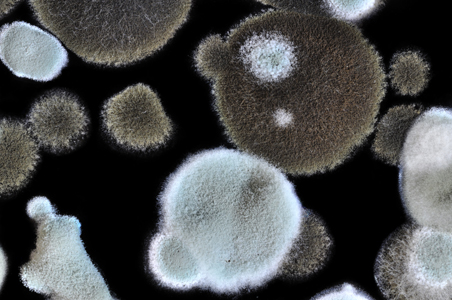
Black Mold (2 Articles)
Recently a news article featured a woman who believes that she was poisoned by toxic black stachybotrys mold. This article explores this topic further!
Stachybotrys is considered the king of molds because exposure to this toxic black mold causes 15 serious health conditions. Learn more!
Mold and Health (13 Articles)

Mold and Health (13 Articles)
Wondering if you are sensitive to mold? This article explains how to determine if you are mold sensitized, seeking treatment, and the next two steps to health!
This article explains why mold can be toxic, listing 10 specific health conditions. Learn more!
Potential Health Complications Mold Exposure Has On Pregnant Women and Infants! Questions answered about SIDS, asthma, miscarriage, and pulmonary hemorrhage.
This article article explains why mold grows on sippy cups, why it could make your child sick, and how you should properly clean the sippy cup!
Mold Remediation Improves Health! This article explains why, citing an interview with Jack and Helen Graham, a Mold Sensitized Success Story!
Could Some People Diagnosed With Multiple Sclerosis Actually Be Suffering From Mold Sickness? This article explains how and why. Learn more!
One in Three people get sick from their Christmas tree. This article explains why and what you can do to feel better. Learn more.
Why Do Some People Get Sick From Mold And Others Do Not? This article explains why 1 in 4 people have a genetic predisposition to mold illness.
This article explains why many suffering from CIRS are diagnosed with depression caused by mold. Both scientific and anectodal data are cited. Learn more!
Does Mold Cause Parkinson’s Disease? The purpose of this article is to explain why and how mold could be a possible cause of Parkinson’s Disease.
Top 3 Reasons Mold Sickness Is A Hidden Epidemic! You could be sick from mold and not even know it. This article explains why mold is a hidden epidemic!
37 million Americans suffer from sinusitis. Cause? This article lists the top 10 stats and facts citing MAYO clinic research that believes mold is the cause!
According to the CDC, rates of asthma among children in Georgia is 3% above the national average. Is mold a factor? This article cites stats and research!
Water Damage and Mold (4 Articles)
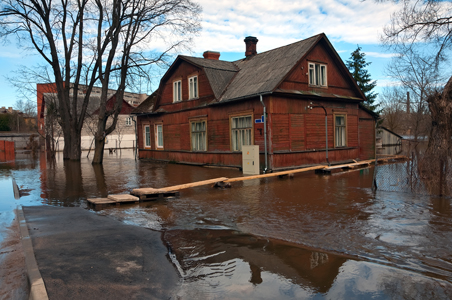
Water Damage and Mold (4 Articles)
Concerned about sewer backups? This article explains what causes sewers to backup and how you can prevent this from happening. Learn more!
Flood and water damage not only disrupts your life but can also be hazardous to your health! This article explains the top 3 hazards and prevention measures!
A flooded home or business is always a stressful situation. This blog provides you with the 3 steps required to reduce flood damage and most importantly, mold!
Water damage restoration restores a property to pre-loss condition after a flood. Check out the top 3 facts. Hint: Mold is not the only concern.
Mold Inspection and Prevention (7 Articles)

Mold Inspection and Prevention (7 Articles)
Mold growth can be prevented. This article list the top 15 mold prevention tips, to help you live in a mold free home.
Top 3 Reasons A Mold Inspection Is Essential! This article explains why you should submit an offer to purchase, subject to a home AND mold inspection!
Home improvement is an American tradition. But, did you know that 6 out of 10 homes could have mold? Renovating can cause serious problems. Learn more!
If you are concerned about mold in your basement or your basement was recently flooded, implement these 10 tips to prevent mold growth. Learn more!
If you or someone in your family suffers more frequently from colds or flus and you are not sure why, the cause could be poor indoor air quality. Learn more!
The purpose of this article is to explain how you air conditioner could be a source of mold contamination making you sick and what you can do to fix it.
Wonder what happens during a mold inspection? This article answers all your questions, listing the top 4 actions taken by reputable inspectors.
Mold Removal (3 Articles)
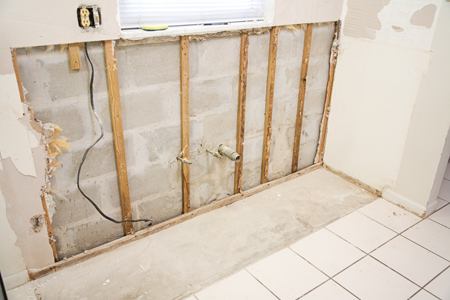
Mold Removal (3 Articles)
Have a mold concern, wondering what it will cost to remove? This article provides you with a detailed explanation of how mold removal cost is determined!
Mold sprays, bleach, biocides, and fungicides are an ineffective “short cut” to mold removal. Killing mold is not the answer! This article explains why.
Mold Removal Is Referred To As Mold Remediation Because Professionals Follow These 8 Steps. This article explains the steps and why you need to hire a pro!

by Eric Brown | Feb 12, 2016 | Air Conditioning, Beware Of Mold When Buying A Home, Can Black Mold Poison You?, Can Mold Kill?, Crawlspace Mold, Health, Indoor Air Quality, Mold Facts, Mold Information, Mold Inspection, Mold Remediation, Mold Removal, Mold Removal Cost, Mold Sensitized Success Story, Questions and Answers, Stachybotrys Black Mold, Toxic Mold
Interview With Jack and Helen Graham: Mold Sensitized Success Story

Interview With Jack and Helen Graham: Mold Sensitized Success Story
For the past four years, I suffered from upper and lower digestive issues, extreme fatigue, and weakness. I was diagnosed with the lethal condition, idiopathic pulmonary fibrosis (unknown cause, hence no treatment). Later it was determined that the fibrosis was caused by acid reflux, which is treatable. I began to have difficulty breathing, which made me question the quality of our indoor air. The link between my health problems, poor indoor air quality and mold seems to be confirmed by the fact that when the house was retrofitted with new equipment and extensively cleaned my symptoms have largely been alleviated. Medical tests have shown improvement in my breathing and improved lung health. (Helen Graham)
The whole purpose of the Remediation for Sensitized Individuals course is to help sensitized individuals live healthier and better lives.
Johnny Wells, owner of Mold-B-Gone, invested in the training from Wonder Makers Environmental so that he can offer a higher level of service and expertise to individuals suffering from mold related illnesses. Johnny also works with Stephen Andrews of HealthyAirUSA, another graduate of the course. Together, they are serving the needs of mold sensitized individuals in Atlanta, Georgia and surrounding areas.
Below is an interview with Jack and Helen Graham, who hired Mold-B-Gone and HealthyAirUSA, to investigate the indoor air quality of their home and most importantly remediate the mold and make sure that the indoor air quality contributed to their health and well-being.
1. When was mold identified as the cause of your sickness?
17 years ago we moved into our 2800 square foot three story dream home, which was approximately 30 years old. We are very fastidious with the cleaning and maintenance of the home.
Within two years of moving in, we began to find leaking issues with sewer pipes and other pipes in the home. In addition to fixing these issues, over the years we also installed a new roof, flooring, chimney, outside exterior, windows, and doors. We even hired a restoration company to remediate some mold and dry out other areas in the home.
Despite our efforts to fix moisture issues and remediate mold, Helen’s health continued to deteriorate.
In Helen’s words:
“For the past four years, I suffered from upper and lower digestive issues, extreme fatigue, and weakness. I was diagnosed with the lethal condition, idiopathic pulmonary fibrosis (unknown cause, hence no treatment). Later it was determined that the fibrosis was caused by acid reflux. I began to have difficulty breathing, which made me question the quality of our indoor air.”
2. What caused the mold in your house?
The mold was not obvious. We had noticed there was more dust on our furniture, though we were keeping our furniture and interior surfaces very clean.
When the Mold-B-Gone specialists inspected our home they used high intensity lights shown at an angle and on nearly every surface there were tiny specks of white mold spores.
What we learned is that in any home here in the South where the humidity is almost always above 70% and where homes are air-conditioned, mold invariably exists, no matter how much one cleans. This is even more prevalent in older homes.
3. What remediation contractor did you use?
“After 71 years of health and physically energetic living, I experienced fatigue, shortness of breath, and bodily pains. A colleague I worked with 7 years ago was so sick and weak she had to crawl up her home stairs. After seeing her early this year, she was energetic, enjoying her career and family, and looked wonderful. We had switched places: she was healed, and I was quite sick. Her thriving health seemed miraculous, so I asked her how she became well.”
Initially we had another mold removal specialist do an inspection of our home. He took pictures inside the ducts and above the drop-down ceiling and wanted to remove all the ducts and air flow systems. The estimated cost was $59,000 and the time for completion was two months.
The price, time, and other factors seemed high. We felt scare tactics were employed hearing twice the unacceptable statement, “I am sure you want your wife to live, don’t you?” Both of us decided not to hire that company.
Helen’s condition continued to worsen. Luckily, one of Helen’s colleagues, who had chronic debilitating effects from mold, recommended HealthyAirUSA and Mold-B-Gone.
After their work was complete, her health improved dramatically.
Specifically, we hired them for three key reasons.
First, their assessment of the problems was thorough and very professional. They used specialized equipment to measure humidity and moisture levels in each area of the home.
Second, they educated us on the different types of mold and fungi and explained how they would resolve the problem. There is no shame in having home mold. We always thought homes get mold if they are not cleaned properly, so we have been conscientious about maintaining the cleanliness of our home.
Finally, the cost was reasonable. The total cost for remediation, including new equipment not proposed by the first remediator, was $22,000, and it would only take 6 to 8 days!
4. How long did it take for the work to be completed?
We were impressed by the persons in the crew, and enjoyed their professionalism, competence and respect for our home. We enjoyed being with them in the mornings before we left for work.
The work was finished in 8 days, as they predicted. They worked Wednesday, Thursday, and Friday to overhaul all the air flow systems and returned the next Monday for 5 days to clean every object in the home. We had the weekend to ourselves, which seemed miraculous to us!
They explained in advance exactly what was going to happen and did not miss a beat in holding to their schedule.
They completed the job exactly as they said they would. We were introduced to every person who came into our home, and given a full appraisal of their experience.
At the end of the job they checked the air quality in every room to ensure that the fungal ecology was at healthy levels.
5. What difference do you think it made working with a mold sensitized trained contractor?
Both of us noticed the effects of clean air immediately.
It made all the difference in the world to have a mold-sensitized trained contractor!
They knew what needed to be done. Both mold remediation, as well as the machinery and air circulation that were needed to cleanse the air and keep humidity at 40%, so mold could not be present.
They said that the air quality in the Master Bedroom was “surgical room quality.”
The air just seems “pure,” “fresh,” “hygienic,” “blue—if that is an image of cleanliness.”
We still have our house cleaned every two weeks, but the accumulation of dust is a tenth of what it was.
Perhaps the sense of the air quality is physiological, perhaps it is psychological, but Helen feels her breathing and energy are much better. I (Jack) have always grown up in old musty-smelling houses, but now that we have become educated about the harmful effects of mold, we are most grateful for the quality of this home improvement, and for the trust that we have experienced in the people who did this work.
6. What were the main steps/processes involved in the remediation?
After we made the decision to get the work done, we met with Johnny of Mold-B-Gone and Stephen of HealthyAirUSA as soon as possible. They told us that it would take 6-8 days and were very clear about what would happen on each day. We had assumed we would have to move out while the work was being done, yet they said that would not be necessary…what superb news!
With respect to specific steps, this is what they did.
They brought in a top tier duct cleaning service using 10,000 lbs of suction pressure. Then the edges of every duct opening where it meets the ceiling, were sealed. A large HEPA Air Cleaning system was added above the Master Bedroom. Then a large dehumidifier was added to dry out the entire house and keep the humidity of the house at a constant 47 percent, a level where no mold can grow and yet the wood does not dry and crack. The ceiling tiles in the lower level were all removed and cleaned on both sides and re-installed, the wood joists and all surfaces were coated with a mold preventative.
Once this step was completed, Mold-B-Gone brought in their team of five technicians who did a basement to roof cleaning of every surface and object, wiping every surface with a mold prevention cleaner developed by Johnny Wells. They were meticulous, cleaning every lamp, every object, every picture, every piece of furniture turned upside down, every drawer removed, emptied, cleaned, the contents cleaned, every one of about 3000 books individually cleaned. They took particular interest and care in cleaning about 60 antiquity objects dating from 5000 BCE to about 850 CE. This process took five days and they cleaned 12 rooms, including the garage.
For added “peace of mind”, there was a site supervisor that ensured that each step documented for us was followed through upon.
7. Further thoughts?
We highly recommend HealthyAirUSA and Mold-B-Gone because of the care and respect they demonstrated for the contents of home. Most importantly, they were easy to work with, friendly, and did an exceptional job.
Months after they were finished, Mold-B-Gone returned to investigate the mold on the caulking of the master shower. When Johnny and his staff supervisor, Rick, arrived it was liking seeing cherished friends. They are excellent professionals, fun and down-to-earth. They removed the contaminated caulking and re-caulked the shower and even brought ladders in to replace light bulbs in the hall entry at no extra cost.
Working with them was a marvelous experience because of their attitude, work ethic, and outstanding work. We have already referred friends and family to Mold-B-Gone and HealthyAirUSA because of their exceptional service.

We highly recommend Mold-B-Gone because of the care and respect they demonstrated for the contents of our home. Most importantly, they were easy to work with, friendly, and did an exceptional job!
Have A Mold Concern?
Call 678-697-6267 or use the form below!
[contact-form to=’sanjay@moldbgonega.com’ subject=’Mold B Gone Lead’][contact-field label=’First Name’ type=’name’ required=’1’/][contact-field label=’Last Name’ type=’name’ required=’1’/][contact-field label=’Phone’ type=’text’ required=’1’/][contact-field label=’Email’ type=’email’ required=’1’/][contact-field label=’Message’ type=’textarea’ required=’1’/][/contact-form]

by Eric Brown | Jan 12, 2016 | Air Conditioning, Basement Mold, Beware Of Mold When Buying A Home, Bleach and Mold, Can Black Mold Poison You?, Can Mold Kill?, Chronic Inflammatory Response Syndrome (CIRS), Flood Clean Up, Health, Indoor Air Quality, Killing Mold, Mold and Asthma, Mold and Depression, Mold and Multiple Sclerosis, Mold and Parkinson's Disease, Mold and Sinusitis, Mold Facts, Mold Information, Mold Inspection, Mold Remediation, Mold Removal, Mold Removal Cost, Mold Risk During Renovation, Questions and Answers, Stachybotrys Black Mold, Toxic Mold, Water Damage Restoration
Top 20 Most Shared Mold Health and Prevention Articles In Georgia
Top 20 Most Shared Mold Health and Prevention Articles In Georgia
August, 2015, marked a historic month for Mold B Gone.
We launched this website, www.moldbgonega.com, dedicated to creating mold awareness for residents of Georgia.
Listed below are the top 20 articles, listed in the order of most viewed.
If you have questions or need help, the Mold B Gone Team looks forward to serving you. Call 678-697-6267 or send us an e-mail!
We have been serving Georgia since 2009 and have built a solid reputation in the state because of our expertise and knowledge, 1 year up to 25 year guarantee, and peace of mind we offer our customers.
Twenty Most Shared Mold Health and Prevention Articles In Georgia
- Are You Sick From Mold Because Of Your Genes?
- Top 10 Facts About Mold
- 7 Places Mold Hides In Your Home!
- Is Mold Sickness A Hidden Epidemic?
- Why Is Black Mold A Health Concern?
- Are Sinus Infections Caused By Mold?
- Can Toxic Black Mold Poison You?
- How Do I Know If Mold Is Making Me Sick?
- Are Dead Mold Spores Harmful?
- How Does Mold Cause Depression?
- Does Mold Cause Multiple Sclerosis?
- What Is The Link Between Mold and Parkinson’s Disease?
- Is Your Air Conditioner Making You Sick?
- 10 Tips To Prevent Basement Mold!
- Top 10 Reasons Mold Is Scary!
- The #1 Mistake Home Buyers Make!
- How Is Mold Removal Cost Determined?
- 8 Steps To Mold Remediation Success!
- What Is The Link Between Mold and Asthma?
- Top 3 Facts About Water Damage Restoration

by Eric Brown | Dec 20, 2015 | Can Black Mold Poison You?, Can Mold Kill?, Christmas Tree Mold, Chronic Inflammatory Response Syndrome (CIRS), Health, Indoor Air Quality, Killing Mold, Mold and Asthma, Mold and Sinusitis, Mold Facts, Mold Information, Mold Removal, Questions and Answers, Toxic Mold
What Is Christmas Tree Syndrome?

What Is Christmas Tree Syndrome?
Recently, a newspaper article was published to explain the potential health concerns caused by your Christmas tree: “How CHRISTMAS TREES can cause hay fever hell: Pollen grains, dust and mould can trigger sneezing, coughing and a runny nose”
The article dubbed the illness, Christmas Tree Syndrome, because 1 in 3 (approximately 35 percent) people get sick, suffering from hay fever like symptoms, soon after the Christmas tree is set up in the home.
This article explains what causes Christmas Tree Syndrome and provides recommendations on how you can minimize the potential health issues caused by this indoor air quality issue.
What Are The Health Symptoms of Christmas Tree Syndrome?
Typical signs that your tree is making you ill include the following:
- Asthma attacks, usually triggered by cladosporium mold
- Rhinitis
- Runny nose
- Sinus pain
- Sneezing
- Wheezing
- Coughing
- Cold like symptoms, that subside when away from the home or the room with the tree in it.
Mold Is The Cause Of Christmas Tree Syndrome!
Prior to the studies documented below, it was thought that tree pollen or even weed killer applied to Christmas trees made people ill.
However, as the studies below conclude, the core cause of Christmas Tree Syndrome is mold, which releases spores and causes allergic reactions:
“Researchers at St. Vincent’s Medical Center in Bridgeport, Connecticut, found that a room containing a fresh Christmas tree for two weeks had mold levels that were five times the normal level. Other studies have shown that levels this high can cause allergic rhinitis and asthma symptoms, says the study’s coauthor, allergist and immunologist Philip Hemmers.” (A fresh Christmas tree for two weeks had mold levels that were five times the normal level)
In another study Dr. John Santilli, compared the level of mold spores in the home before and after the tree was placed in the home. The normal level of mold spores is 800 per cubic meter, but within 14 days of the Christmas tree being in the home, the level of mold spores increased to 5,000 spores per cubic meter.
Another scientific study by allergy specialist, Dr. Lawrence Kurlandsky at Upstate Medical University in New York set out to determine why respiratory illnesses peak around Christmas. The study found 53 different kinds of mold, including, aspergillus, penicillium, cladosporium and alternaria, which can trigger asthma attacks, sneezing and a runny nose. One of the key conclusions made by this study was 70 percent of the molds found triggered allergies and asthma.
What Can I Do To Minimize Mold Exposure From My Christmas Tree?
Mold spores are found naturally on Christmas trees, which will flourish once they are in a centrally heated home.
With this in mind, if you can manage Christmas with an artificial tree, that is the best solution. Please note, artificial trees can accumulate a layer of dust and even mold if not stored properly. Be sure to store your artificial tree in a dry area and preferably in plastic tubs to minimize exposure to moisture and dust.
However, if you must use a live Christmas tree, here are some tips to minimize the health impact:
- Thoroughly hose down your tree and let it dry before bringing it into the house. If you bought your tree at a nursery, ask if they have tree washing services.
- Clean all ornaments and lights before putting on the tree; they can harbor dust and molds. Store all decorations in plastic containers that can be easily wiped down since cardboard can potentially attract dust and mold.
- Minimize exposure. If you’re sensitive to molds, keep a live Christmas tree no more than four to seven days.
- Run an air purifier in the same room as the Christmas tree. This may help alleviate symptoms.
- Allergy medication may also help alleviate some symptoms as well.
- Since mold spores may accumulate the longer your tree is in the house, consider getting rid of it first thing on the 26th.
Happy holidays from your friends at Mold B Gone. If you have questions, we are here to help! If you think you have mold, call us, 678-697-6267 or contact us via e-mail for further assistance.
by Eric Brown | Nov 30, 2015 | Air Conditioning, Can Black Mold Poison You?, Can Mold Kill?, Flood Clean Up, Health, Indoor Air Quality, Killing Mold, Mold Facts, Mold Information, Mold Remediation, Mold Removal, Questions and Answers, Stachybotrys Black Mold, Toxic Mold, Water Damage Restoration
Can Mold Kill?

Can Mold Kill?
Recently a news article featured a woman who believes that she was poisoned by black mold.
After being exposed to black mold for four years in a friend’s house in Niagra Falls, Susan Crane-Sundell stated: “It’s very close to killing me now.”
Crane-Sundell began getting sick after about 18 months of living in the house. When she got sick, she saw a dozen doctors and underwent expensive medical tests. Recently, she found out that the cause of her sickness was black mold which has poisoned her system to the point that she is bed-ridden.
Can Toxic Black Mold Kill?
This is an interesting question and one that was posed this summer by a reporter in New Orleans, Jed Lipinski, NOLA.com Staff reporter | The Times-Picayune that published an article: Did a moldy building kill 4 New Orleans college professors?
The article poses this question because four SUNO professors, who died within three months of each other, all worked on the second floor of the Multipurpose Building on the SUNO campus:
- Marina Dumas-Hayes official cause of death: breast cancer recurrence;
- Felix James official cause of death: heart disease;
- Sudipta Das official cause of death: breast cancer recurrence;
- Guillarne Leary official cause of death: pulmonary embolism.
Officially, toxic mold is not linked to their deaths because the Centers for Disease Control states that there is no scientific evidence linking mold exposure to pulmonary embolisms, heart disease or breast cancer recurrence. In addition, according to the article:
No federal guidelines exist for what constitutes a safe quantity of mold, making it difficult for inspectors to know whether occupants of a building or home are at risk. Building managers say they often are forced to rely on occupant complaints to determine that a remediation was unsuccessful.
Lipinsky questions the official cause of the death for several reasons.
Background: Water Damage Lead To Significant Mold Infestation
After the levee breaches in late August, 2005, the Southern University of New Orleans (SUNO) campus was one of the hardest hit institutions. In fact, the campus was submerged under water for three weeks and the power plant was not functional, meaning the air conditioning in all 11 buildings was shut off. Power was not restored for two years.
In response, SUNO moved its faculty, students, and staff to temporary buildings that the Federal Emergency Management Agency (FEMA) provided. Efforts to renew SUNO stalled because initial plans to rebuild the campus in another location were rejected by FEMA due to a lack of funding. Conditions inside the 11 buildings continued to worsen as mold spread throughout because the air conditioning was not yet functional.
Three years later, in 2008, work began to clean up the affected buildings.
The Multipurpose Building, a two-story concrete structure, was flooded with 4.5 feet of water after the levee failures during Hurrican Katrina. The state claims the building was deemed safe to occupy before faculty moved in because a licensed contractor, Zimmer-Eschette Services, performed a full environmental remediation during the summer of 2008 and the indoor air samples were deemed “acceptable.” The building was re-opened in August, 2008 so staff could move in for the Fall session.
Air Quality Tests Showed Stachybotrys Mold, Yet Staff Still Allowed To Work In Building!
In over 20 years of studying mold, I have never seen air samples like the ones in this report. (Dr. Richie Shoemaker, a physician and expert in the field of biotoxin-related illness and author of the book “Surviving Mold.”)
This was not a building you wanted to have people working or living in. (David Straus, a retired professor of microbiology and immunology at Texas Tech University Health Sciences Center who spent years doing environmental testing for a Dallas-based company focused on building-related illnesses.)
It seemed like the building hadn’t been cleaned at all. It had that moldy, wet, distinct smell of Hurricane Katrina. (Cynthia Ramirez, tenured professor at SUNO)
Soon after moving into the building, faculty began complaining about respiratory problems.
According to nationally recognized mold experts, the cause of the health complaints was mold because the remediation was not done properly and the indoor air samples were “unacceptable”. In fact, these experts do not believe the building was safe to work in because stachybotrys mold spores were still present and documented in the air quality clearance tests conducted by the AIMS Group.
Stachybotrys was present in 25 of the 62 interior air samples. According to microbiologist, David Straus:
If you find Stachybotrys in a building, let alone in 25 different places, it’s your duty as an environmental remediator to remove it before people move in.
The stachybotrys was not removed because the environmental consultant claimed that it was present in the tests because it came in from the exterior air. Mold experts disagree with this assessment:
The suggestion that 25 interior findings of Stachybotrys has its source in the outdoors is unsupported by any scientific literature at all. If you don’t find Aspergillus or Penicillium in air samples, you’re not outdoors. (Dr. Richie Shoemaker, a physician and expert in the field of biotoxin-related illness and author of the book “Surviving Mold.”)
What Are The Health Effects Of Stachybotrys Mold?
“Since the modes of activity of trichothecenes differ from aflatoxins and other
mycotoxins, the combinations of m
ycotoxins could be additive or even synergistic, which could significantly reduce the amount of either mycotoxin required to induce an immunosuppressive or toxic effect. Immunosuppressive and combinational effects of multiple mycotoxins may constitute major components in the adverse health effects reported by many of the victims of mold exposure.” (A risk assessment model for mycotoxin-producing molds on human health in indoor environments)
According to Michael Pinto, CEO of Wonder Makers Environmental, stachybotrys molds help to decay organic matter, and the species known as Stachybotrys atra (sometimes known as Stachybotrys chartarum) is prone to growth indoors. The lack of power and air conditioning in the SUNO buildings provided the best possible conditions for stachybotrys to grow because there was moisture, food (ceiling tile, drywall, paper vapor barriers, wallpaper, insulation backing, cardboard boxes, and paper files), the right temperature, and lots of time to promote growth.
Stachybotrys is a health concern because studies have demonstrated that exposure, even at low levels can suppress the immune system contributing to bacterial and viral infections, coughing, skin irritation, and other allergic reactions.
The primary reason that stachybotrys is such a major health concern is that it produces a mycotoxin (i.e., poison from a fungus) named trichothecenes. When inhaled or ingested, stachybotrys causes the following health conditions:
- Sore/hoarse throat
- Cold and flu symptoms (headaches, slight fever, and muscle aches)
- Nosebleeds
- Tingling or burning of nose, mouth, and perspiration areas (under the arms or between the legs)
- Chronic fatigue
- Dizziness
- Nausea/vomiting
- Memory loss
- Attention deficit/concentration problems
- Personality changes such as irritability or depression
- Neurological disorders such as tremors
- Hair loss
- Coughing with blood
- Bleeding in the lungs (hemosiderosis)
- Damage to internal organs including blood, liver, kidneys, and lungs
Stachybotrys has even been linked to promoting cancer.
Staff and Faculty Had Recurring Health Issues From Mold Exposure
In the absence of federal regulations on what constitutes a safe amount of mold, humans are often forced to act as canaries in a coal mine, alerting building managers to air quality issues….According to faculty and staff who had offices in SUNO’s Multipurpose Building, the university showed a lack of concern for health complaints between 2008 and 2013.
Considering that stachybotrys was found in the clearance test, it should not surprise anyone that the management of SUNO received many complaints from staff and faculty.
Within months of the move, several faculty were diagnosed with bronchitis. For five years, between 2008 and 2013, Das, Leary, James, and Dumas-Haynes taught classes on the second floor of the Multipurpose Building. Prior to their deaths, both Leary and Dumas-Haynes suffered from severe respiratory problems. They were not the only one’s that suffered as 10 other faculty and staff on the same floor complained of similar symptoms: coughing, wheezing, difficulty breathing, asthma attacks, nausea and migraines.
As complaints mounted, staff demanded that the Administrators test the air quality again. In 2009, SUNO hired the AIMS group to come in and test the air quality, but to the surprise of faculty, the air quality test did not sample the air for mold, but only measured how the air was flowing through the building. Apparently, AIMS did not test for mold because they were not asked to.
According to a former SUNO staff member, it was obvious that the building had a mold problem:
A moldy odor hit you when you walked inside the building. You didn’t need a specialist to know there was mold in there.
The burden of the lack of action rests with the administrators who many staff believe did not take the issue of mold seriously and minimized the health consequences to the point where facilities workers just painted over the mold. Obviously a band-aid solution.
Based on the recurring complaints by staff and the lack of action by administrators, is it fair to conclude that toxic mold did play a role in the deaths of the four Professors?
Did Mold Kill The Four Professors?
The evidence suggests that the water-damaged building was a contributing factor to the occurrence of the four fatalities. (Dr. Michael Gray, a physician and toxicologist in Arizona who has spent more than 20 years treating patients exposed to water-damaged buildings.)
According to the CEO of Wonder Makers Environmental, Michael Pinto, there is mounting evidence that mold causes sickness:
There is now good science that documents that exposure to fungal contaminants and damp environments not only triggers standard allergenic responses, but pushes certain parts of the immune system into overdrive. In essence, the body’s defense system ends up attacking the host as well as the biological invaders. (The Answer to the Mold Illness Questions Is: All of the Above)
In 2009, the World Health Organization, produced a 228 page document entitled WHO Guidelines for Indoor Air Quality: Dampness and Mould and concluded the following:
When sufficient moisture is available, hundreds of species of bacteria and fungi – particularly mould – pollute indoor air. The most important effects of exposure to these pollutants are the increased prevalence of respiratory symptoms, allergies, and asthma, as well as disturbance of the immune system. Preventing (or minimizing) persistent dampness and microbial growth on interior surfaces and building structures is the most important means of avoiding harmful effects on health.
Further, Lipinski, interviewed several experts about the specific causes of death attributed to the four professors.
With respect to Professors Dumas-Hayes and Das, whose documented cause of death was breast cancer, Dr. Maureen Lichtveld, chairwomen of environmental health at the Tulane University School of Public Health, stated the following:
Women in remission from breast cancer often have compromised immune systems, which makes fighting illness and infection more difficult. It is recommended that such women avoid indoor environments where the level of mold or dust exposure would cause public health concerns.
Many mold survivors chronically exposed to mold develop a condition known as Chronic Inflammatory Response Syndrome (CIRS), defined as:
“An accute and chronic, systemic inflammatory response syndrome acquired following exposure to the interior environment of a water-damaged building with resident toxigenic organisms, including, but not limited to fungi, bacteria, actinomycetes and mycobacteria as well as inflammagens such as endotoxins, beta glucans, hemolysins, proteinases, mannans, c-type lectins and possibly spirocyclic drimanes, plus volatile ogranic compounds.” (What is Mold Illness? Better yet, do people get sick after being exposed to water-damaged buildings?)
CIRS is associated with 37 health symptoms, including asthma, dizziness, migraines, and bronchitis. A study in the Journal of Clinical Oncology found that women with chronic inflammation were twice as likely to develop a recurrence of breast cancer, which happenned with both Professors Dumas-Hayes and Das.
Dr. Shoemaker, who has studied CIRS extensively, believes that mold may also have contributed to the deaths of Professors James and Leary because more than 66 percent of those with the diagnosis develop clotting abnormalities, further stating that: “Pulmonary embolism is incredibly common in patients with chronic inflammation and can impact cardiovascular disease as well.”
Dr. Gray agrees with Shoemaker, citing studies showing that people who live or work in water-damaged buildings have a reduced number of “natural killer cells,” which defend against the expression of malignant cells and tumors: “People are much more likely to go out of remission when they are in a water-damaged environment because of the reduction of natural killer cells that environment provokes.”
Key Conclusions About Black Mold!
SUNO killed those people. We told them over and over: It’s not safe in here. But people had to die before anything was done. (Cynthia Ramirez, tenured professor at SUNO)
Some key conclusions can be arrived at based on the article written by Lipinski.
1. The lack of action to remediate the Multipurpose Building led to a large mold infestation, which experts agree was not effectively remediated because the clearance tests showed remaining evidence of stachybotrys within the building.
2. SUNO administration failed to address the health complaints of staff and faculty, at best using band-aid solutions.
3. Staff and faculty suffered from ill health because of continued exposure to stachybotrys mold.
4. The deaths of Professors Dumas-Hayes, Das, James, and Leary were likely hastened by the five years of exposure to the mold.
Staff and faculty did not have to suffer. Once it was found that the air quality tests showed that there was stachybotrys mold still in the building, administration should have taken action. Simply put:
Building owners are responsible for providing a healthy workplace or living environment free of excess moisture and mould, by ensuring proper building construction and maintenance. (WHO Guidelines for Indoor Air Quality: Dampness and Mould)
It appears that only after the deaths of the four Professors that action was taken. In February, 2014, SUNO moved staff out of the offices in the Multipurpose Building and decided to demolish it. SUNO plans to build a new building now. Perhaps, this should have been done in the first place to prevent all the needless suffering.
If you are concerned that you may have toxic black mold in your home or business that requires removal, call Mold B Gone, 678-697-6267 or send us an e-mail.
Article Sources and References