by Eric Brown | Aug 11, 2015 | Health, Mold Facts, Mold Information
Top 7 Areas Where Mold Is Growing In Your Home!

Top 7 Areas Where Mold Is Growing In Your Home!
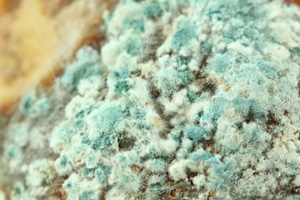
Mold needs three key ingredients to grow:
- A food source which includes high cellulose content materials such as paper and wood. Other sources of food include drywall, wallpaper, carpet, ceiling tiles, dust, and dirt.
- The ideal temperature of 5 degrees to 38 degrees which provides ideal growing conditions for mold.
- Most importantly, water and moisture is the essential ingredient required by mold to grow which can be provided by leaking pipes, roofs and ceiling, sewer backups, floods, and condensation
The core problem with mold is that it will keep growing until it is removed. This is a concern because, on average, we spend 90% of our time indoors which can cause health issues for many plus structural issues for the property if the mold is not contained and removed.
The purpose of this article is to provide you with information to help you determine if you have a mold problem and explain what you should and should not do if you do find mold.
Where Should I Look For Mold?
One of the first signs that you have a mold problem will be a “musty” or “mildewy” odor. The next step is to determine where the smell is coming from. The seven areas listed below are some of the most common areas in a home where you will find mold. Other visual clues to look for during your investigation of these areas include: buckled floorboards, discolored carpet, new water stains on the ceiling or wall, and/or actual visual growth such as black specs.
Mold Area 1: Bathrooms and Kitchens
The most common area where you will find mold is under the sinks because of leaks.
Mold Area 2: Appliances
Another potential source of leaks are your refrigerator, dishwasher, and washing machines. Check behind and under the appliances for mold.
Mold Area 3: Roof
If you notice water stains on the ceilings, then your roof could be leaking which will cause mold if the leak is not repaired.
Mold Area 4: Windows
If you have condensation in the home, you will likely find mold on the window sills and around the windows.
Mold Area 5: Basement
If there is high humidity in your home, then check your basement and other areas of the home for mold.
Mold Area 6: Closets
Leaky pipes, high humidity, and other sources of moisture can result in hidden mold in your closets. If there are boxes in the closet, move them and check the walls and floor for mold.
Mold Area 7: Crawl Spaces
Moisture in your crawl space will cause mold to grow.
I Got Mold! What Should I Do?
Two key facts to take into consideration if you think you have mold.
Mold Fact 1: Mold Spreads By Releasing Spores
If you find mold, DO NOT disturb the material. Even if you have an isolated area of mold growth, disturbing the area could potentially worsen the mold problem because the spores will become airborne and seek out other areas in the home to grow. In short, your primary objective is to contain the area where mold is growing and prevent it from spreading.
Mold Fact 2: Some Molds Are Toxic
Another key concern is determining what type of mold is growing. Some molds, like Aspergillus and Stachybotrys, are toxic and can cause many health issues. Molds also produce myctoxins which studies have shown can depress the immune system, leading to many illnesses.
What You Should Not Do If You Got Mold!
We do not recommend removing mold without first consulting a trained professional. If you think you have mold, here are 5 things you SHOULD NOT DO if you have a mold problem:
1. DO NOT Clean Mold With a Normal Vacuum!
Mold spores are extremely small and pass through a normal vacuum filter. Vacuuming, will simply spread the spores! Mold remediation professionals use HEPA vacuums because the filters trap the mold spores preventing cross contamination.
2. DO NOT Remove Mold Contaminated Materials Without Proper Containment!
If you’ve ever wondered how mold can spread throughout your house, then here’s some information for you! Mold remediation professionals will set up containment barriers to prevent mold from spreading.
3. DO NOT Clean Mold With Bleach!
Bleach is great for cleaning bacteria and viruses, but does not work on mold and may in fact make the situation worse because the simple act of applying bleach creates moisture which mold needs to thrive and grow.
4. DO NOT Remove Mold Contaminated Materials Without Wearing Personal Protective Equipment!
Some molds can be toxic. This is the reason that mold remediation professionals wear safety equipment to prevent mold spores from entering the lungs and touching the skin.
5. DO NOT Ignore or Neglect Your Mold Issue!
In addition to the health issues that mold growth may cause, keep in mind that mold is like a parasite that will keep feeding. The key to stopping mold growth is to address and fix the causes of moisture and then remove the mold so that it will not continue to spread and feed on the home, thereby impacting the structural integrity and long term value of the property.
What You Should Do If You Got Mold!
If you discover mold in your home or business, just remember that some molds can be toxic and that it is best not to disturb the mold which could inadvertently release spores in the air and create even more problems.
Before you tackle the mold problem, contact us for a second opinion and piece of mind.
Mold B Gone has been serving the residents of Georgia since 2009 and we have the training and experience to effectively advise you of the best course of action for effective mold remediation in Atlanta and ensure that it is done properly. Most importantly, we offer a guarantee on our services to provide you with further peace of mind! 🙂
Our next article will explain – 4 Key Mold Inspection Actions!
Questions? We are here to help. Call 678-697-6267 or contact us via e-mail.
by Eric Brown | Aug 7, 2015 | Health, Mold Facts, Mold Information
Top Ten Mold Facts

Top Ten Mold Facts
Mold Fact 1: The Key Ingredient Mold Needs To Thrive Is Moisture
Mold has a purpose in our eco-system, ie. to consume dead organic material. It poses health hazards when it begins growing in indoor environments. Mold gets indoors through open doorways, windows, heating, ventilation and air conditioning systems. Spores in the air outside also attach themselves to clothing, animals, shoes, bags and more!
Mold Fact 1: The Key Ingredient Mold Needs To Thrive Is Moisture
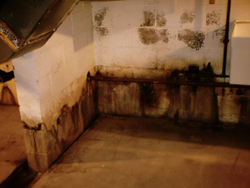
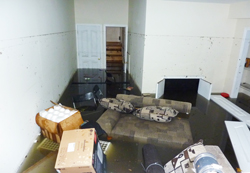
Commons sources of moisture include the following: flooding; backed-up sewers; leaky roofs and/or water leaks; humidifier which is not regularly cleaned and disinfected; damp basements or crawl spaces; house plants and their debris; steam from cooking and showers; wet clothes hung to dry indoors; inadequate air exchange; excessive humidity; and condensation, which is especially a problem during the winter, on poorly insulated surfaces.
To prevent mold growth, control moisture and maintain an interior humidity level of between 30 to 40%.
Mold Fact 2: Buildings and Homes Provide the Perfect Food For Mold
Mold Fact 2: Buildings and Homes Provide the Perfect Food For Mold
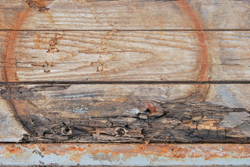
Since mold’s purpose is to break down and consume dead organic material, modern day buildings and homes provide an ample food source because they are constructed using materials that mold loves to feed on: wood & wood products; paper and other paper products like cardboard and wallpaper; leather; fabric and upholstery; grout; painted walls; cement; plaster (drywall); ceiling tiles; insulation materials; and carpet.
Mold Fact 3: Mold Needs Less Than 2 Days To Begin Growing

Mold Fact 3: Mold Needs Less Than 2 Days To Begin Growing
Mold requires three key ingredients to grow:
1. Food as documented in mold fact 2;
2. The ideal temperature of 5 degrees to 38 degrees; and
3. Moisture is the key ingredient.
In the presence of moisture, the ideal temperature, and ample food, mold will begin growing within 24 to 48 hours.
Mold Fact 4: There Are 3 Distinct Types of Mold

Mold Fact 4: There Are 3 Distinct Types of Mold
Of the 100,000 types of mold that have been identified, the three most common types of mold are:
1. Allergenic Molds are not usually life-threatening but are most problematic for individuals with allergies or asthma. The challenge is figuring out what mold is triggering the reaction. Children are particularly susceptible to mold allergies.
2. Pathogenic Molds produce an infection of particular concern if your immune system is weak or compromised. This type of mold can cause hypersensitivity pneumonitis, an acute response resembling bacterial pneumonia. An example is Aspergillus fumigatus, which can grow in the lungs of immune-compromised individuals.
3. Toxigenic Molds produce mycotoxins that will make anyone sick. Possible reactions include immune suppression and cancer. Mycotoxins are chemical toxins present within or on the surface of the mold spore, which can be inhaled, ingested, or touched. An example of this is aflatoxin, one of the most potent carcinogens known to mankind. Aflatoxin grows on peanuts and grains, and on some other foods.
Mold Fact 5: There Are 5 Distinct Species of Mold
Mold Fact 5: There Are 5 Distinct Species of Mold
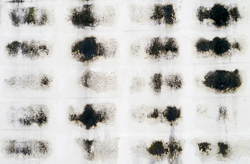
The five most prevalent species of mold are:
1. Alternaria mold is commonly found in your nose, mouth and upper respiratory tract and can cause allergic responses.
2. Aspergillus mold is usually found in warm, extremely damp climates, and a common occupant of house dust. This mold produces mycotoxins which is a poisonous chemical compound. This mold variety can cause lung infections including aspergillosis.
3. Cladosporium mold is a very common outdoor fungus that can find its way indoors and grow on textiles, wood and other damp, porous materials. This mold triggers hay fever and asthma symptoms.
4. Penicillium mold is a very common species found on wallpaper, decaying fabrics, carpet, and fiberglass duct insulation. It is known for causing allergies and asthma. Some species produce mycotoxins, one being the common antibiotic penicillin.
5. Stachybotrys mold is extremely toxic “black mold” that produces mycotoxins that can cause serious breathing difficulties and bleeding of the lungs. This mold can be found on wood or paper.
Mold Fact 6: Most Mold Is Hidden
Mold Fact 6: Most Mold Is Hidden
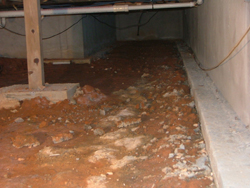
Many people don’t think they have mold because they can not see it. That is a problem because common hiding places for mold include the inside of drywall, behind improperly installed showers, in leaking roofs, and in crawl spaces with poor circulation.
Mold can be detected through smell, visual clues, and knowledge of the building history, ie. was there a flood or indoor leak.
Mold detection requires trained professionals because they have the tools and knowledge to know what to look for.
The first priority of the mold inspector / indoor air quality specialist is to determine if mold is an issue. They will determine this with an interview to learn more about the building history, take moisture readings to determine if there is a source of moisture required for mold growth, and conduct visual inspections.
Other recommendation of the inspector may also include thermal imaging if an identifiable moisture source is not present, but mold is detected. The inspector may also take samples of suspect mold with a a swab test, tape sample, or air quality test. These tests will determine the type of mold and spore count present. The goal of the mold inspection is to determine the extent of the mold problem so recommendations can be made to bring the fungal ecology to a healthy level.
If it is verified that mold is present, then the source of the moisture problem must first be fixed before removing the mold.
Mold Fact 7: The World Health Organization (WHO) Acknowledges That Mold Is A Health Hazard

Mold Fact 7: The World Health Organization (WHO) Acknowledges That Mold Is A Health Hazard
In 2009, The WHO published, a 228 page document: WHO Guidelines for Indoor Air Quality: Dampness and Mould and concluded:
When sufficient moisture is available, hundreds of species of bacteria and fungi – particularly mould – pollute indoor air. The most important effects of exposure to these pollutants are the increased prevalence of respiratory symptoms, allergies, and asthma, as well as disturbance of the immune system. Preventing (or minimizing) persistent dampness and microbial growth on interior surfaces and building structures is the most important means of avoiding harmful effects on health.
Mold Fact 8: 1 in 4 People Have A Genetic Predisposition To Mold Illness

Mold Fact 8: 1 in 4 People Have A Genetic Predisposition To Mold Illness
Dr. Richie Shoemaker, a physician and expert in the field of biotoxin-related illness and author of the book Surviving Mold, believes that 25% of the population has a genetic pre-disposition to the mold illness, Chronic Inflammatory Response Syndrome (CIRS), also known as Sick Building Syndrome (SBS):
Genes made them prime targets for an assault by their own innate immune systems….exposure to the interior environment of a Water-Damaged Building (WDB), [causes] an innate immune response that is going haywire.
Individuals exposed to the toxins in a water damaged building suffer from chronic illness because their bodies are trying to eliminate the foreign substances that stay in the body resulting in chronic inflammation and multiple symptoms. It is difficult to diagnose CIRS because there are 37 symptoms: fatigue; weakness; aches; muscle cramps; unusual pain; ice pick pain; headache; light sensitivity; red eyes; blurred vision; tearing; sinus problems; cough; shortness of breath; abdominal pain; diarrhea; joint pain; morning stiffness; memory issues; focus/concentration issues; word recollection issues; decreased learning of new knowledge; confusion; disorientation; skin sensitivity; mood swings; appetite swings; sweats (especially night sweats); temperature regulation or dysregulation problems; excessive thirst; increased urination; static shocks; numbness; tingling; vertigo; metallic taste; and tremors.
Because of the large number of symptoms and different combinations that a patient can have, CIRS is difficult to diagnose.
Mold Fact 9: Most Doctors Do Not Have Training To Identify Mold Illness

Mold Fact 9: Most Doctors Do Not Have Training To Identify Mold Illness
According to the producers of the MOLDY Documentary released earlier this year, most Physicians do not understand or have the knowledge to properly diagnose patients with mold sickness:
Possibly every doctor in the United States is treating mold illness, and they just don’t realize it. (Dr. Scott McMahon, MD)
Wonder Makers Environmental, a company based in Michigan, launched a website, www.moldsensitized.com to educate consumers, contractors, and health professionals on the health concerns caused by mold. Since launching the site, several mold sensitized individuals have been interviewed. Five key lessons are gained from these interviews:
- There is a lack of appreciation among medical professionals of health impact of mold.
- Mold sickness symptoms are broad, leading to multiple mis-dagnosis of patients by several different physicians.
- Mold sensitized individuals seek help from multiple medical practitioners and still do not get healthy.
- Over time, the patient discovers that mold is the cause of the sickness.
- Mold sensitized individuals are often forced to seek alternative shelters because traditional remediation approaches are not adequate.
Mold Fact 10: Failure To Fix A Mold Problem Will Reduce The Value Of Your Property
Mold Fact 10: Failure To Fix A Mold Problem Will Reduce The Value Of Your Property
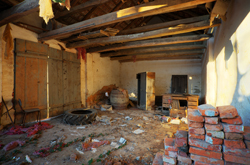
Mold is a serious issue. If you leave it untreated, it continues to grow. It leads to respiratory illness and it rots the wood, leaving the property valueless. (Ian Schlake of Respond and Rebuild)
In addition to the health concerns caused by mold, it is important to understand that mold is like a parasite or cancer and will continue to feed on your home until it is removed and the conditions causing the mold growth are fixed. Failure to fix the underlying causes of the mold and effectively removing the mold will lead to reduced property values caused by structural damage.
Questions about mold? Call us,(470) 545-4467, or send us an e-mail. We look forward to serving you!