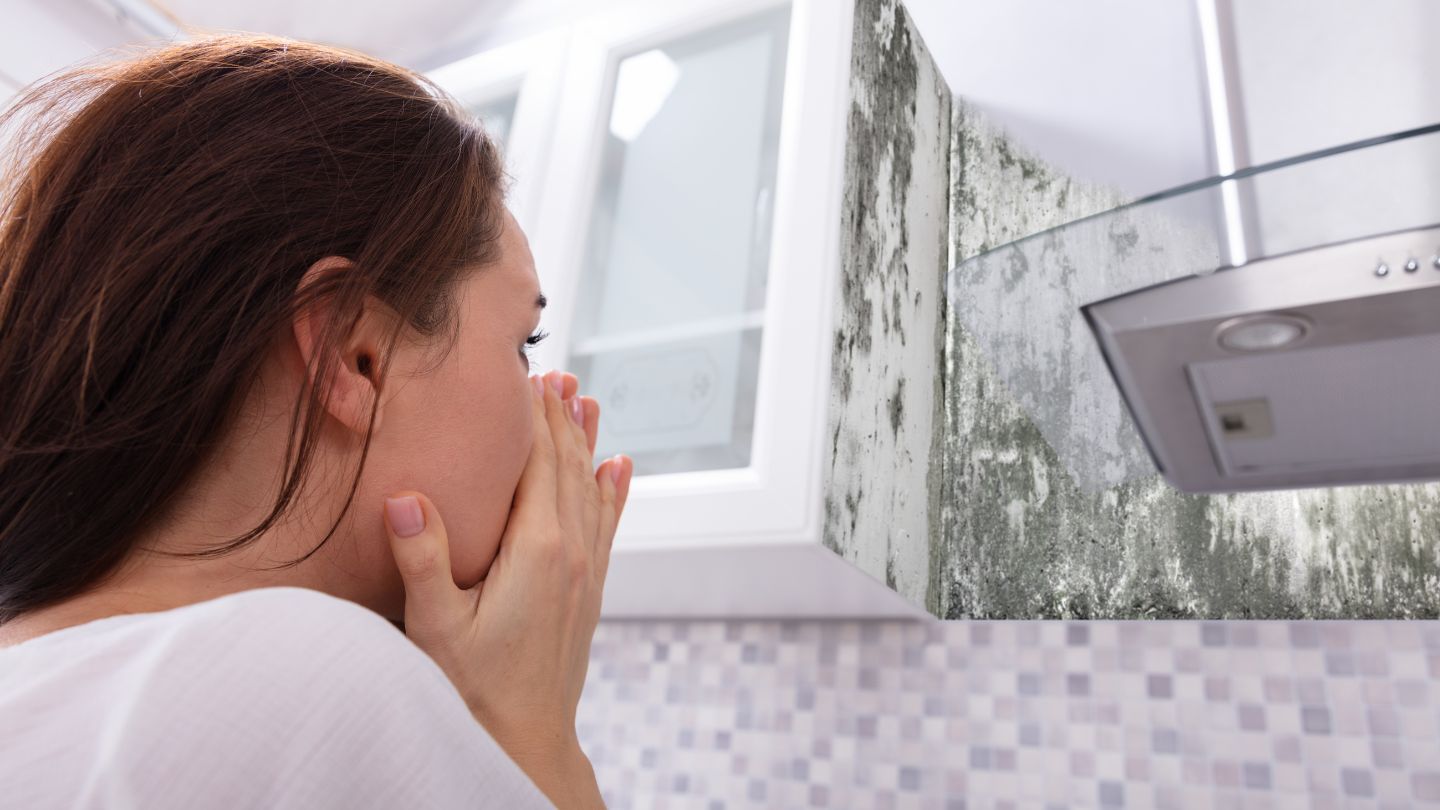
Home remodeling can uncover more than old wallpaper or worn-out drywall—it can reveal hidden hazards that compromise both safety and investment value. One of the biggest threats is mold during home renovation, a problem many homeowners don’t anticipate until it halts construction. Mold thrives in damp, enclosed areas and can spread quickly once disturbed. Knowing what to do when you find mold during remodeling ensures your project stays on track and your home remains safe.
Understanding Mold Risk During Remodeling
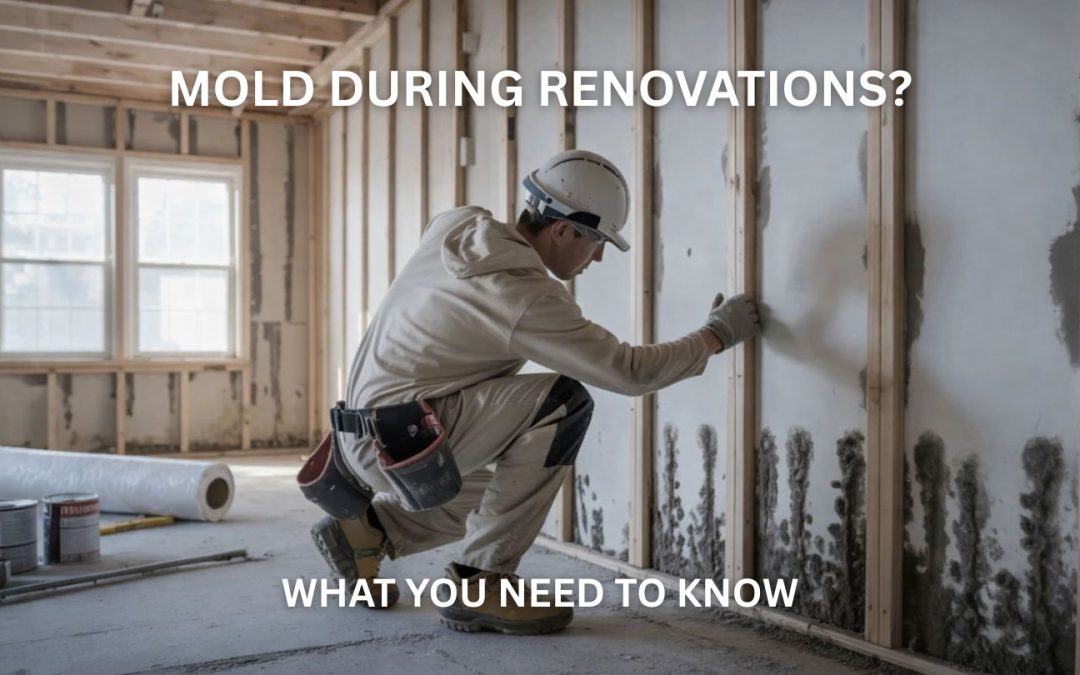
The mold risk during remodeling increases significantly when opening walls, replacing flooring, or updating plumbing. Hidden leaks, condensation buildup, or previous water damage can leave spores dormant for years. Once exposed to air, these spores multiply and release allergens into the environment. In some cases, homeowners uncover more than just mold during renovation—issues like hidden asbestos can also pose risks. Understanding the health and safety concerns associated with asbestos risks during renovation can help ensure proper containment and remediation practices are followed.
Common causes include:
Leaky roofs or windows sealed over during renovations
Poor ventilation in basements, bathrooms, or crawl spaces
Inadequate moisture control from humidifiers or HVAC issues
Even small-scale renovations, like installing new cabinets or removing carpet, can disturb hidden mold and release spores into your living space.
What Happens When You Discover Mold in Your Remodel
Discovering mold mid-project can be alarming, but stopping immediately is crucial. What happens when you discover mold in your remodel depends on how far the contamination has spread. If only a small area is affected, cleaning and drying may be sufficient. However, extensive mold requires containment, testing, and professional remediation before work continues.
Here’s what typically occurs:
Pause all activity – Avoid disturbing contaminated materials.
Isolate the area – Seal off vents and doorways to prevent spores from spreading.
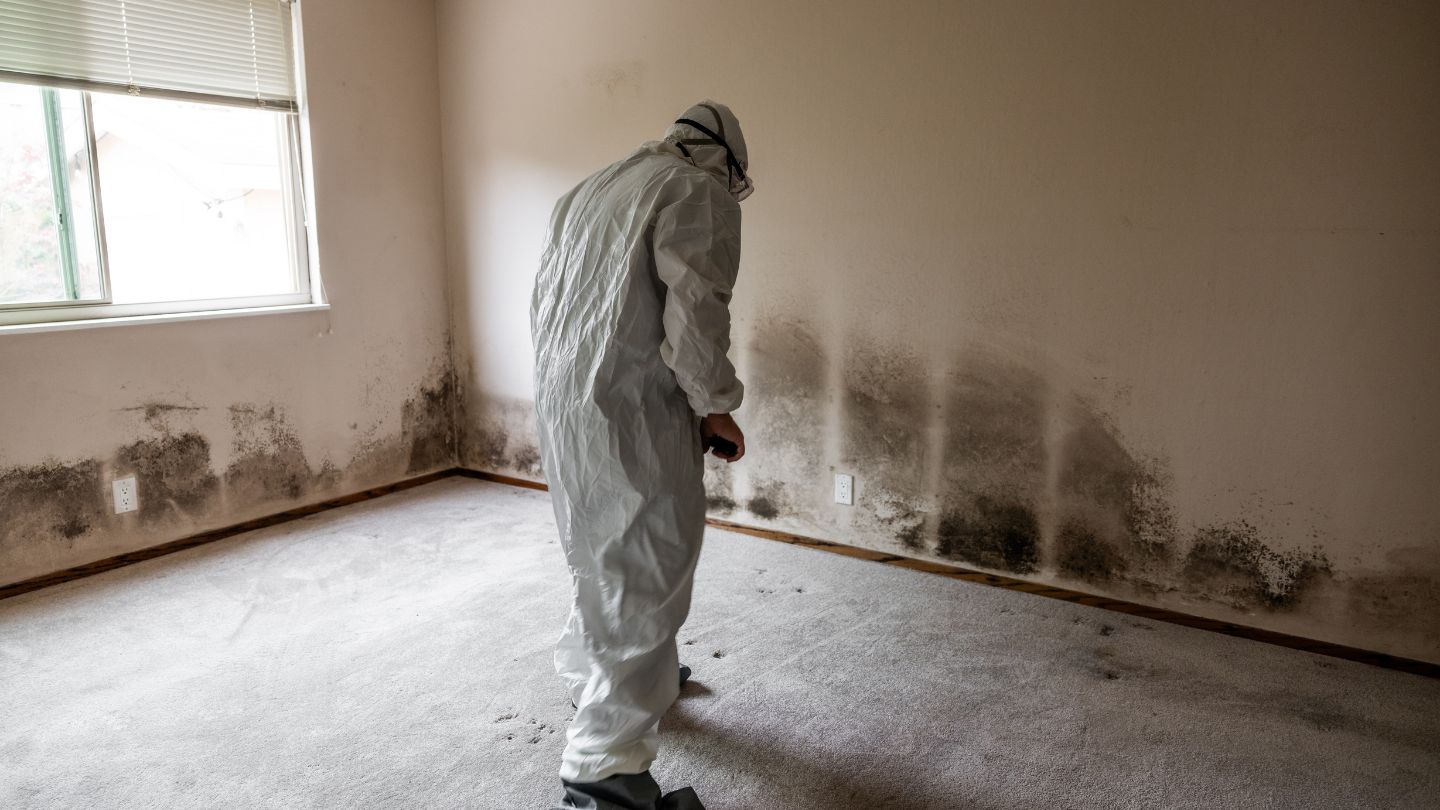
Wear protective gear – Use gloves, goggles, and a respirator when inspecting.
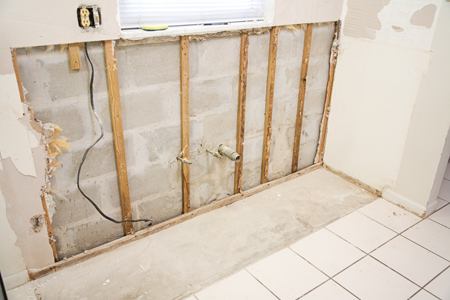
Assess the extent of damage – Mold on studs, insulation, or drywall often means deeper structural involvement.
Ignoring mold can lead to respiratory problems, material decay, and costly reconstruction later.
What to Do If You Find Mold During Renovation
The first rule of handling what to do if you find mold during renovation is not to panic. Mold remediation during a remodel is manageable if addressed quickly. Follow this action plan:
Identify the moisture source – Most mold originates from leaks or high humidity. Fix these issues before removing any mold.
Document the damage – Take photos for your contractor or insurance provider.
Avoid bleach or random cleaning chemicals – These can worsen air quality and damage surfaces.
Consult a professional – A qualified remediation company can assess whether removal or containment is necessary.
Professional teams use HEPA filtration, negative air pressure, and antimicrobial solutions to safely eliminate contamination without spreading spores across your renovation zone. Moisture often spreads through unseen sources, such as interior piping or drains. Learning how to put a stop to mold growth in your pipes and drains can prevent the same problem from reappearing after remediation.
Mold Inspection During Renovation: Why It Matters
A mold inspection during renovation is one of the most overlooked steps in home improvement. Certified inspectors use moisture meters, air sampling, and infrared imaging to detect hidden growth behind walls or under floors. Conducting an inspection early can prevent costly delays and protect your investment. This step is especially important following water intrusion. Understanding the importance of a mold inspection after water damage helps homeowners take timely action before spores spread or structural decay begins.
An inspection is especially critical when:
Renovating older homes with previous water damage
Remodeling after a flood or plumbing issue
Working in humid climates where moisture control is difficult
A preemptive inspection ensures the renovation team can isolate high-risk areas and avoid spreading spores throughout the property.
Things to Know When Mold Shows Up Mid-Renovation
If mold shows up mid-renovation, there are several important steps to protect your health and your project’s timeline. Many homeowners try to “cover it up,” but this approach traps spores and worsens the problem. The most important things to know when mold shows up mid-renovation include:
Covering it up isn’t enough – Mold must be completely removed, not concealed.
Containment protects the rest of your home – Use plastic barriers and HEPA vacuums to isolate the workspace.
Drying time is essential – Even after removal, materials must be thoroughly dried before reconstruction.
Professional remediation is worth it – Certified specialists follow EPA guidelines to ensure safe cleanup and clearance testing.
Timelines vary depending on the extent of the contamination and materials involved. For realistic expectations, it helps to understand how long mold remediation should take from inspection to clearance. Addressing mold properly ensures your remodel resumes safely and prevents future growth.
How to Prevent Mold During Home Renovation Projects
Prevention starts before construction begins. Here are effective steps to reduce mold risk during remodeling and maintain a safe environment:
Inspect for existing leaks or water stains before demolition.
Use dehumidifiers during humid months.
Keep work areas well-ventilated and dry after cleaning or painting.
Choose mold-resistant drywall, insulation, and flooring materials.
Seal gaps around windows, plumbing, and roofing after repairs.
These precautions limit the chances of hidden moisture becoming a future mold problem.
When to Call the Professionals
While minor mold can sometimes be handled safely, extensive contamination requires expert intervention. Professionals can perform mold inspection during renovation to confirm contamination levels, recommend the right removal strategy, and ensure your home is safe for occupancy. If you’re uncertain about your next steps or dealing with recurring moisture problems, it’s useful to know what to do if you find mold and how remediation experts assess and eliminate hidden growth effectively.
If your remodel involves older materials, water damage, or visible black mold, calling certified remediation specialists can save both time and money.
The Closing Line on Mold During Renovations
Discovering mold during a remodel can be stressful, but it doesn’t have to bring your project to a halt. Recognizing the warning signs early, isolating the affected area, and scheduling a professional assessment ensure that the issue is resolved safely and efficiently. With the right remediation strategy, homeowners can continue renovations without compromising air quality, structure, or long-term value. A proactive response not only protects your investment but also prevents recurring mold issues as construction progresses.
When mold surfaces mid-remodel, expert guidance makes all the difference. Mold B Gone provides comprehensive services for mold inspection, testing, and remediation across Georgia, helping homeowners restore a clean and healthy living environment. From pinpointing hidden moisture sources to executing complete containment and removal, their certified specialists handle every step with precision and care. Visit us to learn more about our residential and commercial mold removal services and safeguard your property before your next renovation resumes.
Frequently Asked Questions
Is mold a common issue during home renovations?
Yes. Mold often appears once walls, floors, or ceilings are opened during remodeling. Hidden leaks, past water damage, or trapped humidity can expose dormant spores, turning them active once the renovation process begins. Early detection and moisture control can help prevent delays and extra costs.
What should I do if I find mold during remodeling?
Pause your project immediately to avoid spreading spores. Seal off the affected area, wear protective gear, and contact a professional remediation company. Experts can determine the extent of contamination and safely remove the mold before construction resumes.
Why is a mold inspection during renovation important?
A mold inspection during renovation helps identify hidden moisture or contamination behind walls and under floors before you continue building. Professional inspectors use tools like infrared cameras and air sampling to pinpoint problem areas, saving you from expensive rework or structural damage later.
How can I prevent mold from developing during home renovations?
Prevent mold by controlling moisture from the start. Fix any leaks, keep the workspace ventilated, use dehumidifiers, and dry materials thoroughly after cleaning or painting. Choosing mold-resistant drywall and insulation also helps reduce long-term growth risk.
When should I call a professional for mold removal?
Call a licensed remediation expert if the mold covers more than 10 square feet, has spread into HVAC systems, or appears black or toxic. Certified professionals follow strict containment and cleanup procedures to ensure your home remains safe before remodeling continues.
The Ultimate Mold Education Resource (50 Articles)
The Ultimate Mold Education Resource (50 Articles)
The goal of Mold B Gone is to educate our customers about mold. We strongly believe that an educated and informed consumer can make better decisions when they have concerns about mold.
Included in this article are 50 links to articles that will help you learn about mold.
Please bookmark this page because we will update it with new articles as they are researched and published.
This article explains what you should and should not do if you find mold in your home, church, school, day care center, store, office building, restaurant, or hotel!
Top 3 Reasons Your Crawlspace Has High Humidity. This article explains why your crawlspace is humid, why this leads to mold and how you can fix the problem!
This article provides you with information to help you determine if you have a mold problem and explains what you should and should not do if you do find mold.
The purpose of this article is to answer the most common questions asked about crawl spaces and explain why your crawl space needs a vapor barrier. Learn more!
Recently a news article featured a woman who believes that she was poisoned by toxic black stachybotrys mold. This article explores this topic further!
The purpose of this article is to help you determine if mold and the indoor air quality of your child’s school is making them sick and what you can do. Learn more!
Wondering if you are sensitive to mold? This article explains how to determine if you are mold sensitized, seeking treatment, and the next two steps to health!
Potential Health Complications Mold Exposure Has On Pregnant Women and Infants! Questions answered about SIDS, asthma, miscarriage, and pulmonary hemorrhage.
25% of people are genetically pre-disposed to mold illness. This article explains why, citing scientific research and 37 symptoms associated with CIRS.
This article explains why many suffering from CIRS are diagnosed with depression caused by mold. Both scientific and anectodal data are cited. Learn more!
Top 3 Reasons Mold Sickness Is A Hidden Epidemic! You could be sick from mold and not even know it. This article explains why mold is a hidden epidemic!
37 million Americans suffer from sinusitis. Cause? This article lists the top 10 stats and facts citing MAYO clinic research that believes mold is the cause!
According to the CDC, rates of asthma among children in Georgia is 3% above the national average. Is mold a factor? This article cites stats and research!
Flood and water damage not only disrupts your life but can also be hazardous to your health! This article explains the top 3 hazards and prevention measures!
A flooded home or business is always a stressful situation. This blog provides you with the 3 steps required to reduce flood damage and most importantly, mold!
Home improvement is an American tradition. But, did you know that 6 out of 10 homes could have mold? Renovating can cause serious problems. Learn more!
Basements are susceptible to mold growth. The first clue of mold is a musty smell. This article provides you with 10 tips to prevent basement mold. Learn more!
If you or someone in your family suffers more frequently from colds or flus and you are not sure why, the cause could be poor indoor air quality. Learn more!
Have a mold concern, wondering what it will cost to remove? This article provides you with a detailed explanation of how mold removal cost is determined!
Mold sprays, bleach, biocides, and fungicides are an ineffective “short cut” to mold removal. Killing mold is not the answer! This article explains why.
Mold Removal Is Referred To As Mold Remediation Because Professionals Follow These 8 Steps. This article explains the steps and why you need to hire a pro!
The goal of Mold B Gone is to educate our customers about mold. We strongly believe that an educated and informed consumer can make better decisions when they have concerns about mold.
Included in this article are 36 links to articles that will help you learn about mold.
Please bookmark this page because we will update it with new articles as they are researched and published.
Top 3 Reasons Your Crawlspace Has High Humidity. This article explains why your crawlspace is humid, why this leads to mold and how you can fix the problem!
This article provides you with information to help you determine if you have a mold problem and explains what you should and should not do if you do find mold.
Recently a news article featured a woman who believes that she was poisoned by toxic black stachybotrys mold. This article explores this topic further!
Wondering if you are sensitive to mold? This article explains how to determine if you are mold sensitized, seeking treatment, and the next two steps to health!
Potential Health Complications Mold Exposure Has On Pregnant Women and Infants! Questions answered about SIDS, asthma, miscarriage, and pulmonary hemorrhage.
This article explains why many suffering from CIRS are diagnosed with depression caused by mold. Both scientific and anectodal data are cited. Learn more!
Top 3 Reasons Mold Sickness Is A Hidden Epidemic! You could be sick from mold and not even know it. This article explains why mold is a hidden epidemic!
37 million Americans suffer from sinusitis. Cause? This article lists the top 10 stats and facts citing MAYO clinic research that believes mold is the cause!
According to the CDC, rates of asthma among children in Georgia is 3% above the national average. Is mold a factor? This article cites stats and research!
Flood and water damage not only disrupts your life but can also be hazardous to your health! This article explains the top 3 hazards and prevention measures!
A flooded home or business is always a stressful situation. This blog provides you with the 3 steps required to reduce flood damage and most importantly, mold!
Home improvement is an American tradition. But, did you know that 6 out of 10 homes could have mold? Renovating can cause serious problems. Learn more!
If you or someone in your family suffers more frequently from colds or flus and you are not sure why, the cause could be poor indoor air quality. Learn more!
The purpose of this article is to explain how you air conditioner could be a source of mold contamination making you sick and what you can do to fix it.
Have a mold concern, wondering what it will cost to remove? This article provides you with a detailed explanation of how mold removal cost is determined!
Mold sprays, bleach, biocides, and fungicides are an ineffective “short cut” to mold removal. Killing mold is not the answer! This article explains why.
Mold Removal Is Referred To As Mold Remediation Because Professionals Follow These 8 Steps. This article explains the steps and why you need to hire a pro!