
September Is Mold Awareness Month

September Is Mold Awareness Month

Top 10 Reasons You Need To Be Aware Of Mold!

Top 10 Reasons You Need To Be Aware Of Mold!

Top 10 Reasons You Need To Be Aware Of Mold!

September 2016 marks the 8th annual Mold Awareness Month started by the National Indoor Mold Society:

The purpose of National Indoor Toxic Mold Awareness Month is to inform, educate, and raise awareness about the adverse health effects due to exposure of indoor molds and mycotoxins.” (Executive Director, Letitia Peters)

According to Michael Pinto:

“The reason that mycotoxins are suspected of poisoning people is based on both science and observational connections. “Mycotoxin” is the term that scientists use for a variety of chemical compounds that are produced by fungi during their growth cycle (the official term for mycotoxins is “secondary metabolites”). The suffix toxin is found at the end of the word mycotoxin because a great number of these mold-produced chemicals have been proven to be poisonous to both insects and animals—including people.”

One of the goals of Mold B Gone is to educate consumers in the Atlanta, Georgia area about mold. We believe that every month should be mold awareness month. Since launching this site, we have had nearly 37,000 views from individuals interested in learning more about mold.

There are three key lessons you need to know about mold:

  1. Mycotoxins kill other things, like bacteria and viruses, so mold can continue to grow.
  2. Mold spores, whether dead or alive, can cause adverse health effects.
  3. There is no practical way to eliminate all molds and mold spores in the indoor environment; the way to control indoor mold growth is to control moisture.

Considering that some molds, like Stachybotrys chartarum and Aspergillus, produce myctoxins that cause sickness, the purpose of this article is to list and explain the top 10 reasons you need to be aware of mold.

#1 Mold Needs Less Than 2 Days To Begin Growing!

#1 Mold Needs Less Than 2 Days To Begin Growing!

#1 Mold Needs Less Than 2 Days To Begin Growing!

Mold requires three key ingredients to grow:

  1. Food: wood & wood products; paper and other paper products like cardboard and wallpaper; leather; fabric and upholstery; grout; painted walls; cement; plaster (drywall); ceiling tiles; insulation materials; and carpet.
  2. The ideal temperature of 41 degrees to 100 degrees Fahrenheit; and
  3. Moisture, the key ingredient.

In the presence of moisture, the ideal temperature, and ample food, mold will begin growing within 24 to 48 hours. This is the reason that water damage restoration is so important during a flood event!

#2 Mold Causes Chronic Sinusitis!

#2 Mold Causes Chronic Sinusitis!

#2 Mold Causes Chronic Sinusitis!

According to Doctors at the Mayo Clinic, David Sherris, Eugene Kern, and Jens Ponikau, chronic sinusitis is caused by a fungus and is an immune reaction:

“Medications haven’t worked for chronic sinusitis because we didn’t know what the cause of the problem was. Fungus allergy was thought to be involved in less than ten percent of cases. Our studies indicate that, in fact, fungus is likely the cause of nearly all of these problems. And it is not an allergic reaction, but an immune reaction. This is a potential breakthrough that offers great hope for the millions of people who suffer from this problem. We can now begin to treat the cause of the problem instead of the symptoms. Finally we are on the trail of a treatment that may actually work.”

This conclusion was based on a research study of 210 patients with chronic sinusitis. The Doctors collected mucus samples from the patients’ noses and discovered fungus in 96 percent of the patients. In addition, they identified 40 different kinds of fungi, averaging out to 2.7 types per patient.

Further research was done on 101 of these patients by removing nasal polyps. What they found were eosiniphils, which are which blood cells activated by the immune system in the nasal tissue of the patients. The Doctors believe that this discovery shows that the body’s immune system is sending the eosinophils to attack the fungi which is what is causing the irritation and inflammation of the membranes of the nose. For this reason, they do not believe that traditional treatments work because they do not address the root cause of the problem, fungi, which will continue to irritate the nose membranes.

#3 Your Home Is A Buffet For Mold!

#3 Your Home Is A Buffet For Mold!

#3 Your Home Is A Buffet For Mold!

Mold is nature’s recycler, it’s main purpose in our eco-system is to break down dead organic material.

In the outdoors, the relative number of spores is small enough not to cause significant harmful health effects for most people.

However, indoors, once mold begins to grow, it will cause health concerns because the spore counts will increase. Indoor air quality is a critical concern, particularly in hot and humid climates like Georgia because residents tend to stay indoors more and use their air conditioners for heat relief.

The problem with mold is the fact that most homes are made out of the material that it loves to eat. A home is an “all you can eat buffet” for mold because homes are constructed using dead organic materials: wood & wood products; paper and other paper products like cardboard and wallpaper; leather; fabric and upholstery; grout; painted walls; cement; plaster (drywall); ceiling tiles; insulation materials; and carpet.

#4 Mold Causes Asthma!

#4 Mold Causes Asthma!

#4 Mold Causes Asthma!

“Infants who are exposed to mold in their living environments have nearly a three times greater risk of becoming asthmatic than those who did not have extensive mold exposure in their first year of life.” (Medical Evidence that Connects Mold Exposure to Illness Keeps Piling Up)

According to Medical News Today, asthma affects 300 million people in the world and more than 22 million Americans. Although people of all ages suffer from the disease, it most often starts in childhood, currently affecting 6 million children in the US. Asthma kills about 255,000 people worldwide every year.

Asthma is a respiratory condition marked by spasms in the bronchi of the lungs, causing difficulty in breathing. According to WebMD, no one really knows what causes asthma, but what is known is that it is a chronic inflammatory disease of the airways. Trigger and causes of asthma include allergies, tobacco smoke, environmental factors, obesity, genetics, and other factors.

According to Michael Pinto, CEO, of Wonder Makers Environmental, there is mounting evidence pointing to the link between mold and asthma.

To learn more about the link between mold and asthma, including legal evidence and research studies, click here.

#5 The Core Problem With Mold Is That It Can Grow Undetected!
#5 The Core Problem With Mold Is That It Can Grow Undetected!

#5 The Core Problem With Mold Is That It Can Grow Undetected!

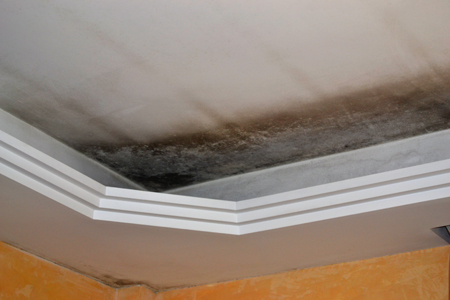
Most people do not realize they have a mold problem because it is hidden.

Mold can be detected through smell, visual clues, and knowledge of the building history, ie. was there a flood or indoor leak.

One of the first signs that you have a mold problem will be a “musty” or “mildewy” odor.

The next step is to determine where the smell is coming from.

The seven areas of the home that you will likely find mold includes the following: bathrooms and kitchen that have leaks under the sink; leaks behind appliances (refrigerator, dishwater, and washing machine); ceilings and walls where there are water leaks; window sills and around the windows where condensation accumulates; your basement; closets; and crawl spaces.

#6 Modern Day Building Practices Promote Mold Growth!
#6 Modern Day Building Practices Promote Mold Growth!

#6 Modern Day Building Practices Promote Mold Growth!

The rush to make quick money and high profits by real estate developers has created a disaster waiting to happen because new homes built today are more susceptible to mold growth.

  1. The quest to reduce energy bills means that many new homes are air tight and lack proper ventilation, conducive to mold growth.
  2. The season that the home was built is also a factor. For instance, if the home was built during a period when there was lots of rain and the foundation was not allowed to completely dry before installing the insulation and vapor barrier, then moisture could be trapped behind the walls.
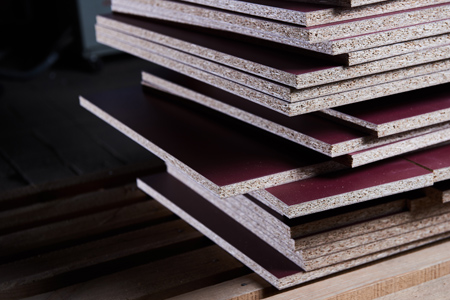
  3. Building practices have changed. In the past, most homes were built with non-porous materials like plywood and timber which made it difficult for mold to penetrate the surface. Today, cost conscious builders use Orient Strand Board (OSB) and particle board which are porous and susceptible to mold growth.

According to the MOLDY documentary, at least 50 percent of homes in the United States have water damage issues caused by water line leaks, tears in moisture vapor barriers, leaky showers, condensation under eaves, and water pooling in crawl spaces. It is this water damage which causes mold to grow.

Improving building practices to prevent moisture issues is the single most effective way to prevent mold.

#7 25% of the Population Is Susceptible To Mold Illness!

#7 25% of the Population Is Susceptible To Mold Illness!

#7 25% of the Population Is Susceptible To Mold Illness!

According to Dr. Richie Shoemaker, physician and expert in the field of biotoxin-related illness and author of the book Surviving Mold, 1 in 4 people have a genetic pre-disposition to the mold illness, Chronic Inflammatory Response Syndrome (CIRS):

“Genes made them prime targets for an assault by their own innate immune systems….exposure to the interior environment of a Water-Damaged Building (WDB), [causes] an innate immune response that is going haywire.”

Individuals exposed to the toxins in a water damaged building suffer from chronic illness because their bodies are trying to eliminate the foreign substances that stay in the body resulting in chronic inflammation and multiple symptoms.

It is difficult to diagnose CIRS because there are 37 symptoms patients could suffer from: fatigue; weakness; aches; muscle cramps; unusual pain; ice pick pain; headache; light sensitivity; red eyes; blurred vision; tearing; sinus problems; cough; shortness of breath; abdominal pain; diarrhea; joint pain; morning stiffness; memory issues; focus/concentration issues; word recollection issues; decreased learning of new knowledge; confusion; disorientation; skin sensitivity; mood swings; appetite swings; sweats (especially night sweats); temperature regulation or dysregulation problems; excessive thirst; increased urination; static shocks; numbness; tingling; vertigo; metallic taste; and tremors.

#8 Mold Will Reduce Your Property Value!

#8 Mold Will Reduce Your Property Value!

#8 Mold Will Reduce Your Property Value!

“Mold is a serious issue. If you leave it untreated, it continues to grow. It leads to respiratory illness and it rots the wood, leaving the property valueless.” (Ian Schlake of Respond and Rebuild)

Like a parasite or cancer, mold will continue to grow as long as there is a food source, moisture, and the right temperature.

The only way to stop mold is to address the moisture source to prevent future mold growth and then remove the contaminated porous materials. Effective, long lasting mold remediation is based upon identifying the source of contamination and ensuring it is fixed.

Failing to fix the underlying causes of the mold and effectively removing the mold will lead to reduced property values caused by structural damage as the mold continues to feed on the home.

#9 Mold Remediation Can Be Costly!

#9 Mold Remediation Can Be Costly!

#9 Mold Remediation Can Be Costly!

As mentioned in an earlier article, the cost of mold remediation will depend on three key factors:

  1. How much of the area is infected with mold?
  2. What kind of materials are infected?
  3. How easy is it to access the mold?

On average, the typical household mold removal project will range from $2,000 to $6,000, but can be as high as $30,000 or more depending on the extent of contamination.

The core problem with the mold remediation industry is any contractor can offer mold removal services…so it is truly “Buyer Beware.” Because of the lack of regulation, many contractors believe they can offer mold removal services without the proper training or experience. To stay competitive, these contractors may offer “quick fix” solutions that focusing on killing the mold. However, as stated by Michael Pinto:

Killing mold, but leaving the residue in place, is not acceptable. Since many health impacts can be triggered by exposure to both live and dead mold spores, the source and secondary contamination must be removed.” (MOLD INDOORS: Killing it is Not Enough)

Killing mold is not the answer because it is not a permanent solution to a mold problem. Professional mold removal contractors will follow an eight step process to ensure that your mold problem is fixed properly and will back up their work with a guarantee.

Don’t pinch pennies when you encounter a mold problem, the cheapest estimate may not necessarily be the best one. Do your due diligence, ask questions, get references, and most importantly avoid contractors that offer you magical solutions that involve just spraying a chemical to kill the mold dead.

#10 Mold Sickness Is A Hidden Epidemic!

#10 Mold Sickness Is A Hidden Epidemic!

#10 Mold Sickness Is A Hidden Epidemic!

According to the producers of the MOLDY documentary released earlier this year, most Physicians do not understand or have the knowledge to properly diagnose patients with mold sickness:

“Possibly every doctor in the United States is treating mold illness, and they just don’t realize it.” (Dr. Scott McMahon, MD)

Since most physicians are not trained to treat and identify mold illness, their patients continue to suffer in silence, mis-diagnosis, and a vicious cycle of numerous visits to different doctors and specialists that do not understand why they are sick.

Considering the statistics revealed in the MOLDY documentary it is not surprising that mold sickness is now considered a hidden epidemic.

  1. At least 45 million buildings in the United Stats have unhealthy levels of mold.
    You have a 33% chance of being exposed to toxic mold when you move into a new home, apartment or office. The documentary also emphasizes the fact that many foods are contaminated with mold, including corn, peanuts, and coffee.
  2. Approximately 28 percent of the population have genes that make them highly susceptible to mold-related health issues.
  3. Despite the fact that mold is a significant health concern, like lead and asbestos, there are no federal environmental protections laws.

Mold is a hidden epidemic because it makes people sick and they do not know that mold is the cause!

Got Mold Questions?

Mold B Gone has been serving the Atlanta, Georgia area since 2009. We are experts at detecting and removing mold and specialize in serving the needs of mold sensitized customers. If you have a mold question or concern, please call 678-697-6267, or send us an e-mail. Peace of mind is just a phone call away!

15 FAQs About Mold and Health

15 FAQs About Mold and Health

Top Fifteen Frequently Asked Questions About Mold and Health

Top Fifteen Frequently Asked Questions About Mold and Health

Top Fifteen Frequently Asked Questions About Mold and Health

Mold B Gone has been helping residents in the Atlanta metropolitan area and surrounding Georgia states with mold removal since 2009.

During this period we have encountered many questions about mold and the impact it can have on health.

Listed below are the top 15 questions we have encountered with links to articles that provide detailed answers.

#1 Why is Stachybotrys Mold A Health Concern?

You often hear about black mold in the media. Why is it such a big deal? Can black mold actually make you sick? This article explains why!

#2 Why Do Some People Get Sick From Mold And Others Do Not?

The challenge mold poses is that it impacts everyone differently. This article explains why!

#3 What Is The Link Between Mold and Chronic Fatigue Syndrome?

Considering the similarity of symptoms between those suffering from ME/CFS and those suffering from CIRS, it is likely that many individuals diagnosed with ME/CFS may have been exposed to mycotoxins produced by mold growth. Learn more!

#4 Is Mold Sickness A Hidden Epidemic?

Since so many health professionals are not aware of the health problems mold causes, many mold advocates believe that it is a hidden epidemic. In short, you could be sick from mold and not even know it. Learn more!

#5 Does Mold Cause Sinus Infections?

Chronic sinusitis costs the health care system more than 8 billion dollars each year. The cause is most likely mold, meaning most of the treatments prescribed are not effective. Learn more!

#6 Could Some People Diagnosed With Multiple Sclerosis Actually Be Suffering From Mold Sickness?

Dr. Rick Sponaugle of the Florida Detox & Wellness Institute strongly believes that environmental factors, such as mold, could be a cause of MS because mold toxins destroy the myelin sheath on brain neurons, causing the classic white spots seen in MS. Learn more!

#7 How Do I Know If Mold Is Making Me Sick?

Most people do not even know they are sick because of mold and or suffering from Chronic Inflammatory Response Syndrome (CIRS). Learn more!

#8 Are Dead Mold Spores Harmful?

There is a lot of bad information on the internet. One of the most prevalent myths is that you can kill mold. This article explains why this is not a good idea and why it can impact your health. Learn more!

#9 Why Does Mold Cause Depression?

Doctor Ackerley believes there is a strong correlation between mold and brain health, particularly depression and suicide. Learn more!

#10 Does Mold Cause Parkinson’s Disease?

Recent research suggests that that biologic compounds such as mold have the potential to damage dopamine and cause Parkinson’s symptoms. Learn more!

#11 Why Is Mold A Health Concern?

Mold is nature’s recycler meaning it is designed to break down dead, organic material. Now, imagine, what happens when you have mold growing in your home. It is breaking down the material it is feeding on. Since we spend up to 90 percent of our time indoors this creates a situation ripe for health issues. Learn more!

#12 Does Mold Remediation Improve Health?

Yes, it does, this article cites a case study.

#13 Does Mold Cause Asthma?

Four studies demonstrate a strong link between mold and asthma. Learn more!

#14 Does Mold Affect Pregnant Women and Infants?

This is a difficult topic to research, but there is some evidence that mold could have an impact. Learn more!

#15 Can Mold Poison Me?

There is evidence that toxins and poisons released by growing mold can harm one’s immune system and cause severe sickness. Learn more!

Got Mold and Health Questions?

If you are concerned about mold and think that it may be impacting your health, please do not hesitate to contact us because we specialize in helping mold sensitized individuals.

Our team of professionals looks forward to serving you.

Peace of mind is just a phone call away, 678-697-6267!

Does Mold Cause Chronic Fatigue Syndrome?

Does Mold Cause Chronic Fatigue Syndrome?

What Is The Link Between Mold and Chronic Fatigue Syndrome?

What Is The Link Between Mold and Chronic Fatigue Syndrome?

What Is The Link Between Mold and Chronic Fatigue Syndrome?

Many people are aware that water damage in buildings leads to a variety of bad outcomes. Water-impacted building materials and contents provide an environment where a variety of organisms can flourish. Bacteria, fungus, and even viruses can not only survive but reproduce on damp or wet materials. Obviously, being exposed to such organisms can potentially contribute to health problems for the occupants. Numerous national and international agencies (including the National Institute for Occupational Safety and Health, the Centers for Disease Control and Prevention, the World Health Organization, Britain’s National Health Service, and many others) have put out information warning of the possible ill health effects from occupying damp and moldy environments.” (Michael Pinto, The Mystery of Mycotoxins in Mold Contamination)

I was a patient of Dr. Cheney’s before the “Yuppie Flu” went through and dropped a bunch of us in our tracks. Guess what my complaint was? “Chronic Fatigue.” I told Dr. Cheney, “I have an inexorably increasing reactivity to mold that gets progressively worse no matter where I live or how well I take care of myself.” This is what brought me to Dr. Cheney’s office in Carnelian Bay in early 1984. So I was reactive to mold prior to CFS. Afterwards my reactivity was absolutely life threatening. Prior to the weird flu, my problems would have been adequately described as inexplicable fatigue….eventually the sensation turned into life-destroying godawful drop-dead neurological living death illness that was nothing like fatigue. My susceptibility to mold was prior, not later as is automatically assumed. I thought that it was more than coincidental that this same mold that has such an effect on me showed up so often in clusters of CFS – especially the one that started it all, at my old high school. Interesting how Dr. Shoemakerʼs “24%” HLA genotype is suggestive of the “25% ME group.” (Erik Johnson, The Role of Toxic Mold in Chronic Fatigue Syndrome)

One of the core goals of Mold B Gone is to create awareness of mold and the potential health impact it can have.

To date, we have written several articles on the connection between mold and illness.

Listed below are some of our most popular articles:

  1. Why Is Black Mold A Health Concern?
  2. How Do I Know If Mold Is Making Me Sick?
  3. How Toxic Is Mold?
  4. Does Mold Affect Pregnant Women and Infants?
  5. Does Mold Remediation Improve Health?
  6. Does Mold Cause Multiple Sclerosis?
  7. Are You Sick From Mold Because Of Your Genes?
  8. How Does Mold Cause Depression?
  9. What Is The Link Between Mold and Parkinson’s Disease?
  10. Can Toxic Black Mold Poison You?
  11. Is Mold Sickness A Hidden Epidemic?
  12. Are Sinus Infections Caused By Mold?
  13. What Is The Link Between Mold and Asthma?

The purpose of this article is to explore the topic of mold and health further by examining the link between mold and Chronic Fatigue Syndrome!

Top 10 Chronic Fatigue Syndrome Facts and Stats

Top 10 Chronic Fatigue Syndrome Facts and Stats

Top 10 Chronic Fatigue Syndrome Facts and Stats

  1. Chronic fatigue syndrome – now very often referred to as ME/CFS (myalgic encephalomyelitis/chronic fatigue syndrome) – has been widely studied over the past 25 years
  2. ME/CFS is a debilitating and complex disorder characterized by profound fatigue that is not improved by bed rest and that may be worsened by physical or mental activity.
  3. The cause of chronic fatigue syndrome is unknown, although there are many theories, ranging from viral infections to psychological stress. Some experts believe chronic fatigue syndrome might be triggered by a combination of factors including infections (particularly by viruses), oxidative stress, immune aberrations and toxic exposures, among others.
  4. No single cause has been confirmed to fully explain ME/CFS.
  5. There is no single test to confirm a diagnosis of ME/CFS.
  6. ME/CFS patients remain chronically ill despite varying attempts at treatment.
  7. An estimated one to 2.5 million Americans are thought to suffer from chronic fatigue syndrome (ME/CFS), but the vast majority of them are undiagnosed.
  8. ME/CFS occurs more often in women than men and is less common among children and adolescents.
  9. The CDC website suggests that treatments for the disease may include drugs (antidepressants and sleeping pills), psychological counseling and graded exercise.
  10. Nutritional supplements such as Ubiquinol (the reduced form of CoQ10; one of the strongest lipid-soluble antioxidants known that is produced within your own body); D-ribose (a core building block of ATP); and Glutathione (one of your body’s most important antioxidants and a natural detox agent) may also help ME/CFS patients recover their energy.

Chronic Fatigue Syndrome Symptoms

Chronic Fatigue Syndrome Symptoms

Chronic Fatigue Syndrome Symptoms

According to the CDC website, there are 12 symptoms associated with ME/CFS.

  1. Extreme fatigue and weakness, difficulty maintaining upright posture, dizziness, balance problems, and fainting.
  2. Post-exertional malaise, lasting 24 hours or longer.
  3. Muscle and joint aches and pains.
  4. Sore throat, swollen glands, and periodic fevers and chills.
  5. Chronic headaches.
  6. Numbness and tingling of the extremities.
  7. Brain fog, cognitive dysfunction, and/or lack of concentration.
  8. Insomnia, and/or unrefreshing sleep, night sweats.
  9. Visual disturbances (blurring, light sensitivity, and eye pain).
  10. Gastrointestinal disturbances.
  11. Allergies and sensitivities to foods, odors, chemicals, and medications.
  12. Irritability, depression, and mood swings.

Could Mold Be The Cause of ME/CFS?

Could Mold Be The Cause of CFS?

Could Mold Be The Cause of CFS?

To date, no cause has been identified for ME/CFS. In addition, many patients suggest that the treatments recommended for the disease are not helpful or even can make them worse. At best, research suggests that they are only mildly helpful and clearly not a long-term solution for those suffering from ME/CFS.

Upon review of the symptoms, it is apparent that there are many similarities with the symptoms of Chronic Inflammatory Response Syndrome (CIRS).

As discussed in a previous article, 25% of the population have a genetic susceptibility to CIRS which is characterized by 37 symptoms: fatigue and weakness; aches, pains, and muscle cramps; respiratory issues (cough, trouble breathing, and sinus problems); headaches; numbness and tingling; focus/concentration issues, confusion, and mood swings; sleeping troubles caused by night sweats; visual problems, including sensitivity to light and blurring vision; diarrhea and other gastrointestinal problems; and allergic reactions.

Could this possibly mean that individuals diagnosed with ME/CFS are actually suffering from CIRS because they have a genetic predisposition to mold illness?

If this is the case, then one of the key causes of ME/CFS could be mold.

Research backs this hypothesis!

Detection of Mycotoxins in Patients with Chronic Fatigue Syndrome

Detection of Mycotoxins in Patients with Chronic Fatigue Syndrome

Detection of Mycotoxins in Patients with Chronic Fatigue Syndrome

In 2009, the World Health Organization (WHO) published, WHO Guidelines for Indoor Air Quality: Dampness and Mould, to highlight the potential health problems caused by Water Damaged Buildings (WDB). The WHO concluded:

When sufficient moisture is available, hundreds of species of bacteria and fungi – particularly mould – pollute indoor air. The most important effects of exposure to these pollutants are the increased prevalence of respiratory symptoms, allergies, and asthma, as well as disturbance of the immune system. Preventing (or minimizing) persistent dampness and microbial growth on interior surfaces and building structures is the most important means of avoiding harmful effects on health.

In layman’s terms, in this 228 page document, the WHO clearly argues that WDB pose a health threat to occupants.

According to Kristine Allcroft, Ph.D, the 9 most common causes of mold growth in WDB’s are the following:

  1. Leaking roof causing moisture in the attic.
  2. Improper ventilation in the attic trapping moisture in the eves and insulation.
  3. Poor ventilation in the bathroom trapping moisture allowing mold to grow on the walls.
  4. Leaking seals around windows allowing storm water to be trapped inside the walls.
  5. Leaking plumbing in bathrooms. Sometimes the leaks are so slow that the only indication of a problem is when mold shows up!
  6. Leaking water supply lines to washing machines.
  7. Leaking dishwasher supply lines or drain lines in the kitchen. Leaking ice maker supply lines.
  8. Poor grading from landscaping allowing water to drain toward and into the home instead of away from the home.
  9. One of the most common causes of mold growth happens when a burst pipe causes water damage in the home and it’s not dried quickly enough.

One of the key problems for individuals working or living in a WDB is that they will be exposed to mycotoxins. Mycotoxins, also known as secondary metabolites are chemical compounds that are produced by fungi during their growth cycle. The suffix toxin is used because a great number of these mold-produced chemicals have been proven to be poisonous to both insects and animals—including people.

In 2013, researchers, Joseph H. Brewer, Jack D. Thrasher, David C. Straus, Roberta A. Madison, and Dennis Hooper explored the connection between mycotoxins and CFS, to determine if mold could possibly be the cause. Their study concluded:

Over the past 20 years, exposure to mycotoxin producing mold has been recognized as a significant health risk. Scientific literature has demonstrated mycotoxins as possible causes of human disease in water-damaged buildings (WDB). This study was conducted to determine if selected mycotoxins could be identified in human urine from patients suffering from chronic fatigue syndrome (CFS). Patients with a prior diagnosis of CFS were evaluated for mold exposure and the presence of mycotoxins in their urine. Urine was tested for aflatoxins (AT), ochratoxin A (OTA) and macrocyclic trichothecenes (MT) using Enzyme Linked Immunosorbent Assays (ELISA). Urine specimens from 104 of 112 patients (93%) were positive for at least one mycotoxin (one in the equivocal range). Almost 30% of the cases had more than one mycotoxin present. OTA was the most prevalent mycotoxin detected (83%) with MT as the next most common (44%). Exposure histories indicated current and/or past exposure to WDB in over 90% of cases.

Key conclusions from the study:

  1. 93% of the ME/CFS patients tested had mycotoxins in their bodies. If you have been diagnosed with ME/CFS, you may want to have your urine checked for the presence of mycotoxins
  2. 90% of the ME/CFS patients tested, were exposed to or are currently living in a Water Damaged Building. If you have been diagnosed with ME/CFS and your test proves positive for mycotoxins, then you likely have lived or are living in a WDB.

Concluding Thoughts On The Link Between Chronic Fatigue Syndrome and Mold

Concluding Thoughts On The Link Between Chronic Fatigue Syndrome and Mold

Concluding Thoughts On The Link Between Chronic Fatigue Syndrome and Mold

Since the modes of activity of trichothecenes differ from aflatoxins and other mycotoxins, the combinations of mycotoxins could be additive or even synergistic, which could significantly reduce the amount of either mycotoxin required to induce an immunosuppressive or toxic effect. Immunosuppressive and combinational effects of multiple mycotoxins may constitute major components in the adverse health effects reported by many of the victims of mold exposure. (A risk assessment model for mycotoxin-producing molds on human health in indoor environments)

Considering the similarity of symptoms between those suffering from ME/CFS and those suffering from CIRS, it is likely that many individuals diagnosed with ME/CFS may have been exposed to mycotoxins produced by mold growth.

If you have been diagnosed with ME/CFS, one of the first proactive actions you can take is to find out if you have mycotoxins in your body. If you do, then your current exposure to mold in a WDB or previous history of living in a WDB could be the cause.

If you are unsure of whether or not your home is water damaged and has mold, contact Mold B Gone and we can determine if you have mold and the cause of your mold growth.

If you do have mold and you test positive for mycotoxins in your body, there are two key actions you must take.

First, you should consult with an environmental physician that knows how to treat individuals sick from mold and mycotoxin exposure. If you live in the Atlanta metropolitan area, call us, 678-697-6267, because we can refer you to a physician that treats mold sensitized patients.

Second, if you are currently living in a WDB property, the source of the mycotoxin exposure has to be removed. This is very important because professional mold remediation is essential to preventing the symptoms of mold sickness and Chronic Fatigue Syndrome from coming back when your medical treatment has been completed.

Got Mold Questions?

If you have recently been diagnosed with ME/CFS and suspect that mold may be the cause, please call us, 678-697-6267 or send us an e-mail. We have mold sensitized training and empathize with your situation. Mold B Gone has removed mold from 1000s of homes and we specialize in serving the needs of mold sensitized individuals.

Article Sources

In addition to the resources listed below, I would like to thank Lisa Petrison, Ph.D, for her suggestions and comments!

  1. Chronic fatigue syndrome – Mayo Clinic
  2. CDC – Chronic Fatigue Syndrome (CFS)
  3. Chronic fatigue syndrome – Wikipedia, the free encyclopedia
  4. You Might Have A Mold Problem If You’ve Been Diagnosed With Chronic Fatigue Syndrome
  5. Detection of Mycotoxins in Patients with Chronic Fatigue Syndrome
  6. Energy Boosting Strategies That May Help Chronic Fatigue Syndrome
  7. The Role of Toxic Mold in Chronic Fatigue Syndrome
  8. The Mystery of Mycotoxins in Mold Contamination
  9. Why Cleaning and Restoration Contractors Should Respect What The World Health Organization Says About Mold
  10. Mycotoxins – US National Library of Medicine
  11. Patients, Scientists Fight Over Research-Data Access
  12. TRIAL BY ERROR: The Troubling Case of the PACE Chronic Fatigue Syndrome Study (final installment)

Chronic Fatigue Syndrome Infographic

Chronic Fatigue Syndrome Infographic

Chronic Fatigue Syndrome Infographic

Does Your Air Conditioner Have Mold?

Does Your Air Conditioner Have Mold?

Is Your Air Conditioner Making You Sick?

Is Your Air Conditioner Making You Sick?

Is Your Air Conditioner Making You Sick?

One of the core causes of mold is high humidity levels. For this reason, your air conditioner is effective at reducing humidity levels and maintaining healthy levels of 30% to 50%. Unfortunately, your air conditioner can also be a source of mold if it is not properly maintained. The purpose of this article is to explain how your air conditioner could be a source of mold contamination and what you can do to address this problem.

The HVAC System Is Your Home’s Lungs

HVAC is an abbreviation for Heating, Ventilation, and Air Conditioning. The purpose of the HVAC system is to provide healthy indoor air quality by removing moisture, odors, smoke, heat, dust, airborne bacteria, and carbon dioxide, and replace it with clean air.

Ventilation is the most important component of your HVAC system because it’s main purpose is to circulate the air within the home and ideally is constantly introducing outside air into the system. The duct work in the HVAC system enables it to circulate the air throughout the whole home. Proper maintenance of your HVAC system is essential to ensuring that your indoor air quality is optimal.

Failure to replace filters is the number one error that home owners make. Filters need to be replaced consistently because they prevent pollen, pesticides, and other pollutants from entering the home. Once pollutants, dust, and other debris get into the duct work, mold can begin to grow because it now has a food source. Mold will only begin to grow if there is moisture. Once mold spores enter the air conditioning system, alternating high and low humidity conditions will help grow, spread, and distribute the spores throughout the house.

The HVAC System Is Your Home's Lungs

The HVAC System Is Your Home’s Lungs

Illnesses Caused By Air Conditioning Mold

Health signs that you could have mold in your AC unit include the following:

  • Frequent colds
  • Stomach pains
  • Ear infections
  • Frequent headaches
  • Allergic reactions
  • Asthma
  • Coughing
  • Sneezing
  • Wheezing
  • Itchy skin
  • Sore nasal passages
  • Irritated throat
  • Watery eyes/dry eyes
  • Hypersensitivity
  • Skin care problems

Many of these symptoms are also associated with over-exposure to air conditioning which causes mucus membranes to dry out, causing colds, upper respiratory infections, dry skin, nose bleeds, and flu-like symptoms including fatigue, headaches, dizziness, and breathing difficulties.

Another potential problem caused by over-exposure to air conditioning is heat intolerance which causes discomfort when you go outside. Symptoms of heat intolerance include exhaustion, dizziness, headaches, and heat stroke. Prevent over-exposure by using a thermostat that regulates the indoor temperature, meaning the AC unit turns off when the ideal temperature is reached and turns on when the temperature goes above the ideal setting.

How Do I Verify That I Have Air Conditioning Mold?

If you are experiencing the health symptoms above and suspect that your AC unit or duct work is contaminated with mold, here are some clues to determine if you do have mold.

1. Check your vents and look for any visible mold or a musty smell in the room.

2. Take a short vacation and record your health symptoms. If you feel better when you are out of your home, then likely you have air quality concerns in your home which could be caused by mold.

3. Hire a professional mold inspector to do a complete survey of the home to find the source of contamination and determine if the home requires remediation. Also, be sure to check your crawlspace for suspect mold.

If no suspect mold is found or major moisture concerns that could be causing the mold, then a comparative air quality test can measure the relative spore count inside and outside. If the spore count is much higher inside than outside, then this could indicate that you have mold spores circulating throughout your home and you should get your AC unit and ducts checked for mold.

Removing Air Conditioning Mold

If you have mold in your AC unit, then it should be professionally cleaned. When you hire the service company, ensure that they take the following actions:

  • Clean the blower unit.
  • Use a certified and non-toxic chemical cleaner.
  • Use a chemical that has anti-fungi and anti-bacterial properties.
  • Ensure that the technician does not just clean the unit with a vacuum and brush because this simply agitates the bacteria and viruses breeding there.

We also recommend that the ducts are professionally cleaned in accordance with NADCA standards to ensure that your whole HVAC system is functioning efficiently and to prevent further spread of mold spores.

Professionals should be hired because it can be difficult to access all the parts of the air conditioning ductwork and they have the experience and training to do this properly. Further, professionals have air whips or air skippers that drive dust, dirt, mold, and other debris toward collection devices fitted with HEPA (high-efficiency particulate air) filters.

Preventing Air Conditioning Mold

Mold can be prevented in your air conditioner and HVAC system. Once you have the system professionally serviced and cleaned, these guidelines will help prevent future problems

1. Always maintain indoor humidity levels between 30% and 50% by getting a humidistat installed and set at the ideal level.

2. Follow manufacturer’s recommendations and clean or replace your unit’s air filter because these are designed to prevent the spread of bacteria and viruses. Failure to properly clean and replace filters will allow pollutants to build up and get caught in the filter and disperse into your indoor air.

3. Service your HVAC system every year.

4. Turn off your system and open the windows during cooler periods to bring in more fresh air. Adequate ventilation is essential to reducing indoor contaminants.

5. Install an air cleaner on your central heating and air conditioner unit to ensure a constant stream of clean air.

Consistent use of your AC is important because it reduces humidity levels which is moisture that mold needs to thrive. However, like any household appliance, you need to properly service and maintain your AC unit to ensure that it is operating efficiently and does not become a source of indoor contamination. Preventative maintenance is the key.

Got Air Conditioning Mold Questions?

We are here to help. Call, (470) 545-4467, or contact us via e-mail.

Air Conditioning Maintenance Tips Infographic

Air Conditioning Maintenance Tips

Air Conditioning Maintenance Tips

Atlanta Indoor Air Quality Testing Professionals!

Atlanta Indoor Air Quality Testing Professionals!

Atlanta Indoor Air Quality Testing Experts!

Atlanta Indoor Air Quality Testing Experts!

Atlanta Indoor Air Quality Testing Experts!

Indoor air quality testing is an important part of determining how healthy your surroundings are.

Since we spend over 90% of our life indoors, the health and quality of the air we breathe is of utmost importance.

The majority of indoor pollutants are invisible to the naked eye and do not necessarily produce a noticeable odour.

Good indoor air quality should also not be confused with cleanliness or hygiene.

A visibly clean home or office can have a number of air quality issues that are difficult to rectify if they are not identified properly.

Bad Air Can Impact Your Health!

Do you have any of the following health symptoms?

  1. Recurring headaches;
  2. Breathing difficulties, asthma, or respiratory infections;
  3. Excessive coughing or the feeling of not getting enough air;
  4. Repeated congestion or sinus infections;
  5. Dizziness, confusion or malaise;
  6. Skin irritation or rash;
  7. Ear and eye infections

These symptoms could be caused by the air you are breathing.

Our Indoor Air Quality Testing

We use OSHA, NIOSHA, and EPA testing procedures to investigate indoor air quality complaints or give you a profile of your air.

Hundreds of compounds can be tested for including gases, chemicals, dust, and biological samples.

We take special care in instruments calibration and sample handling to produce accurate and reliable results.

Our results are compared with controlled samples to ensure accurate data.

We offer services for both residential and business customers.

Mold Testing

Mold testing is done by taking air samples and comparing inside and outside spore numbers and can determine if a building has a high amount of mold present.

Mold and moisture testing will help assess problems by determining if high mold levels exist and if remediation work is necessary.

For more general info on mold you can also visit the EPA’s mold home page, the CDC’s homepage, and the website set up by Wonder Makers Environmental, www.moldsensitized.com.

Mold Inspections

Mold inspections look for any areas affected by mold and moisture.

During our inspections, we take moisture reading of interior walls in the sample area to see if there is a suitable environment for mold to grow.

Our experts are trained scientists and have a background in the building construction industry.

We can relate mold data to a building and provide you with practical solutions if a problem is found.

We can identify and asses any mold problem you may have.

Environmental Consulting

Consulting services meet your special and specific environmental needs.

Risk management services are offered to help asses environmental conditions present and to help determine if action should be taken to minimize risks and exposure.

Got Indoor Air Quality Questions?

Call, (470) 545-4467, or send us an e-mail. We look forward to serving you! 🙂

Indoor Air Quality and Your Health (Infographic)

Indoor Air Quality Facts Infographic

Atlanta Crawlspace Mold Removal and Encapsulation Professionals

Atlanta Crawlspace Mold Removal and Encapsulation Professionals

Atlanta Crawlspace Mold Removal, Mold Prevention, and Encapsulation Experts!

Atlanta Crawlspace Mold Removal, Mold Prevention, and Encapsulation Experts!

Atlanta Crawlspace Mold Removal, Mold Prevention, and Encapsulation Experts!

Top 3 Questions About Crawl Space Humidity

What’s the threshold humidity level for mold growth?

When the relative humidity of your crawl space is 70% or higher, mold can thrive.

“Relative” humidity is the humidity level expressed in a percentage of the amount of moisture in the air needed for “saturation” (i.e. the highest level of humidity – 100%).

The amount of water the air can hold (humidity level) is dependent upon the temperature of the air itself.

When the humidity level begins to creep up past 70% relative humidity, this provides the perfect environment for mold growth!

I’m seeing condensation. What does that mean?

Condensation is an indication that the air within your crawl space has reached 100%.

The air can no longer hold the moisture and it’s condensing onto the surfaces, causing the organic materials that make up your crawl space to become damp, which will result in mold growth.

How do I know when the humidity in my crawl space is at a dangerous level?

A hygrometer is a device used to measure the humidity of indoor air.

Using this tool to measure the humidity of your crawl space is a great way to monitor the amount of moisture present.

A thermo-hygrometer measures both temperature and humidity level.

These devices are even more ideal for crawl space atmosphere monitoring because the relative humidity level is contingent upon the moisture in the air in relation to the air’s temperature.

Being able to track the changes in both of these conditions in your crawl space will allow you to see trends and anticipate necessary changes.

For instance, if the weather is hot during the day but the temperature plummets at night, this can cause problems for your crawl space’s humidity levels.

The daytime temperature is higher, which allows the air to hold more moisture.

As night approaches and the air cools, the amount of moisture the air can hold also decreases – causing the relative humidity level to rise.

A crawl space that was at a permissible humidity level during the day can run into problems when night falls.

Being able to see these changes on your thermo-hygrometer can help you identify these types of trends so that you can respond appropriately.

Keep in mind that properly insulating your crawl space and installing vapor barriers will help regulate the temperature and keep moisture levels down, resulting in less fluctuations in the air’s relative humidity.

Humidity Levels In Your Crawlspace Affect The Rest Of Your Home

Having unconditioned air below your living spaces makes the whole house harder to heat and cool as well as provide the perfect damp setting for mold spores to breed.

In the past, we were told that crawlspaces needed to be ventilated. Now, however, we are learning that crawlspaces need to be treated almost as if they were living spaces. In other words, areas that are in contact with your living space affect your living space. So if you have a crawlspace, what solution is available?

Mold-B-Gone Remediation, LLC can help you dry out the dampest crawlspaces and turn them into drier, healthier foundations for your home that aren’t breeding grounds for mold spores.

Crawlspace Solutions

Turning crawlspaces into dry spaces!

Our Dry-space technique combines the following:

  • A thorough cleaning of the space, including mold remediation.
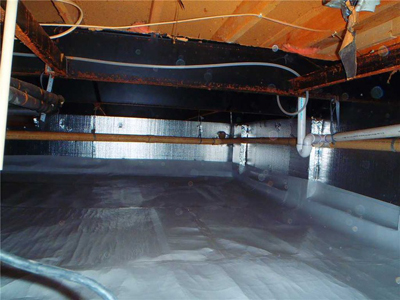
  • Installation of a wall-to-wall guide, durable, 14 mil vapor barrier.
  • Attachment of the vapor barrier over ground and up sidewalls to 6 inches below floor joists.

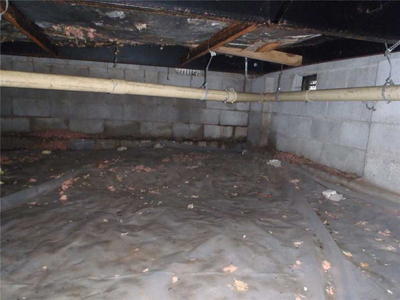
Crawlspace Encapsulation (Before and After Photos)

[huge_it_gallery id=”3″]

The result is an energy efficient, healthy home. Mold-B-Gone Remediation, LLC’s dry space methods described above not only helps mold-proof your home, but the combination of these methods will make it more energy efficient and comfortable. For more information on our crawlspace solutions, contact us today.