It’s a time bomb. If it gets to that stage doctors said I might just have five or six months to live. The worry is not knowing. It’s like there’s a gun held to your head and you don’t know when the trigger is going to be pulled. (Willie Stewart, British painter commenting on his asbestos disease diagnosis
Recently, Mold B Gone, began offering asbestos testing and removal services. We are dedicated to ensuring that our customers in the Atlanta metropolitan area live in mold free homes and are now pleased to offer further peace of mind because we can also address any questions you may have about asbestos and the potential impact it could have on your health.
Asbestos Exposure and the Significance of Labor Day!
In 1894, Congress passed an act making the first Monday in September of each year a legal holiday. Labor Day was created to celebrate the social and economic contributions made by workers. Today, we honor that tradition and celebrate American workers, but it’s important to remember there is another reason we must observe this day. We must honor the workers, who in their efforts to support their families, lost their lives from exposure to toxins like asbestos on the job.
Sadly, the number one cause of occupational-related cancer continues to be asbestos exposure, despite the fact that peak use of asbestos was more than 30 years ago. Indeed, it is estimated that 27 million workers were exposed to airborne asbestos fibers between 1940 and 1979. The tragic fact about asbestos exposure is that it is a hidden killer because the latency period for developing mesothelioma cancer is 20 to 50 years.
Worldwide, about 125 million people in the world are exposed to asbestos at the workplace and it is believed that 107,000 people die each year from asbestos-related lung cancer, mesothelioma, and asbestosis.
Myths and Facts About Asbestos!
The video below uncovers the most prominent myths:
1. Asbestos is no longer a problem.Yes it is!
2. Mesothelioma only affects the elderly.Not true!
3. Asbestos is safe with minimal exposure.No it is not!
Asbestos Does Not Just Affect Workers!
A newspaper in the UK refers to asbestos disease as a ticking time bomb because the “period between asbestos exposure and contraction of diseases is long – usually between 25 and 50 years.”
Tradespeople are not the only ones at risk of asbestos-related diseases. An increasing number of cases involving white-collar workers (teachers, doctors and office workers) who worked in environments containing asbestos are now beginning to get asbestos diseases.
A New Generation of Asbestos Victims!
In the United States, U.S. Rep. John Katko wants to set up a national mesothelioma patient registry: Mary Jo Lawyer Spano Mesothelioma Patient Registry Act. The legislation is named in honor of Spano, a Syracuse woman who died in 2014 after a four-year battle with mesothelioma. Spano was exposed to asbestos fibers that collected on her father, Charles Lawyer’s body and clothes when he was an employee for an elevator company and was exposed to asbestos. Spano’s father also suffered from mesothelioma.
The purpose of the bill is to assist in the development of treatments standards for patients and help doctors share information about the disease to improve care at mesothelioma clinics:
Unlike many chronic and rare diseases, there is currently no national registry available for mesothelioma patients. These registries collect and consolidate information about individuals who suffer from the disease and provide health care professionals, researchers and patients with the ability to search information about diagnosis, as well as track disease trends, risk factors and treatment availability. In addition to promoting and coordinating research efforts to better treat and combat mesothelioma, the creation of a national registry will help raise awareness and advocacy, expand resources and support networks, and provide hope for families like those of Mary Jo Lawyer Spano. (U.S. Rep. John Katko)
As highlighted by the Spano case, a new generation of victims is emerging of individuals that never worked with asbestos, but were unknowingly exposed.
Pulitzer prize winning investigative journalist, Gary Cohn, wrote an article, “Daughters of the Dust: The Changing Face of Mesothelioma,” which documents the fact that women are developing mesothelioma after being exposed to asbestos dust from their father’s work clothes.
The basic problem with asbestos is that there is no safe level of exposure and since it is not yet banned in many countries, it is clear that the impact of asbestos disease is not just on workers, but also individuals that are unknowingly exposed to asbestos: children, spouses, and white collar workers exposed to asbestos in their working environments.
What Is The Long Term Impact Of Asbestos Exposure?
128,015 people died of mesothelioma in 82 countries.
13,885 died of asbestosis in 55 countries.
A total of 2.18 million potential years of life lost to mesothelioma and 180,000 potential years of life lost to asbestosis.
On average, each person who died of mesothelioma lost 17 potential years of life, while those who died of asbestosis lost 13.0 potential years of life.
The current burden of asbestos-related diseases (ARDs) in terms of potential years of life is substantial.
The future burden of ARDs can be eliminated by stopping the use of asbestos.
Putting this into perspective, in the United States, 15,000 asbestos related deaths occur each year, resulting in 255,000 lost potential years of life.
Below are two infographics.
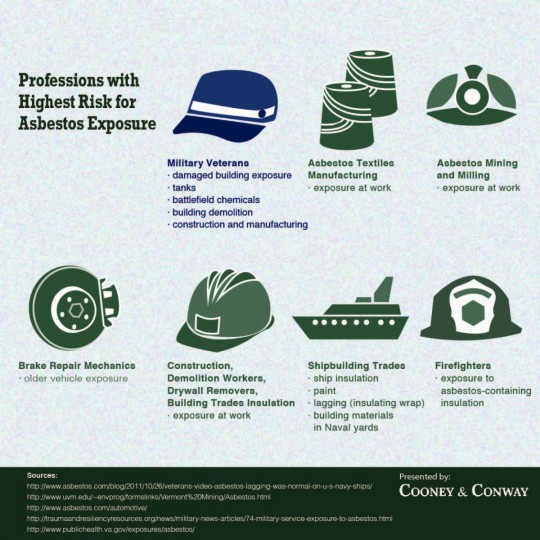
The first infographic highlights the professions with the highest risk of asbestos exposure.
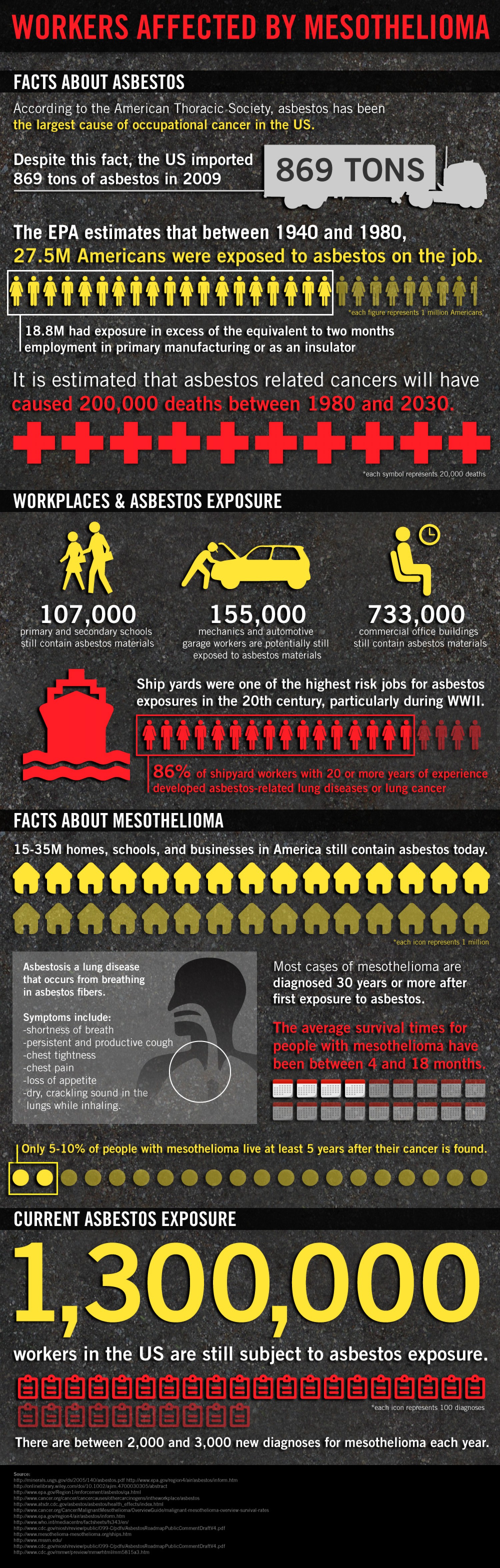
The second infographic provides you with some further statistics related to workers affected by mesothelioma.
“Once school started again, he was having breathing issues; he didn’t have any issues over the summer. This is their health and they have to breathe this in. Every single day that they are there, six hours a day that they are at school. I don’t think that’s fair to them.” (Barbara Gareau, mother of son she suspects is sick from mold)
“My child is never sick. She never has stomach problems or anything like that. It’s just weird. It’s mainly stomach pains, asthma. Some kids are having to take their allergy medicine again when they were not taking it this summer.” (Katherine Saldana, mother of daughter she suspects is sick from mold)
“Mold clung to the ceiling and left dark trails across the walls and floor. The teacher had already complained about the stench months before. Stuff was even growing on desks.” (Toxic schools: Mold, air quality spark thousands of complaints in Central Florida)
Recently there have been several news articles about mold concerns in schools:
The issue of mold in schools is not a recent problem. In fact in 2012, CNN ran a special report, that explored the issue of mold in schools. They focused on a third-grader, Matthew Asselin, in Winsted, Connecticut who missed 53 days of school because he was getting sick from mold at his school.
Matthew suffered from lethargy, a persistent wet cough, respiratory infections, headaches, pneumonia, and eventually got so ill that he needed to be hospitalized. His parents suspected that his school was making him ill because he was energetic and healthy during the summer holidays, but soon after starting school again, he got sick.
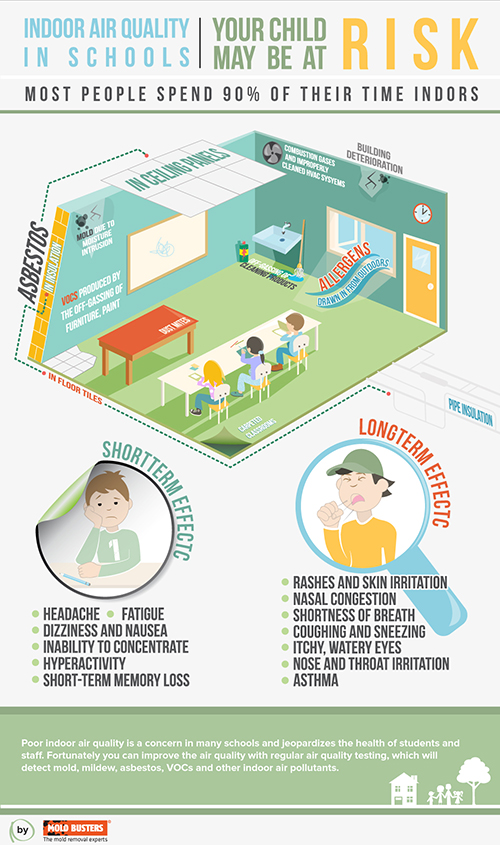
The purpose of this article is to help you determine if mold and the indoor air quality of your child’s school is making them sick and what you can do.
Stats and Facts on Indoor Air Quality in Schools
Stats and Facts on Indoor Air Quality in Schools
According to CNN:
It is estimated that one-third of schools have indoor air problems.
The core cause of mold and subsequent indoor air quality issues is moisture. An easy fix you would think. However, it is not and the situation is getting worse because of budget cutbacks that make it difficult for schools to fix issues that cause moisture issues, like roof leaks.
A national survey of school nurses found that 40% knew children and staff adversely affected by indoor pollutants.
Indoor air affects more than health. A growing body of research suggests students also perform better in schools with healthier air.
Asthma is the number one chronic illness that keeps kids out of school, and it’s growing
About one in 10 children in the United States now has asthma, which causes them to miss an average of four days of school a year
Even when children don’t miss school, the medications they take for asthma and conditions like rhinitis, an allergic reaction to mold or dust, can make it harder for them to do their best work.
About 20% to 30% of people are susceptible to mold or dust, which triggers an allergic reaction. The resulting symptoms can include itchy eyes, runny nose, coughing, headaches, fatigue, even memory problems and slowed thinking. It takes very little exposure once you’re sensitized to provoke symptoms and gets worse over time.
Children are not the only ones affected by poor indoor air quality, teachers and staff also get sick.
Home schooling is growing amongst parents that are concerned that the air quality of their child’s school is not healthy.
Is The School Making Your Child’s Asthma Worse?
Is The School Making Your Child’s Asthma Worse?
Last year, we explored the issue of mold and asthma. Highlighted below is information that pertains directly to the issue of mold and asthma with respect to children.
One of the most common health concerns for children is asthma.
One study based on a survey of more than 10,000 university students, cited that there was a strong correlation between mold and asthma.
Another study of 300 children found a strong correlation that three species of mold–Aspergillus ochraceus, Aspergillus unguis and Penicillium variabile–caused asthma in children. The studies author went on to conclude that: “It’s proof of common sense that you want to take care of mold in the home. It’s just proving that if you don’t do that, your kids are more likely to develop asthma.”
December, 2013 the New York City Housing Authority was forced to recognize mold as a health threat and specifically that one of the core causes of asthma was moisture and mold.
It would appear that more research is pointing to the fact that the prevalent and core cause of asthma in children is mold.
The researchers studied school children aged 6 to 15 years old in 44 schools and concluded that:
“Classroom Aspergillus/Penicillium and basidiospores are significantly associated with childhood asthma and asthma with symptoms reduced on holidays or weekends (ASROH). Government health policy should explore environmental interventions for the elimination of fungal spores in classrooms to reduce the prevalence of childhood asthma.”
Based on this conclusion, it is fairly clear that parents, teachers, school trustees, and the government needs to take the issue of mold in schools seriously. It is no longer a theory that poor air quality affects the health of school children, it is fairly clear that it does. It is also fair to conclude that the prevalent cause of childhood asthma is mold.
If we want to reduce the number of children with asthma, then the obvious solution is to address the issue of poor air quality in schools. Will this happen? I am hopeful, but in an age of constant government cutbacks and tight budgets, the likelihood of this happening is not very high. The driving force for change in schools will ultimately have to be the parents whose children are impacted by poor air quality.
As a parent, the only way you can determine if your child’s school is causing sickness is to monitor their health during the summer when they are away from school and monitor their health when they are in school.
Questions To Ask When Your Child Is Back In School
Questions To Ask When Your Child Is Back In School
How do I know if my child is getting sick at school from mold?
Some children are more sensitive than others. But watch out for symptoms that seem to appear only at school – for example, wheezing, hoarseness, cough, runny nose, acid reflux, digestive issues, headache and irritated eyes.
What should I do if my child is getting sick because of school?
Visit your children’s classrooms and other parts of their schools. Do you see or smell mold or mildew? Are there signs of water leaks on walls, around windows or on the ceiling?
Musty and earthy odors are always an indication that a mold problem is present. Dirty carpet and water damage might also mean there is mold and bad air quality. Mold grows where there’s moisture.
How do I know if it’s mold?
If you see fuzzy, slimy, or discolored surfaces — especially in damp or wet areas — it’s probably mold. Molds can be green, black, gray, purple or even orange.
What if I see a problem?
Alert your principal or a School Board member. A lot of times, it will take more than one call or e-mail to get a response. Although calls might be quicker, your letters will provide a paper trail. Also, be sure to log all your calls, letters and observations. Inform other parents of the problem.
How can I protect my child?
Educate yourself. Talk to school officials about what they’re doing to control humidity and how quickly they’re fixing leaky roofs and windows. Ask to see copies of investigative reports and work orders for repairs and mold removal. Finally, ensure that your child is maintaining a healthy diet so their immune system is strong.
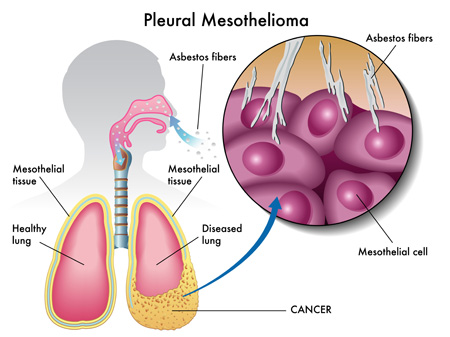
Exposure to asbestos is linked to many diseases, including asbestosis and mesothelioma and has been described as a ticking time bomb because the health effects from exposure to asbestos may take 20 or more years to surface.
Asbestos poses health risks only when the fibers are airborne and can be breathed in. When asbestos fibers lodge in the lungs they cause scarring that can lead to impaired lung function, asbestosis, and ultimately cancer, mesothelioma. The best defense against breathing in asbestos fibers is awareness and understanding, particularly if you are planning to make improvements to your home.
If your home was built prior to 1984, you will have asbestos. Asbestos was used extensively in construction materials because of it’s fire retardant capabilities.
Where Is Asbestos In The Home?
Where Is Asbestos In The Home?
Asbestos can be found in floor tiles, roofs, furnaces, plumbing, appliances, fireplaces and window caulking, leaving most everyone vulnerable. The diagram above, courtesy of Asbestos.Com provides you with a clear illustration of where you will find asbestos in your home.
When Is Asbestos A Hazard?
Asbestos is only a hazard when it is friable. Unfortunately, since so many homes have asbestos, it could potentially become a hazard because of normal wear and tear over time as the home ages. If this occurs, the fibers may become airborne.
Perhaps, the greatest hazard is when renovations are done on older homes. Then, it is inevitable that the fibers will become airborne. As a homeowner, you need to be aware of the risk and make sure you are prepared.
Take 5 And Stay Alive, a UK based website provides some excellent advice to DIY’ers considering a home renovation project. They advise that you ask these five key questions before beginning any project:
Do you suspect there’s asbestos on site?Click here to review an asbestos image gallery which shows you many materials where asbestos can be found.
Can you be sure it’s asbestos? The best way to determine if there is asbestos is to hire a professional to take a sample and then send it to a lab for testing.
What’s the level of risk and how do you handle it safely? If it is verified that there is asbestos, then the risk level must be determined.
Have you had the right type of training? Anyone working with asbestos needs to have training and this is the reason professionals should be consulted before any removal begins.
Are you taking safety precautions to minimize the risks? Asbestos abatement workers wear protective suits, have specialized training, and know how to dispose of asbestos safely.
Considering the above information it is very important that you understand the potential risks of asbestos exposure before beginning any renovation project. Do not simply rush into a project and begin demolition because once the fibers become friable you will create an unhealthy living space for you and your family.
What Should I Do If There Is Asbestos?
If you suspect that you have asbestos in your home, the first action you should take is to contact Mold B Gone to take samples that can be tested. Once the samples are tested, the amount and type of asbestos can be determined.
If you have already begun renovations and not yet had an asbestos survey done and suspect that you may have released some asbestos fibers into the air, take these precautions.
Do not disturb the material further while you are waiting for a professional to assess the situation.
Do not sweep up or vacuum any debris.
Prevent cross contamination through the rest of the home by avoiding the area.
Turn of your HVAC system (air conditioner and furnace) to prevent the spread of asbestos fibers throughout the home. In addition, you should also seal off all hot air vents and cold air returns.
If you intend to go into the area were there is suspected asbestos, wear an N95 respirator, preferably a Magenta HEPA filter on a half face respirator.
To prevent fibers from getting into other areas of the home, you need to contain the area, meaning you seal it off using 6 mil poly.
Finally, if for safety reasons, you believe that you must do some of the clean up on your own, buy an abatement HEPA vacuum and vacuum the area thoroughly and most importantly, wet wipe using soap and water covering every square inch including the ceiling, walls and all contents.
Got Asbestos Questions?
If you are planning on renovating your home and suspect that you may have mold or asbestos concerns, call Mold B Gone, 678-697-6267, or send us an e-mail. Peace of mind is just a phone call away. We look forward to serving you! 🙂
During this period we have encountered many questions about mold and the impact it can have on health.
Listed below are the top 15 questions we have encountered with links to articles that provide detailed answers.
#1 Why is Stachybotrys Mold A Health Concern?
You often hear about black mold in the media. Why is it such a big deal? Can black mold actually make you sick? This article explains why!
#2 Why Do Some People Get Sick From Mold And Others Do Not?
The challenge mold poses is that it impacts everyone differently. This article explains why!
#3 What Is The Link Between Mold and Chronic Fatigue Syndrome?
Considering the similarity of symptoms between those suffering from ME/CFS and those suffering from CIRS, it is likely that many individuals diagnosed with ME/CFS may have been exposed to mycotoxins produced by mold growth. Learn more!
#4 Is Mold Sickness A Hidden Epidemic?
Since so many health professionals are not aware of the health problems mold causes, many mold advocates believe that it is a hidden epidemic. In short, you could be sick from mold and not even know it. Learn more!
#5 Does Mold Cause Sinus Infections?
Chronic sinusitis costs the health care system more than 8 billion dollars each year. The cause is most likely mold, meaning most of the treatments prescribed are not effective. Learn more!
#6 Could Some People Diagnosed With Multiple Sclerosis Actually Be Suffering From Mold Sickness?
Dr. Rick Sponaugle of the Florida Detox & Wellness Institute strongly believes that environmental factors, such as mold, could be a cause of MS because mold toxins destroy the myelin sheath on brain neurons, causing the classic white spots seen in MS. Learn more!
#7 How Do I Know If Mold Is Making Me Sick?
Most people do not even know they are sick because of mold and or suffering from Chronic Inflammatory Response Syndrome (CIRS). Learn more!
#8 Are Dead Mold Spores Harmful?
There is a lot of bad information on the internet. One of the most prevalent myths is that you can kill mold. This article explains why this is not a good idea and why it can impact your health. Learn more!
#9 Why Does Mold Cause Depression?
Doctor Ackerley believes there is a strong correlation between mold and brain health, particularly depression and suicide. Learn more!
#10 Does Mold Cause Parkinson’s Disease?
Recent research suggests that that biologic compounds such as mold have the potential to damage dopamine and cause Parkinson’s symptoms. Learn more!
#11 Why Is Mold A Health Concern?
Mold is nature’s recycler meaning it is designed to break down dead, organic material. Now, imagine, what happens when you have mold growing in your home. It is breaking down the material it is feeding on. Since we spend up to 90 percent of our time indoors this creates a situation ripe for health issues. Learn more!
Four studies demonstrate a strong link between mold and asthma. Learn more!
#14 Does Mold Affect Pregnant Women and Infants?
This is a difficult topic to research, but there is some evidence that mold could have an impact. Learn more!
#15 Can Mold Poison Me?
There is evidence that toxins and poisons released by growing mold can harm one’s immune system and cause severe sickness. Learn more!
Got Mold and Health Questions?
If you are concerned about mold and think that it may be impacting your health, please do not hesitate to contact us because we specialize in helping mold sensitized individuals.
Our team of professionals looks forward to serving you.
Peace of mind is just a phone call away, 678-697-6267!
Up to 15,000 asbestos related deaths occur in the United States each year. Despite the wealth of information documenting the negative health impact of asbestos, it is still not banned in the United States. In fact, 30 million pounds of asbestos are used each year. Asbestos is a silent killer because one does not get sick immediately from exposure, but usually within 20 years. In the case of Steve McQueen, he was diagnosed with mesothelioma in 1979, nearly 30 years after first being exposed to asbestos while serving in the navy.
Mold B Gone now offers asbestos testing and removal services. The purpose of this article is to answer the following questions:
What is Asbestos?
Why is Asbestos a health hazard?
Where is Asbestos found?
What is Asbestos abatement?
What is Asbestos?
The word “asbestos” comes from a Greek word that means “inextinguishable”.
According to Asbestos.com, asbestos is a naturally occurring substance that has been used extensively because of its heat strength, tensile strength, and insulating properties. It has been used in thousands of products, most notably:
Automotive Parts: brake pads, clutches, hood liners, gaskets and valves;
Tiles: Flooring, ceiling and roofing tiles were commonly made with asbestos. The adhesive used to lay down flooring tiles has also been a source of exposure
Cement: Asbestos-containing cement was used in building materials because the fibers provided strength without adding much weight. Its insulating and fire-resistant properties also made the mineral an ideal substance to add to cement;
Construction: adhesives, mastics and gunning mix, ductwork connectors, floor backing, drywall taping compounds, and insulation; and
Textiles: Asbestos was used in the production of cloths and garments for its resistance to heat and corrosive elements. Some of the most common textiles included blankets, fireman suits and rope.
There are six types of asbestos:
Chrysotile Asbestos,
Amosite Asbestos,
Crocidolite Asbestos,
Tremolite Asbestos,
Anthophyllite Asbestos and
Actinolite Asbestos
Chrysotile Asbestos
Chrysotile Asbestos
This is the most commonly used form of asbestos and can be found today in roofs, ceilings, walls and floors of homes and businesses. Chrysotile asbestos also was used in automobile brake linings, pipe insulation, gaskets and boiler seals. Although it is more prevalent, some studies show it takes more exposure to chrysotile than other types of asbestos to develop related diseases.
Amosite Asbestos
Amosite Asbestos
This is known as brown asbestos, and it originates mostly in Africa. It was used most frequently in cement sheet and pipe insulation. It can be found in insulating board (which contained up to 40 percent asbestos), ceiling tiles and in thermal insulation products. Like the other forms of amphibole asbestos, it has needle-like fibers.
Crocidolite Asbestos
Crocidolite Asbestos
This is blue asbestos and it’s known for having the best heat resistance. Mined mostly in South Africa, Bolivia and Australia, crocidolite was commonly used to insulate steam engines. It was also used in some spray-on coatings, pipe insulation and cement products.
Tremolite Asbestos
Tremolite Asbestos
This is not used commercially, but it can be found as a contaminant in chrysotile asbestos, vermiculite and talc powders. It was occasionally found as a contaminant in certain asbestos-containing insulation products, paints, sealants and roofing materials. Tremolite can be white, green, gray and even transparent.
Anthophyllite Asbestos
Anthophyllite Asbestos
This type was mined primarily in Finland and displays a gray-brown color. It was not commercially used and was rather found as a contaminant. Anthophyllite was most commonly found in composite flooring.
Actinolite Asbestos
Actinolite Asbestos
This form of asbestos has a harsh texture and is not as flexible as the others. It is most often found in metamorphic rock. Actinolite was never used commercially, but it can be found as a contaminant in some asbestos products.
Asbestos History Facts
Asbestos was mined as early as 5,000 BC in Finland, Sweden, Greece, and Cyprus.
Asbestos is first described in 300 BC by Greek philosopher, Theophrastus.
Health effects of asbestos were first noted in the 12th Century by Roman naturalist Pliny the Elder.
Roman Emperor Charlemagne is rumored to have tablecloth made of asbestos. In 814 he dies of pleurisy, an inflammation of the lung membranes.
In 1727 asbestos becomes a popular material used for building.
Italian scientist Giovanni Aldini crafts fireproof clothing from asbestos in 1820.
In 1878, the first commercial asbestos mine opens in North America: Jeffery Mine in Asbestos, Quebec.
In 1908, the Federal Employers Liability Act (FELA) is passed to protect railroad workers from injuries, including asbestos exposure.
The first recorded case of asbestosis is documented in 1924.
In 1939, at the New York World’s Fair, Johns Manville Corporation promotes asbestos’ service to humanity.
In 1943, asbestos use heightens during World War II for construction and shipbuilding exposing thousands of servicemen.
In 1949, the great asbestos strike occurs in Asbestos, Quebec as workers demand better working conditions.
1969 workers compensation is paid out by Johns Manville, one of the largest producers of asbestos materials to 285 employees who had severe asbestosis. The total settlement was $1 million.
1972, nearly 30 years after the start of WWII, high rates of mesothelioma reported amongst vets.
The first major asbestos lawsuit occurs in 1973, acting as a catalyst for 25,000 more lawsuits over the next decade.
Asbestos products banned by the EPA in 1989, but in 1991, the ban was overturned and only some products remain banned, including: flooring felt, rollboard, and corrugated, commercial, or specialty paper.
The World Health Organization (WHO) recognizes Mesothelioma in 1994.
The United Kingdom bans asbestos in 1999.
Twin tower attacks release large quantities of airborne asbestos in NY in 2001.
In 2004, the WHO reported that nearly 100,000 asbestos related deaths have been reported.
2011, asbestos mining in Canada finally stops, only to be revisited again in 2012 by a group of investors, but the guaranteed loan they were counting on did not come through so the mine did not open.
Today, asbestos is still not banned in North America and continues to be used, despite the health risks associated with it.
Why is Asbestos a health hazard?
It’s shocking to me that hundreds of thousands of people are dying of asbestos-related disease across this country but most people don’t know a thing about it,” says Chris Weis, an asbestos coordinator for the Environmental Protection Agency. Medical evidence dating back to 1899 has shown that asbestos is a slow but steady killer, even though world governments, including our own, and the popular media have long bought into the idea that a little asbestos won’t hurt you. In fact, a single microscopic spear-shaped asbestos fiber lodged in a victim’s lung can cause myriad fatal reactions. Physicians estimate that exposure to asbestos will eventually kill millions of Americans. They will die of asbestosis, mesothelioma, tremolite poisoning, or cancer of the esophagus, colon, or stomach. (Excerpt from Michael Bowker’s, Fatal Deception: The Terrifying True Story of How Asbestos is Killing America)
According to the World Heath Organization 107,000 people die each year from asbestos-related lung cancer, mesothelioma and asbestosis resulting from occupational exposure. This means that approximately 294 people die daily from asbestos. Every hour 12 people die because of asbestos. One death every 5 minutes! Every day about 125 million people in the world are exposed to asbestos at the workplace, meaning death from asbestos will continue.
In the United States, 15,000 asbestos related deaths occur each year, nearly 2 Americans die each hour. Asbestos is scary because it is lethal and has been described as a silent killer that can lead to asbestosis, mesothelioma, tremolite poisoning, or cancer of the esophagus, colon, or stomach.
The video below provides an excellent explanation of what happens to the lungs when asbestos is inhaled:
Where is Asbestos found?
The prevalence of asbestos use in construction prior to 1980 means that most homes and commercial buildings will have some asbestos.
Homes and apartments built before 1980 often are filled with asbestos, needing only normal wear and tear with age to dislodge the fibers and send them airborne. Asbestos can be found in floor tiles, roofs, furnaces, plumbing, appliances, fireplaces and window caulking, leaving most everyone vulnerable.
The video below provides you with further insight into asbestos:
What is Asbestos abatement?
The key to ensuring long term health if asbestos is found in a home or building is to ensure that professionals are hired to remove the asbestos. The term used is “asbestos abatement“, which simply means the process of removing or containing the asbestos so that the asbestos fibers can not become airborne.
The first step is to identify if asbestos is present which can be done using an asbestos bulk sampler, which is the safest way to take bulk samples. The samples should then be sent to a lab for analysis.
The top priority of an asbestos abatement professional is to prevent asbestos fibers from traveling freely in the air. For this reason, the next step after asbestos is confirmed is to set up a proper containment so that the fibers that do become airborne are not allowed to travel outside of the contained area. Once the containment is set up with negative air pressure, the process of removing the asbestos can begin. All contaminated materials must be disposed according to industry and geological standards and regulations.
Once all asbestos materials are removed, the air quality should be tested by a Third Party environmental consultant before any reconstruction begins.
Got Asbestos Questions?
If you have questions about the asbestos abatement process, please contact us. We are here to help.
Asbestos Facts and Information Summary [Infographic]
The infographic below, courtesy of Sokolove Law, provides an excellent visual summary of asbestos facts and information:
Asbestos Facts and Information Summary [Infographic]
To offer our customers throughout Atlanta and other surrounding areas in Georgia and other states peace of mind with our service guarantee. We guarantee our work up to 25 years, depending on the mold prevention system: Mold Zap (1 years) or Mold Shield (25 years), that our customers choose. Both products are manufactured by American Mold Products.
Mold B Gone Specializes In Helping Mold Sensitized Customers!
One of the specialties of Mold B Gone is servicing mold sensitized individuals.
Our specialized training from Wonder Makers Environmental, enables us to effectively help our customers because we address the immediate mold concerns in a home, the spore deposition throughout the home and also the HVAC system.
We are experts in working with individuals that have been sickened from living in Water Damaged Buildings (WDB) and understand that this can cause Chronic Inflammatory Response Syndrome (CIRS).
Since we understand the health consequences caused by WDB, we empathize with our customers and take special care and precautions to ensure that the indoor environment is safe for our mold sensitized customers.
Mold B Gone took on this project, removed the mold, addressed the spore deposition of all the home’s contents, and also advised her on the best method to clean up the HVAC system.
Today, Gail is back in her home, and this is what she had to say about our services:
Mold B Gone has been a blessing in big measure with their innovation and hard work in remediation.
Specifically Richard Baker, the Manager, has excellent leadership skills and has trained a very efficient and knowledgeable team of young men who did a superb job when they came to remediate my home in Alabama. He also is a very good communicator.
Mold B Gone did a large scale remediation in my house in spring of 2016 and traveled here to do it as well. Their “can do” attitude was very encouraging at EVERY interaction.
When problems arose, they were quick responders with a great attitude. In spite of being very busy and in great demand, their responsiveness and knowledge of the topic of mold remediation makes them stand out greatly. Service is an area that seems to lack greatly today.
In a field where the remediation industry does not seem to have caught up with new findings, discovery and research on mold, and its remediation, Johnny Wells, the owner of Mold B Gone has not only stayed on top of it but also has innovated in a manner that is consistent with a healthy understanding of the extent of care that needs to be exercised in remediation.
Mold B Gone has a patent and additional certification with higher standards of remediation for mold-ill and sensitized individuals that makes them stand out among their peers.
Mold B Gone not only has my respect but great commendation for their skill, their teamwork, their staying on top cutting edge technologies, and providing me with excellent and critical service in mold remediation.
Got Mold Questions?
If you have concerns about mold or the impact it is having on your health, please call 678-697-6267, or send us an e-mail. We look forward to serving you! 🙂
What Is The Link Between Mold and Chronic Fatigue Syndrome?
What Is The Link Between Mold and Chronic Fatigue Syndrome?
“Many people are aware that water damage in buildings leads to a variety of bad outcomes. Water-impacted building materials and contents provide an environment where a variety of organisms can flourish. Bacteria, fungus, and even viruses can not only survive but reproduce on damp or wet materials. Obviously, being exposed to such organisms can potentially contribute to health problems for the occupants. Numerous national and international agencies (including the National Institute for Occupational Safety and Health, the Centers for Disease Control and Prevention, the World Health Organization, Britain’s National Health Service, and many others) have put out information warning of the possible ill health effects from occupying damp and moldy environments.” (Michael Pinto, The Mystery of Mycotoxins in Mold Contamination)
“I was a patient of Dr. Cheney’s before the “Yuppie Flu” went through and dropped a bunch of us in our tracks. Guess what my complaint was? “Chronic Fatigue.” I told Dr. Cheney, “I have an inexorably increasing reactivity to mold that gets progressively worse no matter where I live or how well I take care of myself.” This is what brought me to Dr. Cheney’s office in Carnelian Bay in early 1984. So I was reactive to mold prior to CFS. Afterwards my reactivity was absolutely life threatening. Prior to the weird flu, my problems would have been adequately described as inexplicable fatigue….eventually the sensation turned into life-destroying godawful drop-dead neurological living death illness that was nothing like fatigue. My susceptibility to mold was prior, not later as is automatically assumed. I thought that it was more than coincidental that this same mold that has such an effect on me showed up so often in clusters of CFS – especially the one that started it all, at my old high school. Interesting how Dr. Shoemakerʼs “24%” HLA genotype is suggestive of the “25% ME group.” (Erik Johnson, The Role of Toxic Mold in Chronic Fatigue Syndrome)
One of the core goals of Mold B Gone is to create awareness of mold and the potential health impact it can have.
To date, we have written several articles on the connection between mold and illness.
Listed below are some of our most popular articles:
The purpose of this article is to explore the topic of mold and health further by examining the link between mold and Chronic Fatigue Syndrome!
Top 10 Chronic Fatigue Syndrome Facts and Stats
Top 10 Chronic Fatigue Syndrome Facts and Stats
Chronic fatigue syndrome – now very often referred to as ME/CFS (myalgic encephalomyelitis/chronic fatigue syndrome) – has been widely studied over the past 25 years
ME/CFS is a debilitating and complex disorder characterized by profound fatigue that is not improved by bed rest and that may be worsened by physical or mental activity.
The cause of chronic fatigue syndrome is unknown, although there are many theories, ranging from viral infections to psychological stress. Some experts believe chronic fatigue syndrome might be triggered by a combination of factors including infections (particularly by viruses), oxidative stress, immune aberrations and toxic exposures, among others.
No single cause has been confirmed to fully explain ME/CFS.
There is no single test to confirm a diagnosis of ME/CFS.
ME/CFS patients remain chronically ill despite varying attempts at treatment.
An estimated one to 2.5 million Americans are thought to suffer from chronic fatigue syndrome (ME/CFS), but the vast majority of them are undiagnosed.
ME/CFS occurs more often in women than men and is less common among children and adolescents.
The CDC website suggests that treatments for the disease may include drugs (antidepressants and sleeping pills), psychological counseling and graded exercise.
Nutritional supplements such as Ubiquinol (the reduced form of CoQ10; one of the strongest lipid-soluble antioxidants known that is produced within your own body); D-ribose (a core building block of ATP); and Glutathione (one of your body’s most important antioxidants and a natural detox agent) may also help ME/CFS patients recover their energy.
Chronic Fatigue Syndrome Symptoms
Chronic Fatigue Syndrome Symptoms
According to the CDC website, there are 12 symptoms associated with ME/CFS.
Extreme fatigue and weakness, difficulty maintaining upright posture, dizziness, balance problems, and fainting.
Post-exertional malaise, lasting 24 hours or longer.
Muscle and joint aches and pains.
Sore throat, swollen glands, and periodic fevers and chills.
Chronic headaches.
Numbness and tingling of the extremities.
Brain fog, cognitive dysfunction, and/or lack of concentration.
Insomnia, and/or unrefreshing sleep, night sweats.
Visual disturbances (blurring, light sensitivity, and eye pain).
Gastrointestinal disturbances.
Allergies and sensitivities to foods, odors, chemicals, and medications.
Irritability, depression, and mood swings.
Could Mold Be The Cause of ME/CFS?
Could Mold Be The Cause of CFS?
To date, no cause has been identified for ME/CFS. In addition, many patients suggest that the treatments recommended for the disease are not helpful or even can make them worse. At best, research suggests that they are only mildly helpful and clearly not a long-term solution for those suffering from ME/CFS.
Upon review of the symptoms, it is apparent that there are many similarities with the symptoms of Chronic Inflammatory Response Syndrome (CIRS).
As discussed in a previous article, 25% of the population have a genetic susceptibility to CIRS which is characterized by 37 symptoms: fatigue and weakness; aches, pains, and muscle cramps; respiratory issues (cough, trouble breathing, and sinus problems); headaches; numbness and tingling; focus/concentration issues, confusion, and mood swings; sleeping troubles caused by night sweats; visual problems, including sensitivity to light and blurring vision; diarrhea and other gastrointestinal problems; and allergic reactions.
Could this possibly mean that individuals diagnosed with ME/CFS are actually suffering from CIRS because they have a genetic predisposition to mold illness?
If this is the case, then one of the key causes of ME/CFS could be mold.
Research backs this hypothesis!
Detection of Mycotoxins in Patients with Chronic Fatigue Syndrome
Detection of Mycotoxins in Patients with Chronic Fatigue Syndrome
“When sufficient moisture is available, hundreds of species of bacteria and fungi – particularly mould – pollute indoor air. The most important effects of exposure to these pollutants are the increased prevalence of respiratory symptoms, allergies, and asthma, as well as disturbance of the immune system. Preventing (or minimizing) persistent dampness and microbial growth on interior surfaces and building structures is the most important means of avoiding harmful effects on health.”
In layman’s terms, in this 228 page document, the WHO clearly argues that WDB pose a health threat to occupants.
According to Kristine Allcroft, Ph.D, the 9 most common causes of mold growth in WDB’s are the following:
Leaking roof causing moisture in the attic.
Improper ventilation in the attic trapping moisture in the eves and insulation.
Poor ventilation in the bathroom trapping moisture allowing mold to grow on the walls.
Leaking seals around windows allowing storm water to be trapped inside the walls.
Leaking plumbing in bathrooms. Sometimes the leaks are so slow that the only indication of a problem is when mold shows up!
Leaking water supply lines to washing machines.
Leaking dishwasher supply lines or drain lines in the kitchen. Leaking ice maker supply lines.
Poor grading from landscaping allowing water to drain toward and into the home instead of away from the home.
One of the most common causes of mold growth happens when a burst pipe causes water damage in the home and it’s not dried quickly enough.
One of the key problems for individuals working or living in a WDB is that they will be exposed to mycotoxins. Mycotoxins, also known as secondary metabolites are chemical compounds that are produced by fungi during their growth cycle. The suffix toxin is used because a great number of these mold-produced chemicals have been proven to be poisonous to both insects and animals—including people.
In 2013, researchers, Joseph H. Brewer, Jack D. Thrasher, David C. Straus, Roberta A. Madison, and Dennis Hooper explored the connection between mycotoxins and CFS, to determine if mold could possibly be the cause. Their study concluded:
Over the past 20 years, exposure to mycotoxin producing mold has been recognized as a significant health risk. Scientific literature has demonstrated mycotoxins as possible causes of human disease in water-damaged buildings (WDB). This study was conducted to determine if selected mycotoxins could be identified in human urine from patients suffering from chronic fatigue syndrome (CFS). Patients with a prior diagnosis of CFS were evaluated for mold exposure and the presence of mycotoxins in their urine. Urine was tested for aflatoxins (AT), ochratoxin A (OTA) and macrocyclic trichothecenes (MT) using Enzyme Linked Immunosorbent Assays (ELISA). Urine specimens from 104 of 112 patients (93%) were positive for at least one mycotoxin (one in the equivocal range). Almost 30% of the cases had more than one mycotoxin present. OTA was the most prevalent mycotoxin detected (83%) with MT as the next most common (44%). Exposure histories indicated current and/or past exposure to WDB in over 90% of cases.
Key conclusions from the study:
93% of the ME/CFS patients tested had mycotoxins in their bodies. If you have been diagnosed with ME/CFS, you may want to have your urine checked for the presence of mycotoxins
90% of the ME/CFS patients tested, were exposed to or are currently living in a Water Damaged Building. If you have been diagnosed with ME/CFS and your test proves positive for mycotoxins, then you likely have lived or are living in a WDB.
Concluding Thoughts On The Link Between Chronic Fatigue Syndrome and Mold
Concluding Thoughts On The Link Between Chronic Fatigue Syndrome and Mold
Since the modes of activity of trichothecenes differ from aflatoxins and other mycotoxins, the combinations of mycotoxins could be additive or even synergistic, which could significantly reduce the amount of either mycotoxin required to induce an immunosuppressive or toxic effect. Immunosuppressive and combinational effects of multiple mycotoxins may constitute major components in the adverse health effects reported by many of the victims of mold exposure. (A risk assessment model for mycotoxin-producing molds on human health in indoor environments)
Considering the similarity of symptoms between those suffering from ME/CFS and those suffering from CIRS, it is likely that many individuals diagnosed with ME/CFS may have been exposed to mycotoxins produced by mold growth.
If you have been diagnosed with ME/CFS, one of the first proactive actions you can take is to find out if you have mycotoxins in your body. If you do, then your current exposure to mold in a WDB or previous history of living in a WDB could be the cause.
If you are unsure of whether or not your home is water damaged and has mold, contact Mold B Gone and we can determine if you have mold and the cause of your mold growth.
If you do have mold and you test positive for mycotoxins in your body, there are two key actions you must take.
First, you should consult with an environmental physician that knows how to treat individuals sick from mold and mycotoxin exposure. If you live in the Atlanta metropolitan area, call us, 678-697-6267, because we can refer you to a physician that treats mold sensitized patients.
Second, if you are currently living in a WDB property, the source of the mycotoxin exposure has to be removed. This is very important because professional mold remediation is essential to preventing the symptoms of mold sickness and Chronic Fatigue Syndrome from coming back when your medical treatment has been completed.
Got Mold Questions?
If you have recently been diagnosed with ME/CFS and suspect that mold may be the cause, please call us, 678-697-6267 or send us an e-mail. We have mold sensitized training and empathize with your situation. Mold B Gone has removed mold from 1000s of homes and we specialize in serving the needs of mold sensitized individuals.
Article Sources
In addition to the resources listed below, I would like to thank Lisa Petrison, Ph.D, for her suggestions and comments!
Top 5 Reasons Your Crawl Space Needs A Vapor Barrier!
Top 5 Reasons Your Crawl Space Needs A Vapor Barrier
Mold B Gone are crawl space mold removal and crawl space encapsulation professionals. We have been serving the Atlanta metropolitan area since 2009, performing 1000s of jobs.
One of the most common problems we encounter ismold in crawl spaces. The purpose of this article is two fold.
First, we will answer the most common questions asked about crawl spaces.
Second, we will explain why crawl space encapsulation is so important by listing and explaining the top 5 reasons your crawl space needs a vapor barrier.
Frequently Asked Questions About Crawl Spaces!
Frequently Asked Questions About Crawl Spaces!
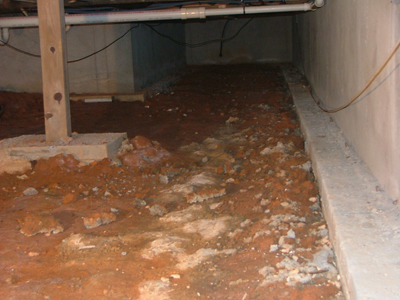
If you look into your crawl space, you may notice standing water, moldy insulation, or a bad smell. Listed below are the top questions we encounter about crawl spaces.
1. Why Does My Crawl Space Get Wet?
Your crawl space could be wet for several reasons:
Cracks in the foundation or walls allow water and moisture to enter your crawl space.
Improper ventilation can allow moisture in.
Poor drainage systems also allow moisture and water in.
Poor maintenance and not sealing the dirt floor is another common reason your crawl space is wet or damp.
2. Why Should I Be Concerned About A Wet Crawl Space?
There are two key problems caused by wet or damp crawl spaces.
First, if your crawl space has standing water or is damp, this will encourage the growth of mold and mildew.
Second, the excess moisture and mold will also cause wood rot and structural deterioration.
3. Will Vents Keep My Crawl Space Dry?
No!
Unfortunately, vents will not keep your crawl space dry.
Moisture and humidity can still accumulate in your crawl space, which in turn will lead to mold and wood rot.
In addition, often times the air flow is impeded when the vents get blocked by plants or other object outside the vent. When this occurs, water that collects around the home or drips down the exterior walls can enter your crawl space creating moisture problems.
4. Can The Air In My Crawl Space Enter My Home?
Yes!
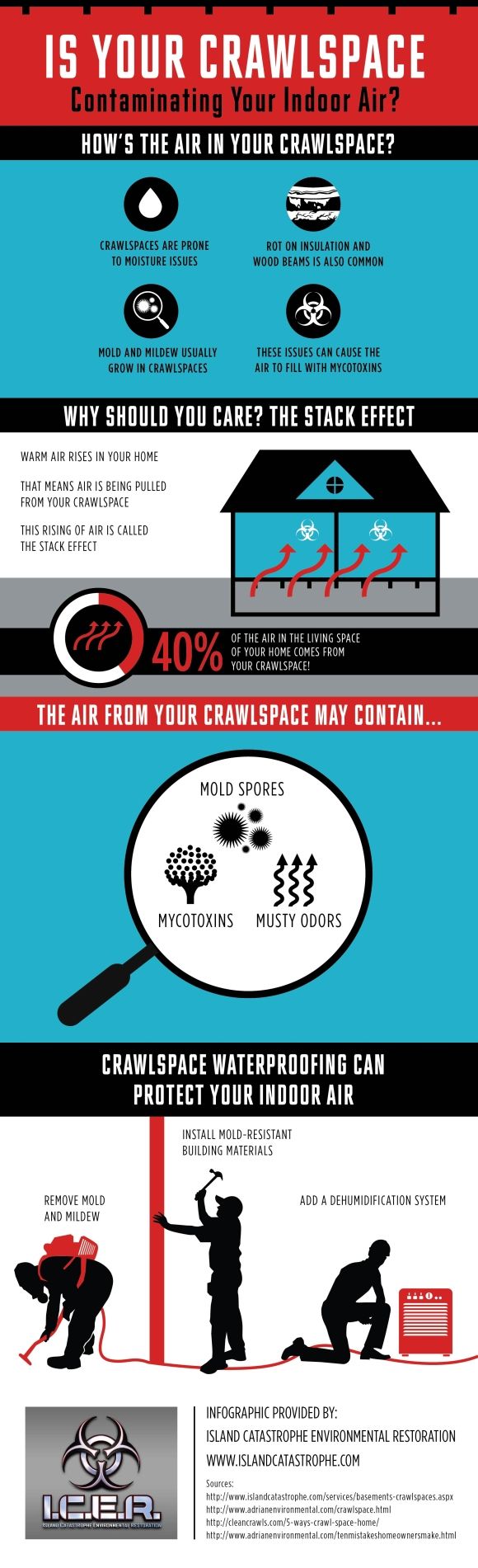
A large percentage of your home’s air, 40% or more, comes from your crawl space.
Air in your crawl space seeps up into your home through the floors, and around heating and air ducts.
The air quality of your crawl space can have a negative impact on your home if there is excess moisture and mold.
Common health issues caused by poor crawl space air include headaches, fevers, and respiratory problems.
5. What Should I Do To Keep My Crawl Space Dry?
If your crawl space is wet, the following steps must be taken.
All moisture and water must be eliminated.
Wet insulation and standing water needs to be removed.
The ventilation system must be inspected to ensure it is working efficiently. If not, it needs to be fixed.
The next step is to figure out why you have a moisture problem in the crawl space by finding and fixing any cracks, holes, leaks, or damage to the walls, ceiling, and floors.
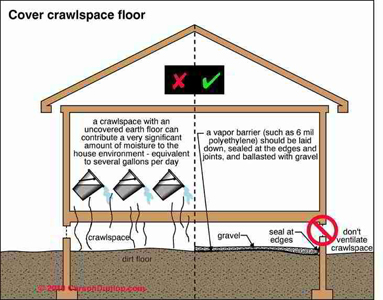
The final step is to seal up the damaged areas and install fresh insulation, and most importantly install vapor barrier, which is explained in greater detail below.
Now that you have answers to the most common questions we encounter about crawl spaces, the remainder of this article will explain why the installation of vapor barrier is so important.
Five Reasons Your Crawl Space Needs A Vapor Barrier!
Five Reasons Your Crawl Space Needs A Vapor Barrier!
#1: Keep Moisture in the Soil!
According to the EPA, a vapor barrier will keep your home drier and is especially recommended for older homes to control dampness. In Atlanta, where humidity is a big issue, your crawl space likely has moisture and damp issues and a vapor barrier will help keep the moisture down because it will prevent moisture from escaping from the soil.
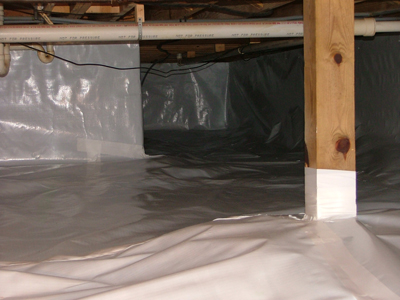
Installed correctly and spread uniformly across the soil and the the walls of your crawl space, the vapor barrier creates a barrier between moisture and your home.
#2: Prevent Ductwork from Rusting and Corroding
Most homes with crawl spaces have ductwork running underneath their home, and many have their HVAC system installed under the house as well.
It is important to keep moisture at a minimum to prevent metal from rusting and corroding.
#3: Prevent Wiring Hazards
Many crawl spaces also have wiring. Water and electricity do not mix well. Accumulation of excess moisture is a potential fire hazard and could create an unsafe environment for anyone that enters the crawl space.
#4: Keep Your Home Dry
Since excess moisture in your crawl space can enter your home through the floor boards, keeping the moisture to a minimum will also help maintain moisture levels in your home.
In addition to a damp free home, a vapor barrier will also reduce your utility bills because your air conditioner will operate more efficiently.
The risk of excess dampness and moisture in your home is mold. If your crawl space is wet and that moisture enters your home, you will not only have mold problems in the crawl space but your home.
As mentioned earlier, mold can cause health problems; moisture control is imperative in both your home and crawl space.
#5: Keep Your Crawl Space Clean
Your crawl space is an area of your home that you can potentially use for storage. In order to ensure that your crawl space is a safe and clean environment, a vapor barrier will reduce moisture and also keep the area clean and less inhabitable for rodents and insects.
If you plan to use your crawl space for other uses, such as storage, we recommend that you use a stronger and thicker barrier.
The most important role that a vapor barrier plays is keeping the moisture in the soil. At the same time, it will help maintain a cleaner and safer environment for you, should you choose to use it for storage or other uses.
Got Crawl Space Questions?
If you have questions about your crawl space, please give us a call or send us an e-mail. We look forward to serving you! 🙂
Top 5 Ways Your Crawl Space Affects Your Home Infographic
Top 5 Ways Your Crawl Space Affects Your Home Infographic
One of the core causes of mold is high humidity levels. For this reason, your air conditioner is effective at reducing humidity levels and maintaining healthy levels of 30% to 50%. Unfortunately, your air conditioner can also be a source of mold if it is not properly maintained. The purpose of this article is to explain how your air conditioner could be a source of mold contamination and what you can do to address this problem.
The HVAC System Is Your Home’s Lungs
HVAC is an abbreviation for Heating, Ventilation, and Air Conditioning. The purpose of the HVAC system is to provide healthy indoor air quality by removing moisture, odors, smoke, heat, dust, airborne bacteria, and carbon dioxide, and replace it with clean air.
Ventilation is the most important component of your HVAC system because it’s main purpose is to circulate the air within the home and ideally is constantly introducing outside air into the system. The duct work in the HVAC system enables it to circulate the air throughout the whole home. Proper maintenance of your HVAC system is essential to ensuring that your indoor air quality is optimal.
Failure to replace filters is the number one error that home owners make. Filters need to be replaced consistently because they prevent pollen, pesticides, and other pollutants from entering the home. Once pollutants, dust, and other debris get into the duct work, mold can begin to grow because it now has a food source. Mold will only begin to grow if there is moisture. Once mold spores enter the air conditioning system, alternating high and low humidity conditions will help grow, spread, and distribute the spores throughout the house.
The HVAC System Is Your Home’s Lungs
Illnesses Caused By Air Conditioning Mold
Health signs that you could have mold in your AC unit include the following:
Many of these symptoms are also associated with over-exposure to air conditioning which causes mucus membranes to dry out, causing colds, upper respiratory infections, dry skin, nose bleeds, and flu-like symptoms including fatigue, headaches, dizziness, and breathing difficulties.
Another potential problem caused by over-exposure to air conditioning is heat intolerance which causes discomfort when you go outside. Symptoms of heat intolerance include exhaustion, dizziness, headaches, and heat stroke. Prevent over-exposure by using a thermostat that regulates the indoor temperature, meaning the AC unit turns off when the ideal temperature is reached and turns on when the temperature goes above the ideal setting.
How Do I Verify That I Have Air Conditioning Mold?
If you are experiencing the health symptoms above and suspect that your AC unit or duct work is contaminated with mold, here are some clues to determine if you do have mold.
1. Check your vents and look for any visible mold or a musty smell in the room.
2. Take a short vacation and record your health symptoms. If you feel better when you are out of your home, then likely you have air quality concerns in your home which could be caused by mold.
3. Hire a professional mold inspector to do a complete survey of the home to find the source of contamination and determine if the home requires remediation. Also, be sure to check your crawlspace for suspect mold.
If no suspect mold is found or major moisture concerns that could be causing the mold, then a comparative air quality test can measure the relative spore count inside and outside. If the spore count is much higher inside than outside, then this could indicate that you have mold spores circulating throughout your home and you should get your AC unit and ducts checked for mold.
Removing Air Conditioning Mold
If you have mold in your AC unit, then it should be professionally cleaned. When you hire the service company, ensure that they take the following actions:
Clean the blower unit.
Use a certified and non-toxic chemical cleaner.
Use a chemical that has anti-fungi and anti-bacterial properties.
Ensure that the technician does not just clean the unit with a vacuum and brush because this simply agitates the bacteria and viruses breeding there.
We also recommend that the ducts are professionally cleaned in accordance with NADCA standards to ensure that your whole HVAC system is functioning efficiently and to prevent further spread of mold spores.
Professionals should be hired because it can be difficult to access all the parts of the air conditioning ductwork and they have the experience and training to do this properly. Further, professionals have air whips or air skippers that drive dust, dirt, mold, and other debris toward collection devices fitted with HEPA (high-efficiency particulate air) filters.
Preventing Air Conditioning Mold
Mold can be prevented in your air conditioner and HVAC system. Once you have the system professionally serviced and cleaned, these guidelines will help prevent future problems
1. Always maintain indoor humidity levels between 30% and 50% by getting a humidistat installed and set at the ideal level.
2. Follow manufacturer’s recommendations and clean or replace your unit’s air filter because these are designed to prevent the spread of bacteria and viruses. Failure to properly clean and replace filters will allow pollutants to build up and get caught in the filter and disperse into your indoor air.
3. Service your HVAC system every year.
4. Turn off your system and open the windows during cooler periods to bring in more fresh air. Adequate ventilation is essential to reducing indoor contaminants.
5. Install an air cleaner on your central heating and air conditioner unit to ensure a constant stream of clean air.
Consistent use of your AC is important because it reduces humidity levels which is moisture that mold needs to thrive. However, like any household appliance, you need to properly service and maintain your AC unit to ensure that it is operating efficiently and does not become a source of indoor contamination. Preventative maintenance is the key.
These symptoms could be caused by the air you are breathing.
Our Indoor Air Quality Testing
We use OSHA, NIOSHA, and EPA testing procedures to investigate indoor air quality complaints or give you a profile of your air.
Hundreds of compounds can be tested for including gases, chemicals, dust, and biological samples.
We take special care in instruments calibration and sample handling to produce accurate and reliable results.
Our results are compared with controlled samples to ensure accurate data.
We offer services for both residential and business customers.
Mold Testing
Mold testing is done by taking air samples and comparing inside and outside spore numbers and can determine if a building has a high amount of mold present.
Mold and moisture testing will help assess problems by determining if high mold levels exist and if remediation work is necessary.
Mold inspections look for any areas affected by mold and moisture.
During our inspections, we take moisture reading of interior walls in the sample area to see if there is a suitable environment for mold to grow.
Our experts are trained scientists and have a background in the building construction industry.
We can relate mold data to a building and provide you with practical solutions if a problem is found.
We can identify and asses any mold problem you may have.
Environmental Consulting
Consulting services meet your special and specific environmental needs.
Risk management services are offered to help asses environmental conditions present and to help determine if action should be taken to minimize risks and exposure.













![Asbestos Facts and Information Summary [Infographic]](https://moldbgonega.com/wp-content/uploads/2016/07/Asbestos-Facts-and-Information-Summary.jpg)