


Commercial mold removal in Atlanta typically spans 3 to 7 business days, involves containment and air filtration systems, and requires coordinated scheduling to minimize operational disruption, that’s the straightforward answer most business owners need. Atlanta’s warm, humid climate (Climate Zone 3A) creates persistent conditions for mold growth, with frequent rain and high humidity, and older building stock that presents ongoing moisture challenges. When mold contamination strikes a commercial property, understanding exactly what the remediation process entails helps businesses prepare effectively, protect employees, and maintain operations.
This comprehensive blog breaks down every phase of commercial mold remediation, from initial mold inspection through post-remediation verification. You’ll learn realistic timelines, cost considerations specific to Atlanta, what to expect from professional mold remediation teams, and strategies for preventing recurring issues in our challenging climate.
Key Takeaways
- Commercial mold remediation in Atlanta typically takes 3-7 business days for moderate contamination, with extensive projects involving HVAC systems or multiple floors requiring up to 10 days or more
- Businesses should expect distinct phases: initial assessment, containment, mold removal, cleaning, drying, and final clearance testing
- Professional mold removal minimizes operational disruption through proper containment, negative air chambers, and strategic scheduling during off-hours
- Costs typically range from $10-$25 per square foot, with total project costs between $2,000-$15,000+ depending on affected areas and materials involved
- Post-remediation prevention strategies are essential for long-term mold control, particularly during Atlanta’s peak humidity months from May through September
The Commercial Mold Removal Process: Step-by-Step Expectations
The mold removal process begins with a detailed assessment of the affected areas, using advanced tools such as moisture meters and infrared cameras to detect mold growth. Understanding each phase helps Atlanta business owners prepare their teams, coordinate with building management, and set realistic expectations for project completion. For businesses dealing with larger or recurring contamination issues, understanding the full scope of commercial mold remediation can make it easier to prepare for each phase and reduce disruption during the process.
Professional mold remediation follows established industry protocols, primarily the IICRC S520 Standard for Professional Mold Remediation. Each phase builds upon the previous one, with specific timeframes that protect both business operations and employee health throughout the remediation process.
Initial Assessment and Containment (Days 1-2)
The damage assessment phase establishes the scope of work and determines the appropriate remediation approach. A certified mold assessor performs visual inspection across affected zones while using moisture meters and infrared cameras to detect hidden moisture behind walls or above ceilings. Air sampling and surface sampling may be conducted to identify mold species and establish baseline spore counts for comparison after remediation.
After identifying the extent of the mold problem, the affected area is sealed off to prevent mold spores from spreading to other parts of the building, often using containment measures like negative air chambers. This containment setup includes:
- Plastic sheeting creates sealed containment chambers
- Negative air machines maintain pressure differentials to prevent cross-contamination
- HVAC system shutdown or isolation to avoid spore dispersal through ductwork
- Photo documentation and moisture logs for insurance and compliance purposes
Commercial mold inspection costs in Atlanta typically range from $1,000 to $3,500, depending on building size and the number of samples required for comprehensive documentation.
Mold Removal and Material Disposal (Days 2-5)
Mold removal often involves advanced techniques and equipment, including HEPA vacuums and antimicrobial solutions. It may require removing and replacing deeply infiltrated porous materials, such as drywall or carpeting. The distinction between cleanable and removable materials significantly affects both the timeline and the cost.
Non-porous surfaces such as metal, concrete, glass, and tile can typically be cleaned with HEPA vacuuming, damp wiping, and antimicrobial treatments. However, porous materials with significant mold infestation, including drywall, insulation, ceiling tiles, and carpeting, must be removed in accordance with Environmental Protection Agency guidelines.
Safe disposal protocols require moldy materials to be sealed in 6-mil polyethylene bags, double-bagged in severe cases, and transported off-site in accordance with local regulations. Throughout removal, HEPA air scrubbers run continuously to maintain indoor air quality, while air filtration prevents spore dispersal to uncontaminated areas.
Once the mold is removed, cleaning and sanitization are essential to restore the affected areas, which may involve using HEPA air scrubbers to filter the air and treating non-porous surfaces with antimicrobial solutions.
Timeline and Scheduling Expectations
Commercial mold removal projects require more time than residential work due to larger spaces, complex HVAC systems, multiple occupancy zones, and business continuity requirements. A small commercial office with visible mold in one room and easy access typically requires 3-5 days from assessment through clearance testing. Larger projects involving multiple floors, HVAC contamination, or hidden mold behind walls may extend to 7-10 days or longer.
To minimize operational disruption, many professional mold remediation companies schedule work during off-hours, evenings, nights, or weekends. This approach allows businesses to maintain daytime operations while remediation proceeds in affected areas.
Factors Affecting Project Duration
Several variables can extend or shorten the remediation timeline:
- Square footage and room count: Larger affected areas require more containment zones, additional equipment, and extended removal time. Multi-room contamination multiplies complexity exponentially.
- Material type: Porous surfaces requiring removal and disposal add significant time compared to cleanable non-porous materials. When mold has penetrated structural elements, additional demolition and reconstruction significantly extend the project.
- Moisture source complexity: Identifying and addressing underlying moisture issues is essential for successful remediation. Hidden leaks, roof penetrations, or foundation water intrusion may require coordination with plumbers, roofers, or waterproofing contractors.
- Drying time: Atlanta’s ambient humidity can slow drying processes. Achieving the moisture levels required before reconstruction can begin may take additional days during peak humidity months.
- HVAC involvement: If mold has entered ductwork or air handling systems, cleaning and repair significantly increase both timeline and cost.
Cost Considerations and Budget Planning

Commercial mold remediation costs in Atlanta vary based on the extent of contamination, material types, building accessibility, and project complexity. Base remediation costs average approximately $23 per square foot, with a range of $9 to $46 per square foot depending on specific conditions.
For typical commercial projects:
- Moderate contamination in accessible areas: $2,000-$6,500
- Extensive contamination with porous material removal: $6,500-$15,000
- Large-scale projects with HVAC involvement: $15,000-$30,000+
Insurance coverage for mold damage depends on the cause. Georgia policies typically cover mold caused by sudden, accidental incidents such as burst pipes or storm damage, but exclude mold resulting from neglect, maintenance issues, or chronic humidity. Many policies also include mold coverage caps, often between $5,000 and $10,000. Businesses should confirm coverage immediately upon discovery and document all findings thoroughly.
Common Additional Expenses to Anticipate
Beyond direct remediation costs, Atlanta businesses should budget for:
Emergency water damage repairs: If active leaks are discovered during assessment, immediate repairs prevent ongoing moisture intrusion and additional mold growth.
HVAC system cleaning and duct sanitization: When commercial mold has entered air-handling systems, professional duct cleaning can cost $2,000-$5,000 or more, depending on system size.
- Temporary relocation expenses: Severely affected work areas may require employee relocation during remediation, adding productivity costs and potential rental expenses for temporary space.
- Post-remediation air quality testing and certification fees: Independent clearance testing typically costs $200-$400, with comprehensive commercial assessments running higher.
- Reconstruction costs: Replacement of removed drywall, ceiling tiles, flooring, insulation, and finishes adds substantial costs beyond remediation itself.
Because moisture left behind after leaks or flooding can quickly lead to mold growth, there are several reasons to have your home or business professionally dried after water damage before the issue spreads into walls, flooring, or HVAC systems.
What to Expect From Professional Remediation Teams
Hiring certified professionals for mold remediation is crucial, as they possess the necessary training and expertise to effectively identify and address mold issues, ensuring safety and regulatory compliance. While Georgia has no state licensing requirement specifically for mold remediation contractors, reputable companies maintain IICRC certification under the S520 standard, with technicians trained to the Applied Microbial Remediation Technician (AMRT) level.
Professional mold remediation teams employ extensive safety measures throughout the project. Technicians wear appropriate personal protective equipment, including respirators (N-95 or half/full-face with HEPA filters), disposable coveralls, gloves, and goggles. For larger spaces or certain mold species, such as Stachybotrys, stricter containment and full respirators are required.
When choosing a mold remediation service, it is essential to evaluate the range of services offered, ensuring they provide comprehensive solutions from inspection to prevention strategies. Look for companies with proven experience in commercial buildings, positive online reviews, and clear documentation practices.
Daily Communication and Progress Updates
Professional expertise includes transparent communication throughout the project. Expect:
- Morning briefings on daily work plans and estimated completion times for each phase
- Photo documentation of progress and immediate notification of any discoveries
- End-of-day reports summarizing completed work and next-day scheduling
- Direct contact information for the project manager for urgent questions
- Clear scope documents defining deliverables, clearance standards, and acceptable moisture levels
It is important to consider a mold remediation company’s experience and specialization, as seasoned professionals are more likely to handle complex mold issues effectively and efficiently.
Business Operations During Remediation
Unchecked mold infestations can cause significant disruption in business environments, leading to operational interruptions, decreased productivity, and revenue losses. Strategic planning minimizes these impacts while ensuring employee well-being throughout the remediation process.
Only unaffected areas should remain in use during remediation. Containment barriers isolate work zones, but shared systems like HVAC ducts may require shutdown to prevent cross-contamination. Businesses should:
- Identify critical functions that cannot be interrupted and plan alternatives
- Arrange remote work options or temporary relocation for employees in affected areas
- Communicate clearly with staff about safety protocols and timeline expectations
- Consider scheduling remediation during slower business periods when feasible
- Accommodate sensitive individuals with allergies, respiratory conditions, or compromised immune systems
Mold exposure can lead to severe health issues, particularly for individuals with allergies, respiratory conditions, or compromised immune systems, including symptoms like skin irritation, nasal congestion, and difficulty breathing. In Atlanta, GA, an estimated 1.5 million people are at risk of health complications from mold exposure, underscoring the importance of swift action against mold.
Post-Remediation Expectations and Follow-Up
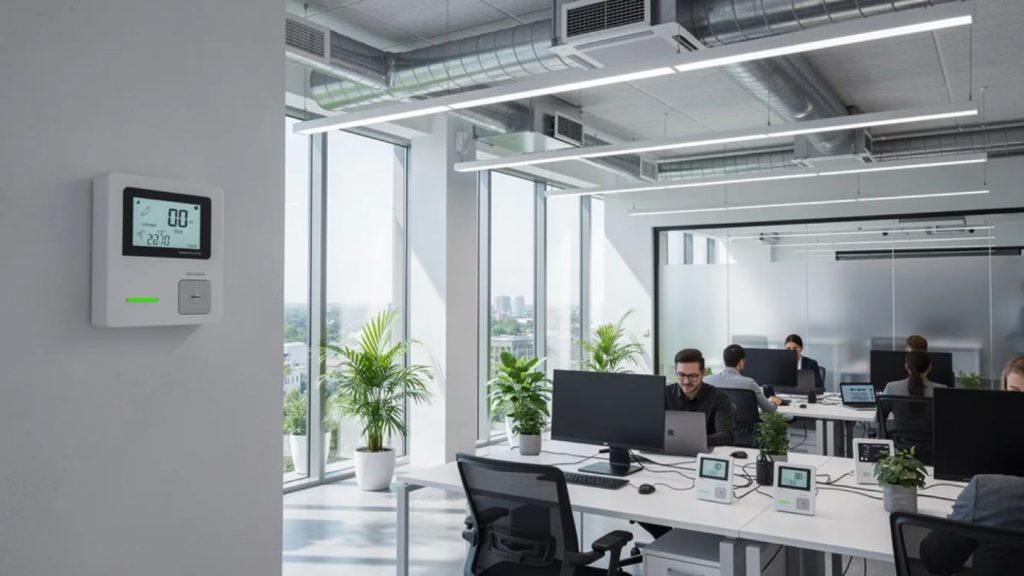
The final step in the mold removal process includes a thorough inspection to ensure the mold has been successfully remediated and to provide advice on future prevention strategies. An independent inspector performs clearance testing, which typically includes visual evaluation, moisture readings, and air sampling compared to baseline or outdoor reference samples.
Upon clearance certification, reconstruction begins by replacing removed drywall, flooring, ceiling tiles, insulation, and finishes. This phase may require coordination with carpenters, painters, and HVAC technicians, potentially adding several days to weeks, depending on the scope.
Many remediation services offer guarantees that mold will not recur for a defined period, provided moisture sources remain addressed. Follow-up visits or monitoring may be included in comprehensive service packages.
Long-Term Prevention in Atlanta’s Climate
Mold thrives in moist environments, making moisture control essential to prevent mold growth and maintain indoor air quality. Atlanta’s climate demands proactive prevention strategies:
- Humidity control systems: Commercial dehumidifiers and properly configured HVAC systems should maintain indoor relative humidity below 50%. During summer months, Atlanta’s outdoor humidity regularly exceeds this threshold, requiring mechanical control.
- Regular inspections: Conducting regular inspections is essential for identifying potential mold risks early and preventing their escalation. Focus on high-risk areas, including basements, crawlspaces, roof areas, HVAC condensation lines, and plumbing penetrations. Frequent inspections can help catch leaks or moisture issues promptly, thereby preventing the development of more serious mold problems.
- Moisture monitoring protocols: Implement monitoring during peak humidity months (May-September) using moisture meters in vulnerable areas. Addressing moisture issues, such as leaks or poor ventilation, is crucial for long-term success in mold prevention and maintaining a healthy indoor environment.
- Emergency response plans: Establish relationships with restoration services contractors, define staff responsibilities for water intrusion events, and maintain documentation protocols. When disaster strikes, rapid response significantly reduces mold damage.
Implementing moisture control measures, such as using dehumidifiers and improving ventilation, can significantly reduce the risk of mold infestations in both residential and commercial properties.
Final Thoughts
In conclusion, commercial mold remediation in Atlanta involves a structured process that includes professional inspection, containment, mold removal, cleaning, verification, and long-term prevention. Understanding each phase helps business owners and property managers prepare for the remediation process, minimize operational disruptions, and protect employees and occupants from the health and structural risks associated with mold contamination. Taking fast action and addressing moisture issues early can help prevent costly repairs and recurring mold problems in Atlanta’s humid climate.
At Mold-B-Gone, we provide professional Commercial Mold Removal in Atlanta along with expert crawlspace encapsulation, duct cleaning, IAQ testing, and water damage flood restoration services to help businesses maintain safer, healthier, and more productive indoor environments. Our experienced team delivers thorough inspections, effective remediation solutions, moisture-control strategies, and reliable support tailored to the unique challenges commercial properties face across the Atlanta area. Contact us today to schedule a professional commercial mold assessment for your property.
Frequently Asked Questions
How long does commercial mold remediation typically take in Atlanta?
Commercial mold remediation in Atlanta typically takes 3-7 business days for moderate contamination affecting one or two rooms with accessible mold. Projects involving multiple floors, HVAC system contamination, or extensive hidden mold behind walls may require 10 days or longer. Timeline factors include affected square footage, material types, moisture-source complexity, and the required drying time before reconstruction.
Can employees continue working in unaffected areas during mold removal?
Yes, employees can generally continue working in unaffected areas during mold removal, provided proper containment is established. Negative air chambers and sealed barriers prevent mold spores from spreading beyond work zones. However, shared HVAC systems may require shutdown, and sensitive individuals with allergies or respiratory conditions may need accommodation. Your remediation company will advise on safe occupancy during each project phase.
What should businesses do to prepare their workspace before remediation begins?
Businesses should remove personal items, electronics, and important documents from affected areas before remediation begins. Clear access paths for equipment and materials, and communicate with employees about temporary workspace changes. Notify your insurance company immediately, document existing conditions with photos, and prepare alternative work arrangements for staff in affected zones. Your remediation team will provide specific preparation instructions based on your situation.