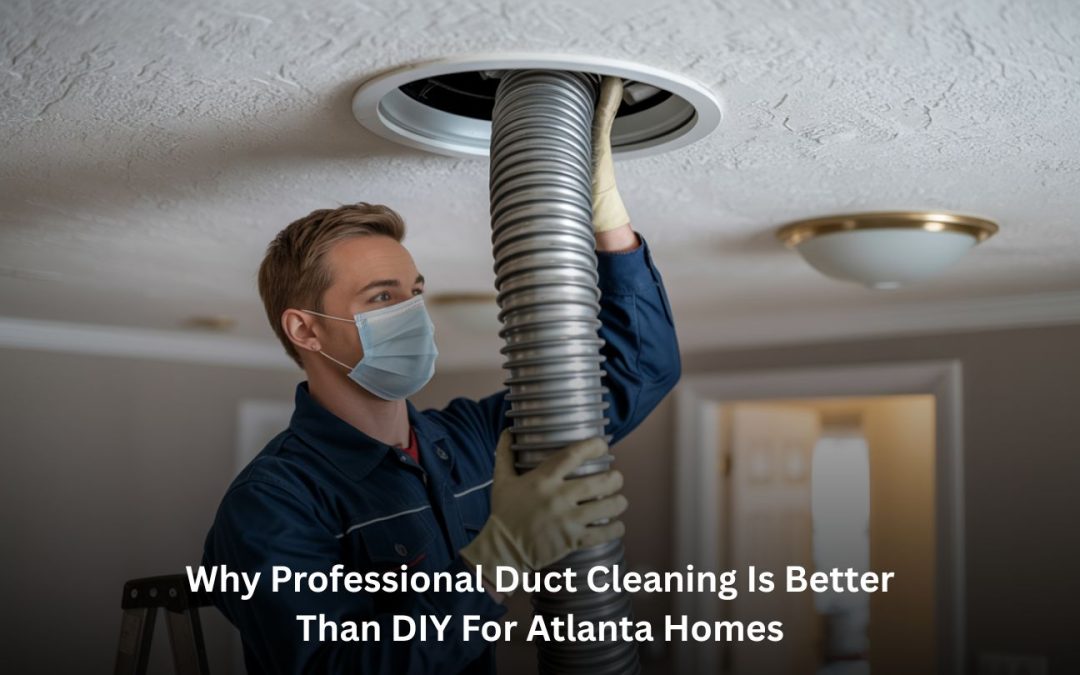
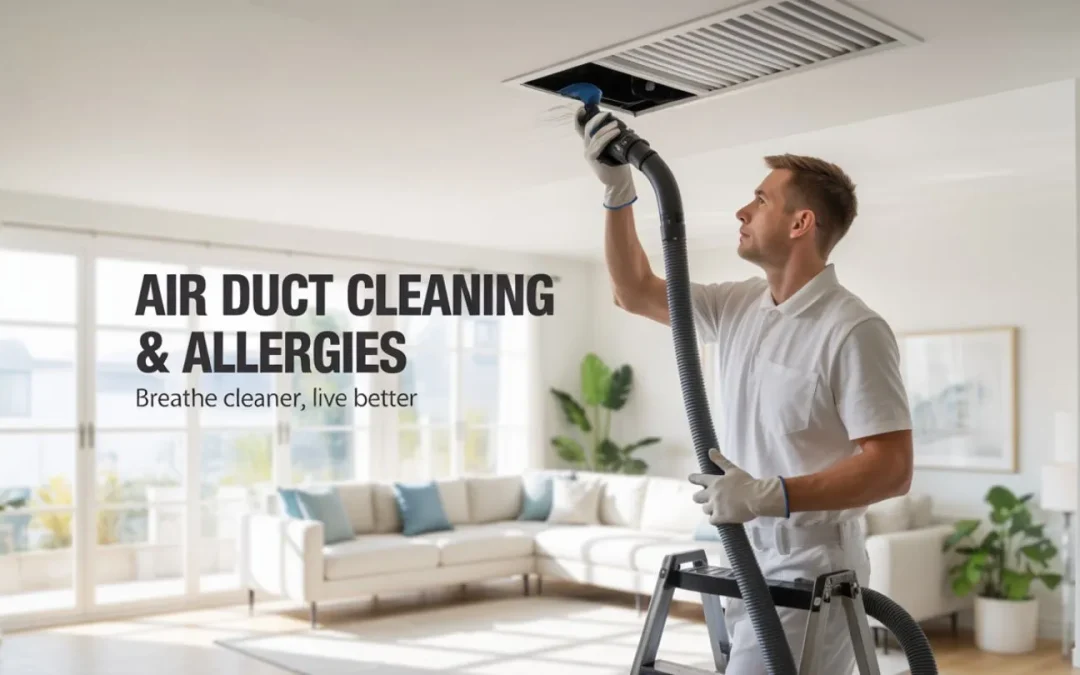
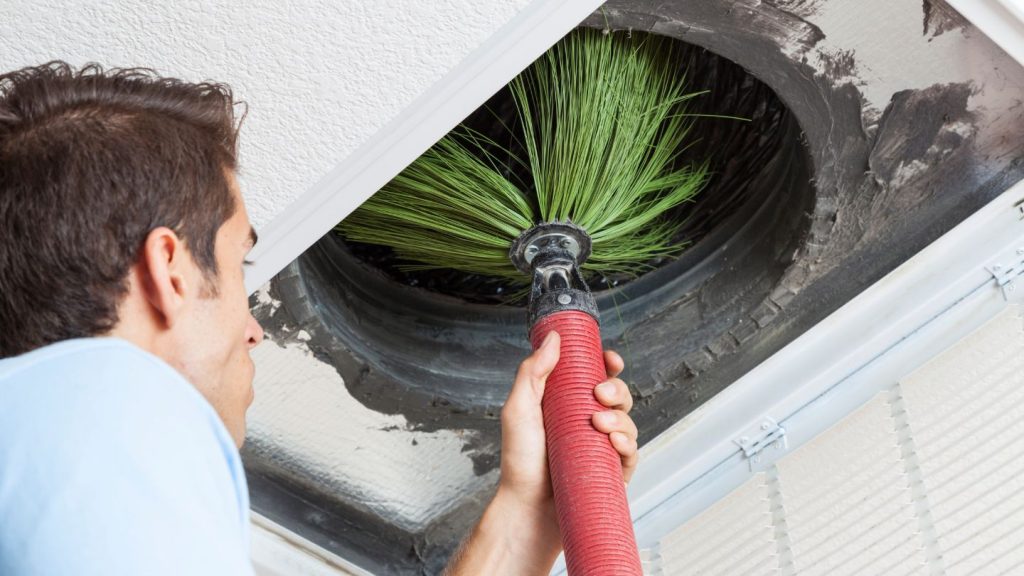
Atlanta homeowners face a constant battle against what’s accumulating inside their air ducts, and most don’t realize DIY methods simply cannot win this fight. With humidity levels regularly exceeding 70% and pollen counts that rank among the nation’s worst, professional duct cleaning is better than DIY for Atlanta homes because our subtropical climate creates contamination challenges that household equipment was never designed to handle.
The combination of pine and oak pollen, red clay dust, mold spores, and persistent moisture means Atlanta air ducts accumulate debris faster and more deeply than homes in drier regions. When you attempt DIY duct cleaning with a standard vacuum cleaner, you’re addressing roughly 10-15% of the problem while potentially spreading the remaining 85-90% of contaminants throughout your living spaces.
This blog examines exactly why Atlanta’s unique climate demands professional air duct cleaning, the serious limitations and safety risks of DIY methods, and how professional duct cleaning services deliver results that protect both your family’s health and your HVAC system’s efficiency.
Key Takeaways
Professional duct cleaning uses specialized equipment, including truck-mounted vacuums, rotary brushes, and HEPA filtration, that DIY methods cannot replicate
Atlanta’s high humidity (70%+ in summer), combined with extreme pollen seasons, creates contamination that embeds deep in duct surfaces
DIY cleaning attempts often stir up mold spores and allergens without proper containment, actually worsening indoor air quality
Professional cleaning removes 85-95% of contaminants and can improve HVAC efficiency by 15-40%, reducing energy costs
Safety risks in humid crawl spaces and hot attics, plus potential for costly ductwork damage, make DIY cleaning inadvisable for Atlanta homeowners
Why Atlanta’s Climate Makes Professional Duct Cleaning Essential
Atlanta’s humid subtropical climate creates perfect conditions for contamination buildup inside your duct system. Summer months see relative humidity consistently hovering around 70-75%, and this persistent moisture promotes condensation throughout your entire HVAC system, especially on cooling system components, in duct seams, and within poorly insulated sections running through attics and crawl spaces.
This moisture, combined with organic debris, creates ideal conditions for visible mold growth and mildew colonization inside air ducts. When your heating and cooling system operates, it pushes air through these contaminated passages, distributing mold spores throughout your home’s air quality zone.
Atlanta’s pollen problem compounds these moisture issues dramatically. The city regularly records pollen counts exceeding 3,000 grains per cubic meter during spring months, with historical highs surpassing 10,000. Tree pollen season, featuring oak, pine, sycamore, and sweet gum, runs from late February through April, followed by overlapping grass and weed pollen seasons that extend allergen exposure for months.
Compared to homes in drier climates, Atlanta residences experience accelerated contamination accumulation. The combination of humidity-driven biological growth and heavy seasonal pollen loads means dirty ducts develop faster and require more thorough cleaning to address.
The contaminants accumulating in Atlanta air ducts present unique challenges that household equipment simply cannot address:
Pine and oak pollen: Fine particles that embed deep in duct surfaces and insulation liners
Red clay dust: Georgia’s distinctive soil generates ultra-fine particles that penetrate ductwork through leaks and gaps, especially during construction or rainstorms
Kudzu spores: This invasive plant releases spores that circulate through HVAC systems
Pet dander and dust mites: These combine with humidity to create sticky accumulations in bends and seams
Urban particulate matter: Traffic pollution and ozone contribute to background contamination loads
These particles, many measuring below 5 microns, penetrate far beyond where DIY tools can reach, posing particular problems for Atlanta residents already struggling with allergy and asthma symptoms who need air duct cleaning for allergies and cleaner indoor air. They collect behind the evaporator coil, in flex duct bends, and throughout return air ducts. Removing them requires professional equipment with HEPA filtration and negative pressure systems that create proper containment during the cleaning process.
The Serious Limitations and Risks of DIY Duct Cleaning
The fundamental problem with DIY duct cleaning is inadequate equipment. A household vacuum cleaner, brushes, and extendable wands can only reach the first few feet inside vent covers and registers, and they don’t account for how long a thorough professional air duct cleaning visit typically takes to address the entire system properly. In typical Atlanta homes, long duct runs extend through attics and crawl spaces, areas where the heaviest debris buildup occurs and where DIY methods simply cannot access.
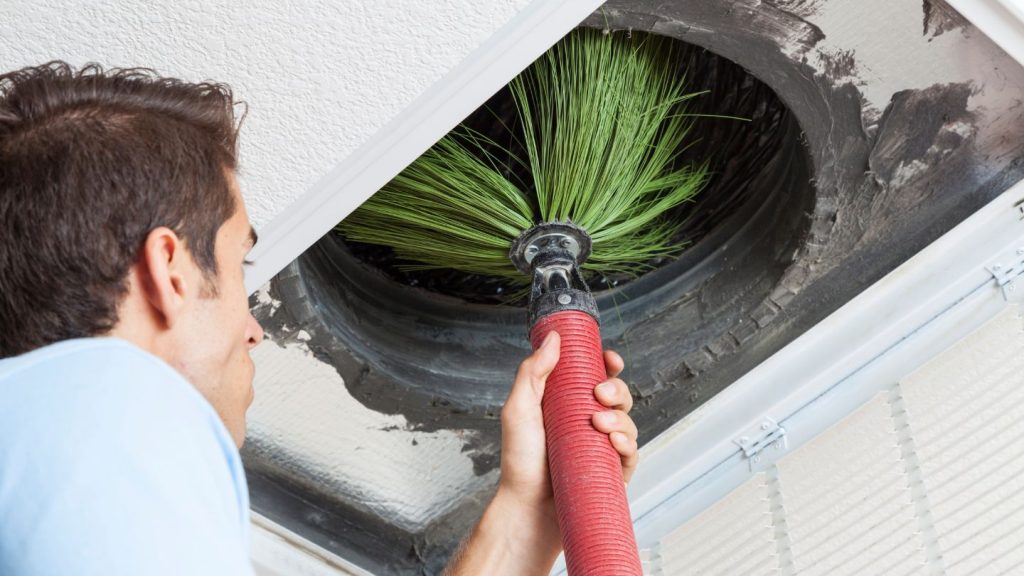
Professional duct cleaning services use truck-mounted vacuum systems, generating powerful negative pressure that pulls contamination from the entire system. These systems, combined with rotary brushes and inspection cameras, can reach every section of your ductwork. DIY efforts, by contrast, typically clean only 10-15% of the total duct interior while leaving critical system components like coils, blower assemblies, and air handlers completely untouched.
The safety hazards of DIY cleaning in Atlanta homes deserve serious consideration. Crawl spaces remain humid year-round, creating environments where mold exposure risks are significant without proper protective equipment. Attics in Atlanta summers can exceed 130°F, presenting heat exhaustion dangers during extended cleaning attempts. Without professional safety gear, homeowners risk inhaling concentrated mold spores, dust mites, and other irritants disturbed during cleaning.
Common DIY Mistakes That Worsen Atlanta Indoor Air Quality
Atlanta homeowners attempting DIY cleaning frequently make errors that actually degrade their home’s air quality:
Using moisture-introducing methods: Damp cloths, wet brushes, or improper chemical sprays introduce moisture into ductwork. In Atlanta’s already humid environment, this triggers accelerated mold growth rather than eliminating it.
Failing to contain dislodged debris: Without sealed access holes and proper containment, thick dust, pollen, and mold spores stirred up during cleaning circulate throughout living spaces. Family members with severe allergies often experience worse symptoms after DIY attempts than before.
Damaging ductwork in tight spaces: Flex ducts’ inner liners tear easily. Metal ducts dent and develop air leaks when mishandled. Joints can loosen, creating gaps where humid attic or crawl space air infiltrates the system. Repairs often prove more costly than professional cleaning would have been.
Missing critical components: DIY cleaning focuses on visible debris at supply vents and return air ducts near registers. But contamination accumulates throughout the entire HVAC system, in drip pans, behind coils, and in the air handler housing. Incomplete cleaning provides minimal benefit.
Ignoring moisture sources: Many Atlanta homes have underlying duct leaks or condensation issues that cause contamination. Without addressing these root causes, surface dust returns quickly, and the debris buildup continues.
How Professional Duct Cleaning Delivers Superior Results for Atlanta Homeowners
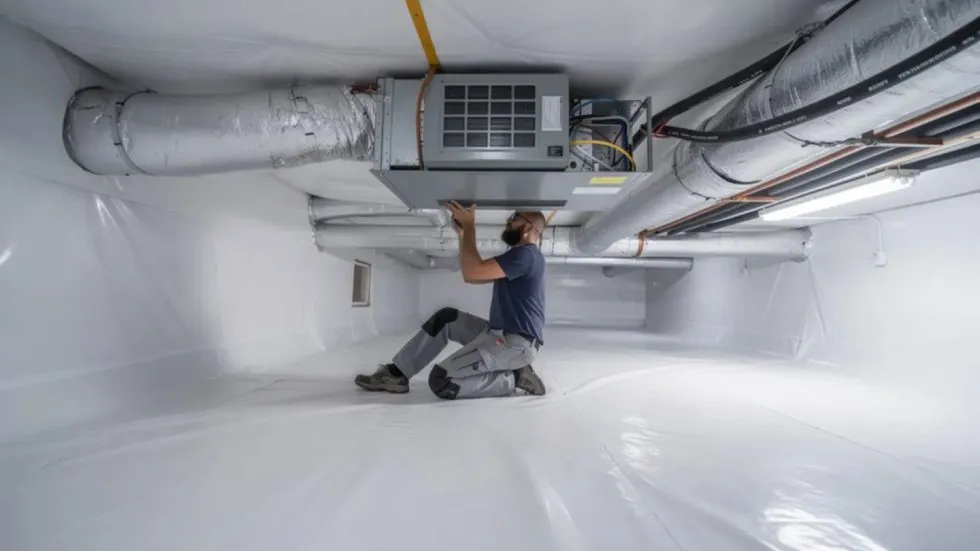
Professional duct cleaning services bring advanced equipment specifically designed for the comprehensive cleaning of your entire system. Truck-mounted vacuum systems generate the negative pressure necessary to pull contamination from every section of ductwork while preventing dislodged debris from escaping into your living spaces.
The professional cleaning process includes:
Complete system inspection using cameras to identify contamination hotspots, visible mold growth, and structural issues
Thorough cleaning of all components: supply and return ducts, registers, diffusers, coils, drip pans, and air handler housing
Rotary brushes that reach deep into bends and dislodge embedded particles
HEPA filtration that captures fine pollen, mold spores, and dust mites
Sealing and leak repair to prevent humid air infiltration, critical for Atlanta homes
The results speak clearly: professional cleaning removes 85-95% of accumulated contaminants compared to DIY’s 10-15%. Studies show professional HVAC cleaning can reduce fan and blower energy consumption by 41-60% and improve supply airflow by 10-46%. For Atlanta homeowners running their cooling system heavily through humid summers, these efficiency gains translate to meaningful energy savings.
Professional duct cleaning also protects your investment. Licensed and certified technicians look for NADCA accreditation and carry insurance in case of damage during cleaning. They follow industry standards, ensuring proper cleaning that won’t void your HVAC system warranty. DIY damage, by contrast, typically isn’t covered by homeowner’s insurance and may void manufacturer warranties on your heating system or air conditioning system components.
The typical cost for professional cleaning of an average Atlanta home ranges from $450 to $1,000, depending on system size and contamination extent, and many homeowners find that the numerous reasons to schedule duct cleaning regularly justify making it a routine part of home maintenance. This investment provides improved air quality, better system efficiency, and protection against the costly repairs that often result from DIY attempts or neglected dirty ducts.
Final Thoughts on Cleaner, Healthier Air
Professional duct cleaning offers deeper, more reliable results than DIY methods, improving airflow, reducing allergens, and protecting HVAC efficiency. For Atlanta homes, expert care ensures thorough removal of hidden contaminants while preventing damage. Investing in trained specialists ultimately saves time, enhances indoor comfort, and supports a cleaner, healthier living environment year-round.
How often should Atlanta homes have professional duct cleaning?
Most Atlanta homeowners should schedule duct cleaning every 2-3 years due to our high pollen counts and humidity levels, though specific air duct cleaning frequency recommendations can vary based on your home and lifestyle. Homes with pets, family members with severe allergies, or recent construction may benefit from more frequent cleaning. Visible dust buildup at supply vents or musty odors when your HVAC system runs indicate it’s time for professional service.
What makes Atlanta’s duct cleaning needs different from those of other cities?
Atlanta’s unique combination of subtropical humidity exceeding 70%, some of the nation’s highest pollen levels, and fine red clay dust creates contamination challenges rarely seen elsewhere. This triple threat promotes faster mold growth, deeper pollen embedding, and more rapid debris buildup throughout the duct system than homes in drier or less vegetated regions experience.
Can DIY duct cleaning handle Atlanta’s pollen problems?
Standard DIY methods cannot remove pollen particles that have embedded in duct surfaces and insulation over multiple seasons. Household vacuum cleaners lack the suction power and filtration to capture fine pollen, and DIY cleaning often disperses these allergens throughout living spaces rather than removing them. Professional equipment with HEPA filtration provides the proper cleaning Atlanta’s pollen loads require.
What happens if I damage my ducts during DIY cleaning in Atlanta?
Ductwork damage in Atlanta’s humid climate can be particularly costly. Torn flex duct liners or loosened joints allow humid air infiltration, accelerating mold growth and reducing cooling system efficiency. Repairs typically cost several hundred to over a thousand dollars, and DIY damage generally isn’t covered by homeowner’s insurance. Damaged ducts may also void your HVAC system warranty.
How does professional cleaning improve HVAC efficiency in Atlanta’s climate?
Clean air ducts allow your heating and cooling system to reach the desired temperature faster with less strain. Studies show professional cleaning can improve airflow by 15-40% and reduce fan energy consumption by up to 60%. For Atlanta homeowners running air conditioning heavily through humid summers, this translates to potential energy savings of 15-30% on cooling costs.
Are there safety concerns with DIY duct cleaning in Atlanta homes?
Significant safety risks exist for DIY cleaning in Atlanta homes. Humid crawl spaces harbor concentrated mold that poses serious inhalation risks without proper respirators. Summer attic temperatures exceeding 130°F create heat exhaustion danger. Additionally, some older Atlanta homes contain asbestos or accumulated rodent droppings that require professional handling. Licensed technicians have appropriate protective equipment and training for these hazards.
Mold is a natural part of our environment, and it plays an important role in breaking down organic materials. However, not all mold growth is harmless; some types can pose serious risks to your home and health. Understanding the difference between beneficial molds found in nature and harmful molds that invade indoor spaces is essential for maintaining a safe living environment. Recognizing early signs of problematic mold can also help prevent long-term damage. In this blog, we’ll explore how to distinguish between harmless molds and those that require immediate attention.
Key Takeaways
Good mold includes beneficial species used in medicine production (like penicillium), food manufacturing, and natural decomposition processes that support ecosystem health
Bad mold encompasses toxic varieties like Stachybotrys chartarum (black mold), Aspergillus, and other species that produce harmful mycotoxins and cause serious health issues
Location and context determine whether mold is beneficial or harmful – outdoor mold aids ecosystem health while indoor mold growth typically poses health risks and requires immediate attention
Professional identification is essential since many mold species look similar but have vastly different health implications for your family and property
Moisture control remains the key factor in preventing harmful indoor mold growth, regardless of mold type, with prompt action needed to prevent future mold growth
What is the difference between Good Mold and Bad Mold?
When most homeowners discover mold in their property, panic often sets in. However, the truth about mold is far more complex than many realize. Understanding good mold vs bad mold can help you make informed decisions about your home’s safety and your family’s health.
Good mold refers to beneficial fungi that serve important purposes in medicine, food production, and environmental processes. These controlled applications occur in sterile laboratory environments or carefully monitored food production facilities. Bad mold includes species that produce toxins, cause infections, or trigger severe allergic reactions in humans when they establish indoor mold growth in your living spaces.
The same mold genus can contain both beneficial and harmful species, making proper identification crucial. For example, while Penicillium chrysogenum produces life-saving antibiotics, other Penicillium species growing in damp areas of your home can trigger allergic reactions and respiratory problems.
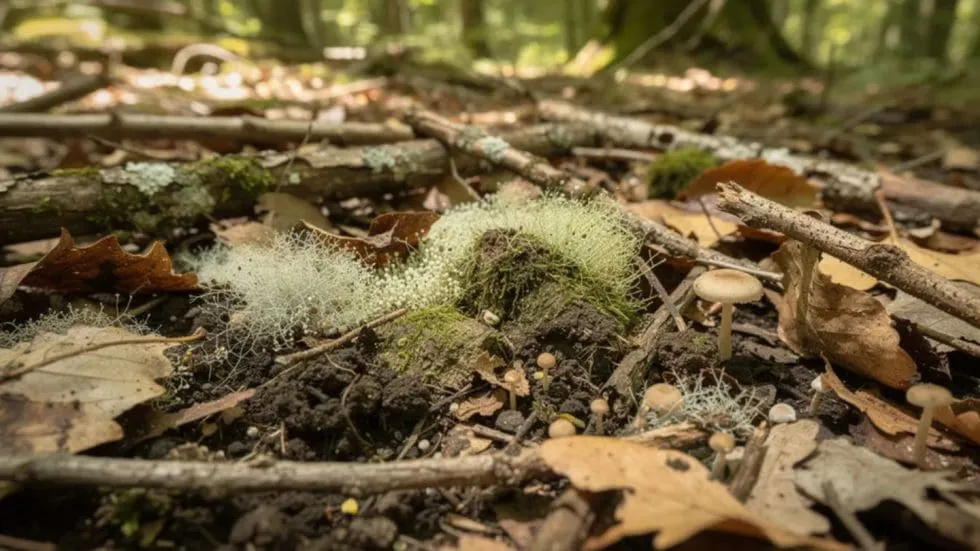
Context matters tremendously in determining whether mold poses a threat. Outdoor mold decomposes organic material, like rotting wood and fallen leaves, and plays a vital ecological role. However, when mold spores land and begin growing in wet areas inside your home, they typically become problematic and require immediate attention.
Of the over 100,000 mold species that exist in nature, only a fraction are truly dangerous to human health. However, many molds found in damp environments can cause health problems ranging from minor skin irritation to serious lung disease.
Understanding which molds serve beneficial purposes helps put the mold problem in your home into proper perspective. These “good” molds operate under carefully controlled conditions that prevent mold growth in unwanted areas.
Penicillium Species in Medicine
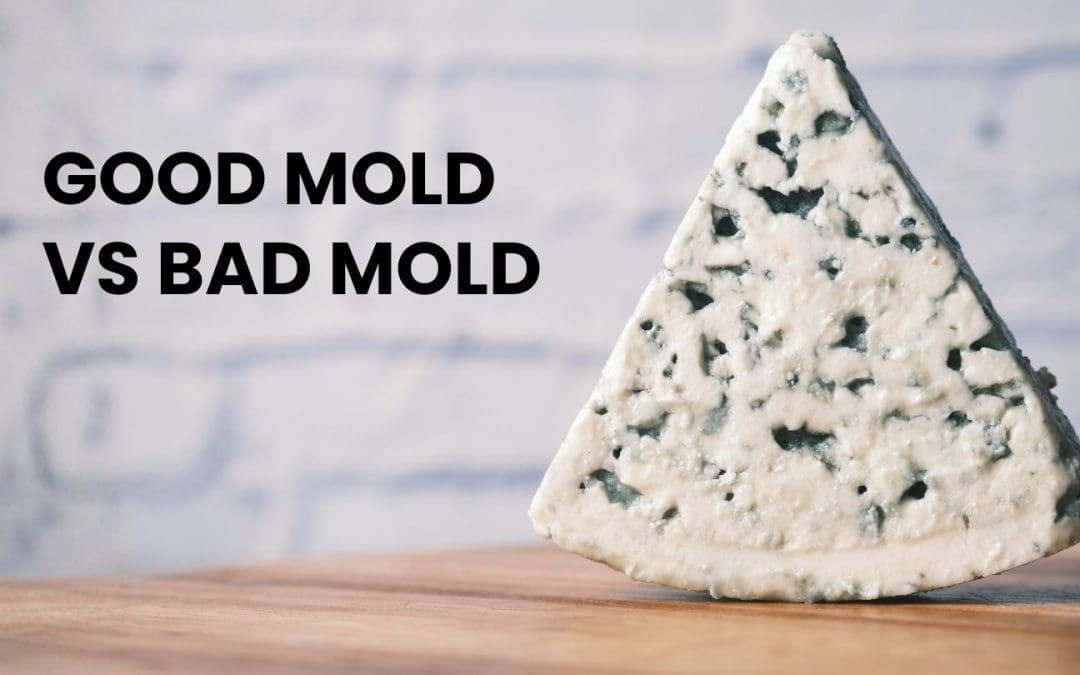
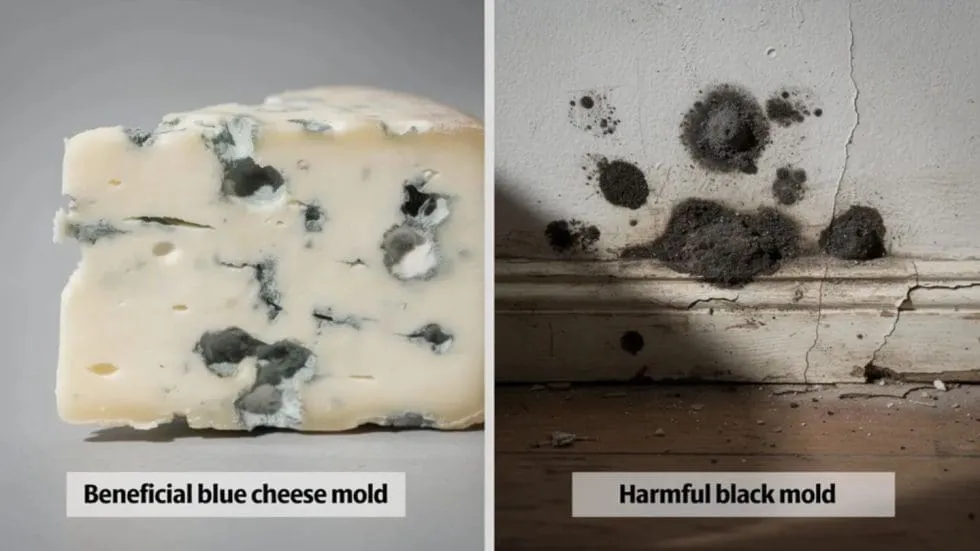
Penicillium chrysogenum revolutionized modern medicine when Alexander Fleming discovered its antibiotic properties in 1928. This remarkable mold produces penicillin antibiotics that have saved millions of lives by fighting bacterial infections. The same genus also includes Penicillium roqueforti, which creates the distinctive blue veining in Roquefort and other blue cheeses.
These controlled applications occur in sterile laboratory or food production environments where scientists carefully monitor temperature, humidity levels, and contamination risks. Medical and food-grade penicillium strains are specifically cultivated and monitored for safety, preventing the production of harmful mycotoxins that can occur when molds reproduce in uncontrolled environments.
It’s important to note that the beneficial strains used in medicine and food are completely different from the common mold types that might grow on damp walls or in areas with poor ventilation in your home.
Food Production Molds
Several mold species play essential roles in creating foods enjoyed worldwide. Aspergillus oryzae, known as koji mold, is fundamental for fermenting soybeans into miso, soy sauce, and sake production. This domesticated mold has been safely used for centuries in Asian food production under controlled conditions that prevent the formation of dangerous mycotoxins.
Rhizopus oligosporus creates tempeh, a nutritious fermented soybean product popular in Indonesia. Unlike wild Rhizopus species that might contaminate bird droppings or other organic material in your home, food production strains are carefully selected and maintained in clean environments.
Certain Neurospora species produce compounds used in food additives and supplements. These molds are intentionally cultivated under strict food safety protocols with regular testing to ensure they don’t produce poisonous substances.
The key difference between these beneficial food molds and problematic household mold lies in the controlled environment and careful strain selection that prevents toxic fume production and ensures safety.
Environmental Decomposition
In natural outdoor environments, molds perform the crucial ecological function of breaking down dead organic matter. Forest floor molds decompose fallen leaves, dead wood, and animal waste, returning essential nutrients to soil ecosystems that support healthy plant growth.
These environmental molds prevent organic waste accumulation and maintain the natural cycle of decomposition and renewal. When airborne spores from these outdoor sources remain outside, they contribute positively to ecosystem health.
However, environmental molds become problematic when they migrate indoors through air ducts, open windows, or on contaminated materials. High humidity, poor ventilation, and available food sources like damp materials create ideal conditions for these outdoor molds to establish unwanted indoor colonies.
While beneficial molds serve important purposes under controlled conditions, bad mold varieties pose serious health concerns when they establish growth in your living environment. Understanding these harmful types helps you recognize when to act quickly and seek professional help.
Toxigenic Molds
Toxigenic molds represent some of the most dangerous fungi that can invade your home. These species produce mycotoxins – toxic compounds that can cause severe health problems when inhaled, ingested, or contacted through skin exposure.
Stachybotrys chartarum, commonly known as toxic black mold, produces some of the most potent mycotoxins known to science. This black mold thrives on water-damaged cellulose materials like drywall, wallpaper, and wood following roof leaks, flooding, or plumbing failures. Exposure can cause respiratory problems, skin irritation, neurological symptoms, and, in severe cases, immune system suppression.
Aspergillus flavus creates aflatoxins, which rank among the most carcinogenic substances known to science. While more commonly associated with contaminated food crops, this mold can also grow in severely damp indoor environments, particularly areas with ongoing water leaks.
Fusarium species produce trichothecenes, mycotoxins that can cause skin disorders, immune system suppression, and respiratory issues. These molds often colonize wet areas following water damage and can spread rapidly through porous materials if moisture problems aren’t addressed promptly.
These toxigenic molds require immediate professional attention because inhaling spores containing mycotoxins can cause both acute symptoms and long-term health effects.
Pathogenic molds pose direct infection risks, particularly for individuals with weakened immune systems, existing lung disease, or other underlying health conditions. These molds can invade body tissues and cause serious medical complications.
Aspergillus fumigatus represents one of the most concerning pathogenic molds found indoors. This species causes aspergillosis, a serious lung infection that can be life-threatening in immunocompromised individuals. Even healthy people can develop allergic forms of the disease with prolonged exposure to high concentrations.
Cryptococcus neoformans can lead to life-threatening meningitis, particularly affecting AIDS patients and others with severely compromised immune function. While less common in typical indoor environments, this mold can grow in areas contaminated with bird droppings or other organic debris.
Histoplasma capsulatum causes histoplasmosis through inhalation of contaminated soil or materials contaminated with bird droppings. Cleanup of areas with significant organic contamination requires specialized protective equipment to avoid breathing dangerous spores.
These pathogenic molds pose immediate health threats requiring prompt medical attention and professional remediation to eliminate the source of exposure.
Allergenic Molds
Allergenic molds represent the most common category of indoor mold problems, affecting millions of people with varying degrees of sensitivity. While not immediately life-threatening, these molds can significantly impact quality of life and respiratory health.
Alternaria commonly triggers asthma attacks, allergic rhinitis, and respiratory distress in sensitive individuals. This dark-colored mold frequently appears in damp areas like basements, crawl spaces, and areas with chronic moisture problems from leaking pipes or poor ventilation.
Cladosporium causes skin rashes, eye irritation, and breathing difficulties in damp indoor environments. Often appearing as dark spots on surfaces, this common mold grows readily on various materials when humidity levels exceed 60% and adequate moisture is present.
Epicoccum produces large numbers of airborne spores that can exacerbate existing allergies and respiratory conditions. People exposed to high concentrations may experience a runny nose, sore throat, and eye irritation even without direct contact with visible mold.
While allergenic molds may seem less threatening than toxigenic varieties, chronic exposure can worsen asthma, lead to the development of new allergies, and cause ongoing health issues that significantly impact daily life.
Distinguishing between beneficial and harmful mold requires more than casual observation. Visual identification alone proves unreliable since many harmful and beneficial molds appear remarkably similar to the naked eye.
Location provides crucial context for determining mold risk. Mold growing in controlled food production facilities may be beneficial, while any mold growth in your basement, laundry rooms, or other damp areas typically indicates a problem requiring attention. Indoor mold growth, regardless of appearance, signals underlying moisture issues that need correction.
Professional testing using certified laboratory methods provides the only accurate way to identify mold species and assess contamination levels. Attempting to scrub mold without proper identification can spread airborne mold spores throughout your home and worsen the problem.
Certain warning signs suggest a potentially problematic mold presence. A persistent musty smell, even without visible growth, often indicates hidden mold behind walls, under flooring, or in HVAC systems. Areas with ongoing moisture from condensation, water leaks, or high humidity create ideal conditions for harmful mold development.
Never assume you can safely identify mold based on color alone. The common term “black mold” encompasses numerous species with vastly different health implications. Similarly, white mold or greenish growth could represent anything from relatively benign species to dangerous mycotoxin producers.
Professional Testing Methods
Certified mold inspectors use several scientific approaches to accurately assess mold contamination and species identification. These methods provide reliable data for making informed decisions about remediation needs.
Air sampling captures airborne mold spores using specialized equipment that draws measured volumes of air through collection media. Laboratory analysis can identify specific species present and determine whether spore concentrations exceed normal outdoor levels, indicating an indoor mold problem.
Surface sampling involves collecting mold specimens directly from affected materials using sterile swabs or tape-lift samples. Microscopic examination and culturing techniques allow precise species identification and assessment of contamination severity.
Bulk sampling removes portions of contaminated materials for comprehensive laboratory analysis. This method proves particularly useful for identifying mold growth within porous materials like drywall, insulation, or wood, where surface sampling might miss embedded colonies.
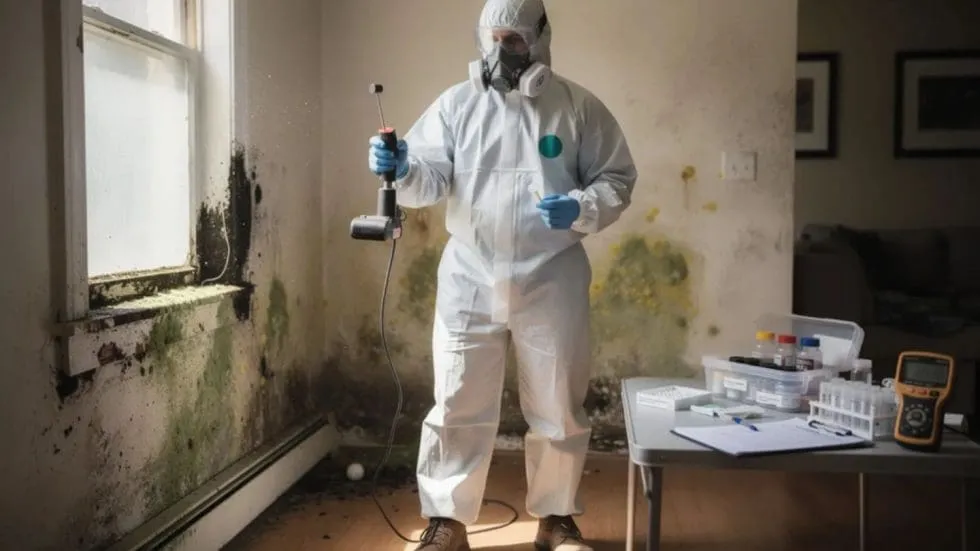
Certified inspectors also use moisture meters, thermal imaging cameras, and other specialized equipment to detect hidden moisture sources that support mold growth behind walls, under flooring, or in other concealed areas. Identifying and correcting these moisture sources is essential to prevent mold growth and avoid future contamination.
Professional testing provides the scientific data needed to develop effective remediation strategies and verify successful cleanup completion.
Health Impacts of Good vs Bad Mold
The health implications of mold exposure vary dramatically depending on species, concentration, exposure duration, and individual susceptibility. Understanding these differences helps homeowners make appropriate decisions about mold concerns in their properties.
Good mold in appropriate contexts poses minimal health risks when properly contained and regulated. Food-grade molds used in cheese production or pharmaceutical manufacturing undergo strict quality control to prevent harmful mycotoxin formation. Environmental molds performing natural decomposition functions outdoors rarely cause problems unless individuals have severe mold allergies.
Bad mold exposure can cause immediate allergic reactions, long-term respiratory damage, and serious infections, depending on the species involved, and may lead to diverse symptoms of mold sickness over time. Toxigenic molds producing mycotoxins pose particular risks because these chemical compounds can cause effects ranging from skin irritation to organ damage with sufficient exposure.
Individual sensitivity varies greatly among the population. Some people react severely to small amounts of mold exposure, developing asthma attacks or allergic reactions from minimal contact. Others show few symptoms even with substantial exposure, though this doesn’t mean they’re immune to long-term health effects.
Duration and concentration of exposure significantly influence health outcomes. Brief exposure to low levels of most molds causes minimal problems for healthy individuals. However, chronic exposure to high concentrations, particularly in homes with ongoing moisture problems, can lead to sensitization and the development of new allergies or respiratory conditions.
People with weakened immune systems, existing lung disease, or chronic respiratory conditions face elevated risks from mold exposure and may experience severe reactions to species that barely affect healthy individuals.
Symptoms of Harmful Mold Exposure
Recognizing symptoms of problematic mold exposure and common symptoms associated with mold illness helps homeowners understand when their health concerns may be related to indoor air quality issues. These symptoms can develop gradually with chronic exposure or appear rapidly following acute exposure to high concentrations.
Respiratory symptoms represent the most common effects of harmful mold exposure. Persistent coughing, wheezing, shortness of breath, and chest tightness may develop, particularly in individuals with asthma or other respiratory conditions. These symptoms often worsen in the affected environment and improve when away from the contaminated area.
Allergic reactions manifest through various symptoms, including a runny nose, persistent sneezing, itchy or watery eyes, and skin rashes. Some people develop contact dermatitis from direct skin contact with moldy materials, resulting in dry skin, irritation, or more severe inflammatory responses.
Neurological effects from exposure to mycotoxins produced by toxic mold can include persistent headaches, memory problems, difficulty concentrating, and unexplained fatigue. While these symptoms can have many causes, their presence in combination with known mold exposure warrants professional evaluation.
Severe cases of mold exposure may involve nosebleeds, particularly from species producing irritating compounds, compromised immune function leading to increased susceptibility to infections, and exacerbation of existing health conditions like asthma or allergies.
Anyone experiencing persistent symptoms that improve when away from their home environment should consider a professional mold assessment to identify potential indoor air quality issues requiring remediation.
When to Be Concerned About Mold
Knowing when mold growth requires immediate professional attention can protect your family’s health and prevent extensive property damage. Certain situations demand an urgent response regardless of the mold species involved.
Any visible mold growth indoors requires immediate attention, regardless of its appearance or suspected species. Indoor environments should not support significant mold growth, and its presence indicates underlying moisture problems that will worsen without intervention. Even seemingly minor mold problems can spread rapidly through porous materials when conditions remain favorable.
Persistent musty odor without visible mold often indicates hidden growth requiring professional investigation. Molds can colonize areas behind walls, under flooring, in air ducts, or within insulation where they’re not immediately apparent. These hidden colonies can release spores and odorous compounds that affect indoor air quality throughout the building.
Recent water damage from floods, plumbing failures, or roof leaks creates ideal conditions for rapid mold development. Professional assessment within 24-48 hours of water damage helps prevent mold establishment and reduces remediation costs significantly compared to waiting until visible growth appears.
Mold contamination covering areas larger than 10 square feet requires professional remediation rather than DIY cleanup attempts. Large-scale contamination often involves multiple species, potential mycotoxin exposure, and risks of spreading contamination during improper cleanup procedures.
Health symptoms consistent with mold exposure, particularly respiratory problems that worsen indoors, warrant a professional air quality assessment even without visible mold growth.
Risk Factors for Severe Mold Problems
Certain building characteristics and environmental conditions create elevated risks for serious mold contamination requiring immediate professional intervention.
Basements, crawl spaces, and attics with poor ventilation and inadequate moisture control frequently develop significant mold problems. These areas often experience temperature fluctuations, condensation issues, and limited air circulation that create ideal conditions for mold colonization of structural materials.
Properties with recent flooding, plumbing leaks, or roof damage face immediate mold development risks if damaged materials aren’t properly dried within 24-48 hours. Water-damaged cellulose materials like drywall and wood provide excellent food sources for many problematic mold species.
HVAC systems with condensation problems, dirty filters, or contaminated ductwork can spread airborne spores throughout entire buildings, making remediation more complex and expensive. Regular maintenance and prompt attention to moisture issues in heating and cooling systems help prevent widespread contamination.
Buildings housing immunocompromised individuals, young children, elderly residents, or people with existing respiratory conditions face elevated health risks from mold exposure and may be more vulnerable to the impact of mold on the brain and other systemic effects. These vulnerable populations face elevated health risks from mold exposure and may experience severe reactions to species that minimally affect healthy adults.
Properties in humid climates or with ongoing moisture control challenges need proactive monitoring and preventive measures to avoid serious mold problems that could affect both health and property values.
Professional Assessment and Remediation
When dealing with potential mold problems, professional expertise ensures accurate assessment, safe removal, and prevention of future contamination. Certified specialists have the training, equipment, and experience needed to address mold issues effectively while protecting your family’s health and answering urgent mold health questions.
Certified mold inspectors provide accurate species identification and comprehensive contamination assessment using scientific testing methods. These professionals can distinguish between normal outdoor spore levels and problematic indoor concentrations, identify hidden moisture sources, and develop appropriate remediation strategies based on specific conditions found in your property.
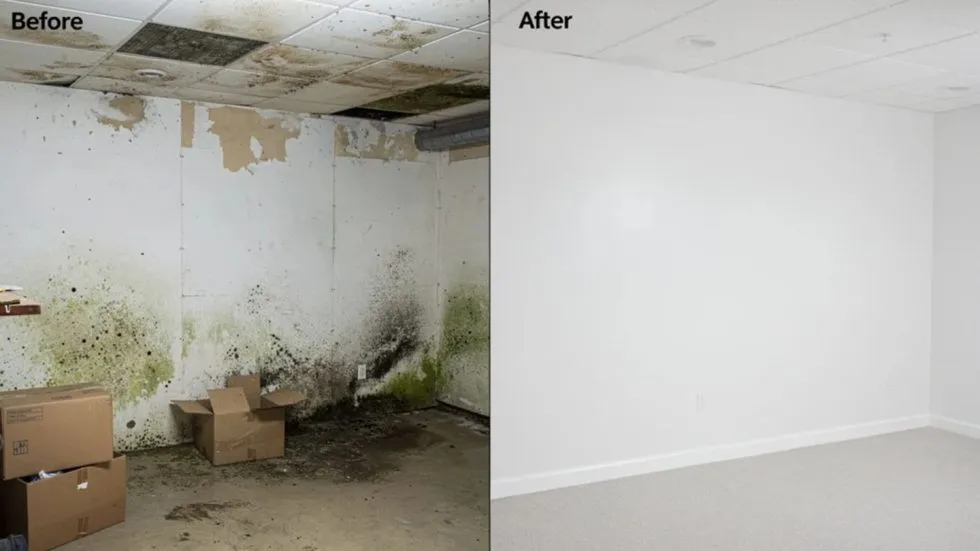
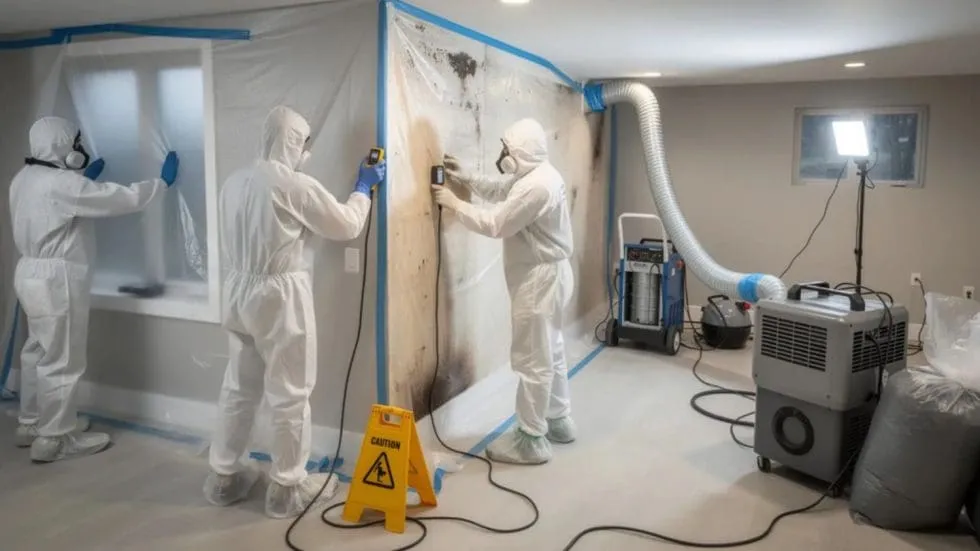
Professional remediation companies use specialized equipment and proven containment procedures for safe mold removal. Proper techniques prevent cross-contamination, protect building occupants during cleanup, and ensure thorough removal of contaminated materials. Attempting to remove mold without proper equipment and training often spreads contamination and creates bigger problems.
Many insurance policies provide coverage for mold damage depending on policy terms and the underlying cause of water intrusion. Professional documentation of mold problems and remediation work helps support insurance claims and ensures compliance with policy requirements for coverage eligibility.
Post-remediation testing verifies successful mold cleanup and confirms restoration of safe indoor air quality. This final verification provides peace of mind that remediation work was effective and helps prevent future health problems or property damage from incomplete cleanup.
Professional services also include recommendations for preventing future mold growth through moisture control improvements, ventilation upgrades, and maintenance practices that keep your property healthy and mold-free long-term.
Working with certified professionals provides the expertise needed to address mold problems safely and effectively while protecting your investment in your property and your family’s health and safety.
Understanding Mold to Protect Your Home and Health
Recognizing the difference between harmless outdoor molds and harmful indoor infestations is essential for maintaining a safe living environment. While some molds occur naturally, others can damage your home, trigger health issues, and spread quickly if left untreated. Knowing when mold becomes a problem allows homeowners to take timely and effective action.
At Mold-B-Gone, we provide trusted solutions to identify and eliminate harmful mold growth, including comprehensive mold removal in Atlanta. We offer expert mold remediation, duct cleaning, IAQ testing, and commercial mold remediation services to protect your home and indoor air quality. When you’re ready to safeguard your home and create a healthier environment, we’re here to support you every step of the way.
Frequently Asked Questions
Can good mold turn into bad mold in my home?
Mold species don’t actually change from good to bad, but beneficial molds in inappropriate locations can become problematic. For example, Penicillium species used in controlled cheese production become harmful when growing on damp walls in your home due to uncontrolled conditions that may lead to mycotoxin production and indoor air quality problems. The context and growing conditions determine whether any mold becomes a health concern.
Is it safe to eat food with good mold if I find similar mold elsewhere in my house?
Never assume household mold is the same as food-grade mold varieties. Commercial food production uses specific, carefully controlled mold strains under sterile laboratory conditions with regular safety testing. Household mold growth is completely uncontrolled and potentially contaminated with harmful bacteria, toxic compounds, or dangerous mycotoxins that make it unsafe for consumption, regardless of appearance.
How can I tell if outdoor mold is migrating into my home?
Monitor for mold growth patterns near entry points like windows, doors, and ventilation systems, and watch for musty odors that intensify when outdoor mold counts are high. Keep indoor humidity below 60% and ensure proper ventilation in areas prone to moisture accumulation. Professional air sampling can detect elevated indoor spore levels compared to normal outdoor baseline measurements, indicating potential indoor contamination sources.
Are there any home remedies that can distinguish good mold from bad mold?
No reliable home testing methods exist for accurately distinguishing beneficial from harmful mold species. Visual appearance, smell, texture, and color are unreliable indicators since many toxic molds closely resemble harmless varieties. Professional laboratory testing using proper sampling techniques and microscopic analysis remains the only accurate method for species identification and risk assessment.
Should I be worried about good mold spores in my indoor air?
Any elevated indoor mold spore levels indicate underlying moisture problems that could lead to harmful mold growth over time. Even beneficial outdoor molds become problematic indoors, where they can trigger allergic reactions in sensitive individuals, compete with more dangerous species for nutrients, or indicate environmental conditions favorable for toxic mold development. Maintaining proper humidity control and addressing moisture sources prevents both beneficial and harmful molds from establishing indoor colonies.
If your home has cold floors in winter, musty odors, or higher-than-expected energy bills, your crawl space might be working against you. Many homeowners don’t realize that an unprotected crawl space can significantly impact their family’s health, comfort, and finances. Crawl space encapsulation offers a comprehensive solution that transforms this vulnerable area into a controlled environment that protects your entire home.
Key Takeaways
Crawl space encapsulation reduces energy bills by 15% or more through improved insulation and air sealing
Proper encapsulation prevents mold growth and improves indoor air quality by controlling moisture levels below 60% humidity
Encapsulation protects your home’s foundation and structural integrity while potentially increasing property value
The sealed environment deters pests like termites, rodents, and insects from entering your crawl space
Professional encapsulation typically costs $5,000-$15,000 but provides long-term savings and protection for 15-20 years
What are the Benefits of Crawl Space Encapsulation
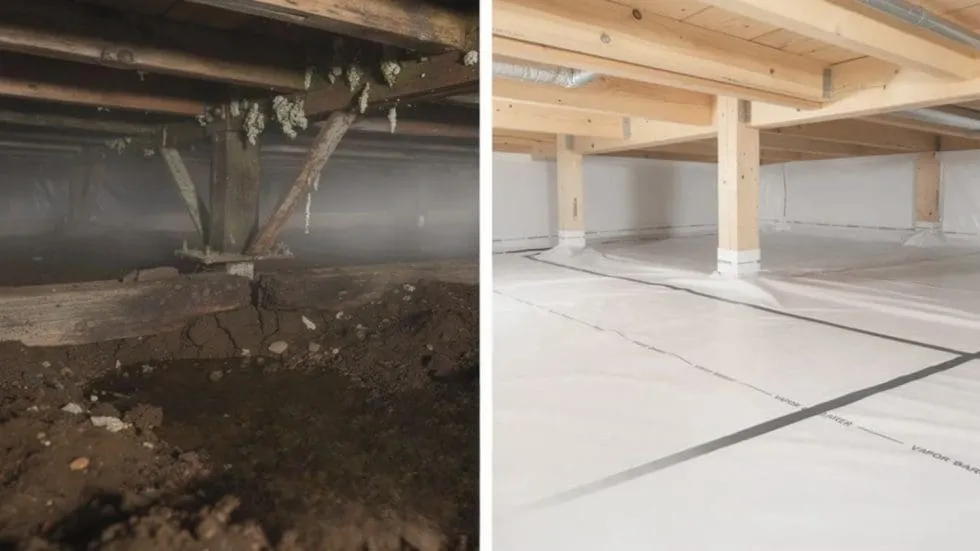
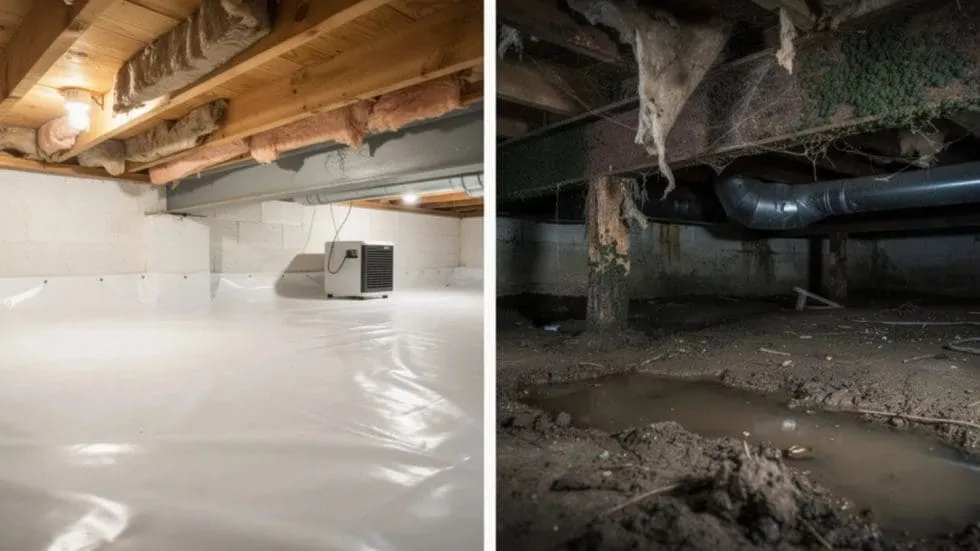
Crawl space encapsulation creates a moisture barrier using heavy-duty polyethylene vapor barriers, typically 10-20 mil thickness, combined with closed-cell spray foam insulation on crawl space walls. This comprehensive system transforms your crawl space from a damp, uncontrolled area into a dry environment that protects your entire home.
The crawl space encapsulation process involves sealing vents and openings to eliminate outdoor air infiltration, which historically brought humid outside air into the cooler crawl space. This created the perfect conditions for mold growth, wood rot, and pest infestations. Modern building science has shown that in humid climates, traditional ventilation actually increases moisture problems rather than solving them, especially when recognizing conditions that contribute to mold in crawlspaces.
Professional encapsulation creates an airtight seal that prevents ground moisture from entering your home’s living spaces, an essential step when understanding the reasons crawlspaces have mold in unmanaged environments. The system typically includes high-quality materials such as reinforced polyethylene sheeting on the crawl space floor, foam insulation on walls, sealed rim joists, and often a dehumidifier to control humidity levels. Together, these components create a controlled environment that delivers all the benefits of crawl space protection.
While the initial cost ranges from $5,000-$15,000, depending on your home’s size and existing conditions, this represents a long-term investment that typically pays for itself through energy savings and avoided repair costs over 7-10 years. The system’s durability means you’ll enjoy these benefits for 15-20 years or more with proper maintenance.
Energy Efficiency and Cost Savings
One of the most compelling benefits of crawl space encapsulation is the significant reduction in energy costs. Properly encapsulated crawl spaces can reduce your energy bills by 15% or more annually by preventing conditioned air loss and reducing your HVAC system workload.
In traditional vented crawl spaces, your heating and cooling system works harder because conditioned air escapes through the crawl space while unconditioned outdoor air enters your home. This air leakage forces your HVAC equipment to run longer cycles to maintain comfortable temperatures, directly increasing your energy costs.
Encapsulation eliminates this energy waste by creating an air-sealed barrier between your home and the outside environment. The typical payback period for professional encapsulation is 7-10 years through energy savings alone, making it a smart financial investment. For homes with annual energy bills of $2,000, a 15% reduction saves $300-400 yearly, significant savings that compound over time.
Many homeowners also notice immediate comfort improvements that enhance their quality of life. The enhanced energy efficiency means more consistent temperatures throughout your home, reducing hot and cold spots that make certain areas uncomfortable.
Installing 2-3 inches of closed-cell spray foam insulation on crawl space walls provides excellent temperature control that eliminates common comfort problems. This creates a thermal barrier that keeps your crawl space closer to your home’s conditioned temperature year-round.
The most noticeable improvement is the elimination of cold floors during the winter months. Uninsulated crawl spaces allow cold air to chill your floor surfaces, making walking barefoot uncomfortable and forcing you to raise thermostat settings. Proper crawl space insulation maintains warmer floor temperatures, improving comfort while reducing heating costs.
During summer, encapsulation prevents humid outdoor air from entering the space beneath your home, directly addressing factors that explain why mold grows in crawlspaces in regions with high humidity. This controlled environment reduces the cooling load on your HVAC system and helps maintain more consistent humidity levels throughout your home. The result is improved comfort and lower cooling costs during hot weather.
Integration of your crawl space into your home’s conditioned space also eliminates drafts and air infiltration that create uncomfortable temperature variations. The sealed environment ensures that the air you’re paying to heat or cool stays inside your home where it belongs.
Moisture Control and Structural Protection
Effective moisture control is perhaps the most critical aspect of crawl space encapsulation. The reinforced polyethylene vapor barriers prevent ground moisture from evaporating into your crawl space, while sealed vents block humid outside air from entering this enclosed space.
Maintaining humidity levels below 60% prevents wood rot and protects your floor joists, support beams, and other structural components from moisture damage. In humid climates, uncontrolled crawl spaces often experience humidity levels of 80-90%, creating perfect conditions for structural decay that can cost tens of thousands of dollars to repair.
The barrier prevents ground moisture infiltration while the controlled environment eliminates the temperature differentials that cause condensation on pipes, ducts, and wooden structural elements. This comprehensive moisture management protects your home’s structural integrity for decades.
Professional encapsulation also includes proper drainage systems when needed, ensuring that any water intrusion is quickly removed before it can cause damage. This integrated approach addresses both moisture infiltration and any residual moisture that might accumulate over time.
Your home’s foundation benefits significantly from consistent moisture levels around the foundation walls. Soil moisture changes cause expansion and contraction that can lead to foundation cracks, shifts, and costly structural repairs exceeding $10,000.
Crawl space encapsulation maintains stable moisture levels in the soil around your foundation by preventing both excessive drying and moisture buildup. This stability reduces the soil movement that causes foundation problems and helps preserve your home’s structural stability over time.
The controlled environment also protects against freeze-thaw cycles that can damage foundation walls and footings. By maintaining more consistent temperatures in your crawl space, you reduce the risk of frozen pipes and the foundation stress caused by repeated freezing and thawing.
Long-term preservation of your foundation through proper moisture management represents one of the most valuable benefits of encapsulation. Foundation repairs are among the most expensive home maintenance issues, making prevention through encapsulation a wise investment in your home’s future.
Indoor Air Quality Improvements
Poor indoor air quality often originates in uncontrolled crawl spaces where mold, mildew, and other contaminants thrive. Building science research shows that up to 40-50% of the air on your home’s first floor can originate from the crawl space due to the stack effect – the natural tendency for air to rise through your home.
Crawl space encapsulation dramatically improves indoor air quality by eliminating the source of many airborne contaminants that contribute to issues such as how crawl spaces affect homes. The controlled environment prevents mold spores, allergens, and pollutants from circulating into your living spaces, creating a healthier living environment for your family.
The elimination of musty odors is one of the most immediate improvements homeowners notice after encapsulation. These odors, caused by decaying organic matter and microbial growth in damp conditions, disappear when the crawl space is kept dry and air circulation is controlled.
Families with members who suffer from allergies or respiratory issues often experience significant relief after encapsulation. The improved air quality reduces exposure to mold spores and other allergens that can trigger symptoms and compromise health.
Creating a dry environment through encapsulation eliminates the dark, moist conditions where mold and mildew thrive. Maintaining humidity below 60% prevents new mold growth while removing existing moisture sources that support microbial colonies.
The barrier prevents ground moisture that feeds mold growth on organic materials like floor joists, insulation, and stored items. Combined with proper air circulation, this creates conditions that prevent mold growth and protect your family’s health.
Protection of building materials from rot and decay preserves your home’s value while eliminating health risks associated with mold exposure. Many homeowners don’t realize that structural damage from mold can compromise both safety and property value until problems become severe.
The controlled humidity environment also prevents the musty odors associated with mold and mildew, creating fresher air throughout your home. This improvement in air quality contributes to a more pleasant living environment and can even help with sleep quality and overall well-being.
Pest Prevention and Control
An encapsulated crawl space eliminates many entry points that pests use to access your home. Sealing vents, gaps, and penetrations creates a physical barrier that blocks rodents, insects, and other unwanted creatures from establishing habitats beneath your home.
The dry environment created by encapsulation is far less attractive to pests that seek out damp, dark spaces for breeding and nesting. Common crawl space invaders like termites, cockroaches, spiders, and rodents prefer moist conditions that encapsulation eliminates.
Professional pest control becomes more effective in an encapsulated crawl space because treatments can be more precisely targeted, and the sealed environment prevents reinfestation from outside sources. The clean, accessible surface also makes it easier to detect any pest activity early.
Eliminating pest habitats protects your home from the structural damage that rodents and insects can cause to wiring, insulation, and wooden components. The investment in encapsulation helps prevent costly pest-related repairs while creating a healthier environment for your family.
Real estate professionals recognize that homes with properly encapsulated crawl spaces often command higher prices and sell more quickly than comparable properties with traditional vented crawl spaces. Buyers appreciate the demonstrated commitment to home maintenance and the protection against future problems.
The enhanced energy efficiency, improved air quality, and structural protection that encapsulation provides make your home more attractive to potential buyers. In markets where moisture and mold concerns are common, encapsulation can provide a significant competitive advantage.
Professional encapsulation demonstrates proactive maintenance that reassures buyers and inspectors about the home’s long-term condition. The system’s 15-20 year lifespan means that new owners will enjoy the benefits without immediate additional investment.
The worthwhile investment in encapsulation often pays dividends beyond the direct energy savings, particularly in humid climates where moisture problems can significantly impact property values.
Improved Access and Usability
Installing a continuous vapor barrier creates a clean, navigable surface that makes crawl space maintenance much safer and more practical. Service technicians can access HVAC equipment, plumbing, and electrical systems more easily and safely in an encapsulated space.
The dry, clean environment protects equipment and tools during maintenance visits while reducing the risk of accidents or damage. Many homeowners find they can use their encapsulated crawl space for clean, dry storage of seasonal items and emergency supplies.
The improved accessibility makes regular maintenance of your home’s systems more convenient and affordable. HVAC technicians, plumbers, and electricians can work more efficiently in a clean, dry environment, often reducing service call costs.
Enhanced safety for anyone entering the crawl space reduces liability concerns and makes necessary maintenance tasks less daunting for homeowners who want to inspect their own systems periodically.
Plumbing and Infrastructure Protection
Consistent temperature control in your encapsulated crawl space provides excellent protection for plumbing systems that run through this area. Frozen pipes are a common problem in traditional crawl spaces where cold outdoor air can drop temperatures below freezing.
The controlled environment protects your crawl space plumbing from extreme temperature fluctuations that can cause pipe expansion, contraction, and eventual failure. This stability extends the life of your plumbing system and reduces the risk of costly emergency repairs during cold weather.
Mechanical systems benefit from the stable conditions as well. HVAC ductwork performs more efficiently when not exposed to extreme temperatures and moisture, improving system performance while reducing wear and tear.
The dry environment also protects electrical systems from moisture-related damage that can cause short circuits, corrosion, and fire hazards. Professional encapsulation creates optimal conditions for all the infrastructure systems that serve your home.
Installing a sump pump as part of the encapsulation system provides additional protection against water intrusion that could damage mechanical systems. This integrated approach ensures that your home’s essential systems operate reliably in a protected environment.
Creating a Cleaner, Healthier Foundation for Your Home
Crawl space encapsulation offers long-term benefits that protect both your property and your indoor environment. By controlling moisture, reducing mold risk, improving energy efficiency, and enhancing overall air quality, encapsulation provides a strong foundation for a safer, healthier, and more comfortable home.
Professional encapsulation systems typically last 15-20 years with proper maintenance, while some high-quality vapor barriers can remain effective for up to 25 years, depending on material quality and installation. Regular maintenance includes annual inspections and occasional dehumidifier filter changes.
Can I use my crawl space for storage after encapsulation?
Yes, encapsulated crawl spaces provide clean, dry storage areas perfect for seasonal items and emergency supplies. However, you should use protective measures like sleds when moving heavy items to avoid damaging the vapor barrier and ensure proper ventilation around any stored materials.
Will encapsulation work in all climate zones?
Encapsulation is particularly beneficial in Climate Zone 5 and humid climates where moisture control is critical. In very dry regions with low rainfall and stable groundwater levels, traditional ventilation may be sufficient, but encapsulation still provides energy efficiency benefits in most areas.
What maintenance does an encapsulated crawl space require?
Annual inspections are recommended to check for vapor barrier tears or seal failures that could compromise the system’s effectiveness. Dehumidifier filters need periodic replacement every 6-12 months, similar to HVAC system filters, and drainage systems should be checked for proper operation.
Is professional installation necessary for crawl space encapsulation?
While DIY options exist, professional installation ensures proper sealing, appropriate materials, and compliance with local building codes. Improper installation can trap moisture and create bigger problems than before encapsulation, making professional installation a worthwhile investment for long-term success.
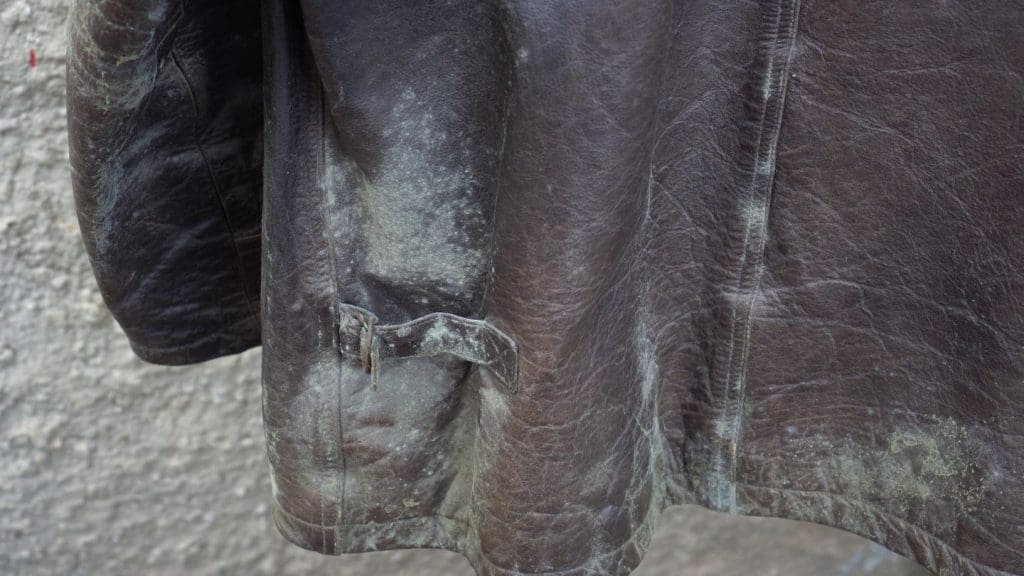
Discovering mold on your favorite clothes can be both frustrating and concerning. That musty smell and those dark spots aren’t just unpleasant; they could signal potential health risks and damage to your garments. But before you toss everything in the trash, it’s worth asking: can moldy clothes be saved? The answer depends on the extent of the mold growth and how quickly you act.
In this blog, we’ll explore what makes mold on clothing dangerous, when one can safely clean and salvage affected garments, and when it’s best to call in professional help. You’ll also learn practical, expert-approved cleaning methods and simple prevention tips to keep your wardrobe fresh, safe, and mold-free.
Key Takeaways
Mold on clothes can pose serious health risks, especially for individuals with respiratory conditions or weakened immune systems.
Immediate action can salvage moldy clothes by assessing the extent of mold growth and using effective cleaning methods, including pre-treatment and washing.
Preventive measures, such as proper storage and maintaining cleanliness, are crucial in avoiding mold growth on clothing.
Is Mold on Clothes Dangerous?
Have you ever wondered if mold on clothes is more than just an unsightly nuisance? The truth is, moldy garments can pose significant health risks. Exposure to mold spores on clothing can lead to:
Respiratory symptoms such as coughing and sneezing
Irritation of the eyes and skin
Allergic reactions
Respiratory problems, which can be particularly severe for those with pre-existing conditions like asthma.
Individuals with compromised immune systems are particularly at risk from mold on clothes. Asthmatic individuals and those with weakened immune defenses face higher vulnerability. Approximately 28% of the population is highly susceptible to mold-related health problems. Therefore, addressing moldy clothing promptly is essential.
Recognizing the health risks of moldy clothes emphasizes the visible signs of the need for immediate action when you discover mold. Ignoring the issue can result in prolonged exposure and serious health consequences.
When dealing with potential exposure, it’s also important to understand what happens during a mold inspection, as this process reveals hidden sources of contamination and prevents cross-contamination within your living space.
Before discarding your favorite shirt or dress, consider whether your moldy clothes and moldy items can be salvaged. The potential to save moldy garments depends on factors like the extent of mold growth and fabric type. Natural fibers such as cotton and wool are more prone to mold damage compared to synthetics.
Assessing the duration of mold growth is a key step in determining if clothes can be saved. Extended exposure to mold can cause irreversible damage, so acting quickly is vital. Addressing mold as soon as it’s noticed improves the chances of successful removal.
Inspect white clothes for mold coverage and fabric integrity before deciding on cleaning or disposal. Significant fabric weakness or damage may indicate they’re beyond salvage. However, recent mold growth on clothing in good condition can often be treated with effective dry cleaning methods to remove mold from clothes.
Taking immediate action increases the likelihood of salvaging moldy clothes. Promptly addressing the issue prevents further mold development and helps restore garments.
To minimize future risks, maintaining a healthy home environment through regular mold inspections is crucial. These inspections help identify hidden mold issues early and keep humidity levels balanced to protect both your clothing and indoor air quality.
When to Consider Professional Help
Professional help may be necessary to effectively handle moldy clothes, especially if the mold covers an area larger than 10 square feet. Mold remediation specialists have the expertise and equipment to effectively contain and eliminate mold.
Mold removal specialists eliminate mold and identify mold as well as the source of moisture contributing to mold growth. This comprehensive approach prevents future mold issues and ensures thorough cleaning.
For delicate fabrics that may be damaged by mold, professional evaluation and treatment are advisable. If mold stains persist despite your efforts, seek professional help.
Understanding the questions to ask during a professional mold inspection can also help you choose the right specialist and ensure that every step of the process, from detection to remediation, is handled correctly and safely.
Preventing Mold on Clothes
Preventing mold on clothes involves maintaining cleanliness and dryness. Never store clothes damp or dirty, as mildew thrives on moisture and stains. Use breathable cloth bags instead of plastic for storage to prevent moisture accumulation.
To ensure proper air circulation and maintain clothes in good condition when storing, consider the following tips:
Avoid overcrowding to allow proper air circulation.
Use desiccant packets or silica gel to absorb moisture and keep storage areas dry.
Hang clothes with space between them, especially in humid conditions, to facilitate air flow.
Spraying clothes and other items with water repellents before storage adds an extra layer of protection against mildew. Following these preventive measures significantly reduces the risk of pre-treating mold development on your damp clothes.
You can also strengthen your prevention routine by following key mold inspection actions at home, such as monitoring humidity levels, sealing crawlspaces, and checking for hidden leaks, to create an environment where mold struggles to survive.
Final Thoughts
Dealing with moldy clothes can be challenging, but with the right knowledge and quick action, you can often restore your garments and prevent future growth. This guide has covered everything from identifying the dangers of mold exposure to effective cleaning methods, prevention strategies, and knowing when to seek professional help. Acting immediately and following proper cleaning techniques are essential to protect both your clothing and your health while ensuring mold doesn’t return.
How long does it take for mold to grow on clothes?
Mold can start developing on damp clothes in as little as 24 to 48 hours, especially in warm and humid environments. To prevent mold, always dry clothes completely before storing them and avoid leaving wet laundry in the washing machine.
Can dry cleaning remove mold from clothes?
Yes, professional dry cleaning can often remove mold and musty odors from delicate fabrics that can’t handle hot water washing. However, if mold growth is severe, even dry cleaning may not fully restore the garment.
What’s the difference between mildew and mold on clothes?
While both are fungi, mildew usually appears as a light, powdery growth on fabric surfaces, whereas mold tends to be darker, thicker, and can penetrate deeper into the material. Both can cause odors and damage, but mold is typically more harmful to health.
Can I use bleach to remove mold from colored clothes?
Bleach is effective at killing mold, but it can fade or damage colored fabrics. For non-white clothes, use safer alternatives like vinegar, Borax, or oxygen-based cleaners designed for color protection.
How can I prevent mold in my closet or wardrobe?
To prevent mold, keep closets well-ventilated and dry. Use silica gel packets or dehumidifiers, avoid overcrowding, and clean regularly. You can also check for hidden leaks or moisture buildup, a common cause of mold growth in storage areas.
If you’ve been sneezing more than usual or struggling with indoor allergies, the problem might be hiding within your home’s air ducts. Over time, dust, pollen, pet dander, and other allergens can accumulate in your HVAC system, continuously circulating through the air you breathe. Regular air duct cleaning not only improves your home’s air quality but also helps manage and prevent allergy symptoms. In this blog, we’ll explore how clean air ducts contribute to a healthier living environment, the signs that your system needs attention, and the best practices to keep your indoor air fresh and allergen-free.
Key Takeaways
Dirty air ducts can significantly increase indoor allergens, exacerbating allergy symptoms and health issues.
Regular air duct cleaning reduces allergens like dust, pollen, and mold spores, improving indoor air quality and alleviating allergy symptoms.
Key signs that air ducts need cleaning include visible dust around vents, rapid dust accumulation, and increased allergy symptoms, necessitating timely inspection and regular maintenance.
The Connection Between Dirty Air Ducts and Allergies
Dirty air ducts can significantly contribute to the presence of allergens in your indoor environment. When we think about maintaining our home, air ducts often go unnoticed, yet they play a critical role in circulating the air we breathe. Over time, dust, pet dander, and other microscopic allergens accumulate within the dirty ducts, creating a breeding ground for allergy triggers.
Common allergens such as dust mites, pet dander, and mold spores thrive in dirty air ducts, especially those that are not regularly cleaned. These tiny particles can settle on surfaces and become airborne again when disturbed, leading to exacerbated allergy symptoms like sneezing and asthma flare-ups. For individuals already sensitive to indoor allergies, this can result in a continuous cycle of discomfort and health issues due to allergen buildup and other allergens.
The presence of moisture in air ducts further complicates the situation by promoting mold growth. Mold spores are notorious for causing allergic reactions, including itchy eyes, runny noses, and respiratory issues. If left unchecked, mold can spread throughout the duct system, significantly impacting indoor air quality and triggering severe allergies.
Exposure to contaminants within air ducts can lead to persistent and sometimes severe allergy symptoms. It’s more than just a nuisance; it’s a health concern that can affect your quality of life. Understanding the connection between dirty air ducts and allergies empowers you to take proactive steps to ensure your home’s air remains clean and safe for everyone.
Air duct cleaning is a powerful tool in reducing allergen exposure within your home. When air ducts are cleaned, the amount of the following that circulate in your indoor air is significantly reduced:
Dust
Pollen
Mold spores
Other debris
This cleaning process directly impacts the quality of air you breathe and can lead to a notable decrease in allergy symptoms.
Regular cleaning of air ducts can help manage allergies by minimizing the buildup of airborne allergens. For asthma sufferers, this can be particularly beneficial as it reduces potential triggers present in the indoor air. Investing in regular duct cleaning is a proactive approach to improving indoor air quality and creating a healthier living environment.
The impact of air duct cleaning extends beyond just removing visible dust. It helps reduce the overall fine particle count in your home’s air, leading to cleaner and fresher air circulation. Although particles might be temporarily stirred up and released into the living space immediately after cleaning, the long-term benefits far outweigh this short-term inconvenience.
Scheduling air duct cleaning regularly helps maintain these benefits. Professional duct cleaners use advanced techniques like steam cleaning to ensure thorough removal of built-up allergens and other particles. Keeping your air ducts clean allows you to breathe easier and notice a significant improvement in allergy symptoms. Additionally, maintaining this schedule is important; many homeowners find that understanding how often air ducts should be cleaned helps them keep allergens under control year-round.
Signs Your Home’s Air Ducts Need Cleaning
Recognizing the signs that your home’s air ducts need cleaning is crucial for maintaining good indoor air quality. One of the most evident indicators is the presence of visible dust or mold around your air vents. Dark or fuzzy patches near vents often suggest mold growth, which requires immediate attention.
Another sign is the rapid accumulation of household dust on surfaces even after regular cleaning. If you find yourself constantly dusting your home only to see dust reappear quickly, it might be time to consider air duct cleaning to remove dust. This persistent issue indicates that your ducts are likely filled with dust and debris that continuously circulate through your home.
Increased allergy symptoms, such as sneezing, runny nose, and itchy eyes, can also signal dirty air ducts and other symptoms that trigger them. If you or your family members are experiencing more frequent or severe allergy flare-ups, it’s worth investigating whether your air ducts are contributing to the problem. Recent construction or major renovations in your home can leave a significant amount of dust and debris in the air ducts, necessitating cleaning.
Regular inspections of your HVAC system, especially when these signs appear, are necessary. Visible contamination from mold or pest infestations is a clear indication that duct cleaning is necessary. Staying vigilant and addressing these issues promptly improves indoor air quality and reduces allergy symptoms, fostering a healthier home environment and supporting your immune system. Many homeowners notice these warning signs after learning about the reasons to clean the ducts, which highlight the importance of regular professional maintenance.
Additional Health Benefits of Clean Air Ducts
Beyond reducing allergens, clean air ducts offer a range of additional health benefits. One of the primary advantages is improved control over indoor humidity levels, which is essential for minimizing dust mite populations. Dust mites thrive in moist conditions, so keeping your air ducts clean and dry can significantly reduce their presence.
Regular air duct cleaning also helps prevent mold growth, a significant allergen that can exacerbate health issues. Cleaning the cooling coils and drip pans during routine maintenance ensures that your HVAC system operates efficiently and prevents moisture buildup. This proactive approach helps maintain a healthier indoor environment and reduces the risk of mold-related health problems.
Improving indoor air quality through air duct cleaning can result in better sleep quality, which is vital for overall health. Clean air reduces the number of airborne allergens and other contaminants, allowing you to breathe easier and sleep more soundly. This, in turn, can lead to enhanced physical and mental well-being, especially by addressing poor indoor air quality.
Maintaining proper insulation and addressing any leaks or moisture problems in your air ducts are crucial steps in preventing biological growth. Ensuring that your ducts are free from mold and other contaminants contributes to a healthier home environment for you and your family. Maintaining clean air ducts not only improves indoor air quality but also provides numerous health benefits. Understanding how long air duct cleaning takes can also help you plan your cleaning schedule efficiently.
Best Practices for Maintaining Clean Air Ducts
Maintaining clean air ducts requires a proactive approach and regular maintenance. One of the best practices is to:
Schedule yearly inspections to ensure that your air ducts are in good condition.
Change filters regularly to maintain air quality and perform regular filter changes.
Replace clogged filters more frequently to prevent dirt from entering the duct system.
Proper maintenance of humidifiers is also crucial for managing humidity levels and preventing mold and other contaminants in air ducts. If the insulation material in your ducts becomes moldy, it should be removed and replaced to maintain clean ducts. Addressing these issues promptly can help prevent the spread of allergens and improve indoor air quality.
Using the highest efficiency filter recommended by your home’s HVAC system manufacturer is critical for preventing dirt from entering the ductwork system. Additionally, sealing off supply and return registers during construction work can help prevent dust from entering the duct system. These preventive measures, including the use of HEPA filters, are essential for maintaining a clean and healthy home environment.
Correcting the underlying causes of air quality problems is crucial before proceeding with air duct cleaning. Taking these proactive steps and adhering to best practices ensures your air ducts remain clean and indoor air quality stays consistently high.
Choosing a Professional Duct Cleaning Service
Selecting a professional duct cleaning service requires careful consideration. Choosing a service provider that is experienced, adequately insured, and certified by the National Air Duct Cleaners Association (NADCA) is essential. NADCA-certified technicians have demonstrated a comprehensive understanding of HVAC design and duct cleaning methods, ensuring high-quality service.
Homeowners should ask potential contractors for proof of licensing and insurance before making a hiring decision. Many homeowners find this step crucial for ensuring that they are working with a reputable and reliable service provider. Additionally, it’s vital to avoid companies that advertise extremely low prices, as they may offer subpar services and fail to deliver the expected results.
Obtaining a thorough inspection and written estimate from multiple service providers can help you make an informed decision. A visual inspection conducted before and after the cleaning can verify the effectiveness of the service and ensure that your air ducts are thoroughly cleaned. Following these steps helps you choose a professional duct cleaning service that meets your needs and enhances your indoor air quality.
Final Thoughts
Maintaining clean air ducts is essential for reducing allergens and improving indoor air quality. Over time, dust, pollen, pet dander, and mold spores can build up inside your HVAC system, aggravating allergy symptoms and making it harder to breathe comfortably. Regular duct cleaning helps eliminate these contaminants, creating a healthier home environment and helping to prevent respiratory issues and allergy flare-ups.
The 2-foot rule in HVAC duct design dictates that the first 2 feet of ductwork from the air handler should be straight and unobstructed to stabilize airflow and minimize turbulence. Following this guideline is essential for optimizing system efficiency.
How often should air ducts be cleaned?
Air ducts should typically be cleaned every 3 to 5 years, although more frequent cleaning is advisable if you have pets, allergies, or have recently undergone construction. This ensures optimal air quality and system efficiency.
What are the signs that my air ducts need cleaning?
If you notice visible dust or mold around vents, experience rapid dust accumulation, or have increased allergy symptoms, it’s a clear indication that your air ducts need cleaning. Additionally, if you’ve recently undergone construction or renovations, it’s advisable to have them inspected.
How does air duct cleaning improve indoor air quality?
Air duct cleaning significantly improves indoor air quality by eliminating accumulated dust, pet dander, mold spores, and other allergens from the duct system, which reduces airborne pollutants. This essential maintenance can lead to a healthier living environment.
What should I look for in a professional duct cleaning service?
Choose a duct cleaning service that is NADCA-certified, experienced, insured, and provides a detailed inspection along with a written estimate. Be cautious of companies offering unusually low prices, as this may indicate subpar service.