Humidifiers can make indoor air more comfortable but may also cause mold if not properly monitored. They can alleviate issues associated with dry air, such as discomfort and aggravated cold and allergy symptoms. This raises the question: do humidifiers cause mold monitoring indoor air quality? Monitoring indoor air quality is crucial to avoiding mold issues. In this blog, you’ll learn how humidifiers affect air quality, why monitoring humidity levels is important, and how to prevent mold growth.
Key Takeaways
Maintaining indoor humidity between 40% and 60% is crucial to prevent mold growth and ensure good air quality.
Regular maintenance and cleaning of humidifiers, including using distilled water and proper placement, are essential to avoid mold issues.
Monitoring humidity levels with a hygrometer allows for timely adjustments, minimizing the risk of mold growth and creating a healthier indoor environment.
How Humidifiers Impact Indoor Air Quality?
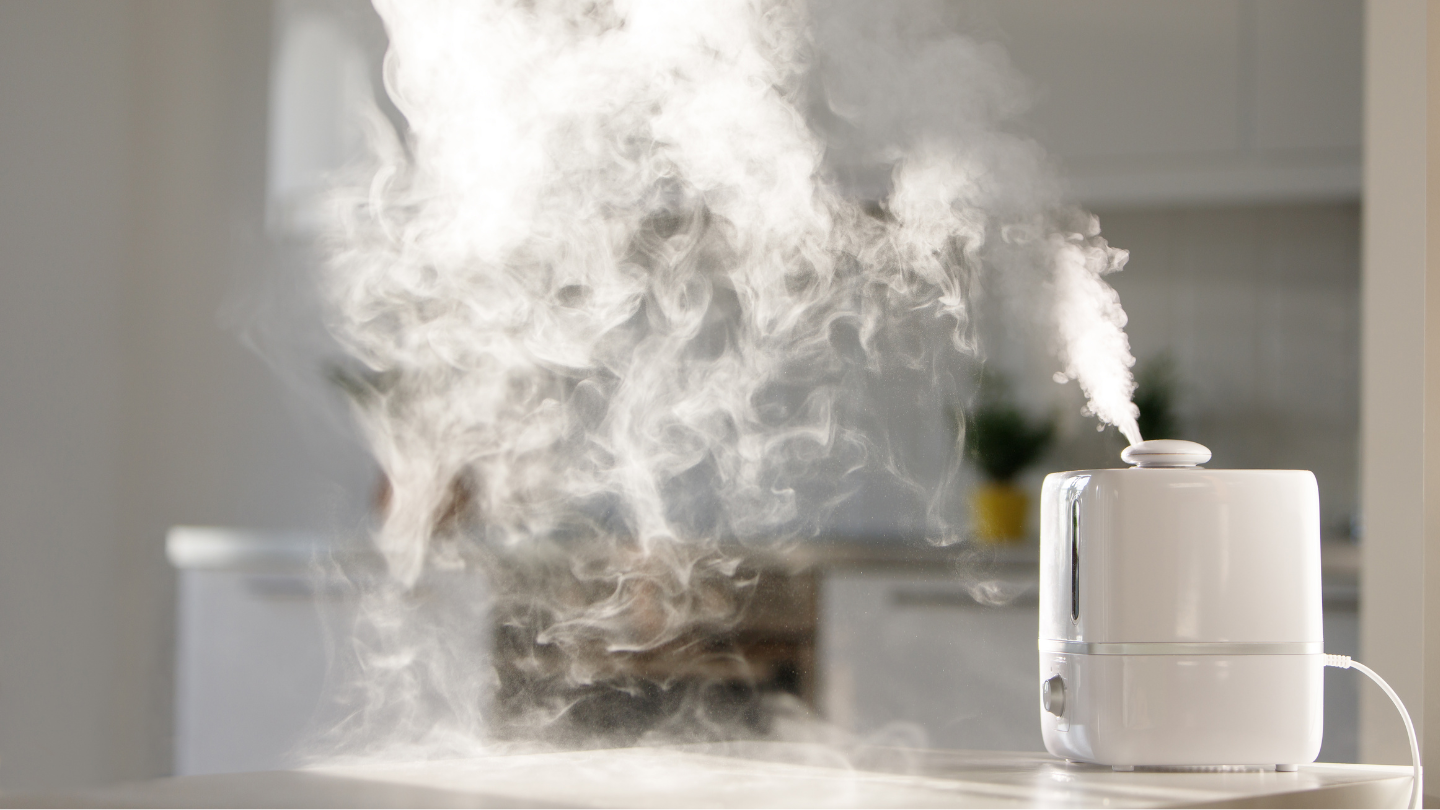
Humidifiers can significantly enhance comfort by alleviating the dryness associated with cold or flu symptoms. However, introducing moisture into your indoor environment also necessitates careful management. Whole-home humidifiers, for example, require precise regulation of humidity levels to prevent mold infestations.
Each type of humidifier impacts indoor air differently. Portable humidifiers, while effective for targeted relief from dry indoor air during winter months, can increase condensation issues that might lead to mold if left unchecked. While pairing an air purifier with a humidifier can improve air quality, it’s crucial to monitor moisture levels regularly to avoid creating conditions conducive to mold growth.
To prevent mold spores from thriving, it is essential to maintain indoor humidity levels between 40% and 50%. Humidity levels exceeding 55% may lead to significant mold proliferation, potentially causing structural and health issues. Professional technicians can provide expert evaluations of your home’s humidity levels and recommend solutions tailored to your specific needs, ensuring your indoor air remains safe and comfortable year-round.
Understanding Mold Growth
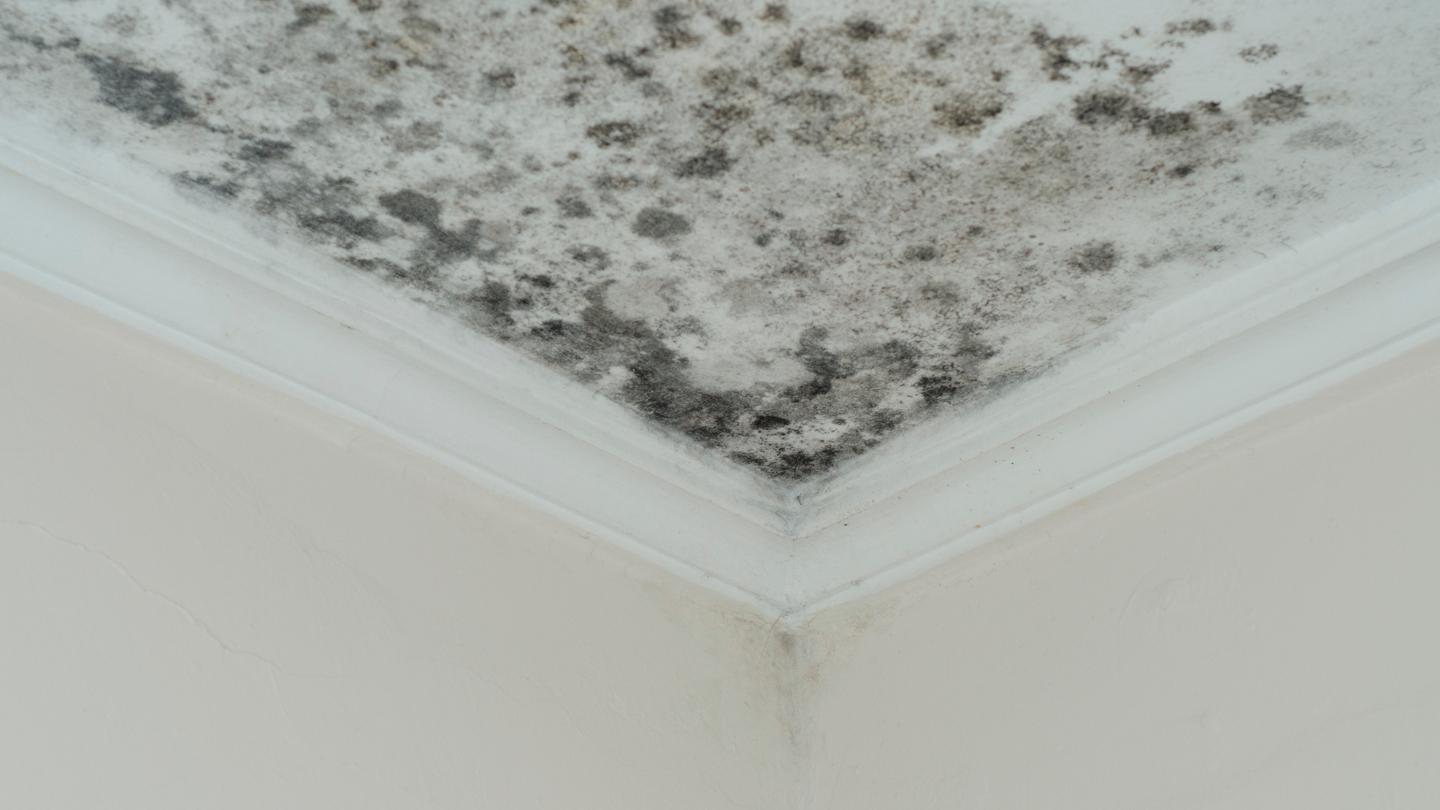
Mold growth is a widespread problem in homes. It thrives in high-humidity environments with poor ventilation. Moisture is the primary catalyst for mold development, and common sources include leaking roofs, condensation from humidifiers, and hidden plumbing leaks. Left unchecked, mold can start growing in as little as 24 to 48 hours.
Mold thrives on organic materials like drywall, carpets, and furniture, and it can spread to hidden areas such as behind walls or under flooring. While improper use of humidifiers can exacerbate the problem, professional mold prevention services can identify and address these risks.
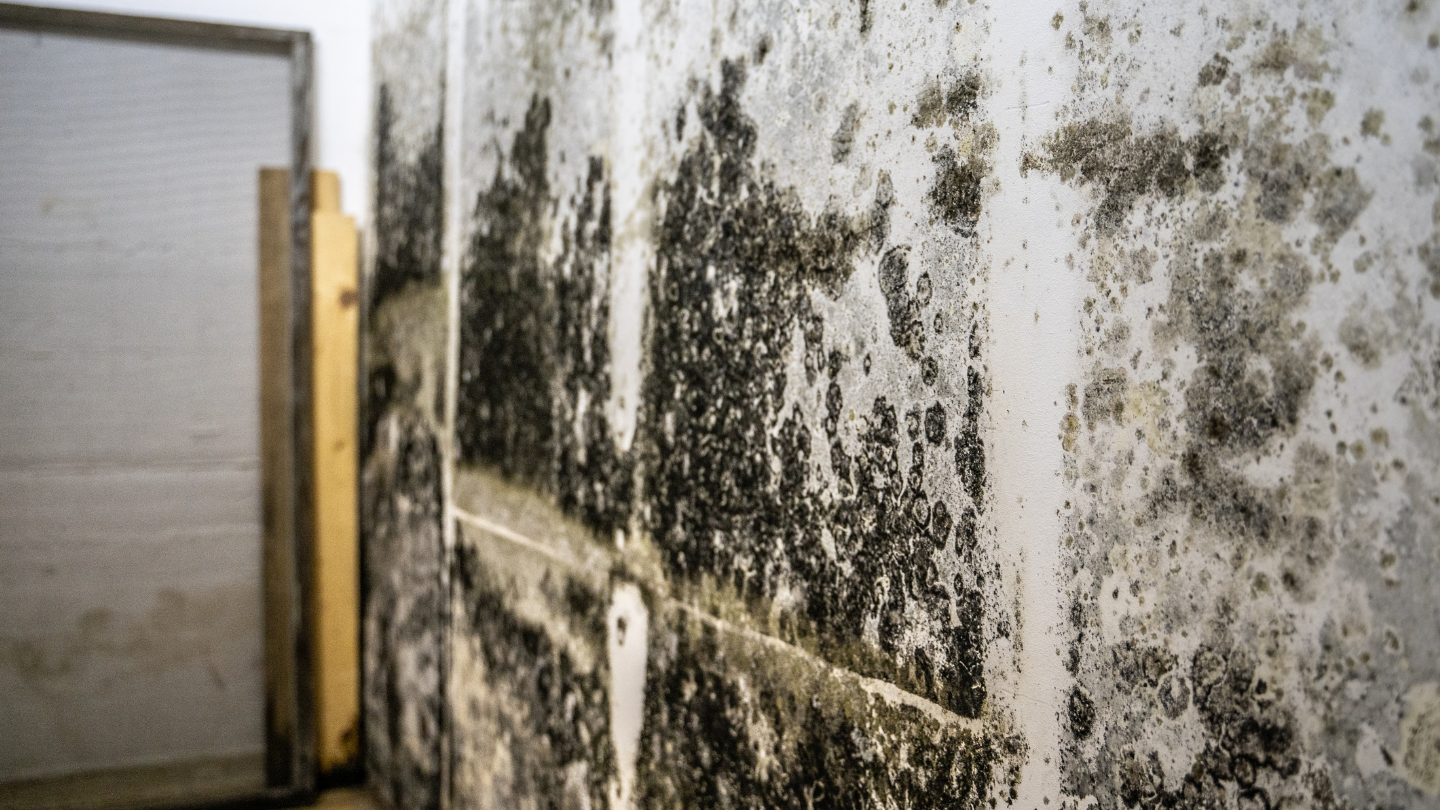
Mold spores in the air can pose significant health risks, particularly for individuals with respiratory issues or allergies. Mold spores released from humidifiers can settle on:
walls
furniture
carpets
clothes
This can lead to visible mold growth and potential health hazards. Certified specialists can assess potential problem areas, recommend ventilation improvements, and ensure that any existing mold is effectively remediated to protect your health and property.
Ideal Humidity Levels to Prevent Mold
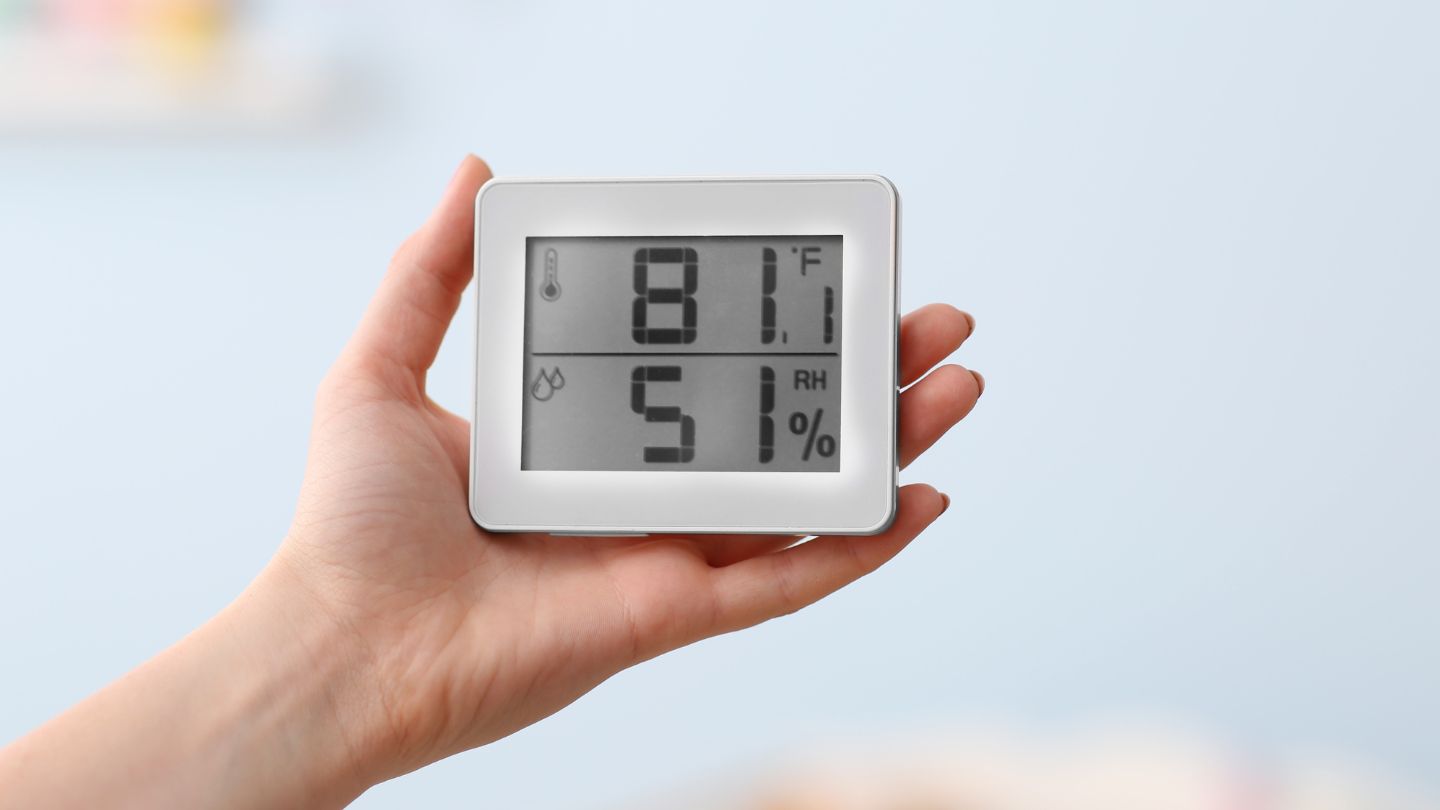
Maintaining indoor humidity within the ideal range of 40% to 60% is critical to reducing the risk of mold growth. Regular monitoring with a hygrometer can provide accurate readings, enabling timely adjustments to maintain these levels. While monitoring tools are useful, professional services can provide a more comprehensive solution. Experts can assess your entire home for humidity imbalances, recommend advanced humidity control systems, and ensure proper installation and maintenance to achieve long-term results.
Types of Humidifiers and Their Risks
Humidifiers come in various types, each with its benefits and risks. The three most common types are cool mist, ultrasonic, and steam vaporizers. While cool mist humidifiers are effective at adding moisture to the air, they can lead to increased mold growth if not properly monitored. Ultrasonic humidifiers, known for their comfort-enhancing mist, also pose a mold risk if humidity levels are not kept in check.
Steam vaporizers effectively neutralize microorganisms but produce very hot steam, which can be unsafe for children and pets. Evaporative humidifiers can inadvertently release excessive moisture, raising mold risks, especially for asthma sufferers. Regular maintenance is crucial for all humidifier types, including a steam humidifier, to prevent the release of harmful biological pollutants into the air.
Impeller humidifiers, a type of cool mist humidifier unit, can produce mineral residues and introduce microorganisms into the air if not maintained properly. Humidifier tablets can help prevent mold growth and scale accumulation, but regular cleaning and maintenance are still essential for all humidifier types.
Choosing the right humidifier for your home involves considering both benefits and risks. Proper maintenance and regular cleaning ensure your humidifier contributes positively to indoor air quality without causing mold issues.
Monitoring Indoor Humidity Levels
It is critical to monitor the humidity in your home to safeguard against health hazards and potential damage to your property. A hygrometer plays a crucial role in maintaining ideal moisture levels. Positioning a hygrometer in main areas of activity, like bedrooms or living rooms, can provide precise humidity measurements that enable prompt adjustments.
Regularly monitoring indoor humidity allows you to fine-tune the settings on your humidifier as needed, forestalling any buildup of undue moisture that could lead to mold proliferation. This diligent monitoring not only defends the structural integrity of your residence but also promotes well-being among its occupants.
By vigilantly observing and managing moisture levels indoors, you can foster an environment conducive to comfort and safety and effectively circumvent complications tied to elevated humidity and subsequent mold development.
Professional maintenance and assessment are essential to prevent mold growth in humidifiers and maintain a healthy indoor environment. Regular cleaning and proper operation are vital, but these measures alone may not be enough to ensure long-term prevention. A professional service can inspect and clean your humidifier system, using advanced tools and techniques to remove any existing mold and eliminate risks.
Certified technicians can also recommend upgrades to your humidifier system, such as units with built-in antimicrobial features or systems designed for optimal moisture control. With their expertise, they ensure your humidifier operates efficiently and safely, contributing to a mold-free indoor environment.
Instead of relying on frequent DIY cleanings with household solutions, consider having your humidifier professionally serviced. Professionals utilize advanced cleaning agents and equipment to sanitize your humidifier thoroughly, ensuring no mold spores are left behind. They can also assess the overall air quality and identify potential risks that might not be apparent during routine cleaning. Regular professional cleanings provide long-lasting results, reducing maintenance efforts and ensuring healthier indoor air quality.
Using Distilled Water
Employing distilled or demineralized water in humidifiers significantly diminishes the accumulation of mineral deposits. Given that distilled water is less concentrated with minerals compared to regular tap water, it lowers the chances for mold growth while simultaneously maintaining cleanliness within the humidifier.
Choosing either distilled or demineralized water aids in thwarting the proliferation of mold and secures optimal functionality of your humidifier, thereby supplying fresh and salubrious moisture into your indoor air environment.
Optimal Placement and Usage
Positioning your humidifier correctly is crucial in warding off mold on adjacent surfaces. Keep the device at a distance from draperies, rugs, and various other surfaces that might foster mold proliferation to hinder mold growth.
Ensuring your humidifier is situated in a spot with ample fresh air flow helps stave off moisture buildup on any surface, thereby promoting a wholesome ambiance within the room.
Professional Solutions for Mold Prevention
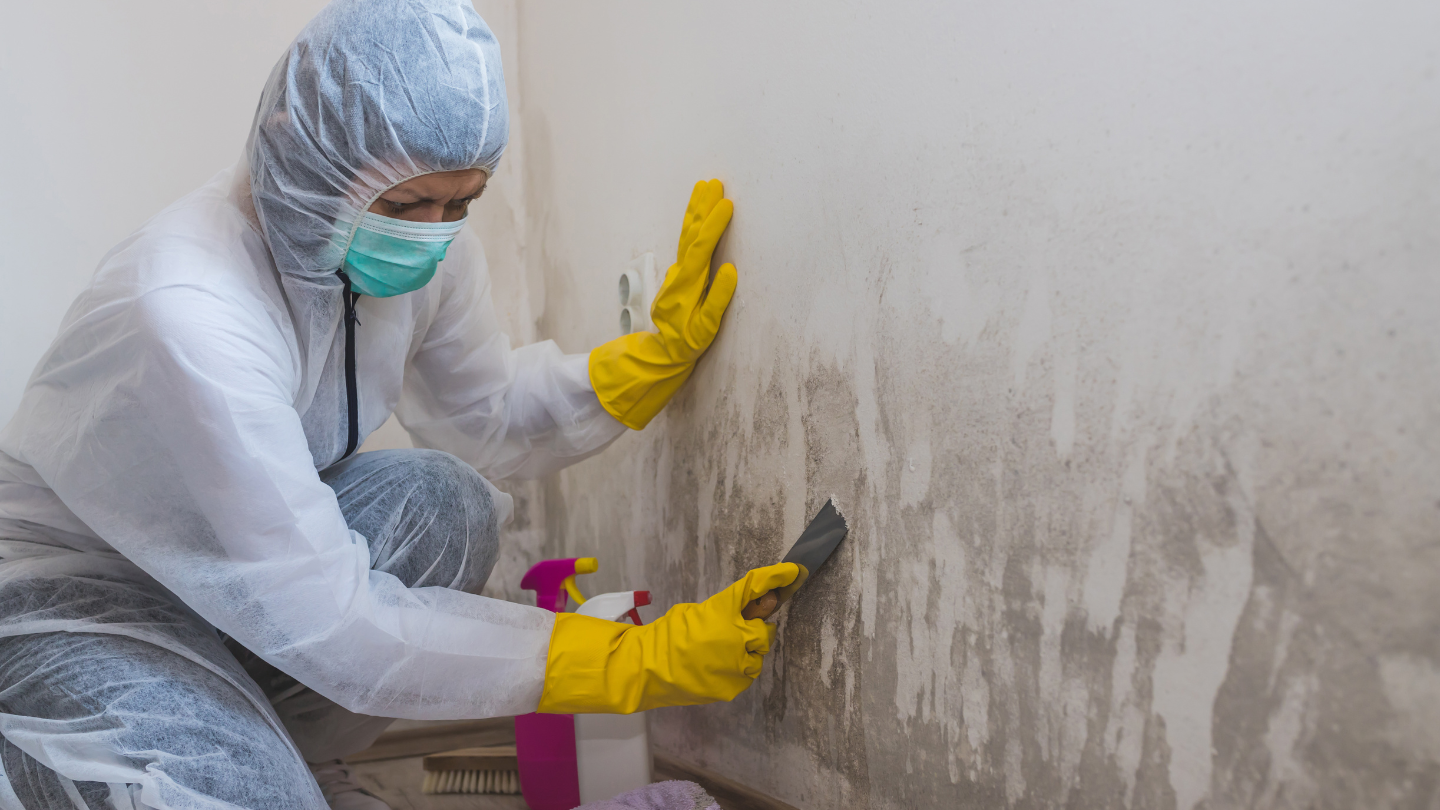
If you suspect mold growth in your humidifier or elsewhere in your home, professional assistance is vital. Experts can conduct detailed mold inspections, using advanced tools to detect hidden mold growth and identify the root causes of excess moisture. Once identified, they implement tailored remediation strategies, ensuring mold is safely and effectively removed.
In addition to removing mold, professionals can provide long-term solutions to prevent recurrence, such as recommending proper ventilation systems, advanced humidity controls, and regular maintenance plans. Trusting trained specialists ensures your home is safeguarded against mold-related risks and remains a safe, healthy environment.
Summary
Maintaining ideal humidity levels and using humidifiers correctly are essential steps to preventing mold growth and ensuring a healthy indoor environment. While routine cleaning and proper operation can mitigate risks, expert intervention is often necessary to address hidden threats and provide comprehensive, long-term solutions. By identifying potential issues, monitoring humidity, and implementing tailored strategies, professionals help protect your home and health from mold-related concerns.
At Mold-B-Gone, your trusted mold removal specialist near Atlanta, we specialize in mold testing, remediation, and prevention to ensure your home remains safe and your indoor air quality pristine. Let our dedicated team handle the challenges of mold removal with precision and care. Contact us today and take the first step toward a healthier living space!
Frequently Asked Questions
1. Can a humidifier cause mold even if I clean it regularly?
Yes, even with regular cleaning, improper humidity levels or poor ventilation in your home can create an environment conducive to mold growth. It’s essential to monitor indoor humidity and use a hygrometer for accurate control.
2. What is the best way to monitor humidity levels in my home?
The most effective way to measure and track indoor humidity is to use a hygrometer. Smart thermostats with built-in humidity sensors can also help regulate levels automatically.
3. How quickly can mold grow if humidity is too high?
Mold can develop within 24 to 48 hours in high-humidity conditions. Reducing moisture levels immediately can prevent mold from spreading.
When dealing with mold issues at home, it’s crucial to understand the differences between mold mitigation and remediation. Mold mitigation involves preventing future mold growth by managing moisture levels, whereas mold remediation focuses on eliminating visible mold and addressing its root causes. Knowing when to use each approach can help maintain a healthy living environment. This blog will guide you through what you need to know about mold mitigation and remediation.
Key Takeaways
Mold mitigation focuses on controlling moisture to prevent mold growth, while mold remediation aims to eliminate existing mold and address its origins.
Professional services are essential for effective mold management, as experts use specialized knowledge and equipment to ensure safe and thorough mold removal.
Early signs of mold growth include visible patches and musty odors, necessitating prompt action to prevent severe infestations and health risks.
Understanding Mold Mitigation and Remediation
Mold mitigation and mold remediation are often used interchangeably, but they serve distinct purposes. Mold mitigation involves reducing mold levels and preventing future growth by controlling moisture, while mold remediation focuses on eliminating visible mold and addressing its root causes.
Both are critical in maintaining a healthy living environment and ensuring the safety of your property.
Mold mitigation reduces the severity of mold and minimizes damage by managing moisture levels and preventing the spread of spores. Professionals achieve this through detailed inspections to identify moisture sources and tailored solutions to control humidity. This process often involves advanced tools like dehumidifiers, moisture meters, and thermal imaging to detect hidden damp spots before mold becomes active. Expert intervention ensures long-term control, addressing both visible mold and potential areas of growth. Mold can enter a home through various means, such as clothing, open doors, windows, and pets.
Defining Mold Remediation
The goal of mold remediation is to not only remove visible mold but also tackle the root causes, bringing mold levels back to a normal, safe state. This process involves detailed inspection, thorough testing, analytical procedures, and definitive removal measures. Mold removal plays an essential role in this. When faced with extensive infestations, mere removal might be inadequate. It’s crucial that any presence of mold within a residence is addressed promptly through immediate extraction to maintain safety.
In the context of eliminating and remediating mold from affected areas, the paramount objective is restoring the property while ensuring comprehensive eradication and remediation efforts are implemented against all manifestations of mold growth.
Key Differences Between Mold Mitigation and Mold Remediation
Effectively tackling mold issues necessitates a grasp of the fundamental distinctions between mold mitigation and remediation. Mold mitigation is centered on halting the spread of mold by managing moisture levels, while remediation encompasses comprehensive evaluations and containment measures to deal with current instances of mold.
These variances underscore the separate tactics and results associated with each process in addressing issues related to mold.
Mitigation of mold primarily targets the thorough cleaning and restoration of a property afflicted by mold by controlling moisture levels to curb growth. The essential objective is to avoid the development of mold by regulating humidity within the environment.
Conversely, when it comes to eradication, visible traces of mold are removed from surfaces as part of remediation efforts. This process does not tackle the fundamental issues that lead to its presence. In essence, remediation encompasses not only the removal but also measures aimed at thwarting recurrence by resolving primary causes—this constitutes a key distinction between simple removal and full-scale remediation strategies for handling mold on properties.
Goals and Outcomes
Mitigation is centered on curtailing the proliferation and dissemination of mold within indoor environments, thereby enhancing safety and thwarting additional complications associated with mold.
On the flip side, remediation zeroes in on detecting extensive mold invasions and thoroughly eradicating them. The results manifest as enhanced indoor air quality, eradication of risks posed by mold, and ensuring a lasting solution against future instances of mold re-emergence.
Professional Expertise Required
Professional services are essential for effective mold remediation and mitigation. Specialists use advanced tools and their expertise to comprehensively and safely tackle mold issues.
These professional mold remediation services aim not just to resolve existing mold problems but also to devise measures that will help ward off potential future occurrences of mold infestation.
Consider mold mitigation at the first signs of mold growth, such as musty smells, visible mold spots, and damp areas. Water damage, such as stains on walls from leaks, also creates conditions suitable for mold proliferation.
Acting quickly to remove mold is crucial to prevent health and safety compromises.
Early Signs of Mold Growth
Immediate professional attention is required when noticing heightened allergy reactions, visible spots, or continuous musty odors, as these are common indicators of mold growth. Experts use tools such as infrared cameras and air quality tests to detect mold, even in hidden areas like behind walls or under flooring. Early professional detection prevents major infestations and minimizes potential health risks, ensuring comprehensive safety.
Professionals emphasize moisture control and humidity management as essential strategies for preventing mold. This includes routine maintenance of HVAC systems to regulate airflow and humidity levels effectively. Experts may also recommend advanced ventilation solutions, dehumidifiers, and moisture barriers for high-risk areas. Additionally, professionals provide thorough inspections to identify and rectify hidden leaks or water seepage, which is crucial in halting mold before it starts.
Experts provide advice on enhancing ventilation and regulating moisture levels to sustain an environment devoid of mold. It is also essential to promptly rectify any water damage or leaks, which are critical factors in halting the advancement of mold growth.
When to Opt for Mold Remediation
Severe mold infestations and health risks necessitate mold remediation. Visible mold growth, recurring allergy symptoms, and musty odors indicate the need for professional help. Call professionals when mold is growing on walls or surfaces and requires safe handling.
Opt for mold remediation if mold covers more than 10 square feet, allergy symptoms are present, or a persistent musty smell exists.
Severe Mold Infestations
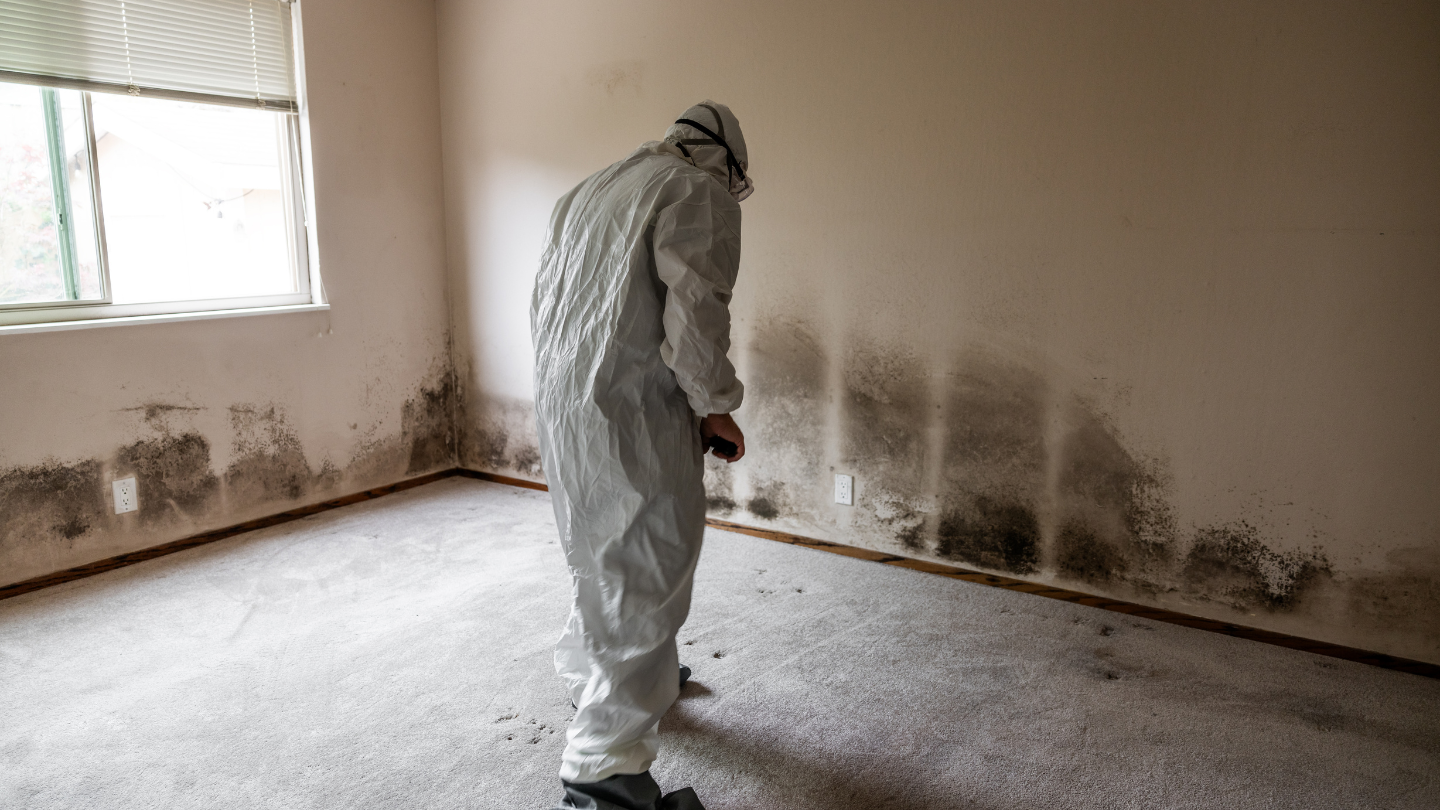
Professional remediation is critical when addressing significant mold infestations. Indicators like dark discolorations on walls or flooring, persistent musty odors, and allergic reactions signal the need for expert evaluation. Professionals use advanced methods, such as air sampling and surface testing, to determine the extent of the infestation. Once identified, they implement safe removal procedures, ensuring the thorough eradication of mold while preventing spore spread to unaffected areas.
If there are any conspicuous mold discolorations, it might point towards more serious concealed mold concerns within structures. This situation demands an exhaustive strategy for remediation to guarantee the thorough removal of all molds from the affected areas.
Health Symptoms and Risks
Mold presents significant hazards to one’s health, especially for those with compromised immune systems and respiratory conditions. Symptoms such as itchy eyes, skin rashes, and sneezing are common allergic reactions.
It is essential to employ professional remediation services in order to minimize these health dangers and secure a safe habitat.
The Mold Remediation Process
The mold remediation process involves several steps, from assessment to restoration. Professional services begin with a detailed assessment to determine the extent and origins of mold contamination, including hidden areas. Experts use specialized tools and methods to ensure complete mold removal and prevent spore release.
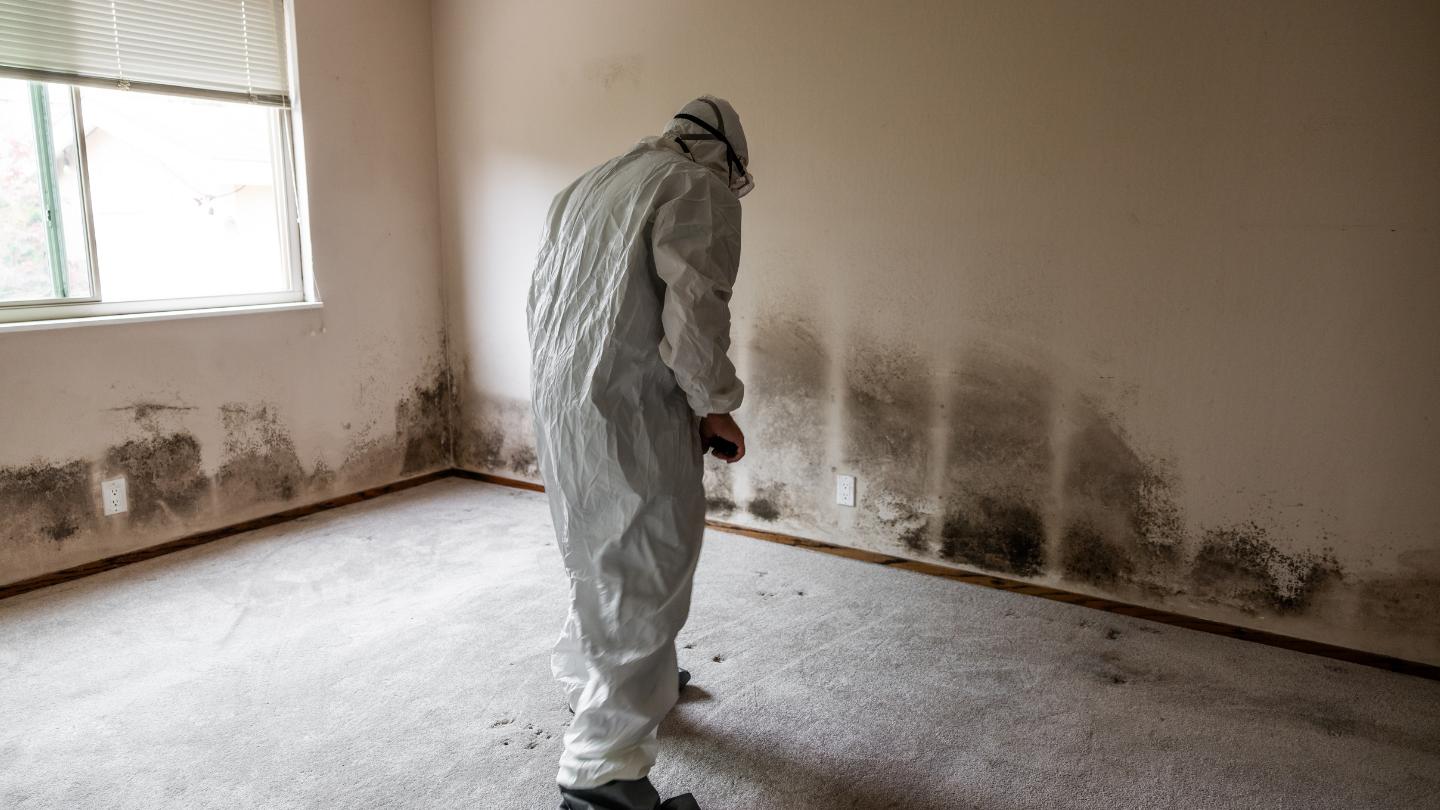
Specialized personal protective equipment is often required to ensure worker safety. Cleaning and sanitizing contaminated surfaces are crucial to prevent mold recurrence. After remediation, air quality testing ensures mold levels are safe.
During the first phase of mold inspection and assessment, experts pinpoint existing mold problems and establish the extent of necessary remediation. This process involves evaluating moisture levels and assessing air quality to measure the degree of contamination.
Containment and Removal
Experts isolate contaminated areas before removing mold to prevent spores from spreading throughout the property. Mold remediation requires specialized techniques for safe removal and area restoration. Mold-infested porous materials like carpets and drywall are typically disposed of rather than cleaned.
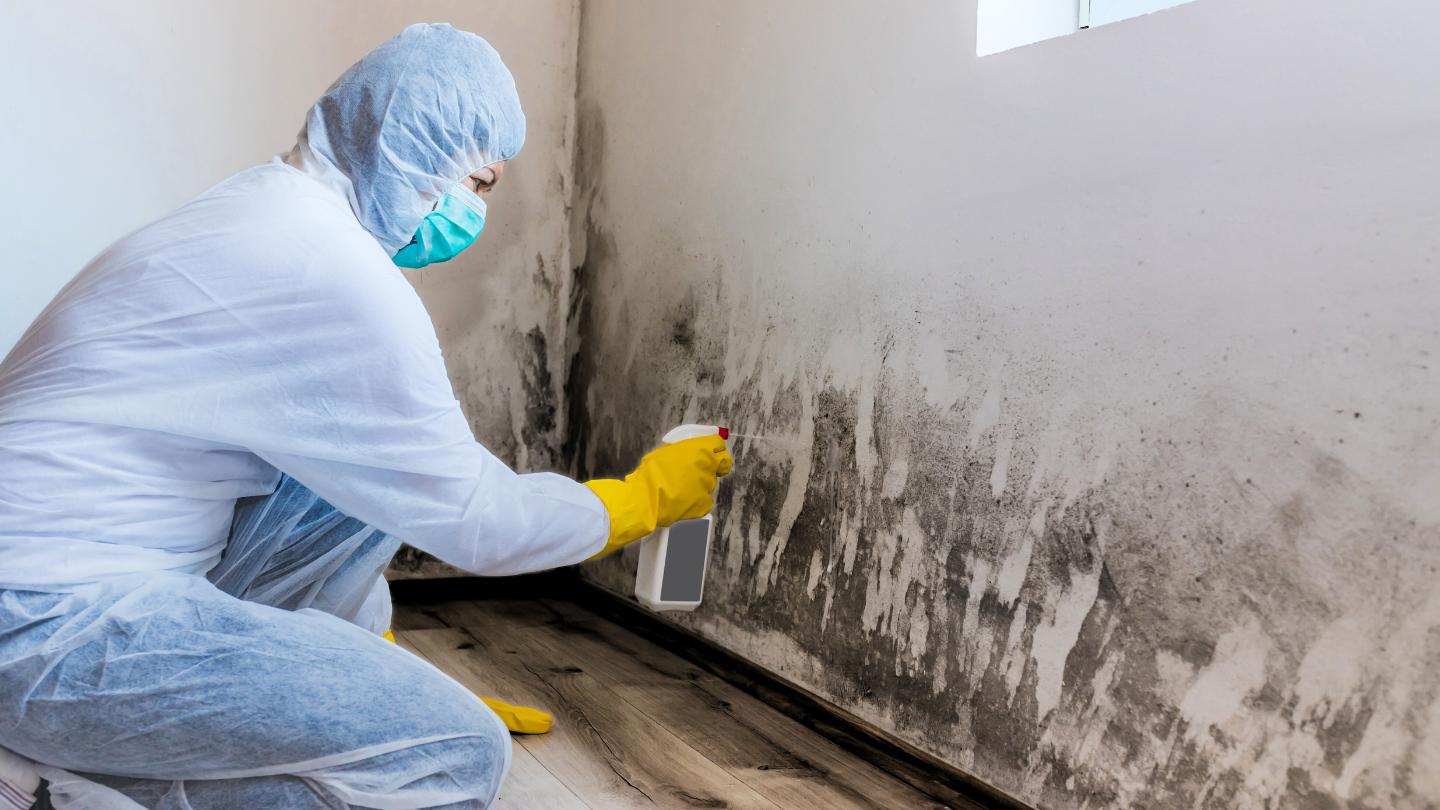
Professionals use professional-grade tools and wear protective gear for effective and safe removal. HEPA vacuums and air scrubbers filter out mold spores from the environment.
Cleaning and Sanitization
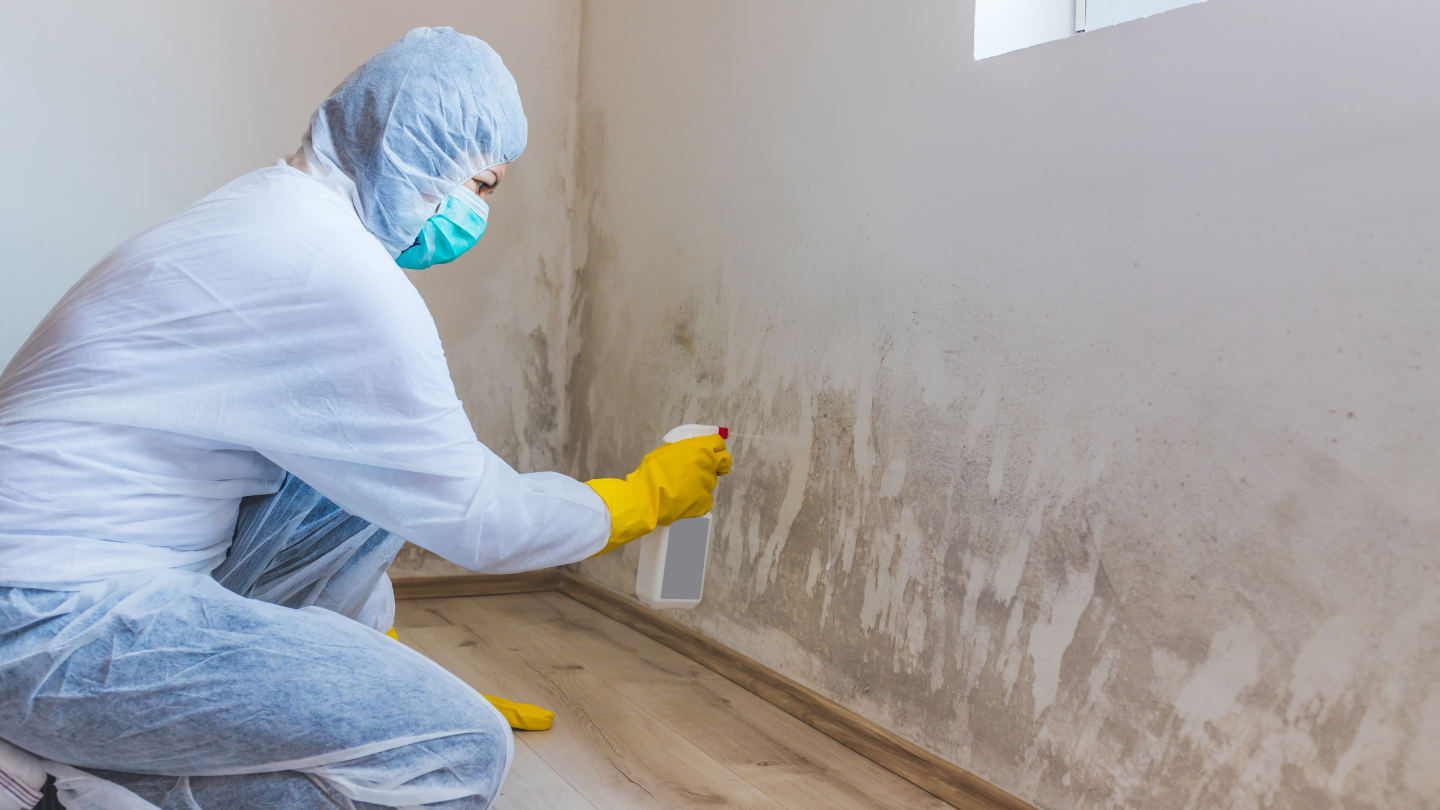
Professional cleaning and sanitization play a pivotal role in ensuring indoor air quality and preventing mold recurrence. Specialists use advanced tools like HEPA vacuums and air scrubbers to remove spores from surfaces and the air. For effective mold elimination, professionals apply certified mold-killing solutions tailored to the contamination level. They also address structural vulnerabilities, such as persistent leaks or poor ventilation, providing long-term recommendations to protect against future mold growth.
HEPA air filters are essential for air filtration to filter mold spores from the air.
Why Professional Services Are Essential
Professional services are essential for successful mold remediation and mitigation. Restoration companies with the requisite expertise in mold science carry out the process safely, protecting both structural integrity and health. Mold remediation specialists who have experience guarantee that the work is done without compromising safety or building stability.
To prevent future mold growth following remediation, professionals provide guidance and can certify that no mold remains after their efforts. Unprofessional attempts at remediating mold may lead to an increase in its spread, causing harm to your property.
Expertise and Equipment
Professional mold removal relies on advanced expertise and cutting-edge equipment. Trained specialists understand the complex biology of mold, its impact on health, and the best remediation techniques. They utilize specialized tools such as HEPA vacuums, negative air machines, and thermal imaging to detect and eliminate mold comprehensively. This ensures the complete removal of mold while safeguarding indoor air quality and preventing recurrence.
Long-Term Prevention
Incomplete mold removal often leads to spore dispersion, contaminating previously unaffected areas. Professionals excel at identifying hidden mold sources and resolving underlying issues, such as moisture buildup or structural leaks. They offer tailored solutions, including installing moisture barriers and improving airflow systems, to prevent future infestations and ensure a mold-free environment.
In conclusion, understanding the distinction between mold mitigation and remediation is vital for effectively managing mold issues. Mold mitigation focuses on preventing mold growth by controlling moisture levels, while remediation involves removing visible mold and addressing its underlying causes. Both processes require professional services to ensure thorough and safe handling of mold-related problems.
At Mold-B-Gone, we are a mold removal specialist serving Atlanta, offering tailored solutions to address a variety of mold-related challenges. Our treatment strategy is based on factors such as the type of material affected, the extent of the impacted area, and the specific type of mold present. With a 100% success rate in Atlanta, we guarantee our service quality with a one-year written assurance, reflecting our dedication to customer satisfaction. Equipped with specialized expertise and tools, we ensure the effective resolution of mold issues. Additionally, we offer crawlspace encapsulation, duct cleaning, eviction cleanouts, and whole-house and room sanitizing services to address your home’s needs comprehensively. Contact us today to discover how we can safeguard your home from mold.
Frequently Asked Questions
What is the best way to prevent mold from returning after remediation?
The best approach includes maintaining proper ventilation, controlling indoor humidity levels, and addressing any water leaks or moisture issues promptly.
How do professionals detect hidden mold in homes?
Experts use tools like thermal imaging cameras, moisture meters, and air quality tests to identify mold in hidden areas, such as behind walls or under flooring.
Why is addressing moisture more important than just removing mold?
Mold thrives in damp conditions, so managing moisture ensures that mold does not regrow after removal, providing a long-term solution.
Are you curious about how long air duct cleaning takes? On average, it ranges from 3 to 5 hours, based on your HVAC system’s size and condition. In this guide, we’ll break down the key factors affecting this duration and what to expect during the cleaning process.
Key Takeaways
Air duct cleaning time varies based on HVAC system size, number of components, and property type, with typical durations ranging from three to seven hours.
Scheduling cleaning during off-peak times and clearing access points can significantly enhance the efficiency of the air duct cleaning process.
Professional air duct cleaning services, like those offered by Mold-B-Gone, use specialized equipment to ensure thorough cleaning, improve indoor air quality, and prevent future contaminants.
Factors Influencing Air Duct Cleaning Time
The duration required to clean your air ducts varies significantly depending on several critical factors. Knowing these can help you plan accordingly and ensure a smooth process. The main factors affecting cleaning time include your HVAC system’s size, the number of components it has, and the type of property.
Additionally, factors like the condition of your ductwork and the level of contamination also play a significant role. Systems with neglected maintenance or heavy debris build-up may require longer cleaning times due to the extra effort needed to remove accumulated contaminants.
Understanding these influences not only sets realistic expectations for the time required but also highlights the importance of regular maintenance to minimize future cleaning efforts.
HVAC System Size
Cleaning air ducts takes longer in larger systems with more extensive ductwork. However, the condition of the ducts also matters—well-maintained systems may take less time to clean compared to those that have been neglected. For compact residential systems, cleaning may be quicker, but complex systems in commercial settings often demand additional time and expertise.
Professionals conduct a detailed inspection of the ductwork to identify areas needing focused attention. This ensures no debris is left behind, regardless of the system’s size.
Number of Attached Components
The presence of multiple components, such as filters, vents, and dampers, adds complexity to the cleaning process. Each piece requires meticulous cleaning to maintain optimal system performance. For example, components like blower fans and return ducts are critical areas where contaminants often accumulate.
Professional technicians use specialized tools to ensure these areas are thoroughly cleaned. This not only prolongs the HVAC system’s lifespan but also ensures a healthier indoor environment by removing hidden pollutants.
Residential vs. Commercial Properties
While residential systems are typically more straightforward, commercial properties demand extra time and expertise due to the size and complexity of their HVAC systems. Industrial-grade ductwork often includes multiple zones, dampers, and extensive filtration systems that require careful handling.
Professional teams are equipped to manage this complexity, using advanced techniques and equipment to handle the unique demands of commercial systems efficiently whether residential or commercial, thorough air duct cleaning is vital for optimal HVAC performance and air quality.
Typical Duration for Air Duct Cleaning
The time required for cleaning air ducts can differ greatly due to previously mentioned variables. For a majority of houses, the process spans between three and five hours on average. Still, depending on the specific circumstances and intricacy of your system’s components, this timeframe may stretch up to seven hours.
For clarity on what you might anticipate when arranging an air duct cleaning service, here are standard durations aligned with various situations: smaller homes typically require less time, while larger residences and those systems that have significant contamination could require more extensive cleaning efforts.
Small Houses
Typically, in a small house that is less than 3,000 square feet in size, the process of air duct cleaning can be concluded within approximately three hours. This shorter duration is due to the more compact HVAC systems found in smaller homes that facilitate quicker and more straightforward cleaning procedures, consequently resulting in a lower cost for air duct cleaning.
Residing in a small dwelling thus translates into an expeditious air duct cleaning service, enabling occupants to relish purified air with minimal delay.
Larger Homes
On the other hand, bigger residences that exceed 3,000 square feet typically necessitate approximately five hours to perform a comprehensive air duct cleaning. This is due to the greater scale and intricacy of the HVAC systems in such homes, which require additional time for an exhaustive cleaning.
For expansive domiciles, it’s important to anticipate an extended duration of duct cleaning so as to cover all areas adequately.
Highly Contaminated Systems
A heavily polluted air duct system can drastically extend the duration of cleaning. To effectively eliminate all debris and pollutants, such systems typically require additional time for proper cleaning.
When air ducts are greatly contaminated, more time is needed to clean them since air duct cleaning requires meticulous attention in order to revitalize system performance and enhance the quality of the air.
Preparing for Air Duct Cleaning
Proper preparation ensures an efficient and hassle-free cleaning process. It involves more than just scheduling a convenient time—it also includes providing clear access for professionals and taking steps to optimize the cleaning experience.
Technicians recommend clearing the space around all vents and access points to enable uninterrupted workflow. Additionally, scheduling cleaning during less busy periods minimizes disruptions, particularly in commercial settings where HVAC downtime can impact operations. These proactive measures make the process smoother and more effective.
Scheduling During Off-Peak Times
Arranging for your air duct cleaning when demand is low can streamline the procedure. Optimal scheduling occurs in spring or early fall before the HVAC system enters periods of high usage, ensuring easier access and reducing service interruptions.
Selecting times outside peak seasons guarantees a more fluid cleaning experience, circumventing any clash with the operational requirements of your heating or cooling system.
Clearing Access Points
Ensuring that the vicinity of vents and access panels is devoid of any obstructions is essential for a streamlined cleaning operation. It enables technicians to swiftly attach their equipment and carry out the cleaning task without unwarranted delays.
By eliminating impediments, the cleaning crew can maintain an efficient workflow, guaranteeing that the process is not only comprehensive but also conducted within a reasonable timeframe.
Why Professional Air Duct Cleaning Matters
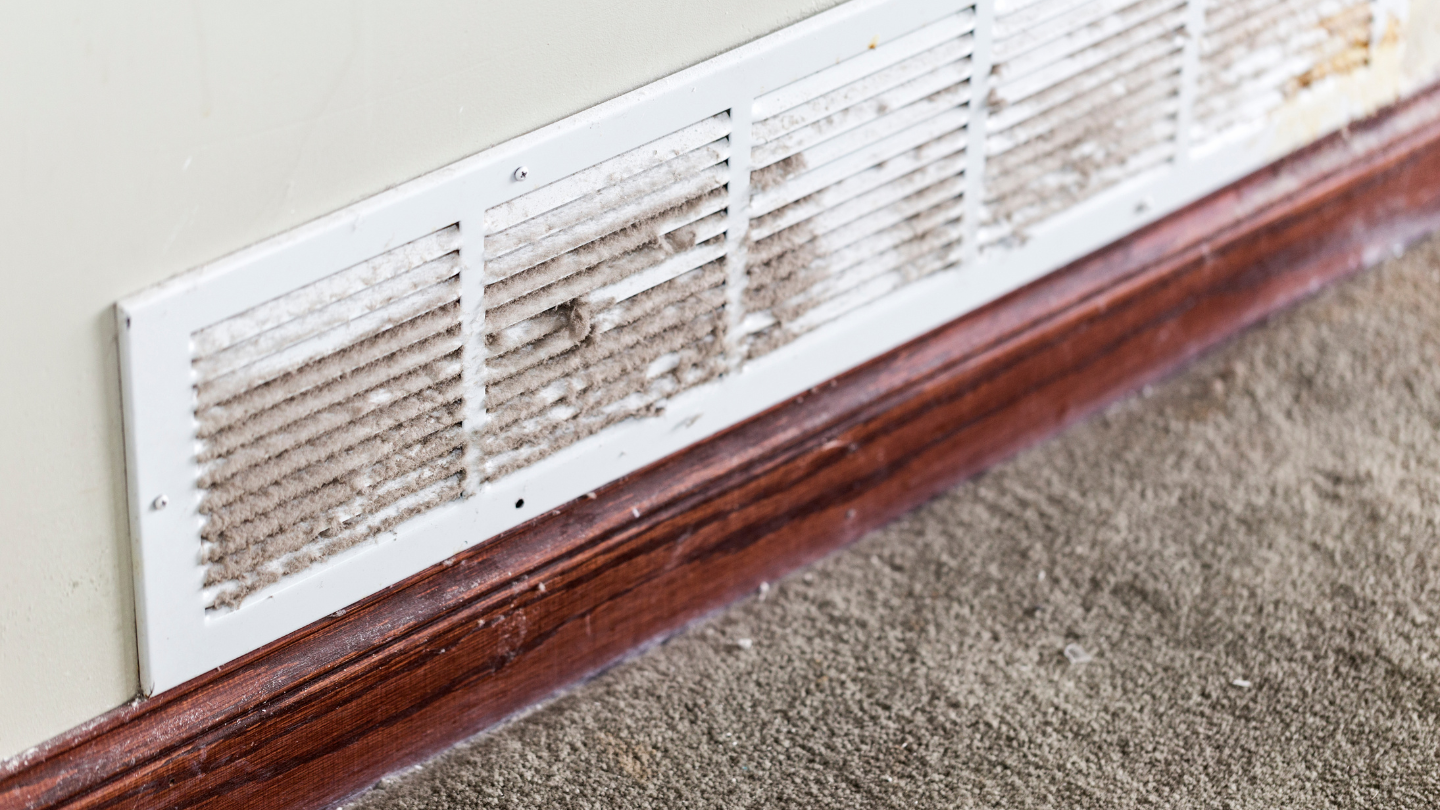
Professionals use advanced equipment and techniques to deliver a thorough cleaning that enhances indoor air quality and prevents potential hazards like mold growth. For example, they utilize powerful vacuums and antimicrobial treatments to eliminate pollutants completely and inhibit future contamination.
Incomplete or inadequate cleaning by untrained individuals can leave harmful debris behind, potentially reducing indoor air quality and affecting system performance. Professional cleaning ensures every component of the HVAC system is addressed, offering peace of mind and improved air quality.
Proper Equipment and Techniques
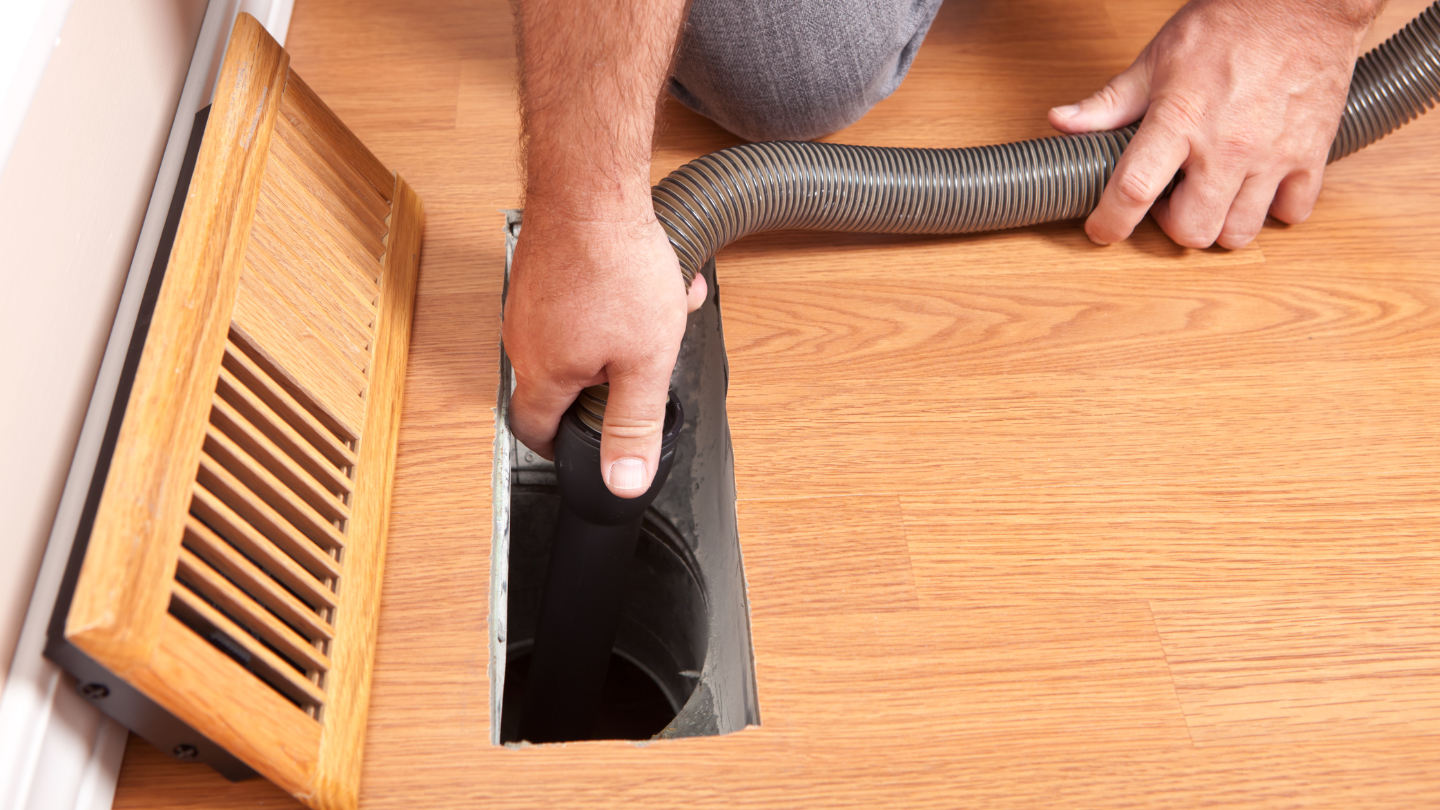
Experts employ state-of-the-art equipment to eliminate contaminants completely. They utilize potent vacuums and bespoke brushes designed specifically to clean duct surfaces efficiently. Their cleaning protocol involves the use of environmentally safe antimicrobial solutions that inhibit mold recurrence, preserving the cleanliness of air ducts and maintaining high indoor air quality.
Avoiding Incomplete Cleanings
Improper or rushed air duct cleaning can leave pollutants behind, compromising the efficiency of your HVAC system and indoor air quality. Comprehensive cleaning is crucial as it inhibits the build-up of contaminants and ensures a healthier living space.
Skipping key steps—such as cleaning blower compartments or inspecting hard-to-reach areas—can lead to subpar results. Professional technicians ensure thorough cleaning by addressing every part of the system, leaving nothing overlooked.
Summary
Ensuring your air ducts are properly cleaned is vital for maintaining excellent indoor air quality and optimizing the efficiency of your HVAC system. By familiarizing yourself with the factors affecting cleaning time, understanding typical durations for various scenarios, and preparing adequately, you can facilitate a smooth and effective air duct cleaning process.
At Mold-B-Gone, we specialize in duct cleaning near Atlanta, using advanced equipment and techniques to deliver a comprehensive clean. Our services not only enhance your home’s air quality but also boost HVAC system performance. Trust Mold-B-Gone for all your air duct cleaning needs, and breathe easier knowing your air ducts are in expert hands. Contact us today to schedule your cleaning!
Frequently Asked Questions
1. Can air duct cleaning reduce allergies or respiratory issues?
Yes, cleaning air ducts removes dust, allergens, and other contaminants, improving indoor air quality and reducing potential triggers for allergies and respiratory problems.
2. How often should air duct cleaning be done?
It’s recommended every 3-5 years, but homes with pets, smokers, or occupants with allergies may benefit from more frequent cleanings.
3. What happens if air ducts are not cleaned regularly?
Neglected ducts can accumulate debris, mold, and allergens, reducing HVAC efficiency and potentially leading to poor indoor air quality and health concerns.
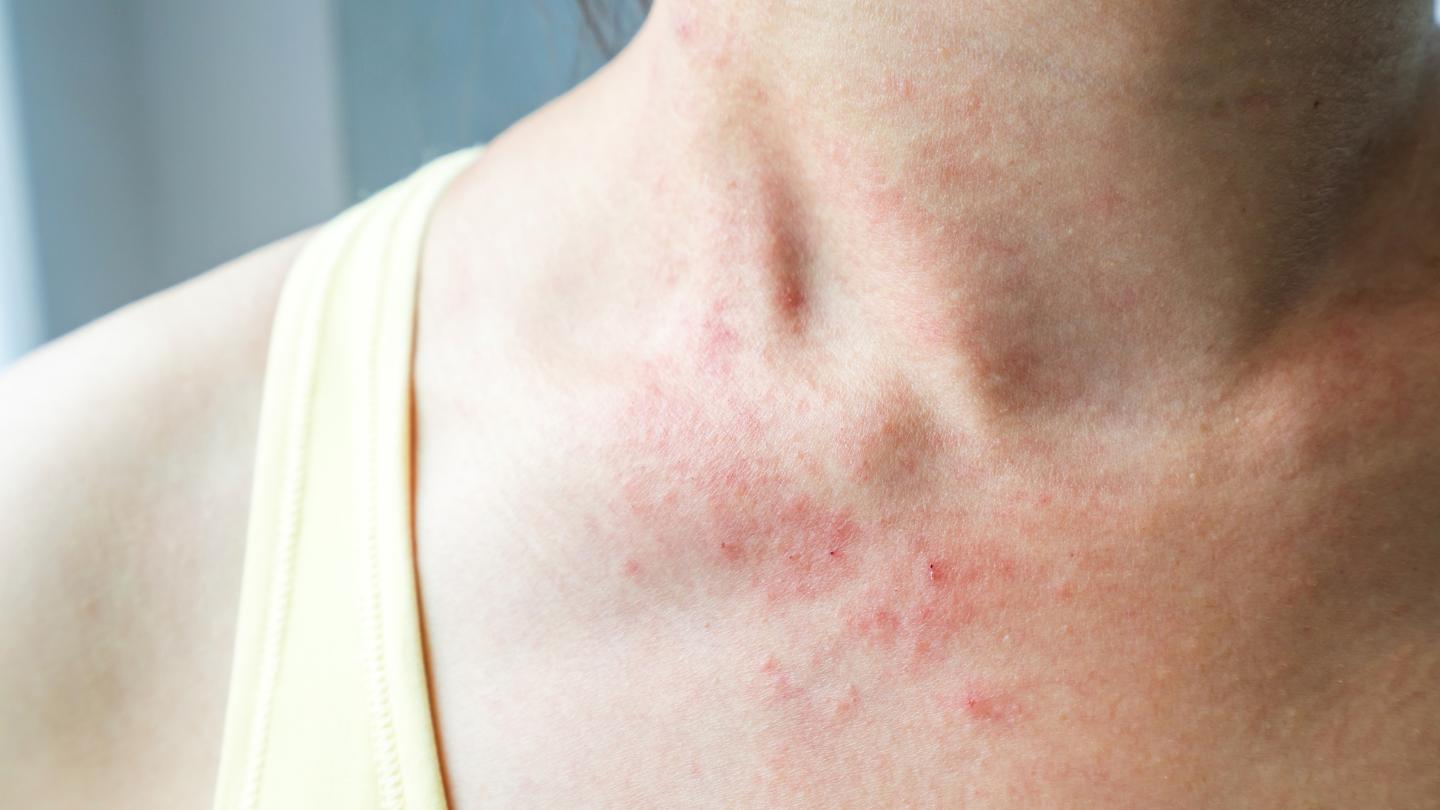
Mold rashes often affect individuals exposed to mold, making identification challenging. These rashes typically appear as itchy, red, and swollen patches of skin, sometimes accompanied by bumps, scales, or blisters. Understanding their visual characteristics and causes is crucial for effective treatment and prevention. This article will explore what mold rash looks like and the underlying factors that contribute to their development.
Key Takeaways
Mold rashes manifest as itchy, red, swollen areas on the skin, often accompanied by symptoms like coughing and irritated eyes, indicating mold allergies.
Diagnosis of mold rash involves reviewing medical history and performing allergy testing to confirm reactions to mold exposure, which informs effective treatment strategies.
Preventing mold rash requires managing humidity and ventilation in living spaces, alongside regular inspections for mold growth to minimize exposure.
Identifying a Mold Rash
It can be difficult to distinguish a mold rash from other skin issues due to its similarity in appearance. Prompt identification is important, especially for individuals exposed to mold in infested environments, as it can worsen existing conditions like eczema.
Being aware of the distinctive characteristics and symptoms of a mold rash is essential. This awareness helps differentiate it from other skin conditions and ensures timely medical attention.
Visual Characteristics of a Mold Rash
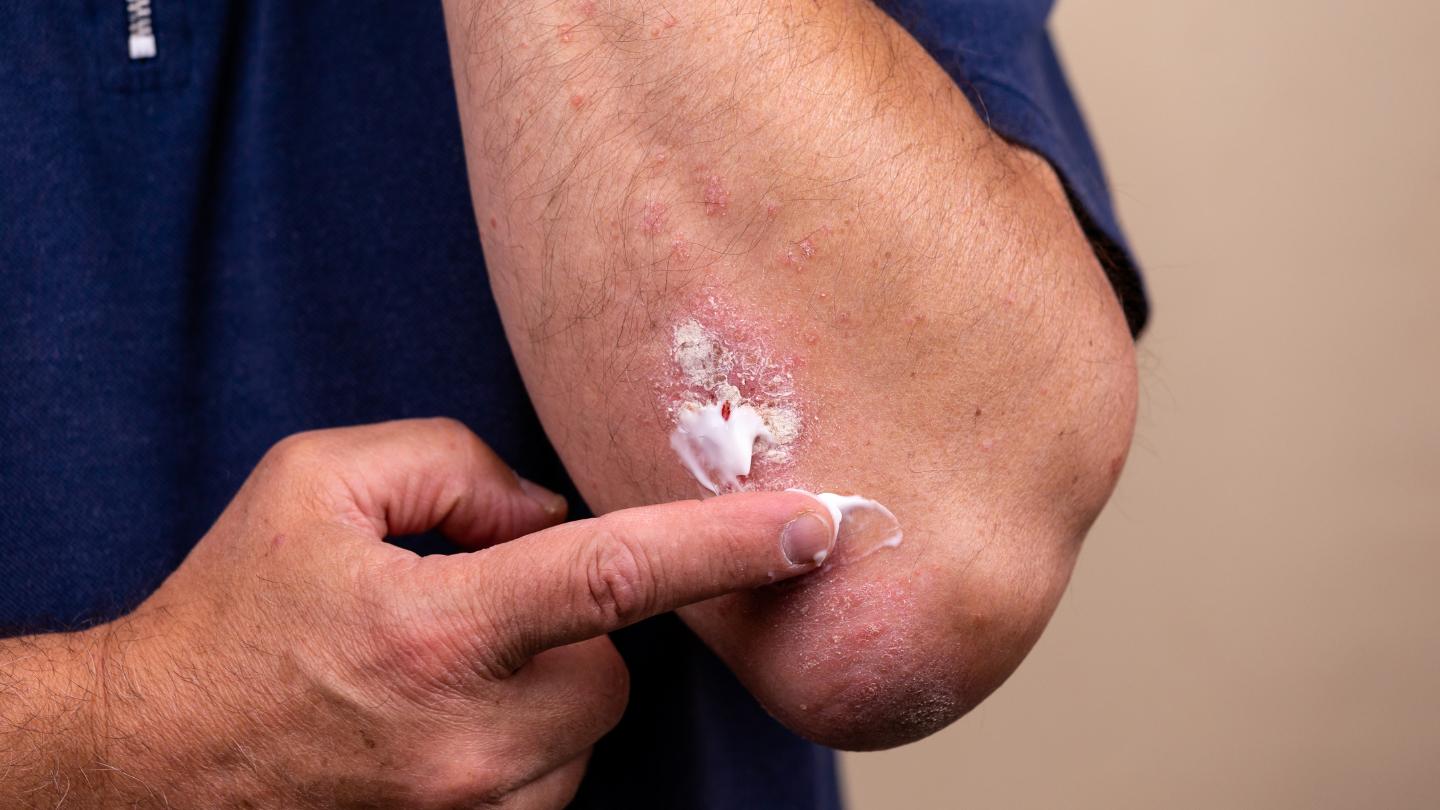
Exposure to mold often leads to skin rashes characterized by an itchy, red, warm, and swollen appearance. Symptoms may also include bumps, scaling, or blistering on the affected areas. Prolonged exposure or contact with harmful varieties like toxic black mold can intensify these reactions.
In severe cases, individuals may notice scaliness, persistent itching, dryness, and inflamed skin patches. Blisters signal increased irritation, requiring immediate attention to prevent further skin damage. Early recognition and intervention are crucial for managing mold-related rashes and avoiding complications.
Common Symptoms Accompanying Mold Rashes
Mold allergies can trigger a combination of symptoms, including skin rashes, coughing, and wheezing due to respiratory reactions to mold spores. Persistent exposure to mold may cause chronic coughing and sinus drainage from ongoing irritation.
Individuals with mold allergies often experience eye irritation, described as a gritty sensation or increased sensitivity to light. Additional symptoms may include persistent runny noses and frequent headaches, sometimes escalating to migraines. When these symptoms appear alongside a skin rash, they strongly suggest the need for medical intervention to address a potential mold allergy.
Causes of Mold Rash
Understanding the causes of mold rash is key to prevention and treatment. A mold-associated skin rash is an allergic condition caused by exposure to mold. The immune system’s overreaction to airborne mold spores triggers allergy symptoms, which often manifest as rashes on the skin. These rashes may appear as brown or pink patches with small, raised bumps that can leak fluid. They are often accompanied by raw, sensitive, and itchy skin.
Mold allergies are diagnosed through a thorough review of medical history, physical examinations, and specialized allergy tests. These tests determine if the rash is related to mold exposure, helping healthcare providers develop effective treatment plans. Understanding these causes is essential for managing and preventing mold rash effectively.
How Mold Spores Trigger Allergic Reactions
Mold spores are microscopic particles that become airborne and can be inhaled. For individuals with heightened sensitivity, these spores can trigger an allergic response. Once inhaled, the immune system recognizes mold as harmful and releases histamines, resulting in allergy symptoms such as skin rashes.
The severity of reactions to mold exposure varies greatly. Some individuals experience mild symptoms, while others may develop severe conditions, such as allergic bronchopulmonary aspergillosis (ABPA), when exposed to Aspergillus species. Understanding how mold spores trigger these adverse responses is crucial for prevention and treatment.
Environmental Factors Contributing to Mold Growth
Mold growth thrives in environments with high moisture levels and poor ventilation. Areas such as bathrooms, kitchens, and crawlspaces are especially vulnerable as they provide the damp conditions mold spores need to multiply.
Outdoor spaces can also harbor mold, particularly in decaying vegetation. However, indoor mold poses a greater risk to health and living conditions. Addressing these factors through moisture control and improved airflow can significantly reduce mold development and related hazards.
Diagnosing Mold Rash
Diagnosing a mold rash can be challenging because its symptoms often resemble other allergic reactions. Seeking medical attention for unusual skin outbreaks is crucial. Rather than relying on medical diagnostics like skin prick tests or IgE level examinations, addressing mold rash begins with reducing exposure to mold in the environment.
Mold-B-Gone’s professional mold remediation services focus on identifying and eliminating mold at its source. By effectively removing mold and addressing contributing factors such as excess humidity and poor ventilation, we help create a healthier environment that minimizes the risk of allergic reactions, including skin rashes.
Complete Medical History and Physical Exam
A detailed medical history plays a critical role in diagnosing mold allergies. Healthcare providers look for signs of prior mold exposure and related symptoms. During a physical examination, physicians assess the skin for rashes and examine other symptoms associated with mold exposure. This step is essential for ruling out other conditions and confirming whether mold is the cause of the reaction.
Allergy Testing Methods
Allergy testing methods like skin prick and blood tests can identify mold allergies, but rather than spending extensively on hospital visits and treatments, consider calling us for professional mold inspection and removal. Our services address the root cause, ensuring a healthier environment and alleviating mold allergy symptoms effectively.
Treating Mold Rash
Addressing a mold rash typically involves a combination of medications and home remedies to alleviate symptoms and address the underlying cause. In addition to medical treatments, home remedies can provide relief. Using both approaches offers a comprehensive treatment strategy, targeting immediate symptoms and the root cause of the condition.
While some may seek medical remedies for mold rash, the most effective way to address the root cause is to eliminate exposure to mold. Mold-B-Gone specializes in thorough mold removal and prevention strategies to reduce health risks associated with mold exposure. By ensuring your home is free from mold, we help alleviate ongoing symptoms and promote long-term health. If you’re experiencing persistent reactions, professional mold inspection and remediation are critical steps to prevent further issues.
Preventing Mold Rash
To prevent mold rash, it’s essential to control your environment and limit exposure to mold. Key steps include:
Using exhaust fans to improve airflow.
Maintaining indoor humidity below 60%.
Ensuring proper air exchange in living areas.
Regularly inspecting for water leaks or damage that could promote mold growth.
By regulating moisture levels and enhancing ventilation, you can significantly reduce the risk of mold development and related skin irritations. These preventive practices are crucial for maintaining a healthy and mold-free living space.
Reducing Mold Inside Your Home
To address mold-related health concerns, the best approach is proactive prevention and remediation. Mold-B-Gone recommends the following steps:
Schedule regular mold inspections, especially in moisture-prone areas like basements, bathrooms, and kitchens.
Use dehumidifiers to maintain indoor humidity below 50%, preventing mold growth.
Repair water leaks promptly to eliminate moisture sources that encourage mold proliferation.
Ensure proper ventilation in high-moisture areas with the use of exhaust fans.
These measures, combined with Mold-B-Gone’s professional remediation services, help create a mold-free environment that minimizes health risks and promotes well-being.
Outdoor Mold Prevention Tips
Outdoor mold levels are highest during windy or damp conditions. To minimize exposure, consider the following tips:
Keep windows closed during high mold spore counts or windy days.
Spend less time outdoors when mold levels are elevated.
Regularly remove fallen leaves and decaying vegetation from your yard.
Ensure gutters are clean and free of debris to prevent water buildup.
By maintaining a tidy outdoor space and limiting exposure during peak mold seasons, you can reduce the risk of mold-related health issues.
Risks Associated with Mold Exposure
Exposure to mold poses significant health risks, particularly for sensitive individuals. Common symptoms include wheezing, shortness of breath, and exacerbated allergies or asthma symptoms. Prolonged exposure may lead to chronic respiratory issues.
Those with weakened immune systems face greater risks, including infections caused by mold. Mold exposure can also trigger irritation and allergic responses, potentially resulting in severe health complications. Understanding these risks underscores the importance of preventing and addressing mold exposure promptly.
Mold Hypersensitivity Syndrome
Mold hypersensitivity syndrome occurs when individuals develop severe allergic reactions to mold exposure. One condition linked to this syndrome is allergic bronchopulmonary aspergillosis (ABPA), caused by an adverse reaction to Aspergillus mold. ABPA affects 1-2% of people with asthma, highlighting the connection between mold sensitivity and respiratory health.
Genetic predisposition also plays a role in mold hypersensitivity. Research indicates that approximately 28% of people carry genes that increase their susceptibility to mold-related health problems. Managing exposure to mold is critical for individuals with asthma or heightened sensitivity to reduce the risk of severe allergic reactions and related complications.
Severe Reactions and Mycotoxins
Prolonged mold exposure can lead to serious health risks due to the production of harmful substances like mycotoxins. These toxic compounds, produced by certain molds, can cause respiratory problems and other health complications. Rather than focusing on specific technical conditions, it’s crucial to emphasize prevention. Mold-B-Gone’s expertise in mold remediation ensures the safe and effective removal of toxic mold, reducing exposure to harmful substances and safeguarding your health.
Summary
Recognizing mold rashes, their causes, and treatments is vital for individuals experiencing mold allergies. Skin symptoms such as red patches, swelling, or blistering, combined with respiratory issues or migraines, may signal an allergic reaction to mold. Early detection and addressing environmental factors like damp areas can help in effective prevention and treatment.
Mold-B-Gone, the mold remediation experts serving Atlanta, is dedicated to helping you reduce indoor humidity and minimize exposure to outdoor molds, significantly lowering the risk of mold rashes. For those already affected, we provide a blend of professional mold remediation services and home remedies that offer symptom relief and foster recovery. Our services come with a written 12-month guarantee to ensure your home remains a safe and healthy environment. Don’t let indoor environmental issues compromise your health and comfort. Contact us today for professional solutions backed by years of expertise. We provide comprehensive services including Duct Cleaning, Eviction Clean Outs, IAQ Testing, Mold Remediation, Water Damage Flood Restoration, Whole House & Room Sanitizing, and many other specialized services to ensure your space is clean, safe, and healthy. Our experienced team is ready to address your concerns and deliver lasting results.
Frequently Asked Questions
What are the common visual signs of a mold rash?
Common visual signs of a mold rash include itchy, red, warm, and swollen patches on the skin. Bumps, scaling, or blisters may also be present. If you notice these symptoms, it is advisable to seek medical attention promptly.
How can I prevent mold growth inside my home?
To prevent mold growth inside your home, maintain indoor humidity below 50%, use exhaust fans in moisture-producing areas, and regularly inspect for water leaks. These steps are crucial for a healthy, mold-free environment.
What are the severe health risks associated with mold exposure?
Mold exposure can lead to severe respiratory symptoms, such as shortness of breath and wheezing, and systemic illnesses caused by mycotoxin exposure. Prompt mold removal is essential to protect your health.
What home remedies can help treat mold rash?
Effective home remedies for mold rash include applying aloe vera for its soothing properties, using tea tree oil as an antifungal agent, taking oatmeal baths to calm irritation, and using cool compresses to reduce itching and inflammation. These remedies can complement medical treatments.
How can mold allergy be diagnosed?
Mold allergy is diagnosed through a detailed medical history, a physical examination, and allergy testing, including skin prick tests and blood tests. These diagnostic tools ensure accurate identification of mold allergies for effective treatment.
The terms “toxic black mold” and “black mold” are often used interchangeably but refer to different types of mold with distinct health risks. Understanding these differences—such as their appearance, health impacts, and growth conditions—can help you address mold issues effectively and protect your health.
Key Takeaways
Toxic black mold, also known as Stachybotrys chartarum, produces harmful mycotoxins, posing greater health risks compared to regular black mold. These include severe respiratory issues and other health problems.
Both black mold and toxic black mold thrive in moisture-rich environments, highlighting the importance of reducing indoor humidity and ensuring proper ventilation.
Professional mold inspection and remediation are essential for thorough removal and addressing moisture problems to prevent future growth.
Understanding Black Mold
Understanding the distinctions between black mold and other types of regular mold is critical for effectively managing and preventing mold-related problems. Black mold stands out due to its distinctive appearance and the greater health risks it poses compared to other molds. Recognizing and addressing these variations is essential for maintaining a safe and healthy living environment.
Appearance
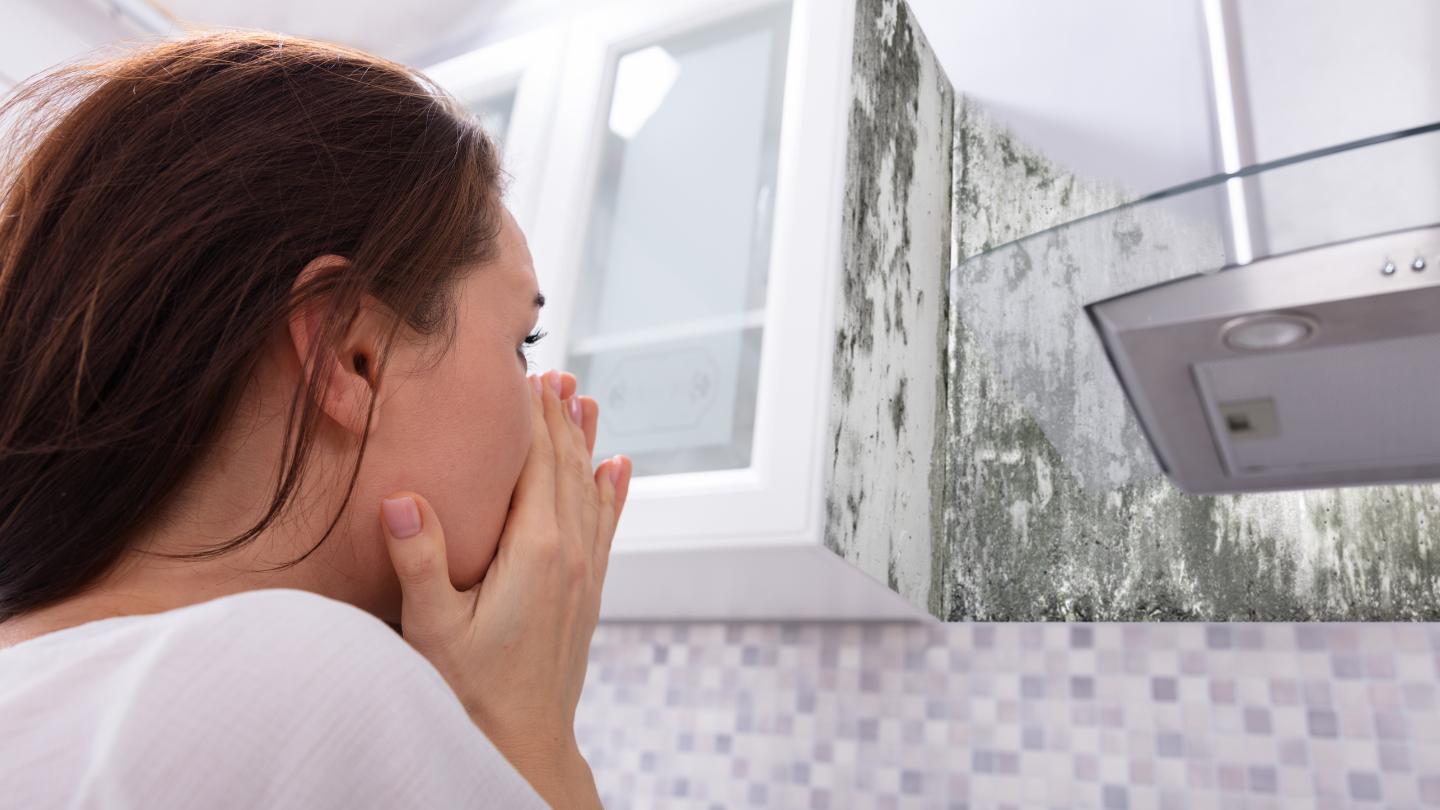
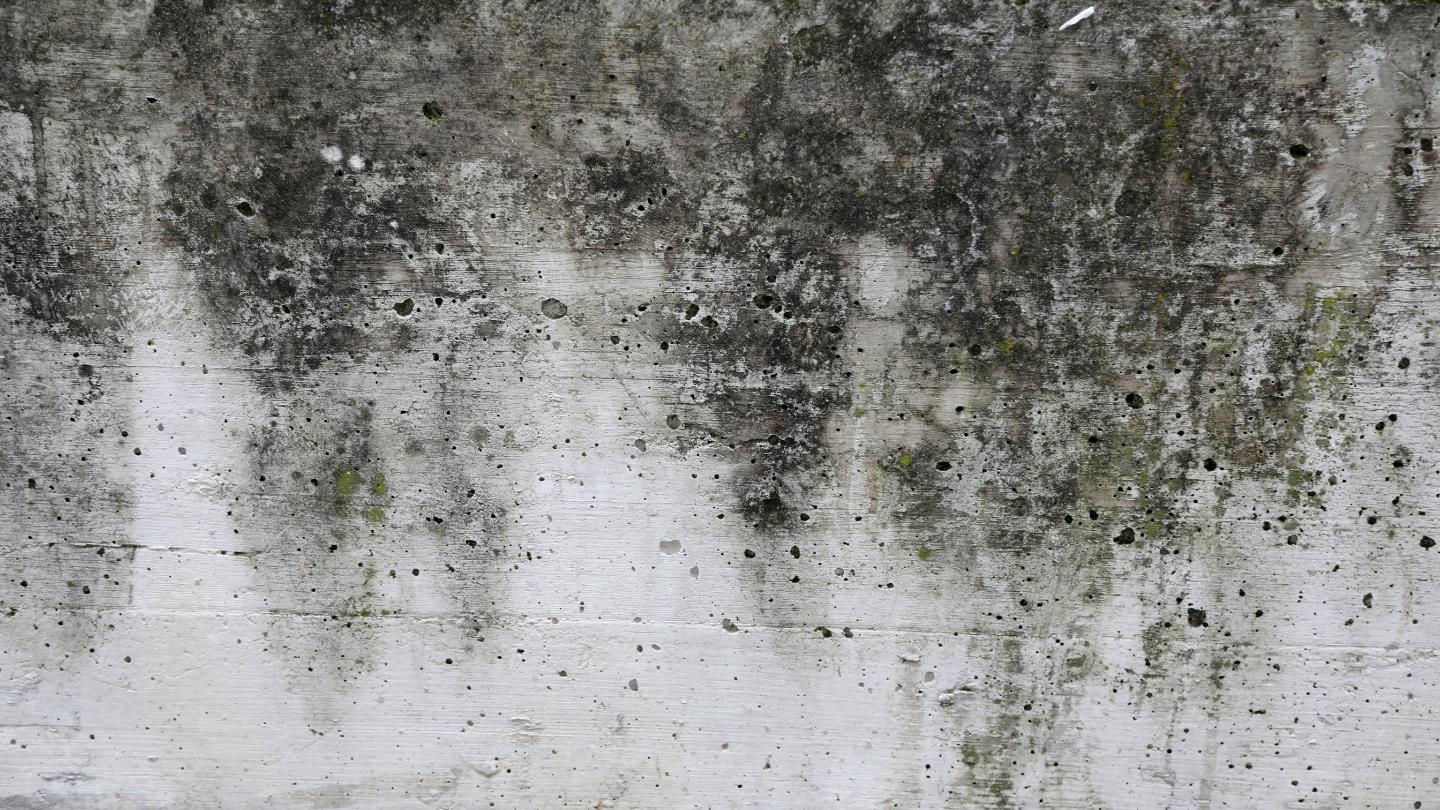
Black mold is recognized by its slimy, greenish-black texture, which makes it relatively easy to identify.
Common Locations
Black mold thrives in areas with high humidity, such as basements, bathrooms, kitchens, attics, and laundry rooms. Poor ventilation and frequent exposure to moisture in these spaces create ideal conditions for mold growth.
To prevent black mold from developing, it is crucial to address moisture-prone areas and improve ventilation.
What Is Toxic Black Mold?
Toxic black mold, scientifically known as Stachybotrys chartarum, is notorious for its association with significant health risks. This type of toxic mold thrives in moist environments and is recognized for its slow growth rate and ability to produce harmful mycotoxins.
Althoughtoxic black mold is often considered more dangerous than other mold types, research suggests its health risks are comparable to other molds. However, its mycotoxin production warrants caution and swift intervention to minimize exposure.
Conditions for Growth
Toxic black mold thrives in environments with high humidity or water-damaged materials such as wood, drywall, or carpeting. Flooded basements, leaking roofs, and improperly dried areas are particularly susceptible.
To inhibit its growth, maintain indoor humidity below 60%, employ dehumidifiers, and promptly address water damage.
Identifying Mold in Your Home
Recognizing mold in your home is essential for protecting your health and preventing property damage. Early detection allows for timely intervention, reducing the risks associated with prolonged exposure to mold.
Signs of Mold Presence
Musty odors are a common indicator of mold growth.
Visible mold spots, such as dark stains, patches, or discoloration, often appear on walls, ceilings, and other surfaces.
Structural deformities like warped or cracked materials can suggest hidden mold.
If you suspect mold presence, it is critical to contact a professional for inspection. Trained professionals use advanced tools to confirm mold growth and identify its source, ensuring effective remediation and prevention of future infestations.
Importance of Mold Inspection
Professional inspections are critical, especially before renovations or if your home has a history of water damage. Mold is often hidden in crawl spaces, behind walls, or under flooring, making it difficult to detect without expert help.
Mold-B-Gone’s experts ensure early detection using advanced inspection techniques. By identifying the root causes of mold, such as water damage or ventilation issues, they help create long-term solutions to maintain a safe living environment.
Health Issues Related to Mold Exposure
Mold exposure can lead to a wide range of health problems, with the severity depending on the type of mold and the individual’s health condition. Prolonged exposure to toxic black mold (which produces harmful mycotoxins) can lead to more severe respiratory problems and serious health issues.
Common Health Issues from Mold Exposure:
Respiratory problems: Mold spores, including those from black toxic mold, can cause or worsen conditions like chronic coughing, wheezing, shortness of breath, and persistent headaches. People with preexisting respiratory issues such as asthma are particularly vulnerable.
Allergic reactions: Exposure to mold spores, including black mold, can trigger severe allergy symptoms, such as a sore throat, runny nose, skin irritation, and mucous membrane irritation. These symptoms may escalate with continued exposure, leading to more severe allergic reactions.
Immune system impact: Those with compromised immune systems, such as the elderly, young children, or individuals with existing health issues, are more susceptible to fungal infections and other mold-related health problems. Toxic mold can cause more profound effects, including lung disease and respiratory infections.
Note: Both black toxic mold and regular black mold pose potential health risks to those exposed for extended periods. It’s crucial to address mold growth early to minimize health impacts.
Mold Prevention Tips
Mold prevention is key to maintaining a mold-free home and preventing mold issues from escalating into more severe problems.
Effective Mold Prevention Tips:
Manage indoor humidity levels: Keep humidity levels below 60% to prevent mold growth. Bathroom exhaust fans, dehumidifiers, and air conditioning can help control moisture in areas prone to mold, like bathrooms and basements.
Address water damage promptly: Wet materials should be cleaned and dried within 48 hours to prevent mold from taking hold. Flooded basements or leaky roofs are especially vulnerable to mold growth.
Improve ventilation: Proper ventilation is crucial for preventing mold in high-moisture areas. Ensure good airflow in kitchens, bathrooms, and laundry rooms.
When to Seek Professional Help for Mold Removal:
If you detect visible mold or notice musty odors in your home, it’s time to seek professional mold inspection and mold removal. Professionals can assess the extent of mold growth, including hidden mold in hard-to-reach places like behind walls or under flooring. They use advanced tools to safely remove the mold and address the underlying cause, such as excess moisture or poor ventilation.
Why Choose Professional Mold Remediation?
Thorough inspection and removal: Professionals identify all areas affected by mold, including hidden spots, and provide safe removal.
Long-term solutions: Experts address the root causes of mold, such as plumbing leaks or poor airflow, to prevent future mold growth.
Health and safety: Professional remediation minimizes exposure to toxic mold spores and harmful mycotoxins, ensuring the health of your family.
Summary
Addressing mold issues in your home is an essential part of maintaining health for you and your family. By recognizing the distinct characteristics of molds, typical habitats, and associated health risks you can implement strategies for prevention and you can ensure your home remains safe and mold-free.
For those in need of professional assistance, Mold-B-Gone offers comprehensive services for mold removal near Atlanta, so you can trust that your home is in good hands. Our team conducts routine inspections, swiftly addresses moisture problems, and provides expert remediation services to minimize risks and maintain a healthy living environment for you and your loved ones. Don’t let mold issues compromise your health and property. Whether you’re dealing with toxic black mold or regular black mold, professional assessment and remediation are crucial for a safe and thorough solution. Our experienced team provides comprehensive services including duct cleaning, eviction clean outs, IAQ testing, mold remediation, water damage flood restoration, whole house and room sanitizing, and many other specialized services to ensure your environment is clean, safe, and healthy. Contact us today to schedule an inspection and take the first step toward a mold-free space.
Frequently Asked Questions
When is it recommended to have a mold inspection?
It is advisable to conduct a mold inspection before significant home renovations, particularly if your property has experienced water damage. Early detection ensures a healthy living space and prevents unexpected mold issues during renovations.
What should be done if there is visible mold growth?
If mold growth is visible, hire a professional for safe and effective removal. Professionals can ensure the underlying causes of mold are addressed to prevent its return.
How does indoor air quality affect health?
Indoor air quality plays a vital role in health, as poor air quality caused by mold can lead to respiratory problems, allergies, and other health issues. Maintaining good indoor air quality is essential for overall well-being.
What percentage of the population is highly susceptible to mold-related health issues?
Approximately 28% of the population has genetic traits that increase their susceptibility to mold-related health problems, emphasizing the need for mold awareness and prevention efforts.