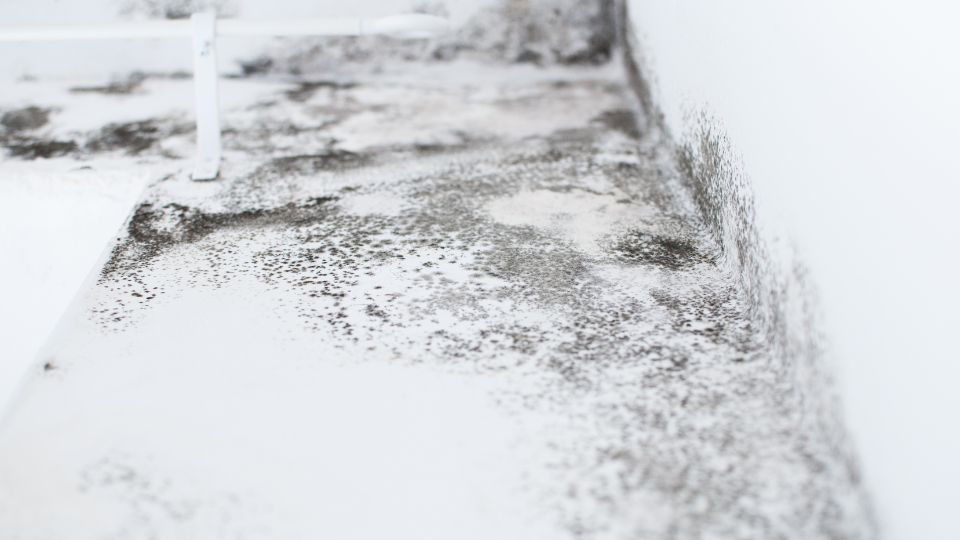
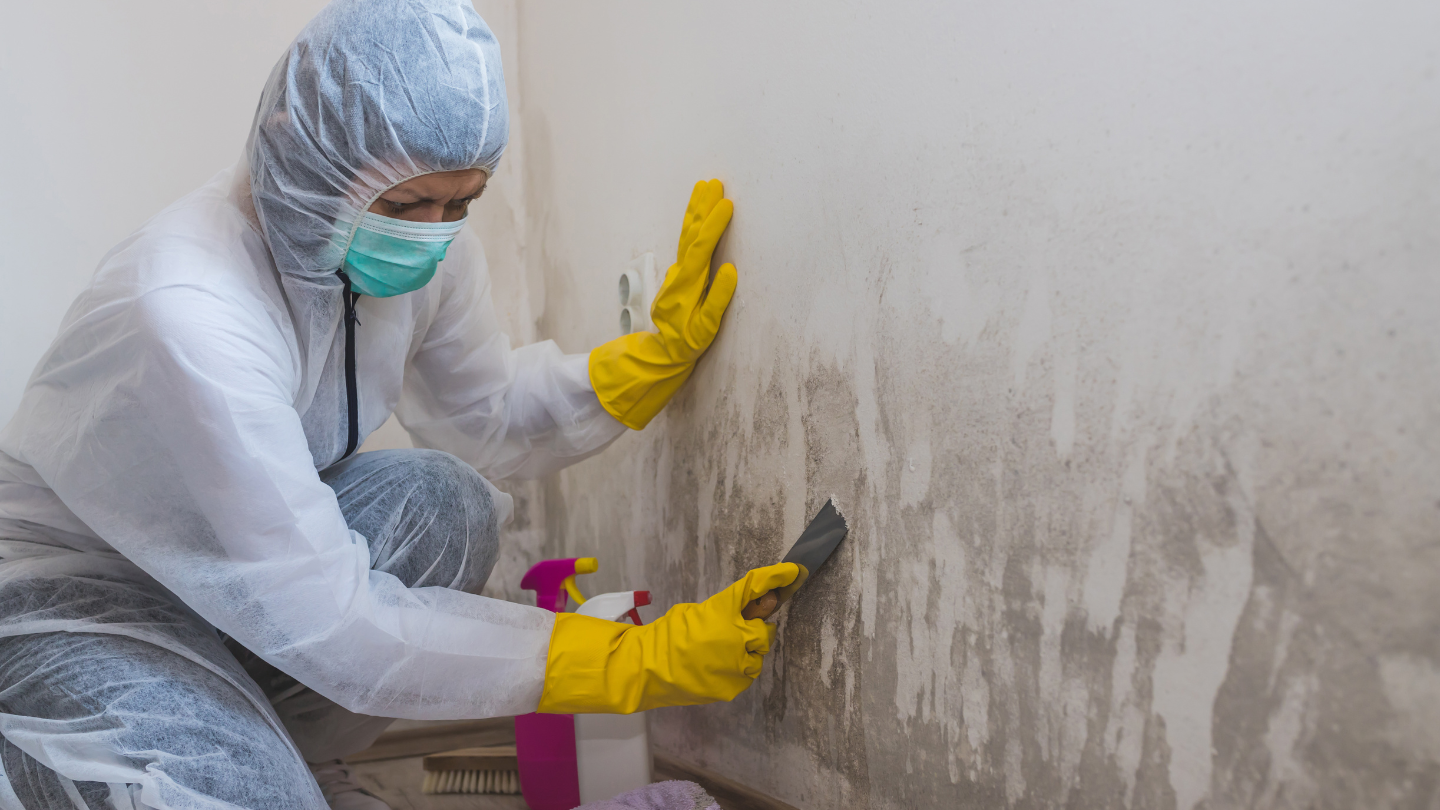
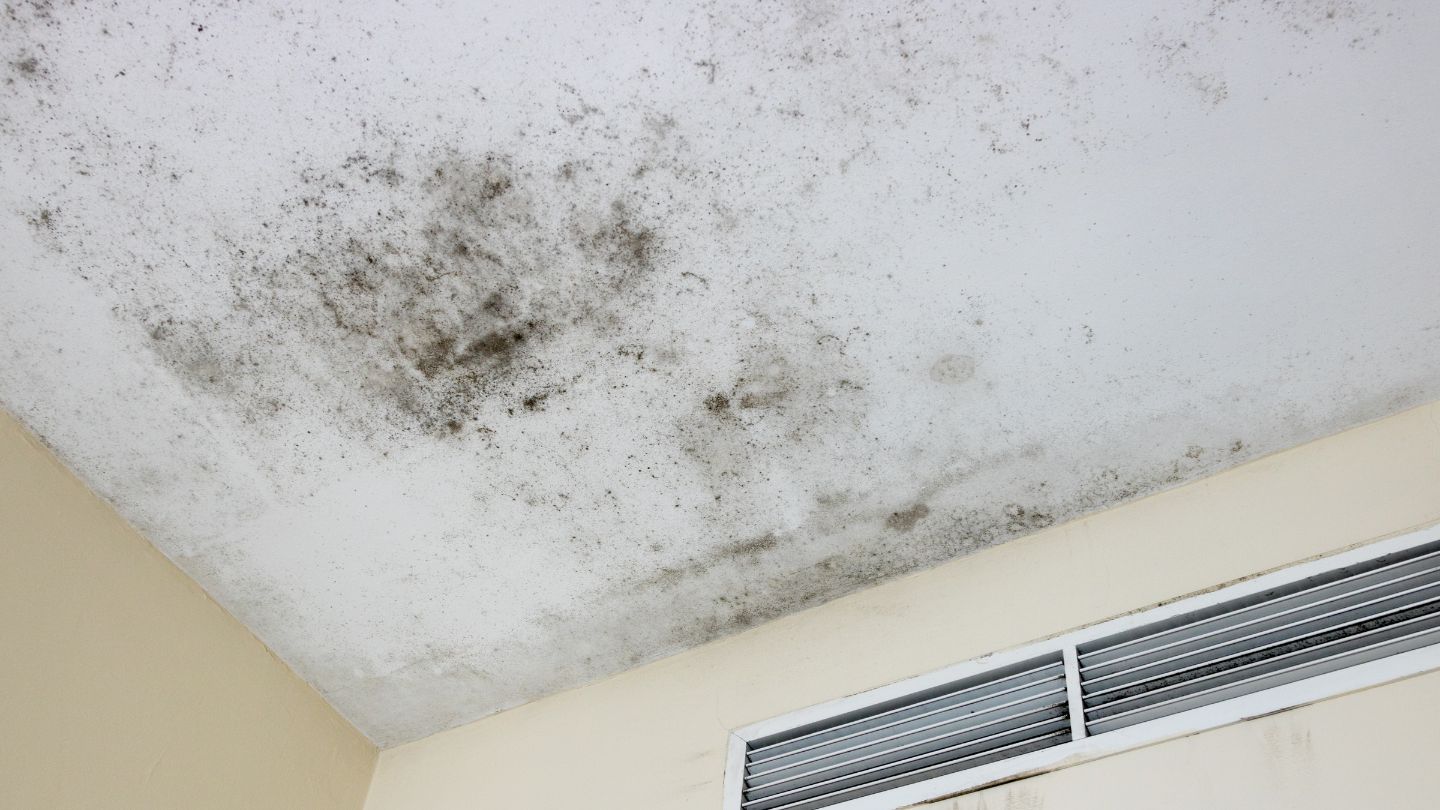
When people think of mold exposure, they often picture coughing, wheezing, or skin irritation. But mold can also impact your digestive system in ways many don’t realize. One of the most common questions homeowners ask is, Can black mold cause stomach issues? The truth is that mold doesn’t just harm the air you breathe; it can also disrupt your gut health, leading to discomfort, pain, and long-term problems.
If you’ve ever wondered why you feel unwell after spending time in a moldy environment, this blog will help you understand the connection between mold and stomach issues, the symptoms to watch for, and what you can do about it.
How Mold Affects Digestive Health
Mold releases spores and mycotoxins, toxic compounds that can enter your body through inhalation, skin contact, or contaminated food and water. Once inside, these toxins can weaken your gut lining and disrupt the balance of good bacteria. This leads to inflammation, poor nutrient absorption, and uncomfortable symptoms.
Many people specifically ask, can mold cause stomach pain? Yes, abdominal pain is one of the most common digestive complaints linked to mold exposure. Alongside this, others wonder, can mold make your stomach hurt even if you don’t ingest it directly? The answer is still yes; airborne spores and toxins can irritate the stomach and intestines once they’re absorbed into the body.
Can Black Mold Cause Stomach Issues?
The biggest concern is whether toxic molds such as Stachybotrys (commonly known as black mold) directly affect digestion. So, can black mold cause stomach issues? The evidence shows that it can. Black mold produces mycotoxins that can lead to nausea, diarrhea, vomiting, and cramping. In more severe cases, exposure may contribute to long-term gastrointestinal inflammation.
People often don’t realize that mold in the home environment, not just moldy food, can trigger these problems. For example, can house mold cause stomach issues if you’re simply living around it? Yes, spores can be inhaled or ingested indirectly, and they may still irritate the digestive tract.
Because of this, experts emphasize prevention and remediation. Ignoring black mold exposure can mean repeated cycles of illness, with stomach distress being a frequent sign.
Does Mold Cause Stomach Issues in General?
Beyond black mold, the bigger question remains: Does mold cause stomach issues more broadly? The answer is also yes. Any mold species producing mycotoxins has the potential to irritate the gut. This is why terms like mold and stomach issues and mold stomach issues are increasingly searched by concerned homeowners and patients.
The mechanism is simple: once mycotoxins enter the body, they disrupt gut function. This may cause bloating, cramps, or diarrhea. Even molds that are less toxic than black mold can still create irritation for sensitive individuals. For some, symptoms come and go depending on exposure, while for others, chronic mold contact results in ongoing stomach trouble. It’s also worth noting that many homeowners specifically ask, can black mold cause stomach issues, since this toxic strain is often the most dangerous when it comes to gut health.
Mold Stomach Symptoms to Watch For
Understanding the warning signs is crucial. Mold stomach symptoms vary from mild to severe and may mimic other gastrointestinal disorders, which is why they are often misdiagnosed. Common symptoms include:
Nausea or queasiness shortly after exposure.
Cramping or abdominal tightness.
Diarrhea or loose stools.
Bloating or gas.
Appetite changes.
Persistent abdominal discomfort.
Some patients specifically report sharp abdominal pain, which raises another frequent question: can mold exposure cause abdominal pain? Yes, abdominal pain is one of the hallmark signs of mold-related digestive irritation. It may feel similar to food poisoning but can last much longer if exposure continues.
Can Mold Cause Digestive Problems Long-Term?
Short-term stomach pain is troubling, but the larger concern is whether mold exposure can lead to chronic digestive issues. So, can mold cause digestive problems beyond temporary discomfort? Absolutely. Studies show that ongoing exposure to mold toxins can harm the microbiome; the community of good bacteria in your gut.
When the microbiome becomes imbalanced, the body may struggle with nutrient absorption, leading to fatigue, food sensitivities, and immune system dysfunction. Over time, this raises the question: can mold affect your digestive system as a whole? Yes, it can disrupt how your body processes and absorbs nutrients, causing a ripple effect on overall health.
Diagnosis and Testing for Mold-Related Digestive Problems
If you’re experiencing persistent symptoms, testing is key to understanding whether mold is the cause. Doctors may use several diagnostic methods:
Stool analysis to check for imbalances or toxins.
Blood tests to detect immune response to mold exposure.
Endoscopy or imaging if gastrointestinal inflammation is suspected.
It’s worth remembering that mold exposure doesn’t always leave obvious signs. Someone may ask, can mold make your stomach hurt even if tests appear normal? Yes, symptoms can still occur due to subtle irritation or immune responses not easily detected by standard testing.
Treatment and Recovery from Mold Stomach Issues
Addressing mold stomach issues involves two steps: removing exposure and supporting recovery.
Medical Treatment
Antifungal medications may be prescribed in severe cases.
Digestive support, such as probiotics, helps rebuild gut balance.
Anti-inflammatory treatment can reduce irritation in the gut lining.
Lifestyle Adjustments
Removing mold sources from the home is essential.
Diet adjustments may include avoiding foods that aggravate the gut.
Hydration and detox support help flush toxins from the system.
Those suffering often describe mold and stomach issues improving significantly once exposure is eliminated and gut healing protocols are in place.
Preventing Mold-Related Digestive Problems
Prevention is always the best defense. Keeping your home mold-free is one of the most effective ways to avoid these issues:
Reduce indoor humidity with dehumidifiers.
Improve ventilation in bathrooms and kitchens.
Repair leaks quickly to prevent hidden mold growth.
Inspect food carefully, discard anything with visible mold.
Following these practices reduces the chance of ever having to ask questions like Does mold cause stomach issues or Can mold cause stomach pain. By managing your environment, you protect not only your lungs and skin but also your digestive system.
Wrapping Up
Mold exposure is more than an inconvenience; it can directly affect your digestive health. Whether you’re asking if black mold can cause stomach issues or wondering if common household mold might make you ill, the answer is yes. Mold can cause nausea, cramps, bloating, diarrhea, and even long-term damage to your digestive system if left unaddressed.
Taking steps to recognize mold stomach symptoms early, getting tested when necessary, and removing sources of exposure are essential for recovery. And while cleaning habits and lifestyle adjustments are helpful, professional remediation ensures lasting protection. For expert inspection, removal, and prevention services, trust Mold-B-Gone. Our proven process helps eliminate mold at the source, safeguarding your health and your home, with comprehensive solutions such as commercial mold remediation, crawlspace encapsulation, duct cleaning, and more. Contact us today to schedule your professional mold inspection and take the first step toward a healthier home.
For centuries, scripture has been a source of guidance not only for faith but also for practical living. One surprising example is mold. When people wonder what does the bible say about mold, they often expect only symbolic language. Yet the Bible goes into great detail, especially in the book of Leviticus, about mold in fabrics, homes, and even spiritual cleanliness. These passages reveal how ancient communities treated mold as a real danger and offered structured ways to address it.
In this blog, we will explore mold in Leviticus, highlight important passages, and explain how these biblical insights connect to modern understanding of health and safety.
References to Mold in Leviticus
The first step in answering what does the bible say about mold is turning to the Old Testament, particularly Leviticus chapters 13 and 14. These sections outline laws of cleanliness for the Israelites, focusing on both human health and the integrity of their living spaces.
Leviticus 13:47–50 provides some of the earliest documented instructions on mold found in clothing or fabric. The text states that garments made of wool or linen that develop greenish or reddish spots must be inspected by priests. If the discoloration spread, the fabric was considered unclean and destroyed. This demonstrates how seriously mold in Leviticus was treated, not only as a matter of hygiene but as an issue tied to spiritual impurity.
Leviticus Mold and Household Contamination
The Bible also extends these laws to mold in homes. Leviticus 14:33–47 describes in detail how mold appearing on walls or stones was to be handled. If a homeowner noticed suspicious marks, they were required to report them to the priest. The priest would then quarantine the house for seven days before returning to inspect.
If the discoloration had spread, affected stones were removed and replaced. If the problem persisted, the entire house could be torn down. This level of strictness shows how mold in Leviticus was seen as both a physical threat and a sign of spiritual corruption. Such thorough measures ensured the community was not exposed to potential illness, which aligns closely with today’s understanding of mold’s impact on health.
In modern translations, the terms “mold” and “mildew” sometimes appear interchangeably. When studying what does the bible say about mold, it’s important to recognize that the Hebrew language used words that may refer to a range of fungal growths or surface decay. Whether mold in garments, homes, or objects, the concern was the same, visible decay required immediate action.
Some translations prefer “mildew,” but the context makes it clear that these instructions were about contamination that could spread and cause harm. Whether mold or mildew, both carried weight in biblical law and required priestly oversight.
The Symbolism of Mold in Scripture
Beyond the physical threat, mold in Leviticus also carried symbolic significance. In a faith-based society, mold was more than just a nuisance; it represented impurity, corruption, and decay. The laws requiring cleansing rituals after mold removal reinforced this symbolism.
For example, once a contaminated house was repaired and cleaned, the priest would perform a purification ritual involving birds, cedarwood, and hyssop. These symbolic acts restored the house not just physically but spiritually. It demonstrates that what the bible says about mold extends beyond hygiene to reflect the broader theme of purity before God.
Lessons from Bible Verses About Mold
When reflecting on a bible verse about mold, one takeaway is the urgency of addressing it quickly. The scriptures did not suggest waiting to see if the problem would go away. Instead, they emphasized inspection, cleansing, and in some cases, destruction of contaminated materials.
This same principle applies today. Modern science confirms that mold can damage property, worsen allergies, and even cause respiratory illness. While we no longer call priests to our homes, we do rely on professional inspectors and remediation experts to assess and eliminate the problem. The underlying principle remains the same: mold must not be ignored.
It’s striking to compare the biblical approach with modern mold remediation practices. Thousands of years ago, the Israelites were instructed to remove contaminated stones or garments to stop the spread. Today, professionals do the same by removing porous materials like drywall, carpeting, or insulation once mold has infiltrated them.
This overlap suggests that mold in Leviticus reflects more than just religious law, it contains practical wisdom that aligns with today’s science. Asking what does the bible say about mold leads us to see that scripture acknowledged health risks long before medical research confirmed them.
Mold in Leviticus and Community Health
Another overlooked lesson is the role of mold in Leviticus in protecting community health. If a house was infected and not cleansed, the risk spread beyond one family to the wider village. This collective responsibility mirrors how public health operates today.
For example, ignoring mold in an apartment building or school can create problems for dozens of people. The biblical response to mold, swift action, inspection, and even demolition when necessary, reminds us that protecting health is a responsibility shared by the entire community.
Frequently Overlooked Interpretations
While Leviticus mold references are the most direct, other passages indirectly touch on decay and impurity. Some scholars argue that mildew and mold were viewed as visible reminders of spiritual corruption, urging believers to cleanse both their homes and their hearts.
These interpretations enrich our understanding of what does the bible say about mold. They show that while the practical concern was health, the deeper message was about living in purity and vigilance against forces that corrupt.
Why This Still Matters Today
Although mold is usually thought of as a modern household problem, its recognition in scripture proves it has always been a threat. People asking what does the bible say about mold often find reassurance that even ancient communities understood the importance of removing it quickly.
This biblical perspective also reinforces that neglecting mold can have lasting effects on health, property, and even spiritual well-being. Just as scripture encouraged immediate intervention, modern families are wise to do the same in their own homes.
Wrapping Up
From a bible verse about mold to mold in Leviticus, the scriptures make it clear: mold is destructive, impure, and dangerous if ignored. Ancient instructions emphasized cleansing, removal, and even demolition to protect communities from harm. These timeless lessons align with modern mold remediation practices, underscoring that the threat has always been serious.
For homeowners facing mold concerns today, professional help is essential. Just as the priests in Leviticus took responsibility for identifying contamination, modern remediation experts do the same with advanced tools and methods. For trusted solutions in removing mold and restoring safe living environments, Mold-B-Gone provides comprehensive services.
Whether you live in Alpharetta, Woodstock, Duluth, Flowery Branch, or surrounding areas, Mold-B-Gone offers expert remediation to keep your home safe. Contact us today to schedule an inspection and take the first step toward a cleaner, safer living environment.
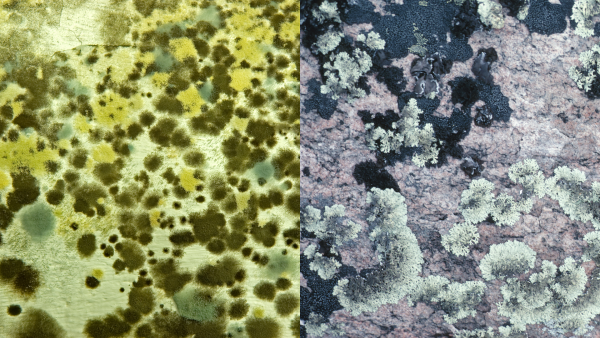
Mold and fungus are often confused, and for good reason. They share many characteristics, yet they are not exactly the same. Homeowners, students, and even health-conscious individuals frequently ask, is mold a fungus? The short answer is yes, but the long answer reveals important distinctions that matter for health, prevention, and safety.
Understanding the mold vs fungus debate helps you recognize potential threats in your environment while appreciating the broader role fungi play in nature. This blog will break down their similarities, their differences, and the impact they can have on your home and health.
What Is Mold?
Mold is a type of fungus made up of multicellular filaments called hyphae. It thrives in damp, organic material such as wood, paper, and fabric. Mold spreads through microscopic spores that travel through the air and settle on moist surfaces.
So, is mold a fungus? Absolutely. It belongs to the fungi kingdom, but unlike some beneficial fungi, mold typically signals contamination. Common indoor species include Aspergillus, Cladosporium, and the notorious Stachybotrys (black mold). When considering mold vs fungi, remember: all molds are fungi, but not all fungi are molds.
What Is Fungus?
Fungus is a broad kingdom of organisms that includes molds, yeasts, and mushrooms. Unlike plants, fungi lack chlorophyll and feed on organic matter. They can be single-celled (like yeast) or multicelled (like mushrooms and molds).
When people search for fungus vs mold, they’re usually trying to understand whether these terms are interchangeable. The truth is, mold is one subgroup of fungus. In fact, a common question that people ask is whether mold is a fungus, and the answer is yes, but with important distinctions. While fungi overall can be both beneficial and harmful, mold is primarily known for causing damage indoors and creating health risks.
This also addresses another frequent query: mold versus fungus. The terms are related, but not synonyms.
Similarities Between Mold and Fungus
Because mold is part of the fungus family, there are several shared traits:
Both reproduce via spores that spread easily through the air.
Both thrive in warm, moist environments and feed on organic matter.
Both can be microscopic or visible, depending on growth stage.
Both impact ecosystems by breaking down organic material.
When comparing mold vs fungus, it’s helpful to see them as overlapping but not identical. The similarities are strong, but the differences are what create confusion.
Differences Between Mold and Fungus
This is where the difference between mold and fungusbecomes clear. Below are some key distinctions, structured for snippet-friendly readability:
Structure
Mold: Made of multicellular filaments (hyphae).
Fungus: Can be single-celled (yeast) or multicellular (mushrooms, molds).
Growth Environment
Mold: Grows on damp surfaces indoors and outdoors.
Fungus: Found in soil, decaying matter, and as symbiotic organisms in ecosystems.
Appearance
Mold: Fuzzy, discolored patches (green, black, white, or orange).
Fungus: Includes a wide variety of forms, from mushroom caps to yeasts invisible to the eye.
Health Impact
Mold: Often harmful, linked to respiratory issues, allergies, and toxins.
Fungus: Many are beneficial (antibiotics, food production), though some are pathogenic.
Usefulness
Mold: Rarely useful in homes.
Fungus: Critical in medicine, agriculture, and food industries.
These points cover all variations of high-value queries, such as the difference between fungus and mold, what is the difference between mold and fungi,and what is the difference between mold and fungus.
One of the biggest misconceptions is that mold and fungus are interchangeable terms. While mold is indeed a fungus, fungi include thousands of species beyond mold.
Another misconception is that all fungi are harmful. In reality:
Yeast is used in baking and brewing.
Penicillin, derived from certain molds, has saved millions of lives.
Mushrooms provide essential nutrients and culinary benefits.
Still, is mold a fungus that should worry you indoors? Yes, while some fungi are beneficial, indoor mold growth is almost always a problem.
Health Implications of Mold vs Fungus
This is where the conversation shifts from biology to daily life.
Toxic effects from certain species, such as black mold.
Fungal Health Effects
Fungi in general can also affect health:
Beneficial fungi like yeast and edible mushrooms are safe.
Pathogenic fungi (such as Candida) cause infections.
Agricultural fungi support food growth and medicine.
When people ask Fungus vs mold, which is more dangerous, the answer depends on context. Generally, mold is more threatening in homes, while fungi as a whole play both helpful and harmful roles.
Preventing Mold and Fungus Growth at Home
Understanding the science is only half the battle; prevention matters most.
Control Humidity: Keep levels below 50% with dehumidifiers.
Improve Ventilation: Use exhaust fans in bathrooms, kitchens, and basements.
Fix Leaks Quickly: Water damage is mold’s favorite entry point.
Use Antifungal Cleaners: Regular cleaning of damp areas prevents growth.
Inspect Regularly: Early detection helps you act before contamination spreads.
In terms of mold vs fungi, mold thrives in homes far more frequently than other fungi. Keeping your home dry and well-ventilated drastically reduces risk. If you’d like an extra layer of protection beyond everyday upkeep, professional whole-house room sanitizing can help remove hidden spores and keep your indoor air healthier.
Professional Mold Remediation Services
When mold appears in your home, it’s not enough to know that mold is a fungus; it’s critical to take swift, professional action. DIY methods often fail to address hidden spores or underlying moisture issues. That’s where experts come in.
At Mold-B-Gone, the focus is on thorough mold inspection, remediation, and prevention strategies that safeguard your health and property long-term. From identifying contamination to restoring safe indoor environments, their services ensure you won’t be left guessing about fungus vs mold risks in your home.
Whether you need expert mold remediation in Alpharetta, Cumming, Duluth, Ellijay, or surrounding areas, Mold-B-Gone’s certified team delivers fast, reliable results. For comprehensive inspection and long-term mold prevention strategies tailored to your area, reach out to the Mold-B-Gone team today and protect both your home and your health.
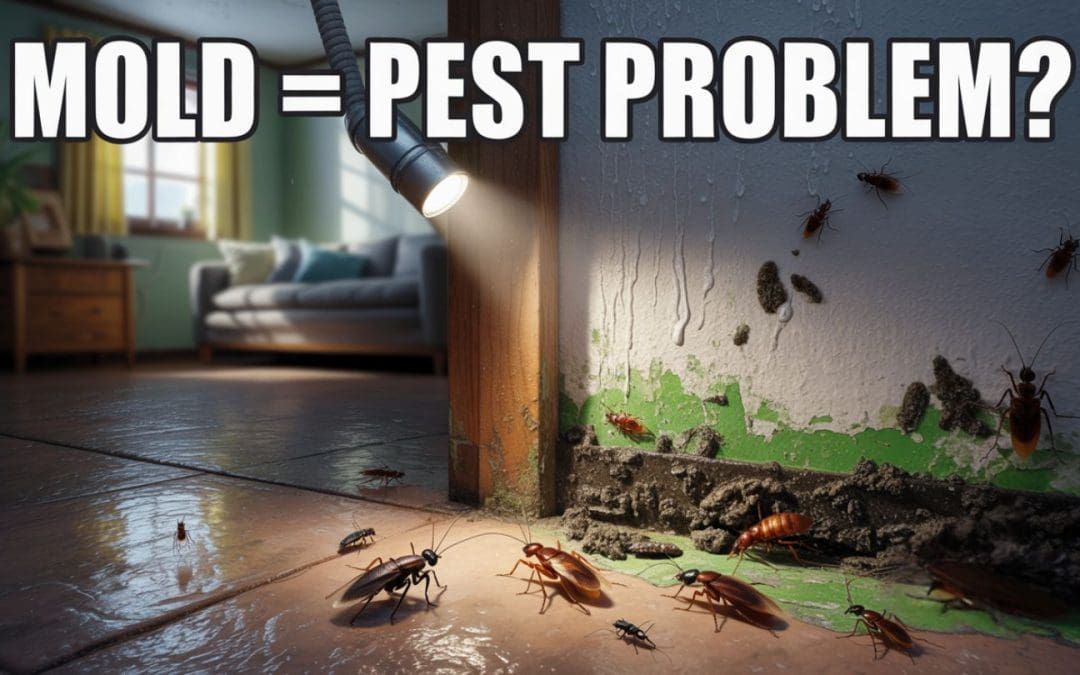
Mold can create the perfect environment for bugs and other pests in your home. With its combination of food, moisture, and shelter, mold often attracts various insects. If you’ve noticed more bugs around, mold could be the underlying issue. This blog will delve into why mold draws pests, the common bugs you might encounter, and how to prevent this problem in your home.
Key Takeaways
Mold serves as a food source, shelter, and moisture for various pests, creating a cycle of infestation if not addressed promptly.
Microbial Volatile Organic Compounds (MVOCs) released by mold attract pests, signaling an ideal habitat with available resources.
Preventive measures like controlling humidity, regular inspections, and professional remediation are essential to manage mold and pest problems effectively.
How Mold Attracts Bugs and Other Pests
Mold is notorious for creating environments that attract pests because:
It provides essential elements that pests need to thrive—food, shelter, and moisture.
When mold breaks down organic matter, it creates a nutritious buffet for various insects, including mites and silverfish. Mold likes the damp environments that foster mold growth, which are ideal for pests seeking shelter and water.
But why does mold have such a powerful draw for insects and other pests? The answer lies in the combination of mold spores as a food source, the musty smells produced by microbial volatile organic compounds (MVOCs), and the damp environments that mold thrives in. These aspects collectively make mold a perfect breeding ground for pests.
Microbial Volatile Organic Compounds (MVOCs)
Microbial volatile organic compounds (MVOCs) are substances produced by mold that give off a distinctive musty smell. This smell, while unpleasant to us, is like a dinner bell for many pests. Insects such as:
termites
roaches
crickets
slugs
Millipedes are drawn to these musty odors. The presence of MVOCs can signal to these pests that a suitable habitat with ample food and moisture is nearby.
MVOCs are not just about the smell; they indicate the presence of organic material that pests can feed on. When mold breaks down organic matter, it releases these compounds into the air, attracting bugs that are looking for a meal. This interplay between mold and pests highlights the importance of addressing mold issues promptly to prevent larger pest infestations.
Mold Spores as a Food Source
One of the primary reasons mold attracts bugs is that its spores serve as a nutritious food source for many insects. Examples include:
Mites, which thrive in moldy environments and feast on mold spores
Grocer’s itch mites, which find mold appealing
Meal moths, which use mold as a primary food source
This feeding cycle is crucial in the ecosystem of mold and bugs. As these pests consume mold spores, they play a role in breaking down organic material, which in turn supports further mold growth. This cycle creates a self-sustaining environment where both mold and bugs can thrive, making it essential to address mold issues quickly to disrupt this cycle. Bugs feed on mold, contributing to the overall balance.
Damp Environments and Shelter
High humidity and damp environments are a haven for both mold and pests. Mold typically begins to grow at humidity levels of 70% or higher, which coincidentally are the same conditions that many pests seek out, including those found in damp conditions and humid conditions. Insects like camel crickets, centipedes, and cockroaches are particularly drawn to these humid environments where mold is present.
These pests not only find food in moldy environments but also the shelter and moisture they need to survive. Places like basements, bathrooms, and crawl spaces are common areas where mold and bugs coexist. High humidity in these areas encourages the breeding of both mold and pests, creating a persistent cycle that is difficult to break. To effectively manage this issue, it is essential to eliminate bugs.
Common Pests Attracted to Mold
Mold attracts a variety of insects, each with its own reasons for being drawn to moldy environments. From cockroaches and silverfish to termites and ants, these pests find moldy areas to be ideal for food, moisture, and shelter. Knowing which pests are likely to attract bugs helps in taking targeted measures to prevent and eliminate them.
Specific pests commonly found in moldy environments are explored below, highlighting how and why they are attracted to mold. This understanding is vital for effective pest control and mold remediation.
Cockroaches and Silverfish
Cockroaches are notorious for thriving in humid areas, often making them regular visitors to moldy environments. The moisture that mold provides is essential for their survival, making bathrooms, kitchens, and basements common places for these pests. They are not just unsightly but also pose significant health risks, as they can carry diseases and trigger allergies.
Silverfish, on the other hand, are attracted to mold as it provides both the food and moisture they need to survive. These small insects:
They are often found in dark, damp areas where mold is present
Feed on mold and other organic matter
Contribute to the degradation of materials like paper and clothing. Their presence is a clear indicator of underlying mold issues that need to be addressed.
Termites and Ants
Termites are particularly drawn to mold-infested wood because:
It provides them with both food and nesting material.
Mold softens wood, making it easier for termites to chew through and establish their colonies.
Subterranean termites are attracted to the moisture that moldy wood offers, creating an ideal environment for them to thrive.
Ants, especially certain types, also find moldy environments appealing. They often use the softened wood caused by mold for nesting. This symbiotic relationship between mold and ants can lead to extensive structural damage if left unchecked.
Immediate attention to both mold and ant infestations is crucial to prevent long-term damage to your house.
Flies, Gnats, and Mites
Flies, gnats, and mites are smaller pests that are attracted to moldy environments. These insects:
Use mold as a food source for breeding
Often lay their eggs in moldy areas where their larvae can thrive
Have short life cycles, allowing them to multiply quickly
This can lead to more significant infestations if not addressed promptly.
Mites, in particular, can cause damage to clothing and furniture as they feed on mold spores. Their presence can also attract other pests, creating a cascading effect that exacerbates pest problems in the home. Addressing mold issues promptly is essential to prevent these small but troublesome insects from taking over.
Preventing Mold and Pest Infestations
Preventing mold and pest infestations requires a proactive approach, including addressing underlying moisture issues and ensuring regular maintenance. Professional services play a crucial role in keeping your home safe and healthy. Experts can identify and resolve moisture problems, conduct thorough inspections, control humidity levels, and seal entry points effectively. Hiring professionals ensures these issues are managed efficiently, preventing mold growth and pest attraction while protecting your home.
Controlling Humidity Levels
High humidity is a leading cause of mold growth and pest infestations. Professional humidity control services can help create a healthier home environment by identifying problem areas, installing advanced dehumidification systems, and ensuring proper ventilation. Experts also conduct thorough inspections to detect hidden mold or moisture issues and implement tailored solutions to prevent future growth. Trusting professionals ensures long-term protection against mold and pests while maintaining optimal indoor air quality.
Professional Mold Inspection and Maintenance Services
Professional mold inspections are essential for identifying leaks and water damage that can lead to mold growth in your home. Certified mold specialists use advanced tools and techniques to detect hidden mold, assess air quality, and address any mold issues promptly and effectively.
By relying on professional services, you ensure thorough inspections and expert solutions for repairing water damage and preventing future mold growth. Scheduling annual mold inspections with certified professionals, especially in moisture-prone areas, is a proactive way to maintain a healthy and safe home environment.
Professional Sealing Services to Keep Pests and Mold Out
Sealing entry points is a crucial step in protecting your home from pests and mold. Certified professionals use advanced tools and techniques to identify and seal potential entry points, ensuring that pests cannot infiltrate your space or thrive in mold-prone areas.
With expert sealing services, your home is safeguarded by a durable, professionally installed barrier. This targeted approach not only prevents pest invasions but also inhibits mold growth, creating a healthier and safer living environment. Trust the experts to provide long-lasting protection for your home.
The Role of Professional Mold Inspection and Remediation
Professional mold inspection and remediation play a critical role in effectively addressing mold and pest issues. Professionals offer comprehensive services that include:
Mold containment
Physical removal of contaminants
Application of antimicrobial encapsulants.
This section covers the best times to schedule a mold inspection, the advantages of hiring professionals for mold remediation, and the range of services they provide. It highlights why professional help is essential for maintaining a safe and healthy home.
When to Schedule a Mold Inspection
Scheduling a mold inspection is critical after water damage to ensure any hidden mold is detected and addressed. A mold inspection is advisable after any significant water damage to assess potential contamination and before major renovations, especially if there is a history of water damage.
Regular mold inspections can help identify and address a mold issue before it becomes a significant problem. This proactive approach is essential in maintaining a healthy living environment and preventing pest infestations.
Benefits of Professional Mold Remediation
Professional remediation services are necessary when mold is present, especially in troublesome areas. Certified professionals provide Mold Inspection and Remediation services, often offering guarantees on interior cleaning and structural mold removal.
The benefits of professional mold remediation include thorough assessments, effective removal of mold, and prevention of future infestations. These services ensure that your home remains safe and healthy, free from the dangers posed by mold and pests.
Protect Your Home from Mold and Pests
When it comes to the question of whether mold attracts bugs and other pests to your home, the answer is a clear yes. Mold creates the perfect damp, organic environment that attracts insects such as cockroaches, ants, and termites, as well as other pests. These unwanted visitors are drawn to areas affected by mold, increasing the risk of infestations and potential health hazards in your living space. Addressing mold issues promptly is essential for maintaining both a healthy home and peace of mind.
If you suspect mold in your home, our team at Mold-B-Gone is here to help. We provide comprehensive mold inspection in Atlanta and expert remediation services to ensure your home stays safe, healthy, and pest-free. Let us handle the stress so you can enjoy a clean environment. Reach out today to take the first step in protecting your property.
Frequently Asked Questions
What are some effective methods to control mold growth indoors?
To effectively control mold growth indoors, regularly inspect for leaks, ensure proper ventilation in moisture-producing areas, and maintain humidity levels below 60% using air conditioners or dehumidifiers. Implementing these practices will significantly reduce mold risks.
When is it recommended to have a mold inspection?
A mold inspection is recommended before major renovations, particularly if there’s a history of water damage. This proactive step can help ensure a safe environment.
What does the mold remediation process include?
The mold remediation process involves mold containment, the physical removal of contaminants, and the application of antimicrobial encapsulants. Effective remediation is essential for ensuring a safe and healthy environment.
What are the health risks associated with mold exposure?
Exposure to mold can cause respiratory issues, allergies, skin irritation, and in some cases, more severe reactions like asthma attacks or infections in individuals with weakened immune systems. Reducing mold exposure is crucial for maintaining good health.
How often should you check your home for mold?
It’s recommended to inspect your home for mold at least once a year or after any significant water damage, such as flooding or leaks. Regular checks help identify and address mold issues early.
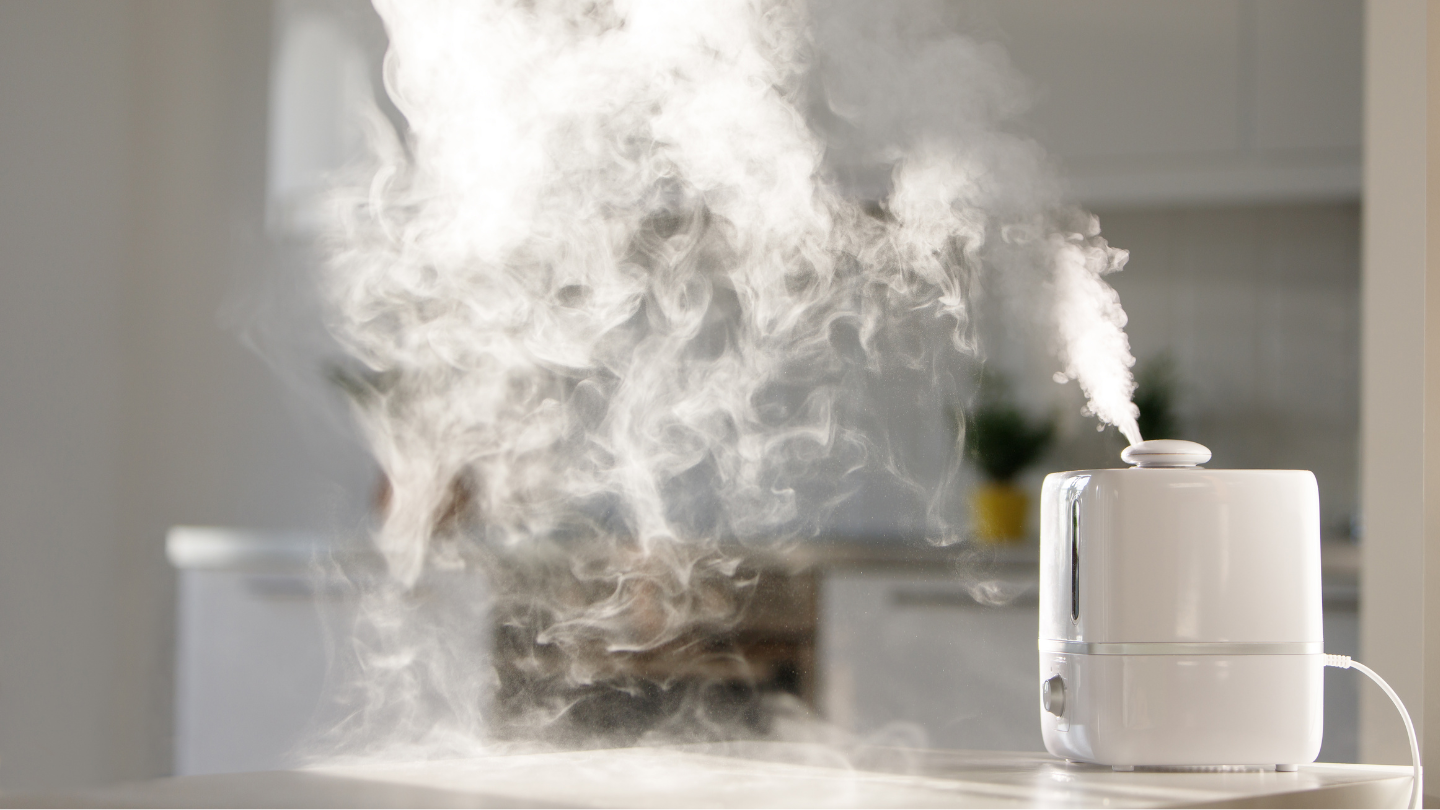
Humidifiers can make indoor air more comfortable but may also cause mold if not properly monitored. They can alleviate issues associated with dry air, such as discomfort and aggravated cold and allergy symptoms. This raises the question: do humidifiers cause mold monitoring indoor air quality? Monitoring indoor air quality is crucial to avoiding mold issues. In this blog, you’ll learn how humidifiers affect air quality, why monitoring humidity levels is important, and how to prevent mold growth.
Key Takeaways
Maintaining indoor humidity between 40% and 60% is crucial to prevent mold growth and ensure good air quality.
Regular maintenance and cleaning of humidifiers, including using distilled water and proper placement, are essential to avoid mold issues.
Monitoring humidity levels with a hygrometer allows for timely adjustments, minimizing the risk of mold growth and creating a healthier indoor environment.
How Humidifiers Impact Indoor Air Quality?
Humidifiers can significantly enhance comfort by alleviating the dryness associated with cold or flu symptoms. However, introducing moisture into your indoor environment also necessitates careful management. Whole-home humidifiers, for example, require precise regulation of humidity levels to prevent mold infestations.
Each type of humidifier impacts indoor air differently. Portable humidifiers, while effective for targeted relief from dry indoor air during winter months, can increase condensation issues that might lead to mold if left unchecked. While pairing an air purifier with a humidifier can improve air quality, it’s crucial to monitor moisture levels regularly to avoid creating conditions conducive to mold growth.
To prevent mold spores from thriving, it is essential to maintain indoor humidity levels between 40% and 50%. Humidity levels exceeding 55% may lead to significant mold proliferation, potentially causing structural and health issues. Professional technicians can provide expert evaluations of your home’s humidity levels and recommend solutions tailored to your specific needs, ensuring your indoor air remains safe and comfortable year-round.
Understanding Mold Growth
Mold growth is a widespread problem in homes. It thrives in high-humidity environments with poor ventilation. Moisture is the primary catalyst for mold development, and common sources include leaking roofs, condensation from humidifiers, and hidden plumbing leaks. Left unchecked, mold can start growing in as little as 24 to 48 hours.
Mold thrives on organic materials like drywall, carpets, and furniture, and it can spread to hidden areas such as behind walls or under flooring. While improper use of humidifiers can exacerbate the problem, professional mold prevention services can identify and address these risks.
Mold spores in the air can pose significant health risks, particularly for individuals with respiratory issues or allergies. Mold spores released from humidifiers can settle on:
walls
furniture
carpets
clothes
This can lead to visible mold growth and potential health hazards. Certified specialists can assess potential problem areas, recommend ventilation improvements, and ensure that any existing mold is effectively remediated to protect your health and property.
Ideal Humidity Levels to Prevent Mold
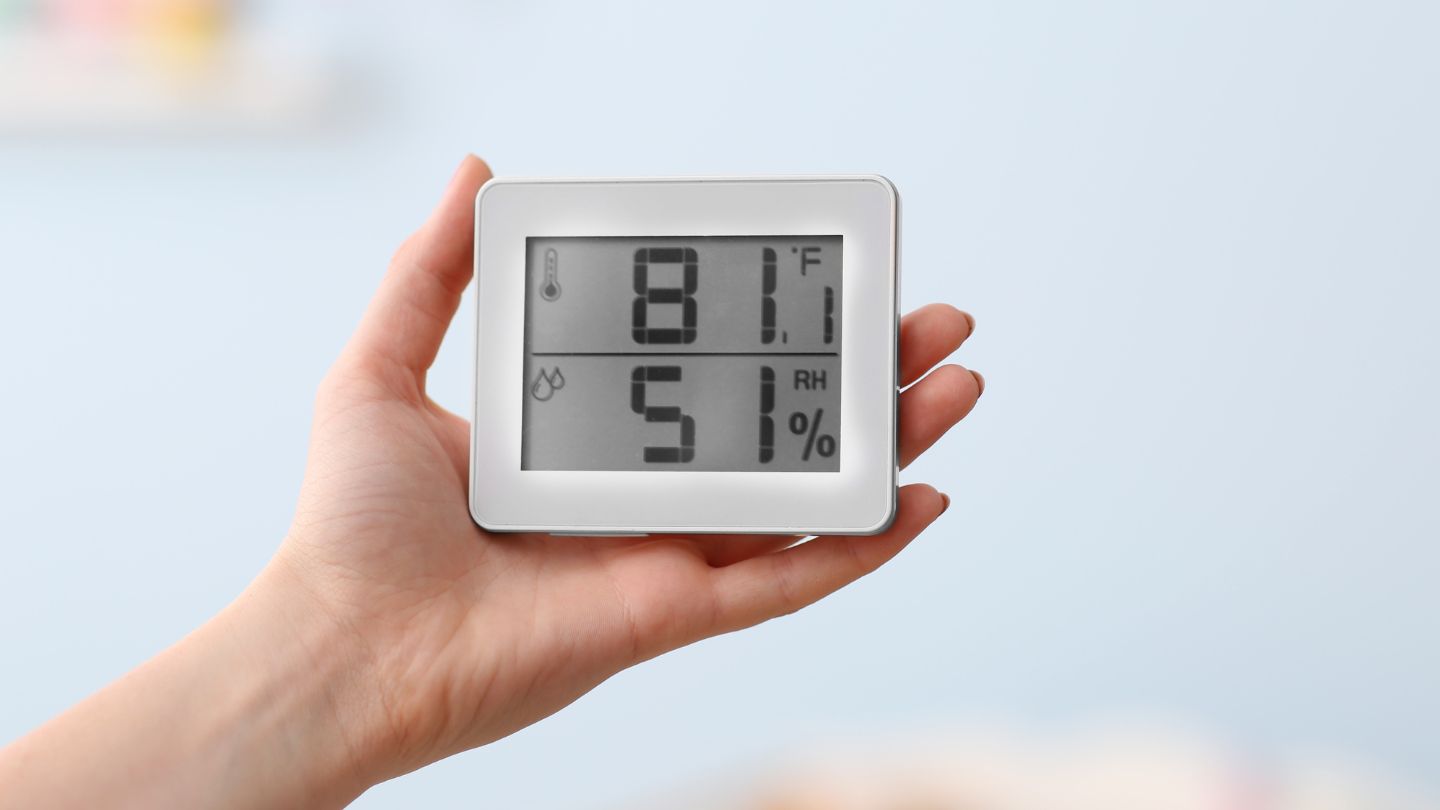
Maintaining indoor humidity within the ideal range of 40% to 60% is critical to reducing the risk of mold growth. Regular monitoring with a hygrometer can provide accurate readings, enabling timely adjustments to maintain these levels. While monitoring tools are useful, professional services can provide a more comprehensive solution. Experts can assess your entire home for humidity imbalances, recommend advanced humidity control systems, and ensure proper installation and maintenance to achieve long-term results.
Types of Humidifiers and Their Risks
Humidifiers come in various types, each with its benefits and risks. The three most common types are cool mist, ultrasonic, and steam vaporizers. While cool mist humidifiers are effective at adding moisture to the air, they can lead to increased mold growth if not properly monitored. Ultrasonic humidifiers, known for their comfort-enhancing mist, also pose a mold risk if humidity levels are not kept in check.
Steam vaporizers effectively neutralize microorganisms but produce very hot steam, which can be unsafe for children and pets. Evaporative humidifiers can inadvertently release excessive moisture, raising mold risks, especially for asthma sufferers. Regular maintenance is crucial for all humidifier types, including a steam humidifier, to prevent the release of harmful biological pollutants into the air.
Impeller humidifiers, a type of cool mist humidifier unit, can produce mineral residues and introduce microorganisms into the air if not maintained properly. Humidifier tablets can help prevent mold growth and scale accumulation, but regular cleaning and maintenance are still essential for all humidifier types.
Choosing the right humidifier for your home involves considering both benefits and risks. Proper maintenance and regular cleaning ensure your humidifier contributes positively to indoor air quality without causing mold issues.
Monitoring Indoor Humidity Levels
It is critical to monitor the humidity in your home to safeguard against health hazards and potential damage to your property. A hygrometer plays a crucial role in maintaining ideal moisture levels. Positioning a hygrometer in main areas of activity, like bedrooms or living rooms, can provide precise humidity measurements that enable prompt adjustments.
Regularly monitoring indoor humidity allows you to fine-tune the settings on your humidifier as needed, forestalling any buildup of undue moisture that could lead to mold proliferation. This diligent monitoring not only defends the structural integrity of your residence but also promotes well-being among its occupants.
By vigilantly observing and managing moisture levels indoors, you can foster an environment conducive to comfort and safety and effectively circumvent complications tied to elevated humidity and subsequent mold development.
Professional maintenance and assessment are essential to prevent mold growth in humidifiers and maintain a healthy indoor environment. Regular cleaning and proper operation are vital, but these measures alone may not be enough to ensure long-term prevention. A professional service can inspect and clean your humidifier system, using advanced tools and techniques to remove any existing mold and eliminate risks.
Certified technicians can also recommend upgrades to your humidifier system, such as units with built-in antimicrobial features or systems designed for optimal moisture control. With their expertise, they ensure your humidifier operates efficiently and safely, contributing to a mold-free indoor environment.
Instead of relying on frequent DIY cleanings with household solutions, consider having your humidifier professionally serviced. Professionals utilize advanced cleaning agents and equipment to sanitize your humidifier thoroughly, ensuring no mold spores are left behind. They can also assess the overall air quality and identify potential risks that might not be apparent during routine cleaning. Regular professional cleanings provide long-lasting results, reducing maintenance efforts and ensuring healthier indoor air quality.
Using Distilled Water
Employing distilled or demineralized water in humidifiers significantly diminishes the accumulation of mineral deposits. Given that distilled water is less concentrated with minerals compared to regular tap water, it lowers the chances for mold growth while simultaneously maintaining cleanliness within the humidifier.
Choosing either distilled or demineralized water aids in thwarting the proliferation of mold and secures optimal functionality of your humidifier, thereby supplying fresh and salubrious moisture into your indoor air environment.
Optimal Placement and Usage
Positioning your humidifier correctly is crucial in warding off mold on adjacent surfaces. Keep the device at a distance from draperies, rugs, and various other surfaces that might foster mold proliferation to hinder mold growth.
Ensuring your humidifier is situated in a spot with ample fresh air flow helps stave off moisture buildup on any surface, thereby promoting a wholesome ambiance within the room.
Professional Solutions for Mold Prevention
If you suspect mold growth in your humidifier or elsewhere in your home, professional assistance is vital. Experts can conduct detailed mold inspections, using advanced tools to detect hidden mold growth and identify the root causes of excess moisture. Once identified, they implement tailored remediation strategies, ensuring mold is safely and effectively removed.
In addition to removing mold, professionals can provide long-term solutions to prevent recurrence, such as recommending proper ventilation systems, advanced humidity controls, and regular maintenance plans. Trusting trained specialists ensures your home is safeguarded against mold-related risks and remains a safe, healthy environment.
Summary
Maintaining ideal humidity levels and using humidifiers correctly are essential steps to preventing mold growth and ensuring a healthy indoor environment. While routine cleaning and proper operation can mitigate risks, expert intervention is often necessary to address hidden threats and provide comprehensive, long-term solutions. By identifying potential issues, monitoring humidity, and implementing tailored strategies, professionals help protect your home and health from mold-related concerns.
At Mold-B-Gone, your trusted mold removal specialist near Atlanta, we specialize in mold testing, remediation, and prevention to ensure your home remains safe and your indoor air quality pristine. Let our dedicated team handle the challenges of mold removal with precision and care. Contact us today and take the first step toward a healthier living space!
Frequently Asked Questions
1. Can a humidifier cause mold even if I clean it regularly?
Yes, even with regular cleaning, improper humidity levels or poor ventilation in your home can create an environment conducive to mold growth. It’s essential to monitor indoor humidity and use a hygrometer for accurate control.
2. What is the best way to monitor humidity levels in my home?
The most effective way to measure and track indoor humidity is to use a hygrometer. Smart thermostats with built-in humidity sensors can also help regulate levels automatically.
3. How quickly can mold grow if humidity is too high?
Mold can develop within 24 to 48 hours in high-humidity conditions. Reducing moisture levels immediately can prevent mold from spreading.
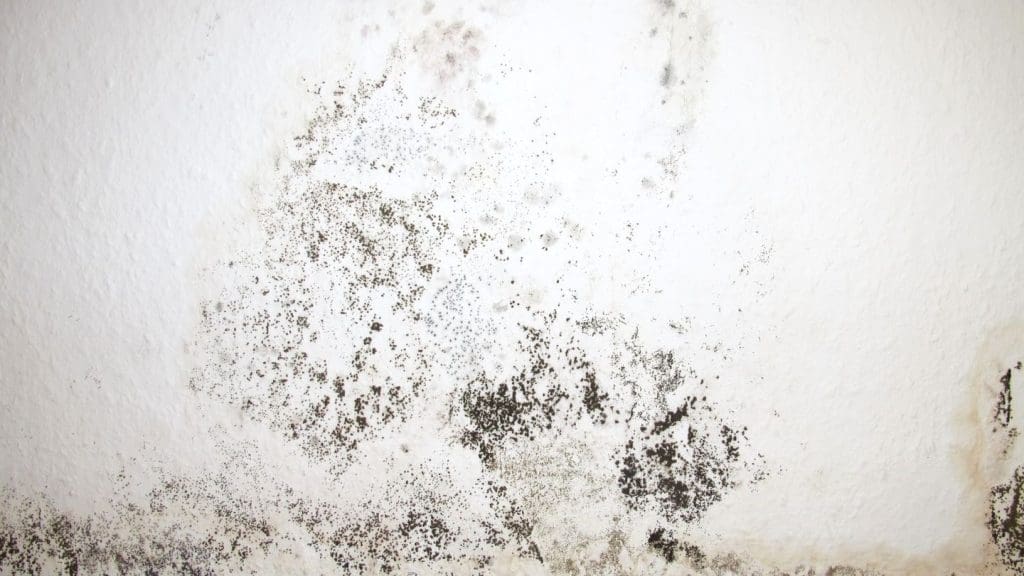
Mold is a microscopic fungus that thrives on moist surfaces, including walls, floors, and wooden coverings. Telltale signs of infestation include visible mold spores, a musty smell, peeling wallpaper, and dark spots on your walls. How much does mold devalue a home? This question resonates with the dangers mold poses to property and human health.
What Gives Rise to Molds
The tiny mold spores float in the air before landing on a wet surface, where they multiply and eventually make a colony. They are transferred on clothes, animal fur, and any movable surfaces within a home. Windows, leaking roofs, and poorly ventilated areas like basements and bathrooms, among others, are where they thrive. Surfaces with above 60% moisture offer a favorable ground for their multiplication.
Understanding the Effects On Property
Does mold affect home value? Absolutely. Mold gives a negative signal about possible faults in the architectural structure of a property, giving buyers justification for proposing a lower value for the property. Presumably, walls and floors permeated with moisture may have a substandard foundation, paving the way for mold. Exposed wooden material may show signs of rot, among other flaws, resulting in a lower valuation of the affected property.
Mold spores are tiny and enter the human respiratory system through inhalation. It is estimated that 28% of the world population has genes that make them susceptible to mold-related illnesses, with signs including aggravated allergic reactions for asthmatic patients, nasal congestion, eye irritation, and severe health dangers with prolonged exposure. To ensure a healthier living environment, consider using a home sanitizing service in Atlanta, GA, which effectively eliminates harmful allergens in your home.
Effect on Property Market Value
Combining the effects of mold on structural stability and human health can significantly reduce property value. How much does mold decrease home value? Experts project a significant dip in property value by as much as 3%, which is relatively high. Who would want to spend more on a suspected faulty property? Therefore, mold remains a significant threat to property value.
Eradication and Control of Mold on Your Property
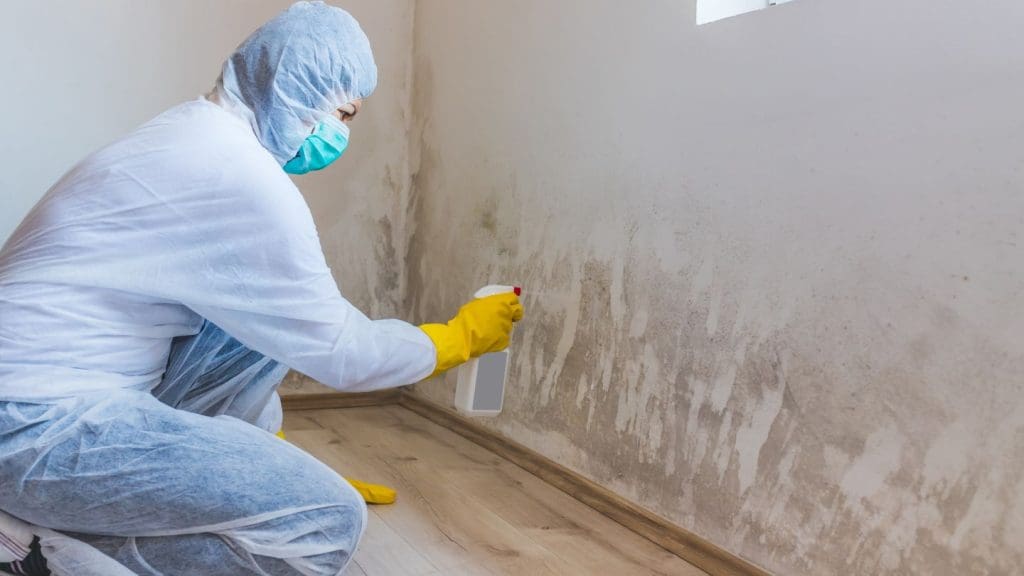
Mold-B-Gone Remediation offers mold cleaning services in Atlanta as a one-stop solution for mold infestation on your property. Fixing leaks, installing dehumidifiers, and enhancing ventilation are all solutions to reduce moisture build-up. Other interventions include tackling the mold with commercial mold removers and bleach. Hidden mold and home value are intertwined, and expert mold remediation is the best way to improve your property. Contact us today to schedule a consultation and protect your home from mold damage.