
by Mold-B-Gone | Jun 9, 2022 | Mold Facts, Uncategorized
Did you know that mold the size of a fist can produce thousands of mold spores into the atmosphere? Once the spores are airborne, they can be inhaled by the occupants of a house. What happens next is that an irritation develops in the lining of the throat leading to a mold exposure cough. Not everyone experiences cough due to mold since it does not infect every single occupant of a house. However, infants, children and the elderly are at a much higher risk of being affected. People suffering from respiratory diseases are also in danger of contracting coughing from mold. Extreme exposure of mold has been known to affect even pets.
Other notable symptoms of what breathing in mold can do include:
- Sore throat
- Running nose
- Headaches
- Wheezing
- Shortness of breath
- Sneezing
Other respiratory diseases related to mold such as pneumonia and bronchitis are also accompanied by coughing. However, it is important to seek medical advice from your doctor to determine if mold does make you cough. Once you are tested, the doctor will prescribe antibiotics to deal with the existing underlying infection.
Are There Treatments For Cough Caused By Mold?
Antihistamines may also be prescribed to aid the mucus in drying up. Cough tablets and syrup can help curb consistent coughing especially if you are not getting any sleep because of it. To soothe your cough and prevent further damage to your throat, use cough drops.
Headaches are also heavily associated with coughing, so it’s possible that the doctor would also prescribe some painkillers.
Related: What Is The Link Between Mold and Asthma?
You are highly advised not to buy over the counter drugs especially if you have an existing prescription. Instead, you should seek help from a qualified medical practitioner.
To facilitate your healing process after coughing from mold, you need to permanently remove yourself from the infected areas. Failing to do so means that your condition will deteriorate.
How Do I Prevent Cough From Mold?
It’s important that you carry out a thorough mold removal process in your household and enforce preventive measures to help curb mold related illnesses. To successfully do this, you need to identify the source of moisture on your walls and deal with it. Ensure you remove the contaminated materials then conduct proper cleaning on the affected areas.
Other respiratory diseases related to mold such as pneumonia and bronchitis are also accompanied by coughing. It’s therefore recommended you seek experts that will arrange a home visit. Their qualifications and experience come in handy to help make sure that all mold affected areas receive the best possible treatment. Most of the time, these home visits by mold removal companies are free so no form of payment is required upfront.
If you’ve recently suffered from a mold related illness, ensure you are not involved in the process of mold removal and instead seek help.
Mold Remediation Atlanta
If you have questions about mold remediation in Atlanta or you’d like help removing mold in your home, contact Mold-B-Gone for Mold Remediation & Removal Atlanta. They have a track record of helping so many homes around Atlanta eliminate mold. Try them out today.

by Mold-B-Gone | May 16, 2022 | Mold Facts
Mold is a fungus that can be found both indoors and outdoors. It is often green, black, or white in color, and it grows in humid environments. Mold can cause a number of health problems, including respiratory issues and skin irritation. But can mold cause sore throats? In this blog post, we will discuss the link between mold and sore throats, as well as some tips for preventing mold-related health problems.
Reactions to Mold Can Vary
Depending on a person’s sensitivity to mold and the amount of mold present, some people may experience no symptoms at all, while others may develop a sore throat, coughing, or difficulty breathing. In severe cases, mold exposure can lead to pneumonia or other serious respiratory illnesses. If you are concerned that you may have been exposed to mold, it is important to see a doctor as soon as possible.
Learn more by reading What Is the Link Between Mold and Parkinson’s Disease?
Mold spores are often found in the air, and they can enter your body through your nose, mouth, or eyes. Once they are inside your body, they can travel to your lungs and begin to grow. This growth can cause inflammation and irritation in your lungs, which can lead to a sore throat. Mold spores can also cause allergic reactions, and people with allergies to mold are more likely to develop a sore throat after exposure.
Reducing Your Exposure to Mold
There are a few things you can do to reduce your risk of developing a mold-related health problem. First, try to keep your home clean and free of clutter. This will make it easier to spot mold growth and clean it up before it has a chance to spread. Second, use an air purifier or HEPA filter in your home to remove mold spores from the air. Finally, if you have any medical conditions that make you more susceptible to respiratory infections, be sure to see your doctor for regular checkups and get vaccinated against influenza and other respiratory viruses. By taking these precautions, you can help protect yourself from the harmful effects of mold.
Conclusion
Mold can cause a number of health problems, including sore throats, but with the right precautions, you can protect yourself from its harmful effects. If you think you may have been exposed to mold, be sure to see a doctor as soon as possible. And remember, the best way to prevent mold-related health problems is to keep your home clean and free of clutter. Thanks for reading! And if you need commercial mold inspection in Atlanta, give us a call.
by Mold-B-Gone | Apr 20, 2022 | Mold Facts
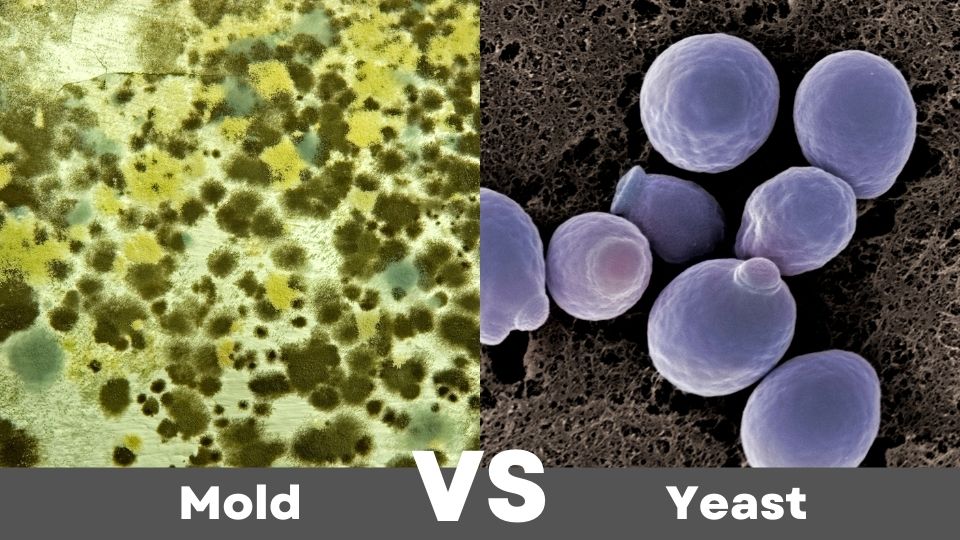
Do you know the difference between mold and yeast? If not, you’re not alone. Many people don’t know the difference, or even that there is a difference! In this blog post, we will discuss the differences between mold vs. yeast, as well as some of the health risks associated with each. We will also provide tips on how to prevent mold and yeast growth in your home.
Learn more by reading Mold vs. Fungus: Their Similarities and Differences.
What Is Mold?
Mold is a type of fungi that can be found both indoors and outdoors. Mold grows in moist, warm environments and can often be found in damp areas such as basements, bathrooms, or kitchens. Mold reproduces by releasing spores into the air. These spores can cause allergic reactions in some people, including runny nose, sneezing, watery eyes, and coughing. In severe cases, mold exposure can also lead to difficulty breathing.
Those with asthma or other respiratory conditions are especially at risk for health problems related to mold exposure. If you suspect that you have a mold problem in your home, it is important to have it addressed immediately by a professional.
What Is Yeast?
Yeast is a single-celled microorganism that is classified as a fungus. Unlike mold, yeast grows best in warm, sugary environments. Yeast is often used in baking to help bread rise. It can also be found in beer and wine making. When yeast ferments, it produces alcohol and carbon dioxide gas.
Yeast infections are a common type of fungal infection. They can occur on the skin or in mucous membranes. However, yeast can also grow on the surfaces of your home if the right conditions are present.
How Can I Prevent Mold and Yeast Growth In My Home?
There are several things you can do to prevent mold and yeast growth in your home:
- Keep your home clean and free of clutter.
- Fix any leaks or other sources of moisture immediately.
- Ventilate damp areas such as the kitchen and bathroom.
- Use an air conditioner or dehumidifier to control humidity levels.
- Be sure to dry wet areas completely after cleaning them.
Mold and yeast can both be dangerous to your health, so it’s important to be aware of the signs of each and take steps to prevent their growth in your home. If you think you may have a mold or yeast problem, contact our professionals for mold removal in Atlanta.
by Mold-B-Gone | Apr 6, 2022 | Mold Facts
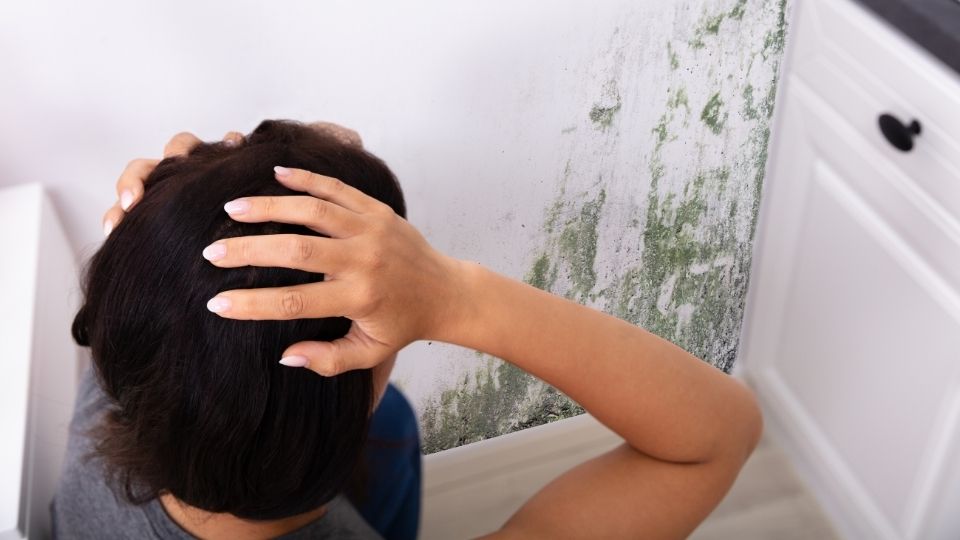
Mold is a nasty problem to have in your home. Luckily, it can’t grow on all surfaces. But what about plaster?
If your home is like most, it has a lot of plaster in it. Today, we are going to examine whether or not mold can grow on plaster and what this means for you as a homeowner.
Can Mold Grow on Plaster? No…But There’s More to It
Mold needs two things to grow: a food source and moisture. Plaster is inorganic and non-porous, so it can’t provide mold with a food source or moisture. But that doesn’t mean that plaster is immune to mold growth.
Mold does still grow on plaster if there is another surface for it to feed off of like wood or paper. And if there is enough moisture present, mold will find a way to grow.
So, while mold cannot directly grow on plaster, it can still cause problems in your home. If you have a mold problem, you should address it as soon as possible to prevent it from getting worse and to protect the health of everyone who lives in or visits your house.
What Surfaces Can Mold Grow On?
Mold can grow on just about any organic surface as long as there is moisture present. This includes wood, paper, drywall, and insulation. It can even grow on certain types of paint and upholstered furniture.
Additionally, dirt and dust can create ideal environments for mold to grow. So any dirty surface is one mold can exploit. That’s why it is often found in air filters and dirty air ducts. And why mold grows in your attic.
Spotting Mold in Your Home
Mold can be tricky to spot if you aren’t trained to do so. It often looks like a stain or discoloration on surfaces. And it can have a musty smell. If you suspect mold, the best thing to do is have a professional come and take a look. They will be able to confirm whether or not you have mold and help you develop a plan to get rid of it.
Take Action Against Mold Today
If you think you may have mold in your home, don’t wait. The longer you wait, the worse the problem will become. Contact our professional mold cleaning service in Atlanta today and get rid of that mold for good!

by Mold-B-Gone | Feb 9, 2022 | Mold Facts, Uncategorized
Mold is a hot topic right now. You may have seen articles claiming that mold can cause all sorts of health problems, including headaches and migraines. Is this true? Can mold cause headaches and migraines? And if it can, what can you do to protect yourself from the dangers of mold?
In this blog post, we will explore the link between mold and headaches/migraines and provide some tips for keeping yourself safe.
Mold Is Well-Known to Cause Health Problems
Mold has been linked to a variety of health problems, including headaches and migraines. In fact, a study published in the journal Headache found that people who are exposed to mold are two times more likely to experience migraines.
How Does Mold Cause Headaches and Migraines?
There are several ways that mold can cause headaches and migraines. For example, mold can release toxins into the air, which can lead to respiratory problems. Mold can also cause allergies or asthma attacks, which can lead to headaches or migraines.
How Can I Protect Myself From Mold?
If you are concerned about the link between mold and headaches/migraines, there are steps you can take to protect yourself. First, make sure that your home is properly ventilated. This will help reduce your exposure to mold toxins. Second, keep your home clean and free of clutter. This will help reduce the chances of mold growth. Finally, if you are experiencing symptoms of a mold allergy or asthma attack, seek medical help right away.
What If I Already Have Mold in My Home?
If you already have mold in your home, contact a professional mold remediation service today. A mold remediation service will inspect your home for any signs of moisture or water damage, which can lead to the growth of mold. They will then use specialized equipment to remove all traces of mold from your home.
How Do I Find a Good Company for Mold Remediation?
There are many cleaning companies that claim to offer mold cleaning services in Atlanta. However, unless they specialize in mold remediation, they won’t deliver the level of results you need to truly eliminate mold and protect your health. Instead, turn to mold cleaning professionals like those at Mold-B-Gone. Not only can we clean mold, but we have the special tools needed to screen for its presence, locating the source and verifying that all spores have been removed.
Learn more about mold and your health. Read What Is The Link Between Mold and Parkinson’s Disease?
by Mold-B-Gone | Jan 21, 2022 | Mold Facts, Uncategorized
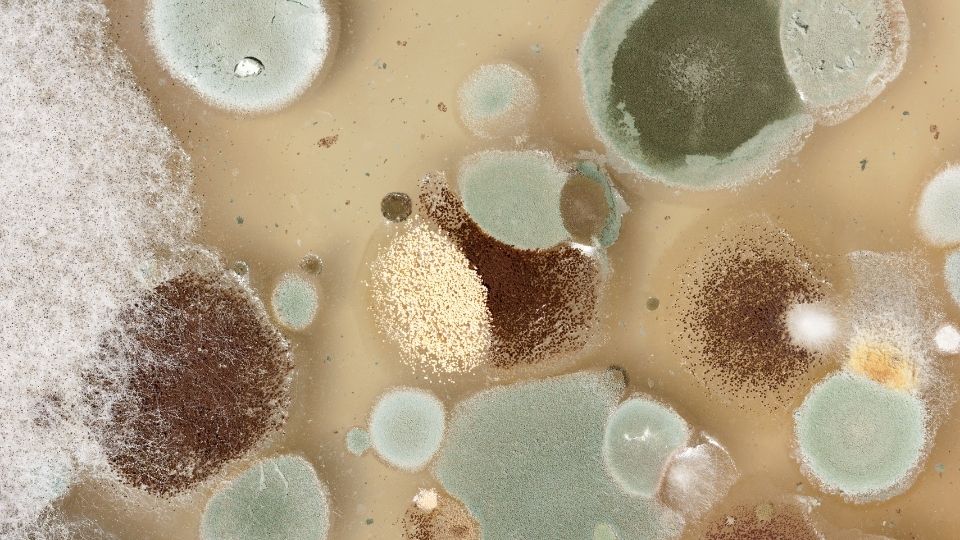
Mold spores are present everywhere, in both indoor and outdoor environments. When the conditions are right, they will begin to grow and spread. In this blog post, we will take a look at how long it takes for mold growth and spread. We will also discuss how you can prevent it from becoming a problem in your home or business.
Which Conditions Help Mold Spores Thrive?
Mold can grow in almost any environment. This is because it takes very little to thrive and most places have the essential elements. The following are some of the key conditions that help mold spores thrive:
- Moisture: One of the most important elements for mold growth is moisture. This can be from a leak, high humidity, or water damage.
- Food: Mold spores feed on organic matter like wood, paper, fabric, and dust.
- Darkness: Mold thrives in dark environments where it is not disturbed.
Preventing Mold Growth and Spread
The best way to prevent mold growth and spread is by keeping your environment dry and clean. You should also inspect your property for any potential sources of water damage. If you do find a problem, be sure to address it right away.
In addition to prevention, there are also some steps you can take to remediate mold growth and spread. This includes cleaning the affected area and removing any contaminated materials. If the problem is severe, you may need to call in a professional.
How Long for Mold Growth and Spread?
Mold growth and spread can happen very quickly or over a period of time. The following are some general timelines for different types of environments:
- Indoor environment: In an indoor environment, mold can grow in as little as 24 hours. It can also spread rapidly, reaching other parts of the home within 48 hours.
- Outdoor environment: Outdoor mold spores will not start to grow until they come into contact with moisture. Once they do, it can take anywhere from a few days to a week for them to start to grow.
It is important to note that these timelines are just general guidelines and there may be variations depending on the specific situation. If you are concerned about mold growth or spread, be sure to consult with a professional. They will be able to advise you on the best course of action for your property.
For more information on mold remediation in Atlanta, contact Mold-B-Gone.
Get more information on the health effects of mold by reading How Do I Know If Mold Is Making Me Sick?