

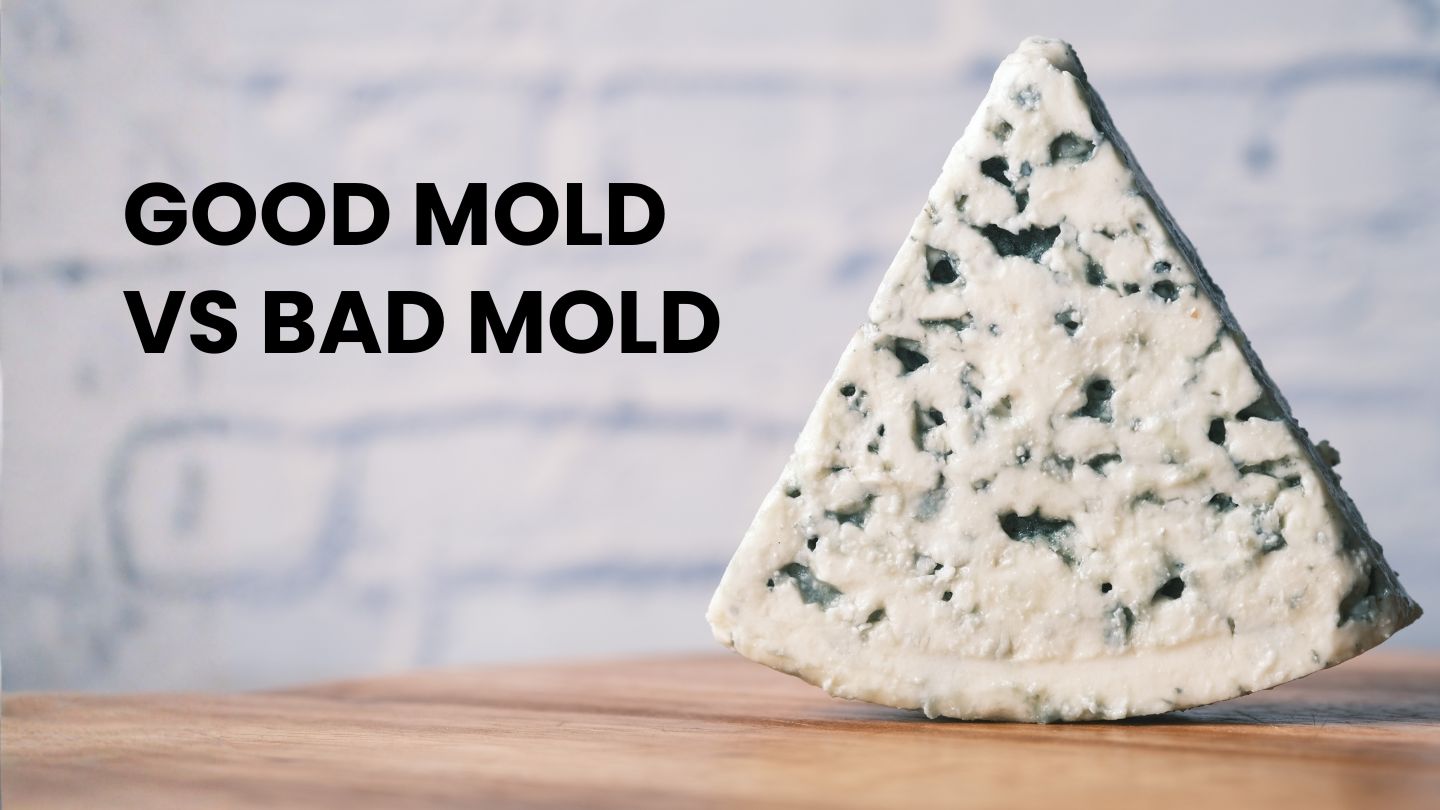
Mold is a natural part of our environment, and it plays an important role in breaking down organic materials. However, not all mold growth is harmless; some types can pose serious risks to your home and health. Understanding the difference between beneficial molds found in nature and harmful molds that invade indoor spaces is essential for maintaining a safe living environment. Recognizing early signs of problematic mold can also help prevent long-term damage. In this blog, we’ll explore how to distinguish between harmless molds and those that require immediate attention.
Key Takeaways
- Good mold includes beneficial species used in medicine production (like penicillium), food manufacturing, and natural decomposition processes that support ecosystem health
- Bad mold encompasses toxic varieties like Stachybotrys chartarum (black mold), Aspergillus, and other species that produce harmful mycotoxins and cause serious health issues
- Location and context determine whether mold is beneficial or harmful – outdoor mold aids ecosystem health while indoor mold growth typically poses health risks and requires immediate attention
- Professional identification is essential since many mold species look similar but have vastly different health implications for your family and property
- Moisture control remains the key factor in preventing harmful indoor mold growth, regardless of mold type, with prompt action needed to prevent future mold growth
What is the difference between Good Mold and Bad Mold?
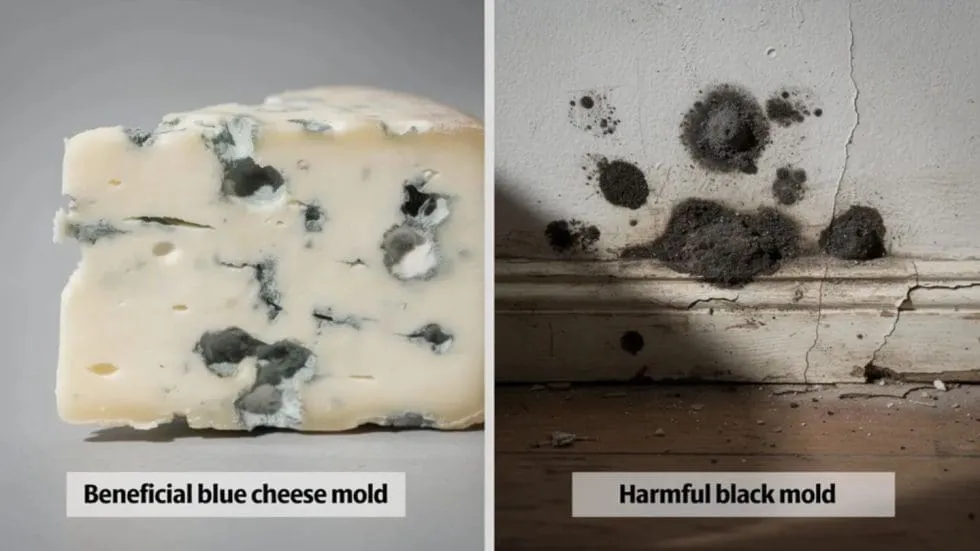
When most homeowners discover mold in their property, panic often sets in. However, the truth about mold is far more complex than many realize. Understanding good mold vs bad mold can help you make informed decisions about your home’s safety and your family’s health.
Good mold refers to beneficial fungi that serve important purposes in medicine, food production, and environmental processes. These controlled applications occur in sterile laboratory environments or carefully monitored food production facilities. Bad mold includes species that produce toxins, cause infections, or trigger severe allergic reactions in humans when they establish indoor mold growth in your living spaces.
The same mold genus can contain both beneficial and harmful species, making proper identification crucial. For example, while Penicillium chrysogenum produces life-saving antibiotics, other Penicillium species growing in damp areas of your home can trigger allergic reactions and respiratory problems.
Context matters tremendously in determining whether mold poses a threat. Outdoor mold decomposes organic material, like rotting wood and fallen leaves, and plays a vital ecological role. However, when mold spores land and begin growing in wet areas inside your home, they typically become problematic and require immediate attention.
Of the over 100,000 mold species that exist in nature, only a fraction are truly dangerous to human health. However, many molds found in damp environments can cause health problems ranging from minor skin irritation to serious lung disease.
Read more: Why Is Black Mold A Health Concern
Types of Good Mold
Understanding which molds serve beneficial purposes helps put the mold problem in your home into proper perspective. These “good” molds operate under carefully controlled conditions that prevent mold growth in unwanted areas.
Penicillium Species in Medicine
Penicillium chrysogenum revolutionized modern medicine when Alexander Fleming discovered its antibiotic properties in 1928. This remarkable mold produces penicillin antibiotics that have saved millions of lives by fighting bacterial infections. The same genus also includes Penicillium roqueforti, which creates the distinctive blue veining in Roquefort and other blue cheeses.
These controlled applications occur in sterile laboratory or food production environments where scientists carefully monitor temperature, humidity levels, and contamination risks. Medical and food-grade penicillium strains are specifically cultivated and monitored for safety, preventing the production of harmful mycotoxins that can occur when molds reproduce in uncontrolled environments.
It’s important to note that the beneficial strains used in medicine and food are completely different from the common mold types that might grow on damp walls or in areas with poor ventilation in your home.
Food Production Molds
Several mold species play essential roles in creating foods enjoyed worldwide. Aspergillus oryzae, known as koji mold, is fundamental for fermenting soybeans into miso, soy sauce, and sake production. This domesticated mold has been safely used for centuries in Asian food production under controlled conditions that prevent the formation of dangerous mycotoxins.
Rhizopus oligosporus creates tempeh, a nutritious fermented soybean product popular in Indonesia. Unlike wild Rhizopus species that might contaminate bird droppings or other organic material in your home, food production strains are carefully selected and maintained in clean environments.
Certain Neurospora species produce compounds used in food additives and supplements. These molds are intentionally cultivated under strict food safety protocols with regular testing to ensure they don’t produce poisonous substances.
The key difference between these beneficial food molds and problematic household mold lies in the controlled environment and careful strain selection that prevents toxic fume production and ensures safety.
Environmental Decomposition
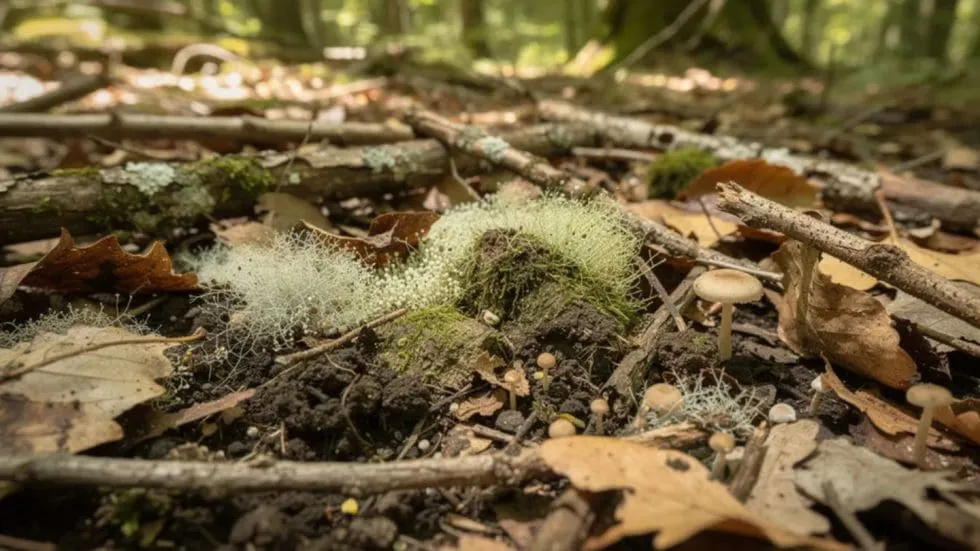
In natural outdoor environments, molds perform the crucial ecological function of breaking down dead organic matter. Forest floor molds decompose fallen leaves, dead wood, and animal waste, returning essential nutrients to soil ecosystems that support healthy plant growth.
These environmental molds prevent organic waste accumulation and maintain the natural cycle of decomposition and renewal. When airborne spores from these outdoor sources remain outside, they contribute positively to ecosystem health.
However, environmental molds become problematic when they migrate indoors through air ducts, open windows, or on contaminated materials. High humidity, poor ventilation, and available food sources like damp materials create ideal conditions for these outdoor molds to establish unwanted indoor colonies.
Read more: Top 15 Reasons To Clean Your Ducts
Types of Bad Mold
While beneficial molds serve important purposes under controlled conditions, bad mold varieties pose serious health concerns when they establish growth in your living environment. Understanding these harmful types helps you recognize when to act quickly and seek professional help.
Toxigenic Molds
Toxigenic molds represent some of the most dangerous fungi that can invade your home. These species produce mycotoxins – toxic compounds that can cause severe health problems when inhaled, ingested, or contacted through skin exposure.
Stachybotrys chartarum, commonly known as toxic black mold, produces some of the most potent mycotoxins known to science. This black mold thrives on water-damaged cellulose materials like drywall, wallpaper, and wood following roof leaks, flooding, or plumbing failures. Exposure can cause respiratory problems, skin irritation, neurological symptoms, and, in severe cases, immune system suppression.
Aspergillus flavus creates aflatoxins, which rank among the most carcinogenic substances known to science. While more commonly associated with contaminated food crops, this mold can also grow in severely damp indoor environments, particularly areas with ongoing water leaks.
Fusarium species produce trichothecenes, mycotoxins that can cause skin disorders, immune system suppression, and respiratory issues. These molds often colonize wet areas following water damage and can spread rapidly through porous materials if moisture problems aren’t addressed promptly.
These toxigenic molds require immediate professional attention because inhaling spores containing mycotoxins can cause both acute symptoms and long-term health effects.
Read more: Can Toxic Black Mold Poison You
Pathogenic Molds
Pathogenic molds pose direct infection risks, particularly for individuals with weakened immune systems, existing lung disease, or other underlying health conditions. These molds can invade body tissues and cause serious medical complications.
Aspergillus fumigatus represents one of the most concerning pathogenic molds found indoors. This species causes aspergillosis, a serious lung infection that can be life-threatening in immunocompromised individuals. Even healthy people can develop allergic forms of the disease with prolonged exposure to high concentrations.
Cryptococcus neoformans can lead to life-threatening meningitis, particularly affecting AIDS patients and others with severely compromised immune function. While less common in typical indoor environments, this mold can grow in areas contaminated with bird droppings or other organic debris.
Histoplasma capsulatum causes histoplasmosis through inhalation of contaminated soil or materials contaminated with bird droppings. Cleanup of areas with significant organic contamination requires specialized protective equipment to avoid breathing dangerous spores.
These pathogenic molds pose immediate health threats requiring prompt medical attention and professional remediation to eliminate the source of exposure.
Allergenic Molds
Allergenic molds represent the most common category of indoor mold problems, affecting millions of people with varying degrees of sensitivity. While not immediately life-threatening, these molds can significantly impact quality of life and respiratory health.
Alternaria commonly triggers asthma attacks, allergic rhinitis, and respiratory distress in sensitive individuals. This dark-colored mold frequently appears in damp areas like basements, crawl spaces, and areas with chronic moisture problems from leaking pipes or poor ventilation.
Cladosporium causes skin rashes, eye irritation, and breathing difficulties in damp indoor environments. Often appearing as dark spots on surfaces, this common mold grows readily on various materials when humidity levels exceed 60% and adequate moisture is present.
Epicoccum produces large numbers of airborne spores that can exacerbate existing allergies and respiratory conditions. People exposed to high concentrations may experience a runny nose, sore throat, and eye irritation even without direct contact with visible mold.
While allergenic molds may seem less threatening than toxigenic varieties, chronic exposure can worsen asthma, lead to the development of new allergies, and cause ongoing health issues that significantly impact daily life.
Read more: What Is The Link Between Mold and Asthma
How to Identify Good vs Bad Mold
Distinguishing between beneficial and harmful mold requires more than casual observation. Visual identification alone proves unreliable since many harmful and beneficial molds appear remarkably similar to the naked eye.
Location provides crucial context for determining mold risk. Mold growing in controlled food production facilities may be beneficial, while any mold growth in your basement, laundry rooms, or other damp areas typically indicates a problem requiring attention. Indoor mold growth, regardless of appearance, signals underlying moisture issues that need correction.
Professional testing using certified laboratory methods provides the only accurate way to identify mold species and assess contamination levels. Attempting to scrub mold without proper identification can spread airborne mold spores throughout your home and worsen the problem.
Certain warning signs suggest a potentially problematic mold presence. A persistent musty smell, even without visible growth, often indicates hidden mold behind walls, under flooring, or in HVAC systems. Areas with ongoing moisture from condensation, water leaks, or high humidity create ideal conditions for harmful mold development.
Never assume you can safely identify mold based on color alone. The common term “black mold” encompasses numerous species with vastly different health implications. Similarly, white mold or greenish growth could represent anything from relatively benign species to dangerous mycotoxin producers.
Professional Testing Methods
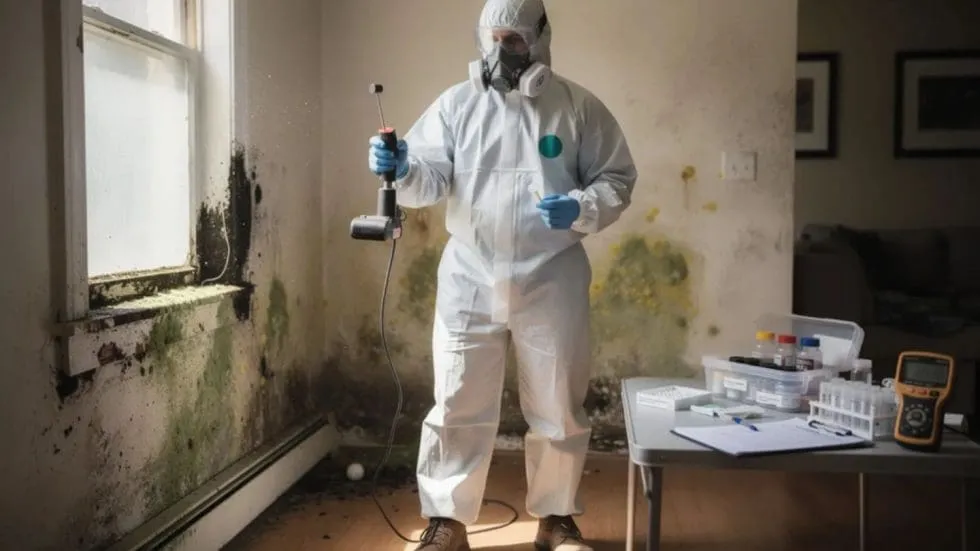
Certified mold inspectors use several scientific approaches to accurately assess mold contamination and species identification. These methods provide reliable data for making informed decisions about remediation needs.
Air sampling captures airborne mold spores using specialized equipment that draws measured volumes of air through collection media. Laboratory analysis can identify specific species present and determine whether spore concentrations exceed normal outdoor levels, indicating an indoor mold problem.
Surface sampling involves collecting mold specimens directly from affected materials using sterile swabs or tape-lift samples. Microscopic examination and culturing techniques allow precise species identification and assessment of contamination severity.
Bulk sampling removes portions of contaminated materials for comprehensive laboratory analysis. This method proves particularly useful for identifying mold growth within porous materials like drywall, insulation, or wood, where surface sampling might miss embedded colonies.
Certified inspectors also use moisture meters, thermal imaging cameras, and other specialized equipment to detect hidden moisture sources that support mold growth behind walls, under flooring, or in other concealed areas. Identifying and correcting these moisture sources is essential to prevent mold growth and avoid future contamination.
Professional testing provides the scientific data needed to develop effective remediation strategies and verify successful cleanup completion.
Health Impacts of Good vs Bad Mold
The health implications of mold exposure vary dramatically depending on species, concentration, exposure duration, and individual susceptibility. Understanding these differences helps homeowners make appropriate decisions about mold concerns in their properties.
Good mold in appropriate contexts poses minimal health risks when properly contained and regulated. Food-grade molds used in cheese production or pharmaceutical manufacturing undergo strict quality control to prevent harmful mycotoxin formation. Environmental molds performing natural decomposition functions outdoors rarely cause problems unless individuals have severe mold allergies.
Bad mold exposure can cause immediate allergic reactions, long-term respiratory damage, and serious infections, depending on the species involved, and may lead to diverse symptoms of mold sickness over time. Toxigenic molds producing mycotoxins pose particular risks because these chemical compounds can cause effects ranging from skin irritation to organ damage with sufficient exposure.
Individual sensitivity varies greatly among the population. Some people react severely to small amounts of mold exposure, developing asthma attacks or allergic reactions from minimal contact. Others show few symptoms even with substantial exposure, though this doesn’t mean they’re immune to long-term health effects.
Duration and concentration of exposure significantly influence health outcomes. Brief exposure to low levels of most molds causes minimal problems for healthy individuals. However, chronic exposure to high concentrations, particularly in homes with ongoing moisture problems, can lead to sensitization and the development of new allergies or respiratory conditions.
People with weakened immune systems, existing lung disease, or chronic respiratory conditions face elevated risks from mold exposure and may experience severe reactions to species that barely affect healthy individuals.
Symptoms of Harmful Mold Exposure
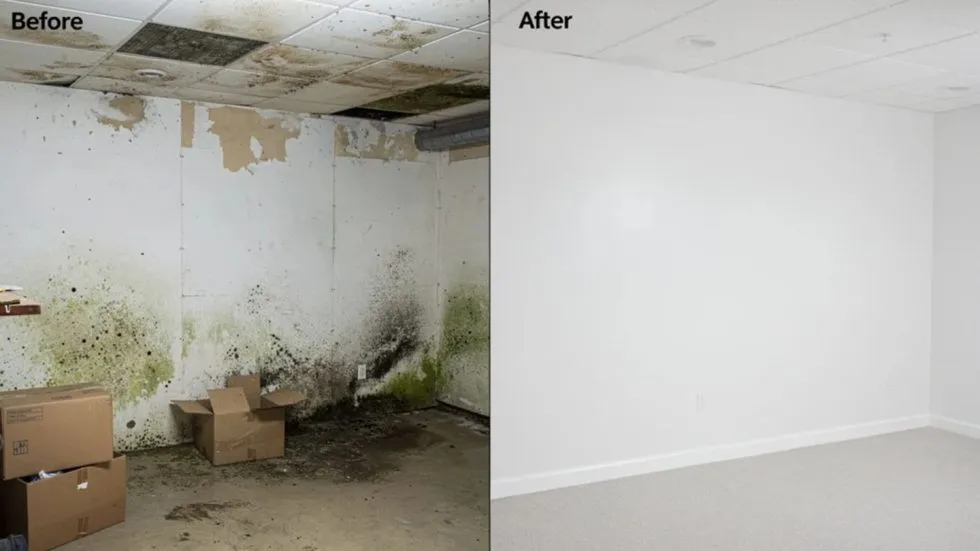
Recognizing symptoms of problematic mold exposure and common symptoms associated with mold illness helps homeowners understand when their health concerns may be related to indoor air quality issues. These symptoms can develop gradually with chronic exposure or appear rapidly following acute exposure to high concentrations.
Respiratory symptoms represent the most common effects of harmful mold exposure. Persistent coughing, wheezing, shortness of breath, and chest tightness may develop, particularly in individuals with asthma or other respiratory conditions. These symptoms often worsen in the affected environment and improve when away from the contaminated area.
Allergic reactions manifest through various symptoms, including a runny nose, persistent sneezing, itchy or watery eyes, and skin rashes. Some people develop contact dermatitis from direct skin contact with moldy materials, resulting in dry skin, irritation, or more severe inflammatory responses.
Neurological effects from exposure to mycotoxins produced by toxic mold can include persistent headaches, memory problems, difficulty concentrating, and unexplained fatigue. While these symptoms can have many causes, their presence in combination with known mold exposure warrants professional evaluation.
Severe cases of mold exposure may involve nosebleeds, particularly from species producing irritating compounds, compromised immune function leading to increased susceptibility to infections, and exacerbation of existing health conditions like asthma or allergies.
Anyone experiencing persistent symptoms that improve when away from their home environment should consider a professional mold assessment to identify potential indoor air quality issues requiring remediation.
When to Be Concerned About Mold
Knowing when mold growth requires immediate professional attention can protect your family’s health and prevent extensive property damage. Certain situations demand an urgent response regardless of the mold species involved.
Any visible mold growth indoors requires immediate attention, regardless of its appearance or suspected species. Indoor environments should not support significant mold growth, and its presence indicates underlying moisture problems that will worsen without intervention. Even seemingly minor mold problems can spread rapidly through porous materials when conditions remain favorable.
Persistent musty odor without visible mold often indicates hidden growth requiring professional investigation. Molds can colonize areas behind walls, under flooring, in air ducts, or within insulation where they’re not immediately apparent. These hidden colonies can release spores and odorous compounds that affect indoor air quality throughout the building.
Recent water damage from floods, plumbing failures, or roof leaks creates ideal conditions for rapid mold development. Professional assessment within 24-48 hours of water damage helps prevent mold establishment and reduces remediation costs significantly compared to waiting until visible growth appears.
Mold contamination covering areas larger than 10 square feet requires professional remediation rather than DIY cleanup attempts. Large-scale contamination often involves multiple species, potential mycotoxin exposure, and risks of spreading contamination during improper cleanup procedures.
Health symptoms consistent with mold exposure, particularly respiratory problems that worsen indoors, warrant a professional air quality assessment even without visible mold growth.
Risk Factors for Severe Mold Problems
Certain building characteristics and environmental conditions create elevated risks for serious mold contamination requiring immediate professional intervention.
Basements, crawl spaces, and attics with poor ventilation and inadequate moisture control frequently develop significant mold problems. These areas often experience temperature fluctuations, condensation issues, and limited air circulation that create ideal conditions for mold colonization of structural materials.
Properties with recent flooding, plumbing leaks, or roof damage face immediate mold development risks if damaged materials aren’t properly dried within 24-48 hours. Water-damaged cellulose materials like drywall and wood provide excellent food sources for many problematic mold species.
HVAC systems with condensation problems, dirty filters, or contaminated ductwork can spread airborne spores throughout entire buildings, making remediation more complex and expensive. Regular maintenance and prompt attention to moisture issues in heating and cooling systems help prevent widespread contamination.
Buildings housing immunocompromised individuals, young children, elderly residents, or people with existing respiratory conditions face elevated health risks from mold exposure and may be more vulnerable to the impact of mold on the brain and other systemic effects. These vulnerable populations face elevated health risks from mold exposure and may experience severe reactions to species that minimally affect healthy adults.
Properties in humid climates or with ongoing moisture control challenges need proactive monitoring and preventive measures to avoid serious mold problems that could affect both health and property values.
Professional Assessment and Remediation
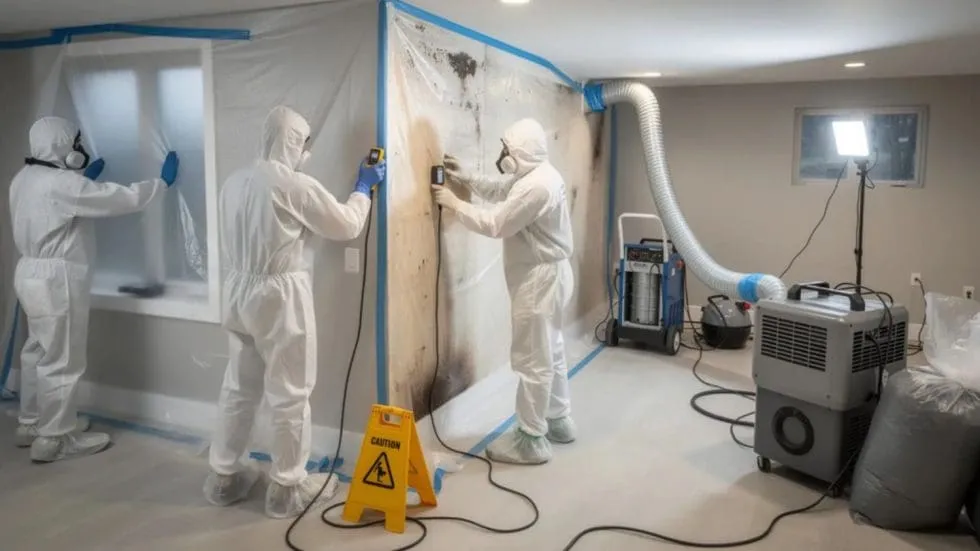
When dealing with potential mold problems, professional expertise ensures accurate assessment, safe removal, and prevention of future contamination. Certified specialists have the training, equipment, and experience needed to address mold issues effectively while protecting your family’s health and answering urgent mold health questions.
Certified mold inspectors provide accurate species identification and comprehensive contamination assessment using scientific testing methods. These professionals can distinguish between normal outdoor spore levels and problematic indoor concentrations, identify hidden moisture sources, and develop appropriate remediation strategies based on specific conditions found in your property.
Professional remediation companies use specialized equipment and proven containment procedures for safe mold removal. Proper techniques prevent cross-contamination, protect building occupants during cleanup, and ensure thorough removal of contaminated materials. Attempting to remove mold without proper equipment and training often spreads contamination and creates bigger problems.
Many insurance policies provide coverage for mold damage depending on policy terms and the underlying cause of water intrusion. Professional documentation of mold problems and remediation work helps support insurance claims and ensures compliance with policy requirements for coverage eligibility.
Post-remediation testing verifies successful mold cleanup and confirms restoration of safe indoor air quality. This final verification provides peace of mind that remediation work was effective and helps prevent future health problems or property damage from incomplete cleanup.
Professional services also include recommendations for preventing future mold growth through moisture control improvements, ventilation upgrades, and maintenance practices that keep your property healthy and mold-free long-term.
Working with certified professionals provides the expertise needed to address mold problems safely and effectively while protecting your investment in your property and your family’s health and safety.
Understanding Mold to Protect Your Home and Health
Recognizing the difference between harmless outdoor molds and harmful indoor infestations is essential for maintaining a safe living environment. While some molds occur naturally, others can damage your home, trigger health issues, and spread quickly if left untreated. Knowing when mold becomes a problem allows homeowners to take timely and effective action.
At Mold-B-Gone, we provide trusted solutions to identify and eliminate harmful mold growth, including comprehensive mold removal in Atlanta. We offer expert mold remediation, duct cleaning, IAQ testing, and commercial mold remediation services to protect your home and indoor air quality. When you’re ready to safeguard your home and create a healthier environment, we’re here to support you every step of the way.
Frequently Asked Questions
Can good mold turn into bad mold in my home?
Mold species don’t actually change from good to bad, but beneficial molds in inappropriate locations can become problematic. For example, Penicillium species used in controlled cheese production become harmful when growing on damp walls in your home due to uncontrolled conditions that may lead to mycotoxin production and indoor air quality problems. The context and growing conditions determine whether any mold becomes a health concern.
Is it safe to eat food with good mold if I find similar mold elsewhere in my house?
Never assume household mold is the same as food-grade mold varieties. Commercial food production uses specific, carefully controlled mold strains under sterile laboratory conditions with regular safety testing. Household mold growth is completely uncontrolled and potentially contaminated with harmful bacteria, toxic compounds, or dangerous mycotoxins that make it unsafe for consumption, regardless of appearance.
How can I tell if outdoor mold is migrating into my home?
Monitor for mold growth patterns near entry points like windows, doors, and ventilation systems, and watch for musty odors that intensify when outdoor mold counts are high. Keep indoor humidity below 60% and ensure proper ventilation in areas prone to moisture accumulation. Professional air sampling can detect elevated indoor spore levels compared to normal outdoor baseline measurements, indicating potential indoor contamination sources.
Are there any home remedies that can distinguish good mold from bad mold?
No reliable home testing methods exist for accurately distinguishing beneficial from harmful mold species. Visual appearance, smell, texture, and color are unreliable indicators since many toxic molds closely resemble harmless varieties. Professional laboratory testing using proper sampling techniques and microscopic analysis remains the only accurate method for species identification and risk assessment.
Should I be worried about good mold spores in my indoor air?
Any elevated indoor mold spore levels indicate underlying moisture problems that could lead to harmful mold growth over time. Even beneficial outdoor molds become problematic indoors, where they can trigger allergic reactions in sensitive individuals, compete with more dangerous species for nutrients, or indicate environmental conditions favorable for toxic mold development. Maintaining proper humidity control and addressing moisture sources prevents both beneficial and harmful molds from establishing indoor colonies.