Mold can be a silent intruder in your home, often lurking where you least expect it—inside your pipes. Mold requires moisture, food, and adequate oxygen to thrive. Not only can mold growth lead to unpleasant odors and potential health risks, but it can also indicate underlying plumbing issues that need attention. In this blog, we’ll explore the seven key signs that you might have mold in your pipes and provide practical steps on how to address the problem effectively.
Key Takeaways
A musty or sour odor when running water, along with visible mold around fixtures and discolored water, are key indicators of mold in plumbing systems that should be addressed immediately.
Frequent plumbing issues such as leaks and clogs can create environments conducive to mold growth, as mold requires moisture, adequate oxygen, and a food source like organic materials to thrive, necessitating prompt maintenance to prevent further damage.
Ignoring mold in pipes poses serious health risks and can lead to structural damage, making it crucial to conduct regular inspections and maintenance to prevent and address mold problems effectively.
Musty or Sour Odor When Running Water
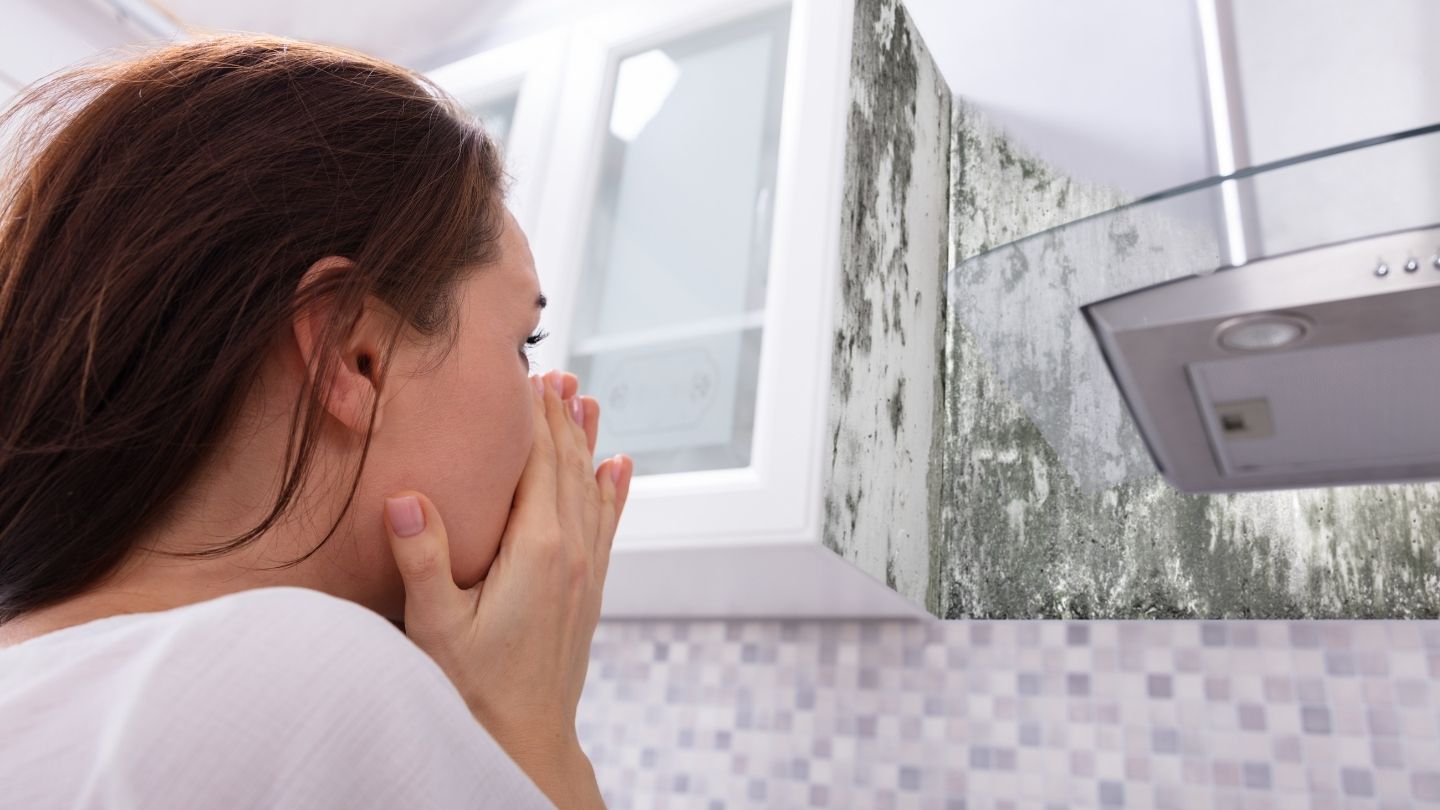
Experiencing a consistent musty or sour smell when you use your running water can be a strong indication of mold within your plumbing system. If you smell mold, particularly a sour, mildew-like odor, it’s a strong indicator of mold presence when running water. If the scent becomes more pronounced after the water has remained in the pipes, it’s likely that mold spores have found an ideal environment to flourish inside your water supply pipes.
Should you encounter a potent mildew-like odor each time you utilize your faucet, it’s crucial not to dismiss this symptom. Such an odor could point towards mold having penetrated your water supply lines, which may pose potential health hazards and result in complications with your plumbing. By addressing this issue immediately, one can thwart the spread of the mold and prevent additional harm to both their plumbing fixtures and the system as a whole.
Visible Mold Around Fixtures
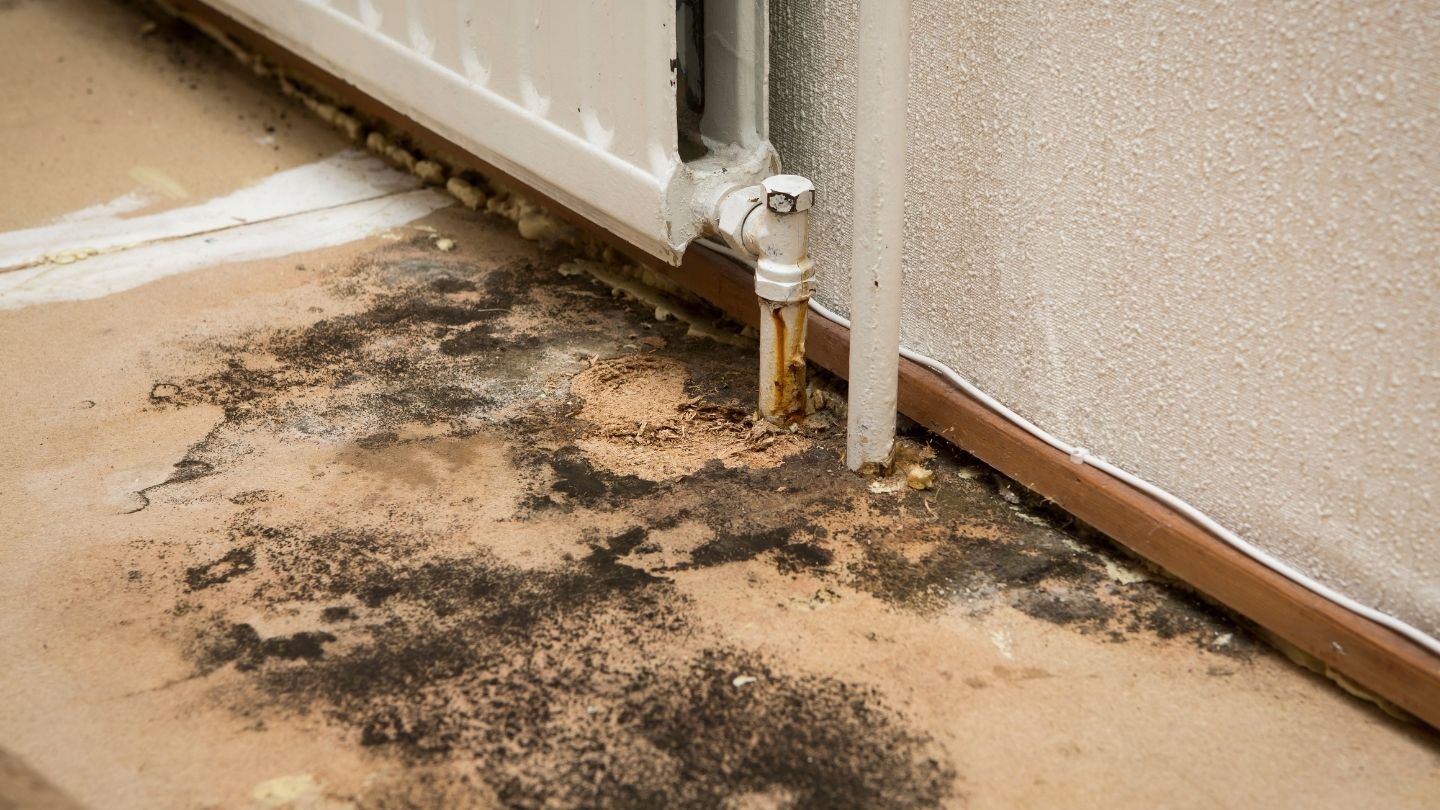
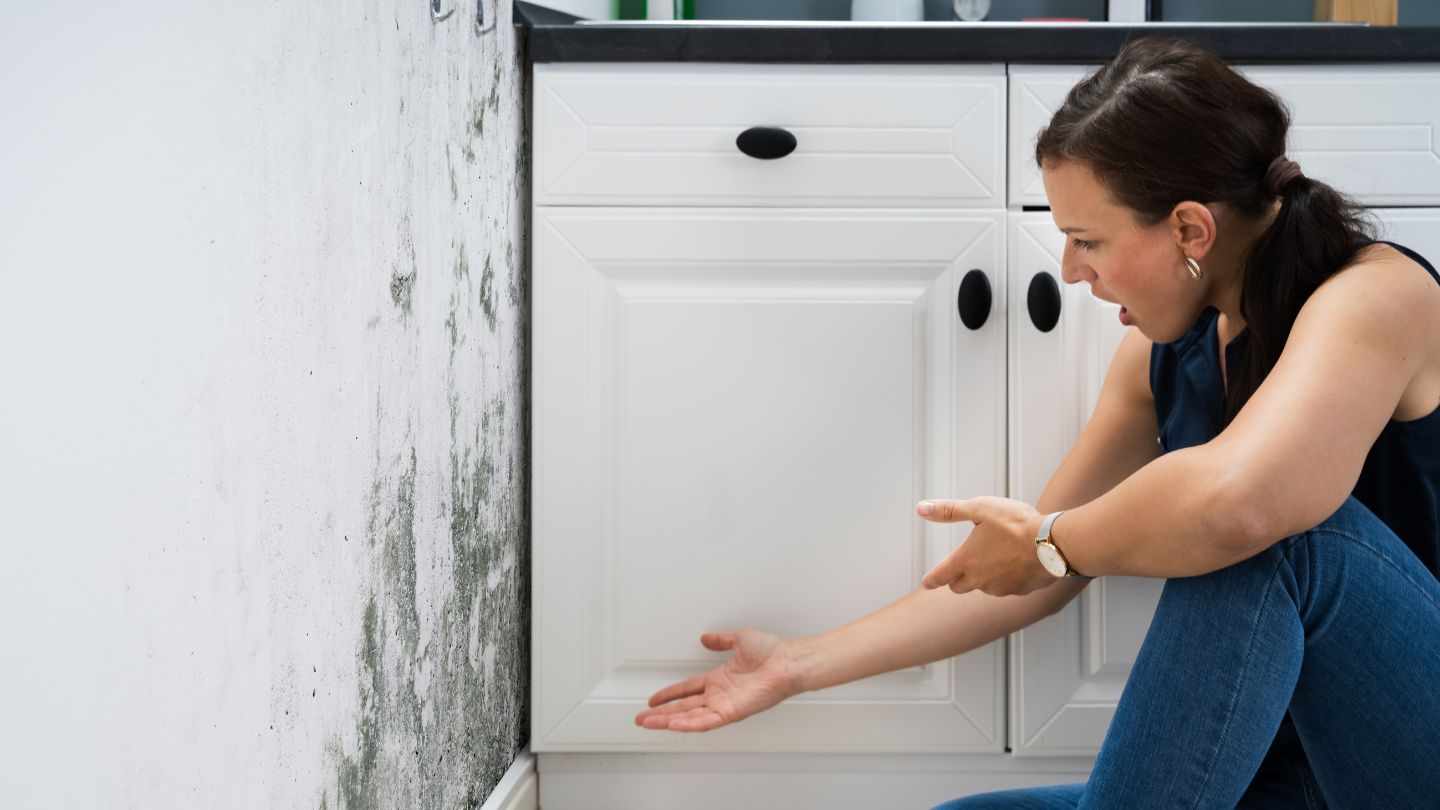
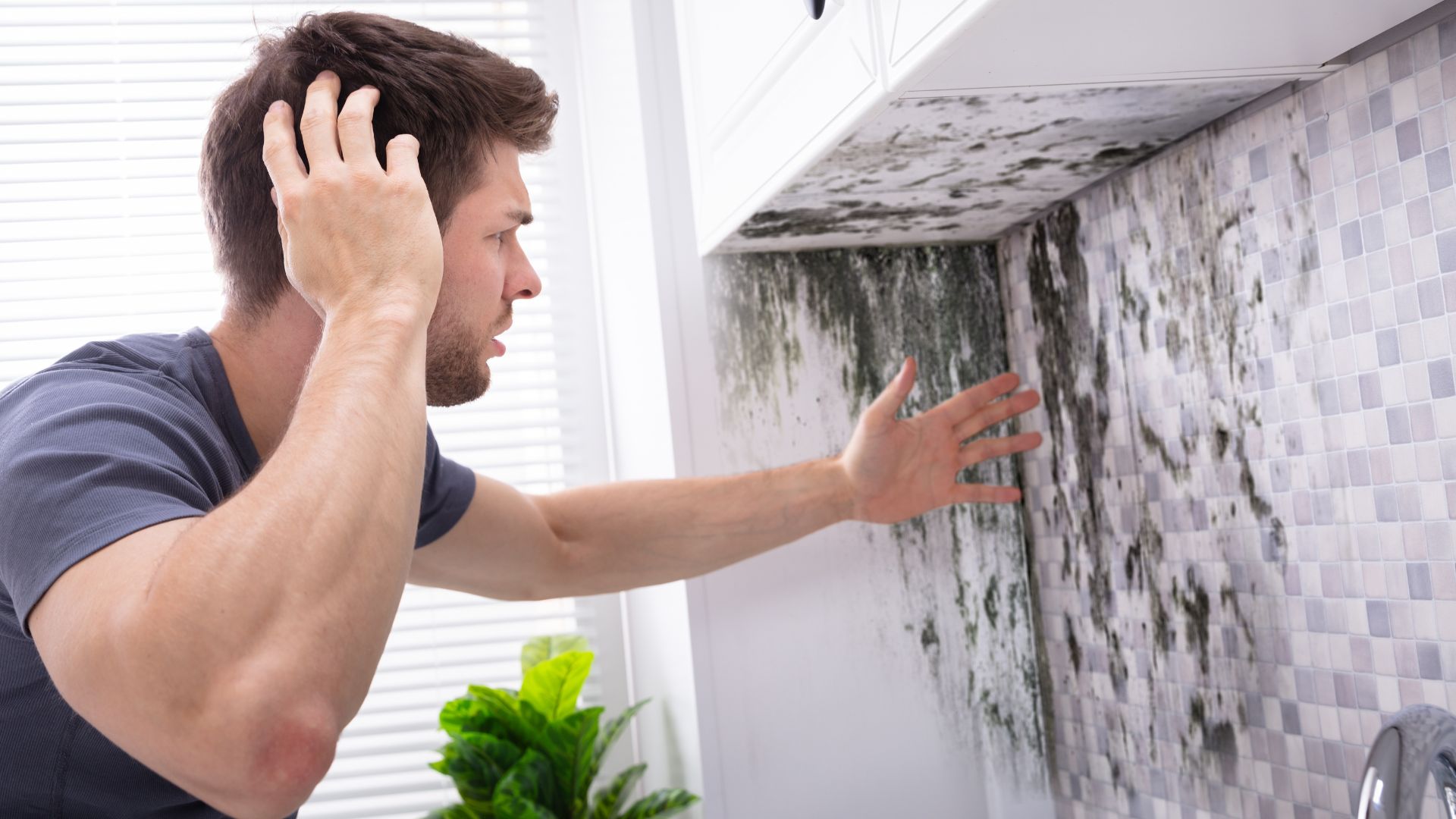
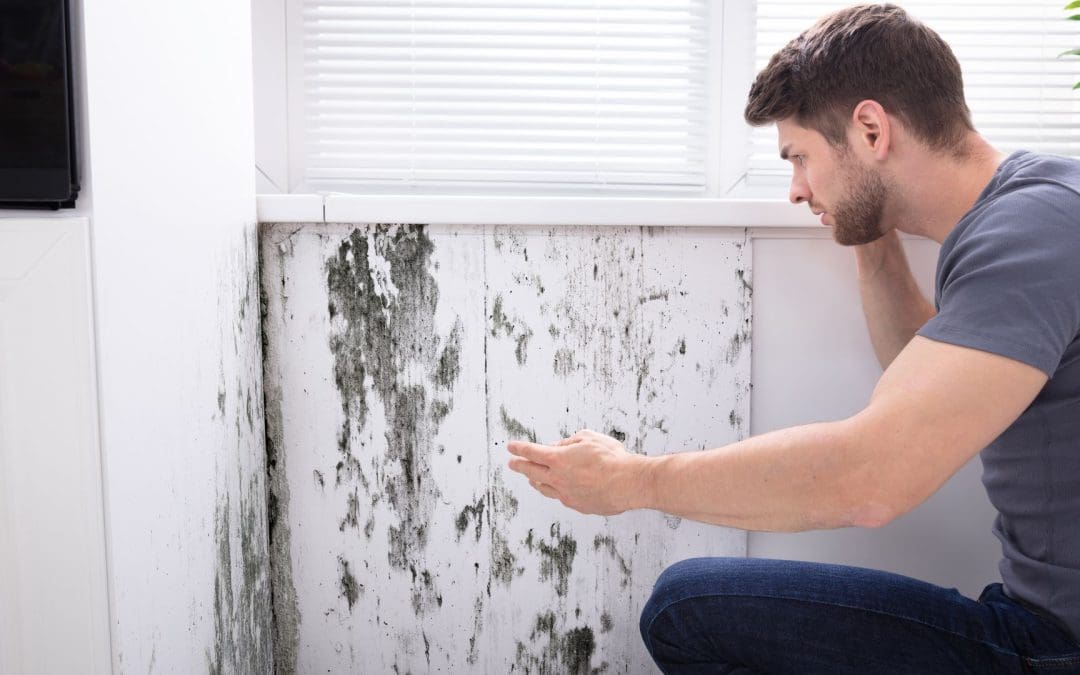
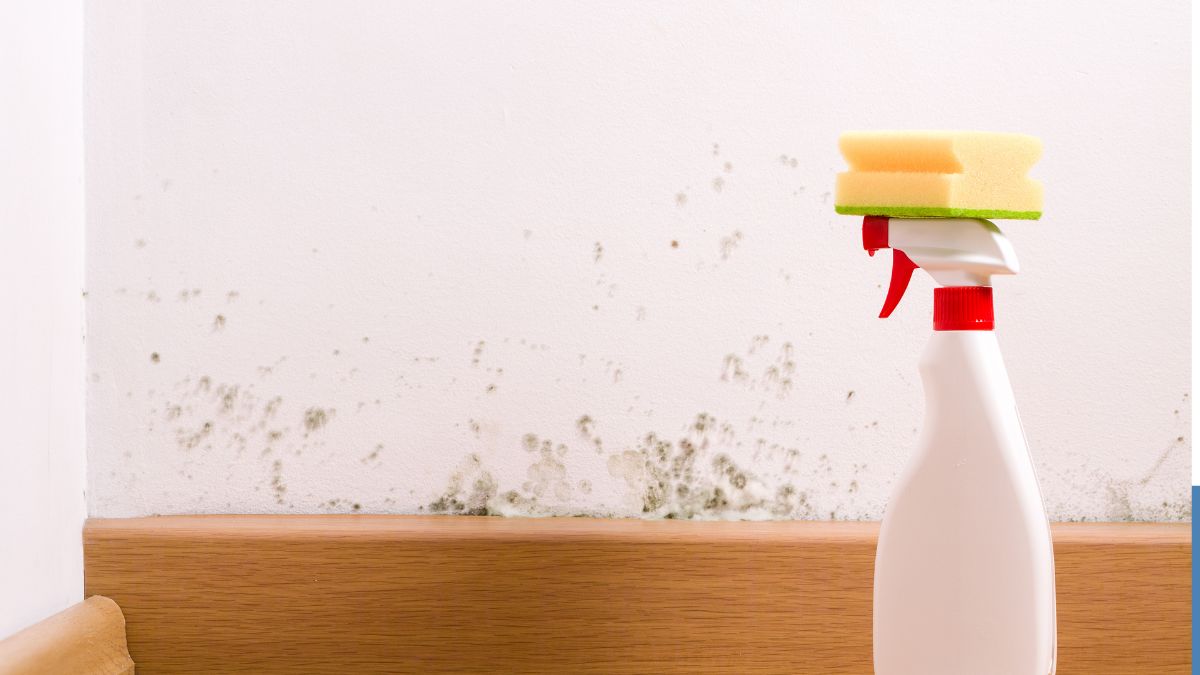
The presence of mold growing in various locations, such as pipes, plumbing fixtures, and around toilets, is a strong indication that there may be an infestation within the pipes themselves. This type of growth can manifest as slimy or fuzzy spots in hues such as black, green, or gray and serves not only as an aesthetic concern but also as a sign of more serious problems with your plumbing infrastructure.
Common sites for mold proliferation include faucets, showerheads, and sink drains, where continuous moisture creates ideal conditions for its development. Should you observe any accumulation resembling dirt or slime near these locations, it’s imperative to tackle this mold issue without delay.
Neglecting visible signs of mold could precipitate complications, including damage to the structural integrity of your plumbing system and heightened risks to your health due to exposure to mold spores.
Discolored Water
If you notice that the water from your tap is tinted brown or black, this could be a warning sign that mold spores are entering and altering the color of your water supply. Such discoloration goes beyond aesthetic concerns. It’s an alarming indication that there might be a breach in your water supply pipes. Mold can damage building materials like drywall and insulation, leading to serious harm and potential structural integrity issues over time.
Mold has the potential to infiltrate various segments of a plumbing system, including wells for groundwater extraction, devices designed to soften hard water, and tanks where potable water is stored. Should discolored water become apparent, prompt action is necessary to pinpoint and correct the source of contamination. Utilizing or consuming water tainted with mold can present significant health dangers. Addressing such contamination swiftly is crucial for safety.
Increased Plumbing Issues
Consistent occurrences of clogs and leaks in plumbing can foster an environment ripe for mold development. When pipes become obstructed or develop leaks, they tend to produce wet conditions ideal for the proliferation of mold. Not only do these continual plumbing difficulties hint at impending mold problems, but they also worsen them by providing a steady stream of moisture.
The presence of mold may gradually weaken your piping system, precipitating additional issues within your plumbing infrastructure. The symptoms that indicate contamination from mold include pipe corrosion, blockages, and persistent leaky pipes. Taking swift action upon detection of these signs can halt the Dispersal of mold throughout both the interior workings of your home’s plumbing network and its structure.
An accumulation of visible mold around fixtures such as faucets, showerheads, or beneath sink drains often serves as evidence to point to underlying moisture complications and potential leakage hidden deep within the pipeline systems. Observing such indicators should alert you to possibly more severe concerns concealed amongst the pipes. Diligent upkeep combined with immediate resolution when faced with any sort of sorting involving complications is crucial for staving off pervasive molding infestations.
Health Symptoms
Symptoms related to health, such as headaches, skin irritation, eye discomfort, and respiratory conditions, could often be early indicators of mold exposure stemming from your water supply. Experiencing sudden health issues like these may raise suspicions of the presence of mold within your plumbing system.
There are specific populations that are more susceptible to experiencing severe health complications due to exposure to mold. These include:
Infants and young children
Older adults
Individuals with weakened immune systems
Pregnant women
For individuals within these groups, the risk is elevated when it comes to developing pronounced symptoms linked to mold problems. Swift action is imperative upon noticing signs of such exposures in residences.
Those who suffer from allergies specific to molds, have compromised immunity, or have pre-existing lung ailments face a greater likelihood of acute effects if exposed to mold. It’s crucial for those at higher risk but also for everyone else living in affected environments. Early recognition can assist you in pinpointing potential issues related to molds lurking in your domestic pipelines, allowing for timely intervention before matters escalate further.
Mold Growth in Other Areas
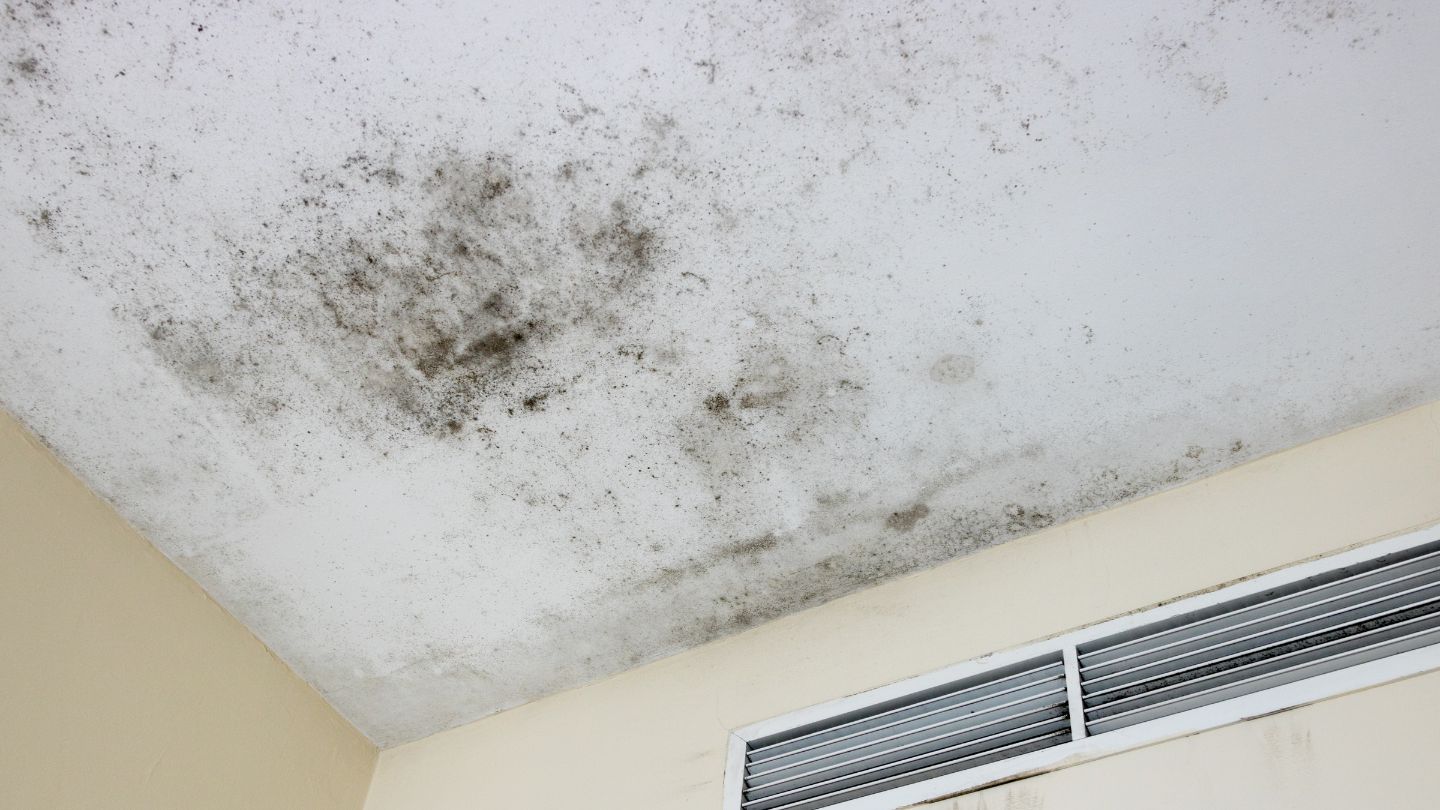
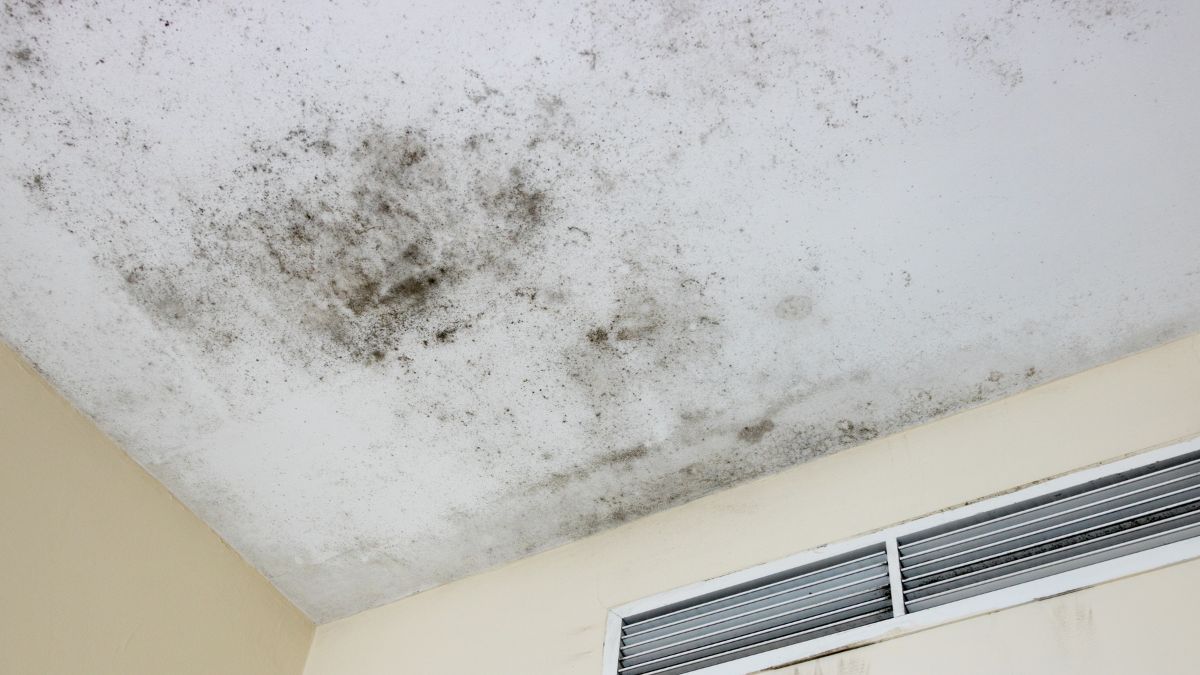
Mold spores originating from mold within your plumbing system can disperse throughout your home, risking contamination in different locations. Once airborne, these spores have the potential to settle and proliferate on diverse surfaces, including walls, ceilings, and floors, where they become noticeable as mold grows.
Should you notice mold proliferation in various parts of your dwelling, it might be a sign that the issue stems from your plumbing system. Mold has the ability to migrate from pipes onto other areas, escalating into a more challenging situation to contain.
Taking swift action against mold present in your plumbing is crucial for preventing its spread across additional regions of your residence and averting damage.
Strong Odors in Water Tanks
The presence of a musty odor from your water tanks often signifies an issue with mold within the plumbing system. If you notice a sour, mildew-reminiscent scent coming from these tanks, it’s likely indicative of ongoing mold growth and possible tainting of the pipes that carry your water supply.
Such smells are not merely offensive to the senses. They also present health hazards should one consume or breathe in water affected by this mold contamination. It is imperative to take swift action upon sensing these robust odors emanating from your water tanks to stop any Proliferation of mold and ensure no compromise occurs within your plumbing infrastructure.
What to Do If You Suspect Mold in Your Pipes
If you suspect mold in your water pipes, taking swift action is essential. Start by arranging a professional inspection to assess the extent of the issue and identify any underlying moisture problems that may be contributing to mold growth.
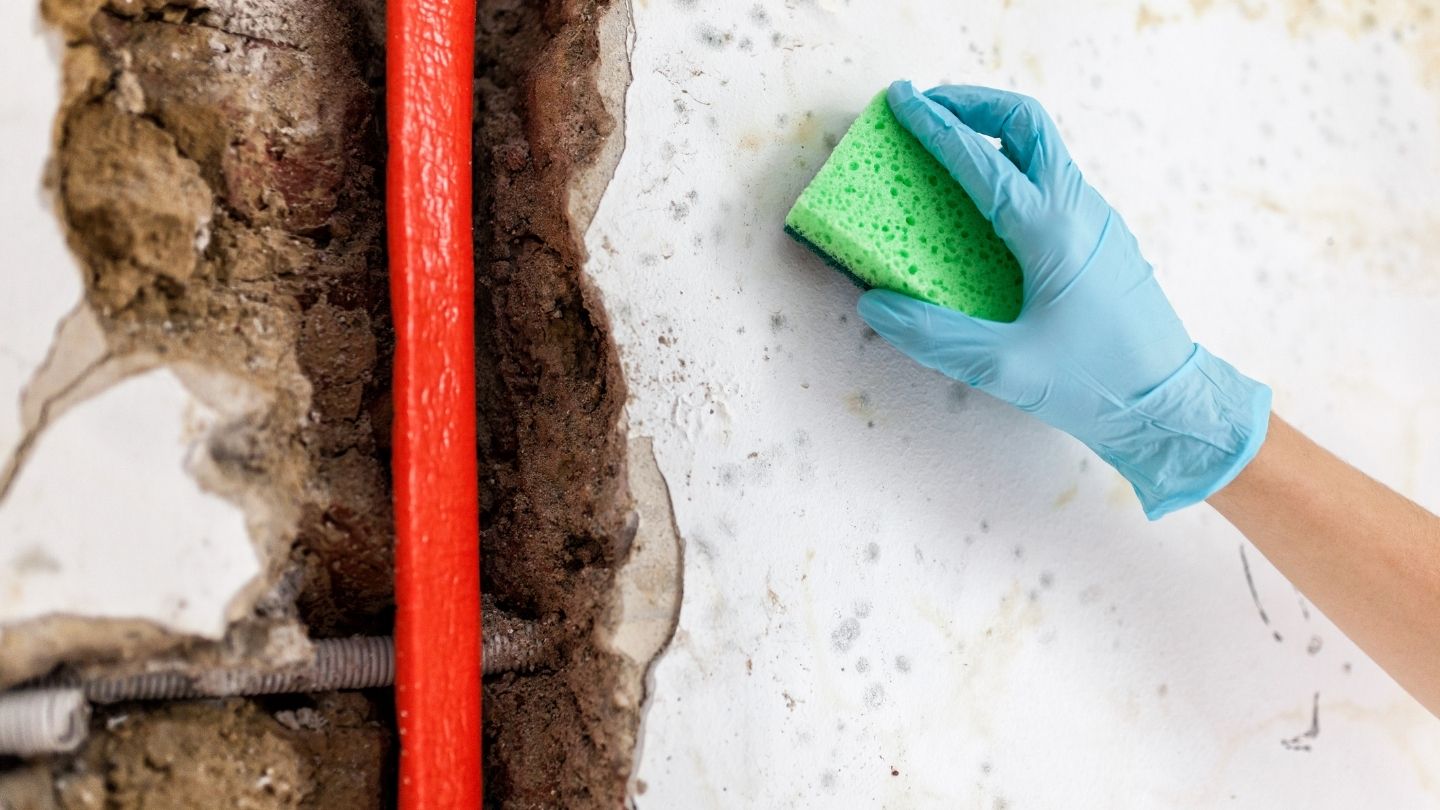
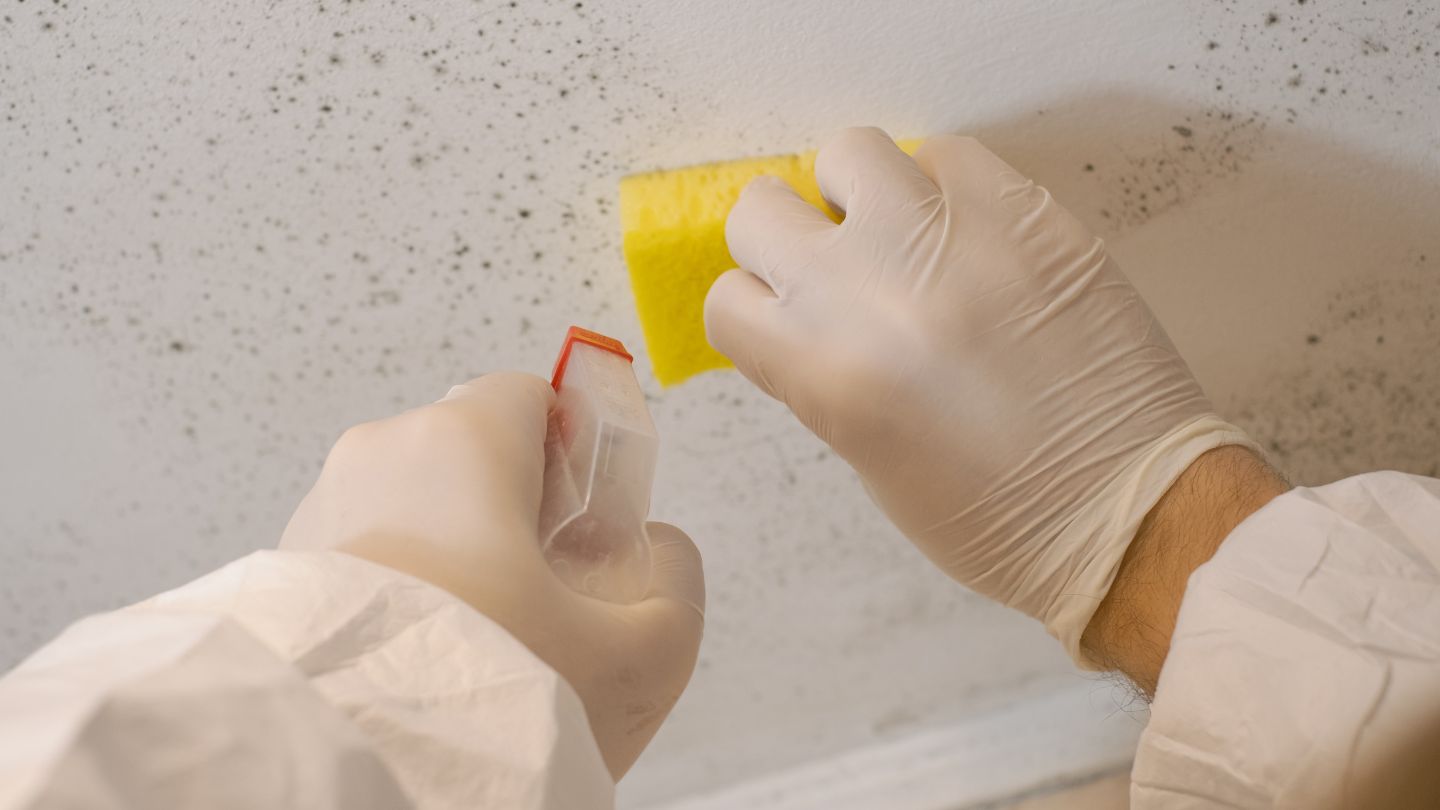
After an inspection, mold remediation should be conducted promptly to eliminate any existing mold and prevent it from spreading further. Routine maintenance and preventative steps are key to avoiding future mold issues in your plumbing system.
Professional Inspection
A certified inspector can evaluate your plumbing system for signs of mold, using both visual assessments and specialized equipment to detect moisture that fosters mold growth. Inspections focus on areas with water damage or humidity, pinpointing the origin of the mold problem to allow for targeted solutions.
Mold-B-Gone’s skilled professionals conduct thorough inspections and provide reliable, expert evaluations for mold, as well as other environmental hazards like radon and lead. With this comprehensive approach, our team identifies and addresses mold issues before they escalate, safeguarding your home and health.
Preventing mold in your plumbing starts with consistent, expert maintenance. Rather than relying on DIY methods, consider professional services to check for leaks, ensure proper ventilation, and maintain humidity levels below 60%—especially in high-moisture areas like bathrooms and basements. Dehumidifiers and exhaust fans can also help reduce the risk of mold growth in these spaces. Routine cleaning and moisture management are essential to keep mold at bay. Repairing leaks promptly and ensuring sufficient airflow can significantly reduce the likelihood of mold problems in your plumbing. Mold-B-Gone provides tailored maintenance services to help homeowners prevent and quickly address mold, ensuring that plumbing systems remain safe and functional year-round.
Risks of Ignoring Mold in Pipes
Ignoring mold in your plumbing can lead to serious health issues and structural damage. Mold exposure may cause respiratory problems, skin irritation, and other health symptoms. Left unaddressed, mold can also deteriorate plumbing materials, leading to leaks, blockages, and costly repairs. Mold spores can spread from plumbing to other areas of your home, causing widespread contamination. Addressing mold issues early on helps protect your health, home, and wallet.
Take Action with Mold-B-Gone
To ensure a safe and healthy living environment, it’s crucial to address any mold issues within your plumbing system with vigilance. Mold-B-Gone offers comprehensive services to help you identify and eliminate mold threats effectively. Our expert team is committed to safeguarding your home and health through prompt assessments and tailored solutions. We also offer services in Flowery Branch, Marietta, Smyrna, Suwanee, Ellijay, and other locations to ensure comprehensive coverage for your needs. Don’t wait for problems to escalate; contact us today for a mold inspection to ensure your plumbing remains mold-free and your home stays protected.
Frequently Asked Questions
What causes mold in pipes?
Mold in pipes often results from excess moisture, leaks, and organic debris in the plumbing system. Stagnant water and frequent clogs can also create the perfect environment for mold to thrive.
Can I clean mold from pipes myself?
While some DIY methods exist, mold in pipes is best handled by professionals. Specialized tools and techniques are required to remove mold safely and prevent it from spreading.
How often should I have my plumbing inspected for mold?
Regular inspections are recommended annually or biannually, especially in areas with high humidity. Routine maintenance can help prevent mold and address minor issues before they escalate.
What health risks are associated with mold in plumbing?
Mold exposure can lead to respiratory issues, allergies, skin irritation, and eye discomfort. Those with compromised immune systems, allergies, or asthma may experience heightened symptoms.
Regular mold inspections are your best weapon for combating frustrating and health-threatening mold-related issues. Mold-B-Gone Remediation understands the importance of regular mold inspections and is happy to educate.
Mold-Related Health Risks
Asking yourself why mold inspection is crucial for healthy home environments is the first step. Without regular mold inspections, you’re putting your family’s financial and physical health at risk. Especially for those with asthma, respiratory problems, and allergies, mold can prove incredibly harmful. Even for those who do not struggle with these ailments, mold buildup can cause allergic reactions, respiratory problems, skin irritation, and serious infections.
Mold Can Damage Your Property
In terms of financial health, the benefits of regular mold inspections protect your home or business from rot and other mold-related impact that causes damage to drywall, insulation, wood, and other important structural elements. If you fail to handle these problems in a timely fashion, they can lead to costly repairs. In extreme cases, a hazardous mold buildup can even get your property in trouble with the health department.
How Do Mold Inspections Work?
Mold inspections are simple and efficient. Mold removal specialists will thoroughly examine your property to determine any potential mold growth or symptoms. They will perform a visual inspection, a moisture assessment, air-quality testing, and surface sampling to get the most in-depth results possible. Through this comprehensive method, they can effectively safeguard your home against mold growth and prevent future mold growth issues.
Benefits of Frequent Mold Inspections
Beyond understanding reasons why mold inspection is crucial for a healthy home, it’s important to understand the benefits it provides in the long run. There’s a wide range of valuable benefits that come packed in with mold inspection services. You’ll gain the ability to live happily and healthily in your home while saving on energy costs that can arise when your property develops a mold problem. The improved air quality you’ll experience alone will help you breathe easily. Take advantage of early detection and prevention to avoid headache-inducing mold problems.
The age of your home, the mold history of your property, and local climate conditions will determine your property’s mold inspection timeline. Whenever you experience water damage or notice a sudden musty odor you should get a mold inspector to your property ASAP to prevent potential mold damage.
Hiring the Right Mold Cleaning and Inspection Service
Finding high-quality mold inspection services in Atlanta is your duty as a responsible homeowner. Mold-B-Gone can help you determine when and how often you need to inspect your home for signs of mold-related issues. Contact our team to get the process started today.
Duct cleaning is the most important maintenance task to regularly schedule for your home’s HVAC system. Without proper maintenance, you run the risk of causing many energy-cost-related and health-impacting issues. Knowing how duct cleaning improves HVAC systems is one of Mold-B-Gone Remediation’s specialties. There are two key benefits you’ll unlock with quality duct cleaning:
Boosting Energy Efficiency With Duct Cleaning
When considering how duct cleaning improves HVAC systems, it’s crucial to understand that performing regular duct cleaning on your system allows it to operate more efficiently. This efficiency transforms into energy savings that will help your monthly budget. When your HVAC system is dirty and clogged, you’ll spend much more on monthly energy bills.
To start, HVAC professionals will locate all of the built-up pet hair, dust, dirt, debris, and other obstructions in your vents. Next, they’ll go about removing it safely and quickly. After that, they’ll move on to the ducts. The newly cleaned-up system will allow you to keep your home cool and improve your daily quality of life.
When you fail to keep your HVAC systems maintained, most of your conditioned air is likely escaping the unit before successfully reaching the inside of your home. If you’re set on improving HVAC system efficiency with duct cleaning, you’ll need to keep this in mind. During the inspection and clean-up process, HVAC pros will also look for any other significant repairs that are needed to ensure you don’t face costly repairs down the road.
Airflow is only one element of how poorly maintained HVAC systems affect your daily life and energy bills. You also need to understand how clean air ducts improve HVAC systems’ efficiency. When particles build up within your ductwork, they can harshly impact your home’s air quality. For those with asthma or allergies, this can be incredibly uncomfortable and even dangerous.
As your HVAC system is cleaned out, you’ll notice that your air is not only flowing better and cooler but that your air is much fresher. The bacteria and viruses that can circulate within your home significantly increase if you have a poorly maintained unit, so investing in quality duct cleaning is your best weapon for keeping your family comfortable and healthy.
Finding a Trusted HVAC Service Provider
Allow Mold-B-Gone Remediation to help you unlock the perfect indoor environment for your family home. We provide high-quality duct cleaning in Atlanta to ensure your home remains healthy and invigorating. Contact us today to schedule your duct cleaning service and breathe easier tomorrow!
Mold is a microscopic fungus that thrives on moist surfaces, including walls, floors, and wooden coverings. Telltale signs of infestation include visible mold spores, a musty smell, peeling wallpaper, and dark spots on your walls. How much does mold devalue a home? This question resonates with the dangers mold poses to property and human health.
What Gives Rise to Molds
The tiny mold spores float in the air before landing on a wet surface, where they multiply and eventually make a colony. They are transferred on clothes, animal fur, and any movable surfaces within a home. Windows, leaking roofs, and poorly ventilated areas like basements and bathrooms, among others, are where they thrive. Surfaces with above 60% moisture offer a favorable ground for their multiplication.
Understanding the Effects On Property
Does mold affect home value? Absolutely. Mold gives a negative signal about possible faults in the architectural structure of a property, giving buyers justification for proposing a lower value for the property. Presumably, walls and floors permeated with moisture may have a substandard foundation, paving the way for mold. Exposed wooden material may show signs of rot, among other flaws, resulting in a lower valuation of the affected property.
Mold spores are tiny and enter the human respiratory system through inhalation. It is estimated that 28% of the world population has genes that make them susceptible to mold-related illnesses, with signs including aggravated allergic reactions for asthmatic patients, nasal congestion, eye irritation, and severe health dangers with prolonged exposure. To ensure a healthier living environment, consider using a home sanitizing service in Atlanta, GA, which effectively eliminates harmful allergens in your home.
Effect on Property Market Value
Combining the effects of mold on structural stability and human health can significantly reduce property value. How much does mold decrease home value? Experts project a significant dip in property value by as much as 3%, which is relatively high. Who would want to spend more on a suspected faulty property? Therefore, mold remains a significant threat to property value.
Eradication and Control of Mold on Your Property
Mold-B-Gone Remediation offers mold cleaning services in Atlanta as a one-stop solution for mold infestation on your property. Fixing leaks, installing dehumidifiers, and enhancing ventilation are all solutions to reduce moisture build-up. Other interventions include tackling the mold with commercial mold removers and bleach. Hidden mold and home value are intertwined, and expert mold remediation is the best way to improve your property. Contact us today to schedule a consultation and protect your home from mold damage.
Mold damages property and poses health dangers—in addition to forming ugly marks on walls. Mold spores cause potential inflammation and respiratory complications. Because the spores can float through the air, it is common to wonder if opening windows helps with mold.
Moisture Gradient Dilemma
Keeping windows open to help with mold works in two different ways.
1. Opening a window to reduce spore buildup
Opening a window only works if there is less moisture outside than inside. If you open your windows when there is more moisture outside, that moisture moves in and increases spore colony formation, even though the intention was to allow accumulated spores to blow out through the windows! So, will opening windows help with mold? It depends on the level of humidity inside and out.
2. Opening a window to allow in cold air
Warm, humid environments accelerate spore multiplication. Meanwhile, opening a window to allow in cold air may lower the temperature, thus hindering spore multiplication. If that cold air is humid, however, this may increase mold spore growth and spread them further!
Logical Considerations
Does opening a window help with mold or not? Opening a window when it is raining allows for more moisture to enter and intensify spore formation. On the flip side, opening the window will lower the warm room temperature, which favors colony formation. However, wind may blow in more spores and moisture from outside. Since opening windows is not enough to solve a mold infestation, seek professional guidance from mold remediation experts in Atlanta, GA
Your DIY Effort
Here are some steps to help reduce spore multiplication in your household:
Strategically position dehumidifiers closer to the colony to reduce moisture.
Use bathroom vents to reduce indoor moisture.
Ensure wet clothes are put in the dryer and not hung indoors.
Repair leaking roofs, water lines, and broken floors to reduce indoor moisture.
Consider allowing spores and their mycotoxins to leave by briefly opening the house as you remove the colony.
The management and control of mold is not easy, and you may not be able to handle it with your limited know-how. DIY intervention risks disturbing the mold colony and releasing mycotoxins into the atmosphere, which may pose severe health risks and possibly spread the mold more throughout your house.
Do you need help ridding your home of mold? Mold remediation experts in Atlanta are up to the task! By engaging experts like Mold-B-Gone Remediation, you are taking a vital step toward eradicating mold and securing your family against its harmful effects. Contact us today for more information.
Molds are a common problem that can eventually create serious health and structural issues at home. Prevention and reduction both call for an understanding of how exactly the climate influences the development of molds. This article explains the relationship between climate and molds, such as ideal conditions for molds, how temperature affects mold growth, and more.
What Is It and Why Does It Matter?
Mold is a fungus that loves to reside in an area that is wet and has warmth. It is usually spread through the air by spores. These spores land on a particular surface and, under conducive conditions, grow there. Mold growth may cause various health problems, such as difficulty in breathing, allergies, and infections. It is, therefore, vital to control mold growth in a place of residence.
Favorable Conditions for Growth of Mold
Mold requires four main components to grow: moisture, warmth, oxygen, and a food source. Organic materials are the common substrates, including most woods, paper, and fabric. The best temperatures for this kind of organism are usually between 60 and 80 degrees Fahrenheit, although some species can multiply outside this temperature range. High relative humidity makes a significant contribution to the proliferation of mold during its development. A relative humidity above 60% is considered ideal for mold growth.
At What Temperature Does Mold Grow?
Temperature is very important in the growth of molds. Molds can be found to grow at about 40°F; however, ideal growth is typically at a higher temperature. During the cooler months, heating a room inside a building results in relatively warmer and damper air, which is conducive for molds to grow. Thus, knowing how temperature affects mold growth is fundamental to its effective management.
Humidity And Molds
If there were a singularly most important factor in mold growth, it might be humidity. Mold grows in the presence of moisture, and high relative humidity (greater than 60%) permits mold spores the water needed for germination and growth. Proper ventilation and the use of dehumidifiers can control indoor humidity.
Controlling Mold Growth in Response to Climate Changes
A damp build-up in the home should be controlled as a way of dealing with the growth of mold in whatever climatic condition. If mold is a problem, seek professional help. For Atlanta, Georgia, residents, Mold-B-Gone Remediation, the mold remediation experts in Atlanta, offers full services of mold inspection and removal for a home that assures its residents of a healthy living environment. Call us today and ensure that your home will be safe from the bad effects of mold.
Molds are a fungus that needs a damp, humid environment to propagate. They can appreciably change the indoor air quality. Therefore, it is very important to understand how mold affects air quality in order to keep a healthy living space.
How Mold Affects Air Quality
The fungus spores are launched into the atmosphere, and subsequently, people nearby might inhale them. This can lead to many allergic reactions. It causes respiratory problems, and such kinds of conditions spread throughout a person’s body. Many types of mold consist of mycotoxins. These mycotoxins cause many adverse reactions like headaches, fatigue, and irritation to the eyes, nose, and throat. This will exacerbate many conditions like asthma or other chronic lung diseases if exposed to it for a longer period.
How to Know When Mold Is Affecting Your Air Quality
Many signs will tell you that there could be mold affecting your air quality. The most obvious sign is noticing a general musty smell. Visible mold growing on walls, ceilings, or other surfaces is another overt sign. Health symptoms, like sneezing, coughing, or respiratory problems that seem to worsen when you’re indoors, could indicate you are affected by mold.
Air mold tests are helpful in detecting the presence of mold spores in the air and their concentration. These tests concern collecting samples for air mold and then having them analyzed in a laboratory. However, results can vary greatly depending on many factors. Those factors can include when the sample was taken, which locations were sampled, and the methods used. While air mold tests provide valuable information, they shouldn’t be used alone for evaluation; this would involve a visual examination and then surface sampling.
How to Get Rid of Mold in the Air in Your Home
Do the following to effectively get rid of mold spores in the air inside your home:
More Ventilation: Let air from your house cross-ventilate to reduce humidity and prevent mold growth.
Air Purifiers: HEPA filters can capture mold spores, improving air quality.
Natural Remedies: Many people use essential oils; for example, tea tree oil has antifungal properties that kill mold spores in the air naturally.
We also proudly serve Johns Creek, Lawrenceville, Marietta, and surrounding areas, offering comprehensive mold remediation services wherever you need them.
The presence of mold in your home can be a cause for concern. However, the severity of the issue depends on the specific type of mold present. While some molds may cause only cosmetic issues, others can pose significant health risks.
This article explores the key differences between black mold and common household mold to aid in proper identification and necessary action.
Health Risks of Black Mold
Black mold, particularly Stachybotrys chartarum, poses significant health risks. Exposure to its spores can lead to:
Respiratory problems
Skin irritation
Fatigue
Headaches
Individuals with mold allergies or compromised immune systems are especially vulnerable. The presence of black mold in your home should prompt immediate action to prevent these health issues.
One of thedifferences between black mold and regular mold is the color. Black mold stands out with its dark, greenish-black color, which often raises concern among homeowners due to its potential health hazards. In contrast, regular molds, sometimes confused with yeast, can appear in a variety of colors, such as green, gray, brown, or even black. This wide range of colors can sometimes make it difficult to identify mold type based solely on appearance.
Prevalence
Another difference between black mold and regular mold extends to their prevalence. Black mold is less common and is usually found in water-damaged buildings. It thrives in environments with chronic moisture issues, indicating a need for immediate attention and remediation. On the other hand, regular mold is more widespread and can be found in damp areas like bathrooms, kitchens, and basements.
Toxicity
Toxicity is another critical factor when comparing black mold vs regular mold. Black mold is particularly concerning due to its ability to produce mycotoxins. These toxic substances can lead to severe health problems. While regular mold can also produce mycotoxins, it is less common and typically less severe. However, regular mold can still cause allergic reactions and respiratory issues, especially in sensitive individuals.
Habitat and Texture
The habitats of these molds provide further distinctions. Black mold is common in very damp areas and often has a slimy texture. Its presence usually indicates long-standing moisture problems that require thorough inspection and repair. Regular molds, which can range from fuzzy to powdery in texture, typically flourish in any consistently damp environment, making them more common in households.
Ensure a Mold-Free Home
Recognizing the difference between regular mold and black mold is vital for maintaining a healthy home. While both types of mold require attention, the severe health risks associated with black mold necessitate prompt and professional remediation. At Mold-B-Gone Remediation, we offer expert mold cleaning services in Atlanta to address these issues. For a healthier home, contact Mold-B-Gone Remediation.
Mold in the home can present itself in various colors. Recognizing these colors can help you identify potential risks and address mold issues promptly. Here, we explore the different types of mold colors commonly found in households.
Black Mold
Black mold is one of the most well-known mold color types, and it often incites concern due to its association with health risks. The most infamous is Stachybotrys chartarum, also known as toxic black mold. This mold thrives in damp, leaky areas like basements and roofs. It can produce harmful mycotoxins that lead to respiratory issues, headaches, and even blood poisoning.
However, not all black molds are toxic. Alternaria and Aspergillus are other types of mold colors that can appear black. While Alternaria is less dangerous, often exacerbating asthma, Aspergillus is a common household mold that usually doesn’t pose severe health risks unless found in large quantities.
White mold is another frequently encountered color, often appearing fuzzy or powdery. Chaetomium is a type that prefers dark, damp areas and can emit a musty odor. Penicillium, which can sometimes appear white, is significant in medical history for penicillin but can cause allergic reactions if mishandled. Alternaria, which can change colors based on conditions, is another common white mold.
Yellow Mold
Yellow mold can be quite deceptive, ranging from pale to bright hues. Aspergillus can sometimes appear yellow, typically low-risk but requiring attention if found in large amounts. Serpula lacrymans target wood, threatening structural integrity rather than health. Epicoccum nigrum and Geomyces pannorum are other yellow molds that thrive in damp conditions. Particular caution is needed for yellow slime mold, an unrelated organism that is very toxic.
Red Mold
Red mold is often seen on water-damaged materials like drywall and particleboard. While the color red can appear in various molds, Aspergillus is a common culprit due to its prevalence. Neurospora is more likely the red mold found on food, indicating spoilage.
Green Mold
Green is the most common color for mold, with thousands of molds appearing green at some point in their lifecycle. The different types of mold colors that typically appear green include Aspergillus, Penicillium, and Cladosporium. While green mold is common, it is still essential to address it to prevent potential health issues and structural damage.
When in Doubt, Call in the Professionals
Identifying different kinds of mold colors can help you understand the potential risks and take appropriate action. Mold, regardless of color, can pose health risks and damage your property. For a thorough and safe solution, contact Mold-B-Gone Remediation, your mold remediation experts in Atlanta.
When pondering what mold smells like in a home, most people describe the odor as musty. Some liken it to an earthy or meaty scent, similar to wet socks or rotting wood. This distinct aroma is not solely from the mold itself but from microbial volatile organic compounds (MVOCs) released during various stages of its growth. These odors are typically unpleasant and pungent, alerting homeowners to potential mold issues hidden within their living spaces.
Tracing Mold’s Entry into Homes
Mold spores are ubiquitous in the environment and can enter homes through open doors, windows, vents, and HVAC systems. They can also hitch a ride indoors on clothing, shoes, and pets. Once inside, mold needs moisture to start growing.
Common sources of indoor moisture that may lead to mold include leaks in roofs, windows, or pipes, as well as areas with flooding. Homes with poor ventilation, especially in places like bathrooms, laundry rooms, and kitchens, are also at higher risk for mold development.
Common Molds in Residential Spaces
In residential settings, various types of mold can be found, each with unique characteristics and potential impacts on health. Some common indoor molds include Cladosporium, Penicillium, Aspergillus, and Stachybotrys, often referred to as black mold.
Cladosporium typically appears on fabrics and wood surfaces, while Penicillium might proliferate on wallpaper, fabrics, and insulation. Aspergillus is often found in house dust. Stachybotrys is notorious for growing on damp surfaces like drywall with high cellulose content.
Mold and Its Health Implications
The smell of mold can be more than just a nuisance—it indicates the presence of mold, which poses various health risks, particularly to individuals with pre-existing conditions such as allergies, respiratory issues, or compromised immune systems. Exposure to mold and its smell can lead to symptoms like nasal stuffiness, eye irritation, or skin rashes. More severe reactions include asthma attacks or more serious respiratory complaints. Particularly vulnerable are those who are mold-sensitized, as they might experience more acute symptoms upon exposure.
Ensuring a Healthy, Mold-Free Environment
Maintaining a mold-free home is crucial for ensuring the health and well-being of all residents. Regular inspections and prompt attention to any signs of moisture can prevent mold from taking hold. If you smell mold in the walls or the basement,it’s essential to address these issues swiftly.
For comprehensive mold remediation services in Atlanta, reach out to Mold-B-Gone Remediation. We specialize in mold remediation, offering tailored solutions for mold-sensitive individuals. Let us help you restore your home to a safe and healthy environment. Contact us today for mold cleaning services in Atlanta.